Prep time: 15 minutes
Cook time: 45 minutes
Total time: 1 hour
Servings: 6
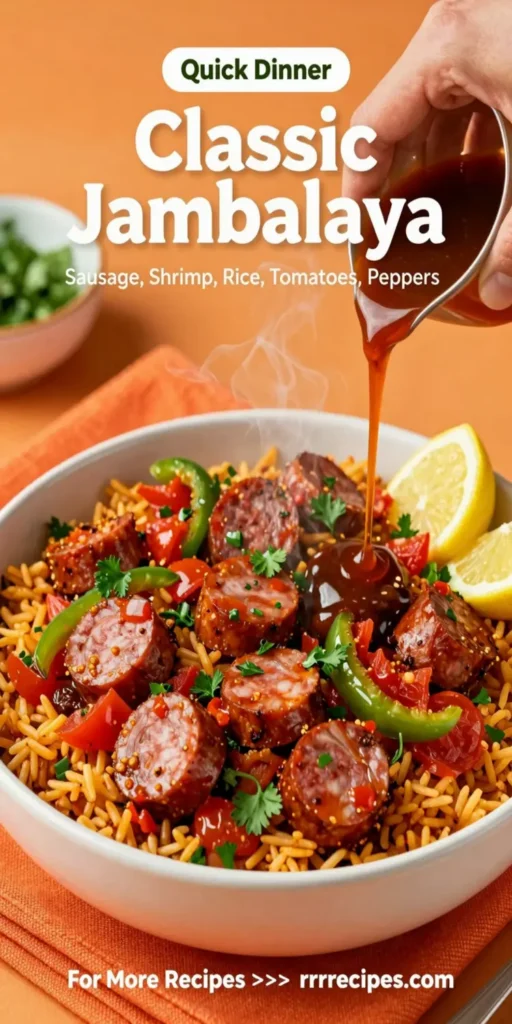
Classic Jambalaya is a traditional dish hailing from Louisiana, rich in flavor and history. This vibrant, one-pot meal combines rice, meat, vegetables, and spices, creating a delightful symphony of tastes. Jambalaya is not just a dish; it’s a celebration of the diverse cultures that make up New Orleans, blending French, Spanish, and African influences in every bite.
Whether you’re a busy parent, a kitchen beginner, or just looking to prepare a hearty meal without breaking the bank, this recipe is perfect for you. Get ready to impress your family and friends with its richly seasoned rice and succulent meats, all packed into a single pot. One of the beauties of Jambalaya is that it’s incredibly versatile. You can customize it to fit your preferences or what you have on hand.
Let me guide you through making this delicious dish step by step.
What Is Classic Jambalaya?
Classic Jambalaya is a Creole dish that originated in Louisiana. It’s characterized by its rice base combined with a variety of ingredients such as chicken, sausage, seafood, and vegetables. The name comes from the French word “jambalaia,” which means a mishmash, reflecting the dish’s eclectic origins. The rice is cooked to perfection, absorbing all the flavorful spices and juices from the meat and vegetables, resulting in a richly satisfying meal.
Why You’ll Love This
There are countless reasons to love Classic Jambalaya. Firstly, it is a one-pot meal, making cleanup a breeze. Secondly, it’s highly adaptable; you can throw in whatever proteins or veggies you have available. Thirdly, the combination of spices delivers an *exquisite and complex* flavor profile that pleases the palate. Lastly, it’s perfect for gatherings, as it’s easy to scale up for larger crowds. There’s something comforting about a steaming pot of Jambalaya that invites everyone to the table and creates an *atmosphere of warmth and togetherness.*
Ingredients You’ll Need
Here’s your ingredient checklist for Classic Jambalaya:
- 1 tablespoon olive oil: Used to sauté vegetables and proteins, adding depth to the dish.
- 1 pound chicken thighs, diced: Juicy and flavorful, they provide a hearty base.
- 1 pound andouille sausage, sliced: Adds a smoky, spicy kick that is essential to Jambalaya.
- 1 medium onion, chopped: For sweetness and aromatic flavors.
- 1 bell pepper, chopped: Adds crunch and color, typically green or red.
- 2 celery stalks, chopped: For additional texture and flavor.
- 3 cloves garlic, minced: Yum, for that aromatic essence!
- 1 can (14.5 oz) diced tomatoes: Provides moisture and acidity.
- 2 cups chicken broth: A must-have for cooking the rice in flavor.
- 1.5 cups long-grain rice: The star of the dish, absorbing all the flavors.
- 1 tablespoon Cajun seasoning: Essential for the authentic Jambalaya taste!
- 1 teaspoon smoked paprika: Adds complexity and a hint of smokiness.
- Salt and pepper, to taste: Because every dish needs seasoning!
- Sliced green onions and parsley for garnish: These add a fresh finish to the dish.

How to Make
Follow these step-by-step instructions to create your Classic Jambalaya:
- Heat the olive oil: In a large pot or Dutch oven, heat the olive oil over medium heat. You want it hot but not smoking to sauté your ingredients perfectly.
- Sauté the proteins: Add the diced chicken thighs and sliced sausage. Cook until the chicken is no longer pink and the sausage is lightly browned, about 5 to 7 minutes. Keep stirring so everything cooks evenly. The flavors will meld together beautifully!
- Add the vegetables: Stir in the chopped onion, bell pepper, and celery. Cook for about 5 minutes until the vegetables are tender. Add the minced garlic and sauté for an additional minute until fragrant.
- Incorporate the tomatoes: Pour in the can of diced tomatoes, along with their juice, and stir to combine. This will add a lovely acidity to balance the richness of your meats.
- Add the spices and broth: Sprinkle the Cajun seasoning, smoked paprika, salt, and pepper over the mixture. Pour in the chicken broth and bring to a simmer, allowing the flavors to develop for about 5 minutes.
- Stir in the rice: Add the long-grain rice to the pot, stirring well to incorporate. Bring the mixture to a boil, then reduce the heat to low. Cover the pot with a lid and let it cook for approximately 20 minutes, or until the rice is tender and has absorbed most of the liquid.
- Fluff and serve: Once the rice is cooked, remove the pot from heat. Use a fork to fluff the Jambalaya gently. Garnish with sliced green onions and parsley, and serve it hot, letting everyone scoop their portions!
Variations & Substitutions
Classic Jambalaya is incredibly versatile, so feel free to make it your own!
Seafood Variation: Swap out the chicken and sausage for shrimp, crab, or any combination of your favorite seafood. Cook the rice as instructed, but add the seafood in the final 10 minutes of cooking to ensure it doesn’t overcook. This will give you a delightful *briny flavor* perfect for seafood lovers.
Vegetarian Jambalaya: For those looking for a meatless option, replace the meat with an assortment of vegetables such as zucchini, mushrooms, and corn. Use vegetable broth instead of chicken broth to maintain the flavor profile. You can also add plant-based protein like beans or tofu for added texture.
Spicy Version: If you crave a bit of heat, consider adding diced jalapeños or a splash of hot sauce to the cooking mixture. This will amplify the flavors and kick things up a notch, making it perfect for those who enjoy spicy foods.
One-Pot Wonder: Instead of using a traditional pot, try cooking Jambalaya in a pressure cooker or instant pot. This method reduces cooking time considerably—your Jambalaya can be ready in just 20 minutes! Follow the same ingredient proportions and pressure cook for 10 minutes, then release steam before serving.
Common Mistakes to Avoid
Making Jambalaya might seem simple, but there are pitfalls to avoid for achieving that perfect dish.
Overcooking the rice: One of the biggest mistakes is overcooking the rice, which can lead to mushiness. Ensure to follow the cooking times closely and allow it to simmer gently without lifting the lid too often.
Not seasoning adequately: Another common error is under-seasoning. The combination of flavors should be robust, so don’t skimp on the spices. Taste and adjust as you go—this is crucial for achieving that authentic taste.
Using the wrong type of rice: Stick to long-grain rice to achieve the best texture. Short or sticky rice won’t provide the desired fluffy consistency you want in this dish.
Storage, Freezing & Reheating Tips
Successfully storing and reheating your Classic Jambalaya is easy if you follow these steps:
– **Storage:** Allow the Jambalaya to cool completely and transfer it into an airtight container. It can be stored in the refrigerator for up to 3-4 days.
– **Freezing:** For longer storage, Jambalaya can be frozen for up to 2-3 months. Make sure to use freezer-friendly containers, leaving some space for expansion.
– **Reheating:** To reheat, simply thaw it overnight in the fridge and warm it up on the stove over low heat until heated through. If the dish looks a bit dry, add a splash of chicken broth or water to help it regain moisture.
Frequently Asked Questions
Can I use different meats in my Jambalaya?
Absolutely! Jambalaya is wonderfully adaptable. You can interchange chicken, sausage, and seafood depending on your preference. Just ensure that any meats you choose are cooked to the appropriate temperature, particularly seafood.
Is Jambalaya spicy?
Traditionally, Jambalaya has a mild heat due to the Cajun spices, but this can be adjusted based on your personal preference. If you prefer a milder version, reduce the amount of Cajun seasoning. Conversely, for a spicier kick, add some red pepper flakes or diced jalapeños.
Can I make Jambalaya in advance?
Yes, Jambalaya can be made ahead of time! It actually tastes better the next day as the flavors meld together. Store it properly in the fridge and reheat as needed.
What kind of rice should I use for Jambalaya?
Long-grain rice is recommended for Jambalaya as it cooks evenly and doesn’t become sticky. Avoid short-grain rice, which can result in a mushy texture.
What can I serve with Jambalaya?
Jambalaya can stand alone as a filling meal, but you can complement it with side dishes like a simple green salad or cornbread for added texture and flavor. A refreshing drink such as iced tea or lemonade would also pair well with the robust flavors.
Conclusion:
Classic Jambalaya is not just a meal; it’s a comforting bowl of history and culture, making it a cherished favorite across many households. By following these guidelines, you’ll create a dish that brings everyone together, perfect for any occasion, whether it’s a family dinner or a festive gathering. Enjoy the flavors, share the experience, and delight in the journey of making this classic dish!