Prep time: 20 minutes
Cook time: 20 minutes
Total time: 40 minutes
Servings: 12 servings
Carrot cake is a beloved classic, merging the sweetness of carrots with warm spices and creaminess that comes with frosting. This recipe for **Carrot Cake with Pineapple and Toasted Coconut Frosting** is a delightful twist on the traditional version, incorporating juicy pineapple and a crunchy, sweet toasted coconut topping. Ready in just **40 minutes**, it’s perfect for those busy evenings or last-minute gatherings, combining ease and flavor perfectly.
What Is Carrot Cake Recipe: Carrot Cake With Pineapple and Toasted Coconut Frosting in 40 Minutes ?
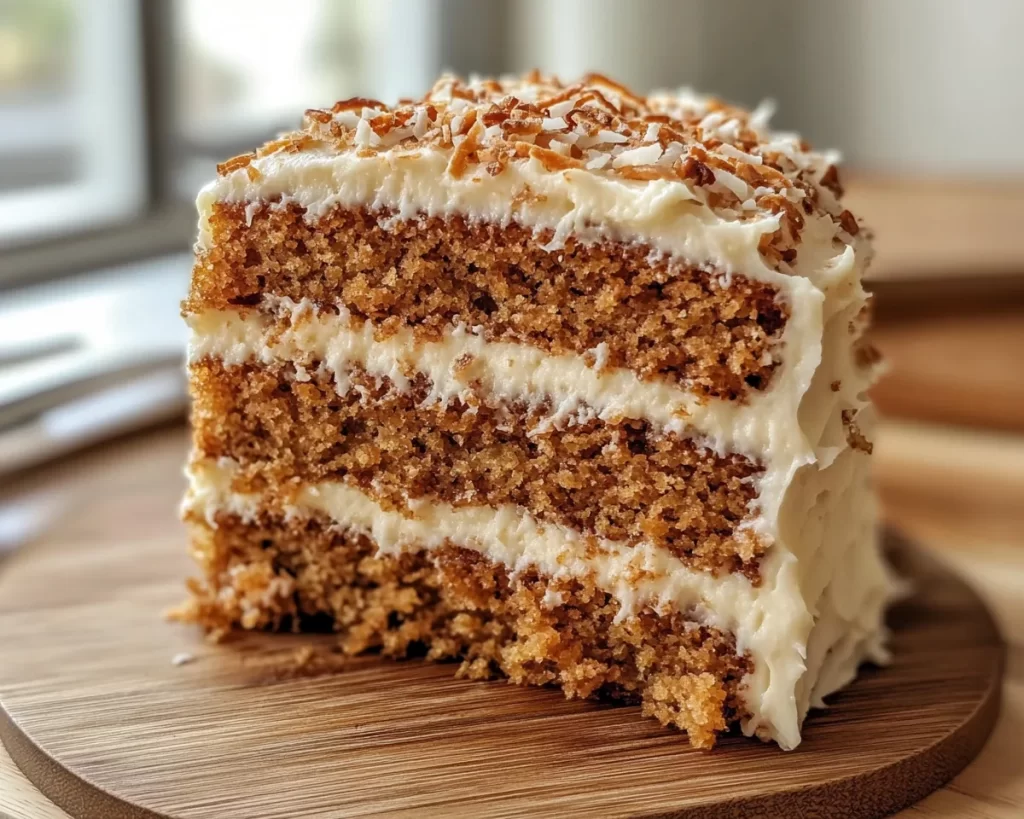
This **carrot cake** features finely grated carrots, which provide natural sweetness and moisture. The addition of crushed pineapple creates a juicy texture while infusing a tropical vibe. Topped with a **toasted coconut frosting**, this cake stands out with its rich layers and delectable flavors. What you get is a cake that’s not just tasty but a feast for the eyes with its beautiful presentation. You will love how the combination of flavors comes together, making it a perfect dessert for any occasion.
Why You’ll Love This
You will absolutely love this recipe for several reasons. First, it’s incredibly **quick and simple**, allowing you to whip up a delightful dessert without spending hours in the kitchen. The flavors are vibrant, with the traditional warm spices harmonizing beautifully with the sweetness of pineapple and the nuttiness of toasted coconut. Additionally, this cake is wonderfully moist, ensuring that each bite melts in your mouth. Whether you’re serving it at a birthday party, holiday gathering, or just a cozy family dinner, this carrot cake is sure to become a favorite.
Ingredients You’ll Need
- 2 cups all-purpose flour: This gives the cake its structure.
- 1 teaspoon baking powder: Helps the cake rise.
- 1 teaspoon baking soda: Provides additional leavening and contributes to a light texture.
- 1 teaspoon ground cinnamon: Imparts warm, sweet flavor.
- 1/2 teaspoon ground nutmeg: Adds a hint of warmth and complexity.
- 1/2 teaspoon salt: Balances sweetness.
- 1 cup granulated sugar: Sweetens the batter effectively.
- 1/2 cup brown sugar: Enhances moisture and adds richness.
- 1 cup vegetable oil: Keeps the cake moist.
- 4 large eggs: Provides richness and helps with binding.
- 3 cups grated carrots: Adds sweetness and moisture, making the cake tender.
- 1 cup crushed pineapple (drained): Contributes to moisture and adds a lovely fruity flavor.
- 1 cup shredded coconut (sweetened): Adds texture and sweetness to the frosting.
- 1 cup cream cheese: Forms the base of the frosting.
- 1 cup powdered sugar: Sweetens and thickens the frosting.
How to Make
- Preheat your oven to 350°F (175°C). Grease and flour two round 9-inch cake pans. This ensures the cakes won’t stick to the pans, resulting in a perfect release.
- In a medium bowl, whisk together the flour, baking powder, baking soda, cinnamon, nutmeg, and salt until well combined. This mixes the leavening agents and spices evenly throughout the flour.
- In a large mixing bowl, beat together the granulated sugar, brown sugar, and vegetable oil until the mixture is smooth and well combined. This helps to create a light texture in your batter.
- Add the eggs one at a time, mixing well after each addition. This helps incorporate air into the batter, giving your cake a fluffy texture.
- Gradually add the dry ingredients to the wet ingredients, mixing until just combined. Be sure not to overmix, as this can create a dense cake.
- Gently fold in the grated carrots and crushed pineapple. The carrots will provide moisture, and the pineapple will add sweetness and a unique flavor.
- Divide the batter evenly between the prepared cake pans. Smooth the tops with a spatula to ensure even baking.
- Bake for 25–30 minutes or until a toothpick inserted into the center comes out clean. Every oven is different, so keep an eye on your cakes.
- Once baked, allow the cakes to cool in the pans for 10 minutes before transferring them to a wire rack to cool completely.
- Meanwhile, prepare the frosting. In a medium bowl, beat the cream cheese and powdered sugar until creamy and smooth. Be cautious not to overmix, or your frosting may become runny.
- Fold in the toasted coconut. This will add texture and a wonderful nutty flavor to your frosting.
- Once the cakes are cool, place one layer on a serving plate. Spread a layer of frosting over the top.
- Place the second cake layer on top, and frost the top and sides of the cake with the remaining frosting.
- For a decorative touch, sprinkle additional toasted coconut on top before slicing. This will enhance the visual appeal!
Variations & Substitutions
Gluten-Free Option: You can replace all-purpose flour with a **gluten-free baking blend**. Ensure it’s a one-to-one substitute for best results. The moisture ratio is kept intact, resulting in a delightful and fluffy cake.
Nutty Addition: For those who love crunch, add a cup of chopped walnuts or pecans to the batter. This addition will create a pleasant texture contrast with the soft cake.
Spiced Up: If you enjoy a deeper flavor profile, consider adding a teaspoon of ginger or cloves to the spice mixture. These spices can elevate your cake to an exciting new level of flavor.
Vegan Version: Substitute eggs with flaxseed meal mixed with water; use plant-based milk and vegan cream cheese. The results will be equally delicious while accommodating dietary choices.
Fruit Variations: To add a different flavor, you can use **mashed bananas** or **zucchini** instead of pineapple. Each will lend the cake a unique taste while maintaining moistness.
Common Mistakes to Avoid
Overmixing the Batter: This is a common issue. Overmixing can lead to a dense, rubbery cake. Mix just until the ingredients are combined, and avoid any lumps.
Not Measuring Ingredients Accurately: Baking is a science. To ensure the best results, measure your ingredients accurately. Using a kitchen scale can help in achieving precision.
Skipping the Cooling Time: Removing the cakes too soon from the pans can lead to breakage. Always allow your cakes to cool properly before frosting or serving.
Storage, Freezing & Reheating Tips
To **store** your carrot cake, wrap it tightly in plastic wrap or place it in an airtight container. It can keep in the refrigerator for up to one week. If you want to **freeze** it, avoid frosting it before freezing, as frosting does not freeze well. Wrap the unfrosted cake layers in plastic wrap and aluminum foil, and store for up to three months. When ready to enjoy, let them thaw in the refrigerator overnight.
If you wish to **reheat** leftover slices, simply use a microwave for 10-15 seconds. To bring back the original texture, allow them to come to room temperature before serving.
Frequently Asked Questions
Can I use fresh pineapple instead of canned?
Yes, you can use fresh pineapple! Just make sure to finely chop or crush it, then drain off the excess juice to avoid making the batter too wet. Keep in mind, fresh pineapple has a slightly different flavor profile, which can subtly change the cake’s overall taste.
Can I make this cake ahead of time?
Certainly! You can bake the cakes a day in advance and store them in the fridge, well-wrapped. Frost the cakes just before serving to ensure the frosting remains fresh and fluffy.
What can I do if my cake is too dry?
If your cake ends up dry, it may be due to overbaking or not enough moisture contributors. Try brushing the layers with a simple syrup made from sugar and water before frosting, or serve it with a scoop of ice cream.
Can I substitute another oil for vegetable oil?
Absolutely! You can use canola oil or melted coconut oil as alternatives. Each type of oil can lend a unique flavor and moisture level to your cake.
How do I know when my cake is done baking?
The best way to tell if your cake is done is to perform the toothpick test. Insert a toothpick into the center; if it comes out clean or with just a few crumbs, your cake is ready.
Conclusion:
This **Carrot Cake with Pineapple and Toasted Coconut Frosting** is guaranteed to become a cherished recipe in your kitchen. Each bite blends the natural sweetness of carrots and pineapple, topped with a creamy toasted coconut frosting that is simply irresistible. The quick preparation time makes it suitable for busy individuals, busy parents, or anyone looking for a delightful dessert that doesn’t require hours in the kitchen. Enjoy baking and sharing this treat with your loved ones!