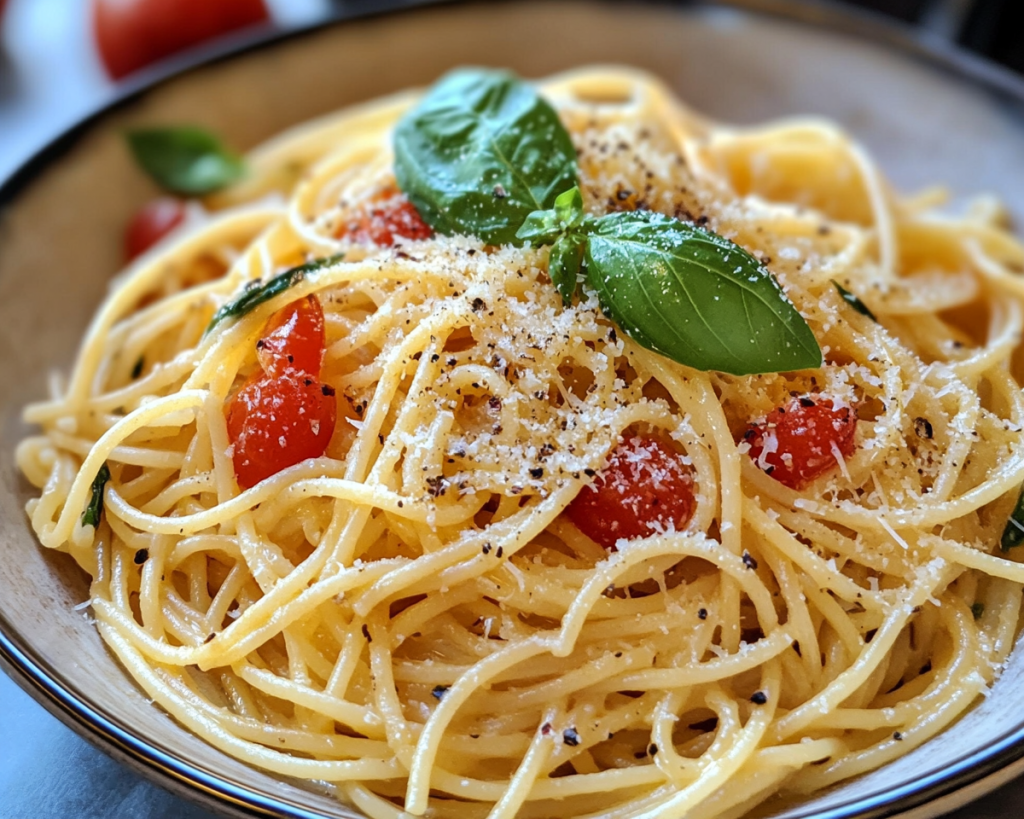
Prep time: 5 minutes
Cook time: 15 minutes
Total time: 20 minutes
Servings: 4 servings
Indulge in the delightful experience of pasta that can be prepared in a mere 20 minutes. Imagine being able to whip up a delicious and wholesome pasta dish that satisfies your cravings without causing stress in the kitchen. This recipe is not just about saving time; it’s about delivering flavor and nutrition in a short span. Whether you’re a busy parent juggling responsibilities, a student navigating late-night study sessions, or a meal prep enthusiast aiming for nutritious options during the week, this recipe brings joy to your table without the hassle. You will learn how to craft a wholesome meal packed with flavor and freshness, perfect for those busy evenings when time is of the essence.
What Is Can You Make Wholesome Pasta In Less Than 20 Minutes?
Wholesome pasta is a versatile dish originating from the heart of Italian cuisine, known for its comforting textures and rich flavors. The beauty of this meal lies in its ability to accommodate various ingredients, making it adaptable to different tastes and diets. With the right approach, you can transform simple pasta into a wholesome dish brimming with flavors and textures.
In this recipe, we focus on using whole grain or lentil-based pasta to enhance the nutritional value. These types of pasta offer a delightful chewy texture and a nutty flavor that pairs beautifully with a variety of sauces and toppings. When cooked to perfection, the pasta serves as a wonderful canvas for vibrant vegetables and aromatic herbs, creating a dish that is not just a meal but an experience. From the first bite to the last, the combination of wholesome ingredients will leave you feeling satisfied and nourished.
Why You’ll Love This
This wholesome pasta dish is not only quick to prepare but also incredibly satisfying. The balance of flavors, the heartiness of the whole grain pasta, and the fresh vegetables blend harmoniously, delivering both comfort and health benefits. One of the biggest advantages of this recipe is its adaptability—you can customize the ingredients according to your preferences or what you have on hand.
Contrary to popular belief, making a wholesome pasta meal doesn’t have to be tedious or time-consuming. Many individuals shy away from cooking pasta because they feel it requires a lengthy process, but this recipe proves otherwise. The use of seasonal vegetables not only boosts the nutrition but also enhances the flavor profile. You’ll find that this dish is perfect for both meat lovers and vegetarians alike, making it a versatile option for gatherings or weeknight dinners.
Ingredients You’ll Need
- Whole grain or lentil pasta: Serving as the main base, whole grain or lentil pasta offers a richer taste and added fiber compared to traditional pasta. For gluten-free options, consider chickpea or quinoa pasta.
- Olive oil: A staple in Italian cooking, olive oil adds richness and depth of flavor while also providing healthy fats. Use extra virgin olive oil for the best taste.
- Garlic: Fresh garlic offers aromatic flavor that elevates the dish. If you’re pressed for time, pre-minced garlic can be a convenient substitute.
- Seasonal vegetables: Choose your favorite veggies like spinach, bell peppers, or zucchini for added nutrition and color. These not only increase the nutrient content but also brighten the dish.
- Parmesan cheese: This cheese adds an umami flavor, enhancing the dish. You can substitute nutritional yeast for a vegan option.
- Fresh herbs: Basil, parsley, or oregano introduce fresh flavors. Dried herbs can work in a pinch, but fresh herbs offer a vibrant touch.
- Salt and pepper: Essential seasonings to enhance the overall flavor. Be sure to taste as you go to adjust accordingly.
How to Make
- Begin by bringing a large pot of salted water to a rolling boil. The salt not only adds flavor to the pasta but also helps in preventing it from becoming mushy. Once the water is boiling, add the whole grain or lentil pasta. Stir well to ensure the pasta doesn’t stick together, and cook according to the package instructions until al dente. This should take around 8-10 minutes.
- While the pasta is cooking, prepare your sauce. In a large skillet over medium heat, add olive oil and allow it to warm up. You can test if it’s ready by carefully flicking a drop of water into the pan; if it sizzles, you’re good to go. Add minced garlic and sauté it for about 1-2 minutes, or until it becomes fragrant and slightly golden. This step is crucial, as the garlic will impart its flavor into your dish.
- Once the garlic is fragrant, add your choice of seasonal vegetables into the skillet. For instance, if you’re using bell peppers and spinach, add the peppers first since they take longer to cook. Sauté the vegetables for about 4-5 minutes, stirring frequently, until they’re tender yet crisp. This is where you should take advantage of your kitchen’s aroma—allow the flavors to meld beautifully.
- After the pasta is cooked al dente, reserve about a cup of pasta water and then drain the rest. You can use the reserved water if needed to adjust the sauce’s consistency later. Add the drained pasta directly into the skillet with the sautéed garlic and vegetables. Toss everything together gently, allowing the pasta to absorb the flavors for about a minute.
- Next, stir in grated Parmesan cheese and a ladle of the reserved pasta water. Mix well to create a creamy sauce that clings to each pasta strand. This is where you can adjust the seasoning; taste the mixture and add salt or pepper as needed. The cheese will melt and create a silky coating that enhances the overall texture of the dish.
- Finally, take the skillet off the heat and gently toss in fresh herbs. The residual heat will help release their oils without cooking them down too much, keeping that vibrant fresh taste. Transfer the pasta to plates and garnish with extra cheese and herbs, if desired, before serving warm.
Variations & Substitutions
Vegetable-Heavy Variation: If you love vegetables, try adding more than just a few. Consider incorporating roasted cherry tomatoes for a sweet, caramelized flavor or adding broccoli florets for some crunch. This variation works well for those looking to increase their vegetable intake, as it provides both flavor and nutrients. Be sure to add the denser vegetables first to ensure they cook through properly.
Protein-Packed Variation: Add some protein by including grilled chicken or shrimp. Cook the protein separately and toss it in just before serving. For a vegetarian option, consider chickpeas or lentils, which enhance the creaminess of the dish while boosting its nutritional profile. This variation is perfect for active individuals or those who want a more filling meal.
Spicy Kick Variation: For those who enjoy a bit of heat, consider adding red chili flakes or even a sliced jalapeño along with the garlic. This will infuse the dish with a spicy kick that elevates the overall flavor profile. Use fresh herbs like cilantro as a garnish for an extra burst of flavor. This variation is fantastic for anyone who loves bold flavors.
Vegan Variation: To make this dish vegan-friendly, swap out the cheese for a nutritional yeast alternative and consider using vegetable broth instead of water for cooking the pasta. You can also use plant-based proteins like tofu or tempeh to add heartiness. This variation caters to those who follow a plant-based diet without sacrificing flavor.
Common Mistakes to Avoid
One common mistake when preparing pasta is adding too much salt to the cooking water. Excess salt can overpower the sauce and the dish overall. A general rule of thumb is to use about one tablespoon of salt for every four quarts of water. It’s also important not to overcook the pasta. Overcooked pasta loses its texture and can become mushy. Always al dente is the way to go, as it will continue to cook slightly even after it’s drained.
Another frequent error is failing to reserve some pasta cooking water. This water contains starch that helps create a silky sauce and binds the ingredients together. Make it a habit to measure a cup out before draining; it can dramatically improve the final texture of your dish.
Finally, don’t skip on the fresh herbs. Using dried herbs is convenient, but fresh herbs provide a burst of flavor and freshness that dried simply can’t match. Always add fresh herbs right before serving to retain their vibrant taste.
Storage, Freezing & Reheating Tips
When storing leftovers, transfer your pasta into an airtight container once it cools down. This helps maintain moisture and prevent it from drying out. Leftover pasta can typically be stored in the refrigerator for up to 3-4 days. For longer storage, consider freezing individual portions.
To freeze, place the pasta in freezer-safe bags, ensuring to remove excess air to prevent freezer burn. Frozen pasta can last for about 2-3 months. When it’s time to eat, you can reheat the pasta either in the microwave or on the stovetop. If reheating in a pan, add a splash of reserved pasta water to help restore moisture and prevent it from sticking.
Always remember to check the pasta for freshness before using it to avoid foodborne illnesses. Reheat to an internal temperature of 165°F to ensure that it’s safe for consumption.
Frequently Asked Questions
Can I use regular pasta instead of whole grain or lentil pasta?
Yes, you can use regular pasta if you prefer. However, keep in mind that whole grain or lentil pasta adds more fiber and nutrients. The cooking time may vary, so adjust accordingly based on the type of pasta you select to ensure perfect texture.
What types of vegetables work best in this pasta dish?
You have a wide range of options to choose from! Seasonal vegetables like zucchini, spinach, bell peppers, and even cherry tomatoes work wonderfully. The key is to use fresh, vibrant vegetables that complement each other in flavor and texture. Don’t hesitate to mix and match based on what you have on hand!
Can I prepare this dish ahead of time?
While this dish is best served fresh, you can prepare some components in advance. For instance, chop your vegetables and even cook the pasta a day ahead. When you’re ready to eat, simply combine everything and warm it through for a quick meal.
Is this pasta dish suitable for meal prep?
Absolutely! This dish is great for meal prep as it stores well in the refrigerator. You can portion it out into individual containers and reheat as needed. It’s a convenient option for busy days when you need a nutritious meal without the hassle of cooking from scratch.
What can I serve with this pasta dish?
You can serve it alongside a fresh salad or whole grain bread for a complete meal. Garlic bread or dinner rolls can complement the dish nicely as well. For those who enjoy added protein, consider grilled chicken or meatballs as a side option.
Conclusion:
This wholesome pasta recipe is a delightful way to enjoy a nutritious meal in less than 20 minutes. With its diverse flavors, ease of preparation, and adaptability, it’s sure to become a staple in your kitchen. Don’t hesitate to customize it with your favorite ingredients or use up what’s in your fridge. Try it, share it with loved ones, and savor the joy of cooking delicious meals that bring everyone around the table.