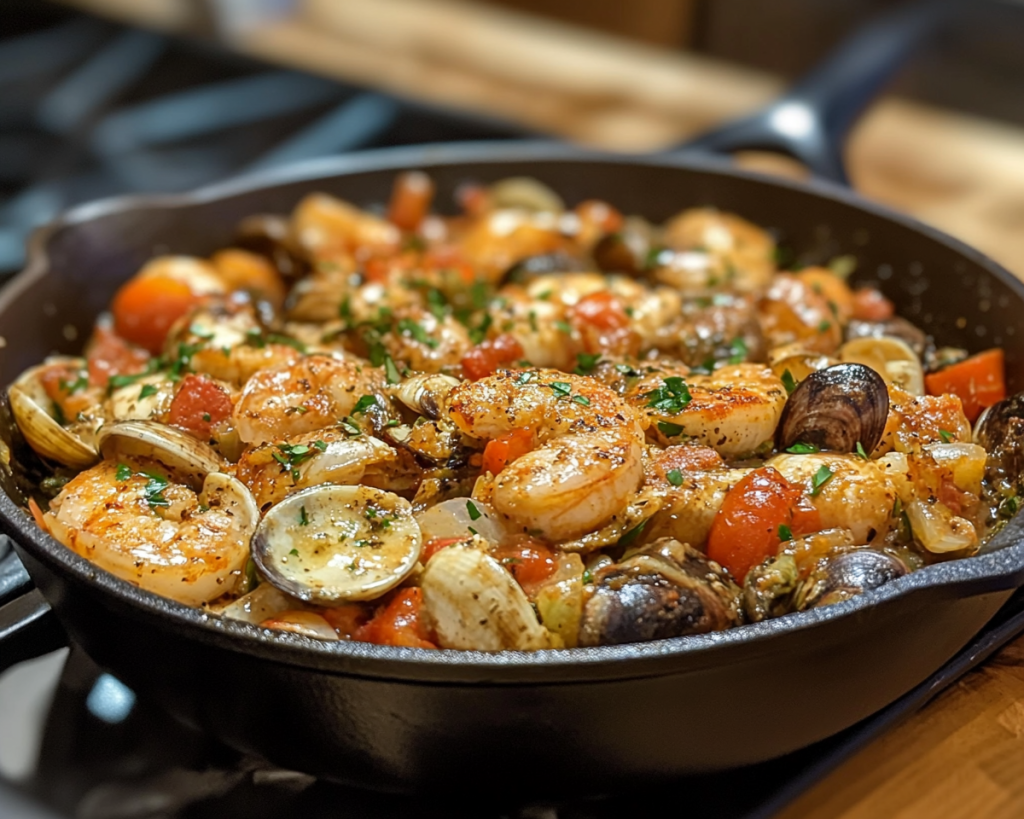
Prep time: 15 minutes
Cook time: 30 minutes
Total time: 45 minutes
Servings: 4
Imagine coming home after a long day, tired from work or busy with family responsibilities, and all you want is a delicious, home-cooked meal without the hassle of extensive cleanup. That’s where amazing skillet meals come into play. These one-pan wonders not only deliver on taste but also minimize the chaos that often comes with cooking. In this recipe article, you will discover how to create delectable skillet meals that require minimal cleanup but pack a punch in flavor.
Skillet meals are not just about convenience; they also offer an opportunity to be creative in the kitchen. You can toss together different ingredients and flavors to create unique combinations. In this guide, we’ll explore everything from essential ingredients to cooking tips, and variations that can cater to your dietary preferences. Get ready to impress your family and friends with satisfying meals that come together in no time!
What Is Can You Make Amazing Skillet Meals With Minimal Cleanup?
A skillet meal is typically a one-pan dish where various ingredients are cooked together to create a harmonious blend of flavors. This method is particularly popular for busy individuals who want to enjoy home-cooked meals without spending hours in the kitchen. The ingredients, generally including proteins, vegetables, and grains, are prepared in a single skillet or frying pan, allowing flavors to meld beautifully. The result is a comforting, wholesome dish that feels like a warm hug on a plate.
Skillet meals often have a diverse origin, from simple stir-fries in Asian cuisine to hearty frittatas in Italian cooking. Because you’re using a single pan, you can achieve a wonderful contrast of textures—crispy edges on vegetables, tender proteins, and fluffy grains or noodles. The flavors become enriched with each ingredient contributing its essence through the cooking process, making every bite an adventure for your taste buds.
Additionally, the versatility of skillet meals allows for innovative combinations. You can use seasonal vegetables, leftover proteins from previous meals, or pantry staples that might be sitting idle. It’s all about the joy of cooking with what you have while creating something new and exciting.
Why You’ll Love This
One of the most appealing aspects of skillet meals is their **ease of preparation**. You can have a complete meal on the table in less than an hour, which is a significant time saver for busy families or individuals. Moreover, the minimum cleanup that results from cooking everything in one pan is a welcome relief after a hectic day. Imagine devouring your meal and only having one skillet to wash!
Another benefit is their cost-effectiveness. Using ingredients you already have at home can stretch your budget while minimizing food waste. Skillet meals are also incredibly adaptable; whether you’re trying to eat healthier or have special dietary requirements, you can easily swap ingredients and flavors to suit your needs. Whether you’re cooking for picky eaters or adventurous palates, there is a skillet meal for everyone.
Many people assume that one-pan meals lack depth and flavor, but that couldn’t be further from the truth! When done correctly, skillet meals can be just as delicious and intricate as traditional multi-step recipes. Cooking them allows the ingredients to express themselves, resulting in vibrant, flavorful dishes.
Ingredients You’ll Need
- Protein: This can include chicken, beef, shrimp, or tofu. Choose something that suits your dietary preferences. If you’re using raw proteins, aim for around 1 pound to serve four people.
- Vegetables: Bell peppers, zucchini, broccoli, and spinach are excellent choices. They’re packed with nutrients and add a delightful crunch.
- Grains: Rice, quinoa, or pasta can serve as a base. Cooked grains provide a texture that complements the proteins and vegetables.
- Seasonings: Garlic, onion, salt, and pepper are fundamental. Don’t forget herbs or spices like thyme, paprika, or red pepper flakes to add layers of flavor.
- Fats: Olive oil or butter to cook the ingredients. These fats help achieve that lovely sautéed finish while adding richness to the dish.
- Liquid: Broth or wine will elevate the flavors and help deglaze the pan. This is essential for capturing those flavorful bits stuck to the skillet.
When selecting your ingredients, try to choose fresh and seasonal produce for the best flavor and nutrition. For proteins, if you’re on a budget, consider using canned beans or lentils for plant-based options. Fresh herbs can enhance the aroma and freshen up the dish as well.
How to Make
- Start by preparing all your ingredients. Wash and chop your vegetables into bite-sized pieces. If you’re using a protein like chicken or beef, cut it into uniform pieces to ensure even cooking. Having everything prepped beforehand will make the cooking process seamless.
- In a large skillet, heat about 2 tablespoons of olive oil over medium heat. Once the oil is shimmering, add your protein to the skillet. Allow it to cook without stirring for a few minutes until it’s golden brown. This initial sear helps to lock in juices and add flavor.
- Next, add your chopped vegetables to the skillet. Start with the tougher ones, like bell peppers and broccoli, and add softer ones like spinach later. Stir them well with the protein, coating them in the seasoned oil. Let everything sauté for about 5-7 minutes, stirring occasionally.
- Add minced garlic and onion to the pan, stirring them in. The aroma will be incredible! Cook for an additional 3-4 minutes until the onion becomes translucent and fragrant.
- Pour in your choice of liquid, either broth or wine. Scrape the bottom of the skillet to deglaze it and release all those flavorful bits. Let it simmer for about 5 minutes, allowing the liquid to reduce and intensify in flavor.
- Now mix in your cooked grains—rice, quinoa, or pasta—stirring everything thoroughly. Add more seasoning if necessary. Taste and adjust according to your preference. Cook for an additional 2-3 minutes to combine all flavors.
- Finally, finish with fresh herbs or a squeeze of lemon juice for brightness. Optional: top with shaved cheese or a dollop of sour cream before serving to enhance richness.
Cooking is as much about engaging your senses as it is about following instructions. Enjoy the process, and do not hesitate to improvise by adding extra spices or swapping out ingredients based on what you have at hand.
Variations & Substitutions
Vegetarian Skillet Meal: Replace protein with chickpeas or lentils for a delicious vegetarian option. Introduce heartier vegetables like sweet potatoes or mushrooms to add depth. Using plant-based protein not only enhances the dish’s nutritional value but also keeps it light and fresh. This variation is excellent for anyone cutting down on meat or looking for a flavorful yet satisfying meal.
Mexican-Inspired Skillet: To infuse a vibrant twist, incorporate black beans, corn, and diced tomatoes for a colorful Mexican-inspired skillet. Flavor it with cumin, cilantro, and a little lime juice. This flavor profile is excellent for those who enjoy bold, zesty flavors in their meals. Top with avocado slices or shredded cheese for added creaminess.
Pasta Skillet: Swap grains with cooked pasta, and turn your skillet meal into a comforting pasta dish. Use smaller pasta shapes that can mingle well with the other ingredients. For added creaminess, toss in a splash of cream or a handful of shredded cheese once everything is combined, allowing it to melt through the mix, wrapping the ingredients in a delicious sauce.
Low-Carb Skillet Meal: Substitute grains with cauliflower rice or zucchini noodles, keeping carbohydrates low while still enjoying the satisfying texture of a hearty skillet. This is perfect for anyone following a ketogenic or low-carb diet. Make sure to drain excess moisture from these vegetables so your meal doesn’t turn soggy.
Breakfast Skillet: This variation takes a spin on traditional breakfast items. Add eggs to the mix toward the end of cooking, allowing them to cook right in the skillet. Combine with breakfast sausage, potatoes, or even avocado slices. The result is a versatile dish that can satisfy breakfast cravings at any time of day.
Common Mistakes to Avoid
One common mistake when preparing skillet meals is overcrowding the pan. When too many ingredients are added at once, it can result in steaming rather than searing, leading to a loss of flavor and texture. Always ensure that the proteins and vegetables have ample space to cook evenly; this allows for that perfect golden-brown sear that enhances the dish’s overall taste.
Another issue is skimping on seasoning. Ingredients release moisture as they cook, which can dilute the flavors in your dish. Always taste as you go and adjust with salt, pepper, or spices so you can achieve a well-balanced flavor profile.
A third consideration is neglecting the resting time after cooking. Allow your skillet meal to sit for a couple of minutes before serving. This gives the flavors time to meld and enhances the overall taste experience. The simple act of letting it rest can make a significant difference in enjoyment.
Storage, Freezing & Reheating Tips
When it comes to storing your skillet meal, allow it to cool completely before transferring it to airtight containers. Most skillet meals can be stored in the refrigerator for 3-4 days. For longer storage, consider freezing portions for up to three months. However, be mindful that some vegetables may lose texture after freezing.
To reheat, place your skillet meal in a pan over low heat. Add a splash of water or broth to rehydrate any dried-out ingredients and help to distribute the heat evenly. Stir frequently until heated through. Alternatively, you can microwave it in short intervals, stirring regularly, ensuring that the meal heats evenly.
For food safety, always check for any signs of spoilage before consumption. If you have added dairy products to your dish, the shelf life may be reduced, so consume those portions sooner rather than later.
Frequently Asked Questions
Can I use frozen vegetables in skillet meals? Yes, frozen vegetables can be a convenient substitute and save you time on prep. Just remember that they may release more moisture while cooking, so adjust your seasonings accordingly. Using frozen vegetables is a great way to have variety and essential nutrients year-round.
What is the best type of skillet to use for these meals? A non-stick skillet or cast-iron skillet works excellently for one-pan meals. Non-stick pans allow for easy clean-up, while cast iron helps achieve a fantastic sear on meats and veggies. Choose based on your cooking needs and preferences; both options yield great results.
Can I prepare these meals ahead of time? Absolutely! Preparing meals in advance can help streamline your week, allowing for quick and easy dinners. Just be sure to store each component separately if you prefer to keep textures intact, and combine them right before cooking.
How can I make my skillet meal spicier? To spice things up, consider adding fresh chilies, cayenne pepper, or even hot sauce while cooking. For milder heat, try adding spices like crushed red pepper flakes as you sauté the ingredients. Adjust according to your personal preference for spice levels.
Are skillet meals suitable for meal prep? Yes, they are an excellent option for meal prepping! Their versatility allows you to mix and match ingredients for your liking, and they keep well in the fridge or freezer. Portion them out in containers for easy lunches and dinners throughout the week.
Conclusion:
Amazing skillet meals offer a delightful and practical cooking solution for anyone looking to whip up delicious, nutritious dishes without the chaos of numerous pots and pans. With just a bit of preparation and a willingness to experiment, you can create a wide variety of meals that cater to your taste and dietary preferences. I encourage you to gather your ingredients and embark on this cooking adventure. You’ll find that enjoying home-cooked meals can be simple, fulfilling, and a joy to share with family and friends. Get into the kitchen, have fun, and enjoy the wonderful process of cooking with minimal cleanup!