Prep time: 20 minutes
Cook time: 25 minutes
Total time: 45 minutes
Servings: 4
Nothing quite compares to the feeling of digging into a plate of freshly made ravioli. The delicate pasta filled with your choice of sumptuous fillings can evoke memories of family gatherings and festive dinners. Today, we’re going to show you how you can create this delicious dish using just five simple ingredients. Yes, you read that right! You don’t need a long grocery list or hours slaving in the kitchen. This recipe is not only straightforward but also incredibly rewarding. By the end, you will know how to master the art of making ravioli that will have everyone at the dinner table begging for more.
So, why is this recipe special? Well, aside from its simplicity, it shines in versatility. Whether you are a busy parent looking for a quick meal solution, a college student on a budget, or someone just exploring your culinary skills, this can be your go-to dish. Get ready to learn not just how to make amazing ravioli but also how to customize it to suit your family’s taste buds.
What Is Can You Make Amazing Ravioli With Just 5 Ingredients?
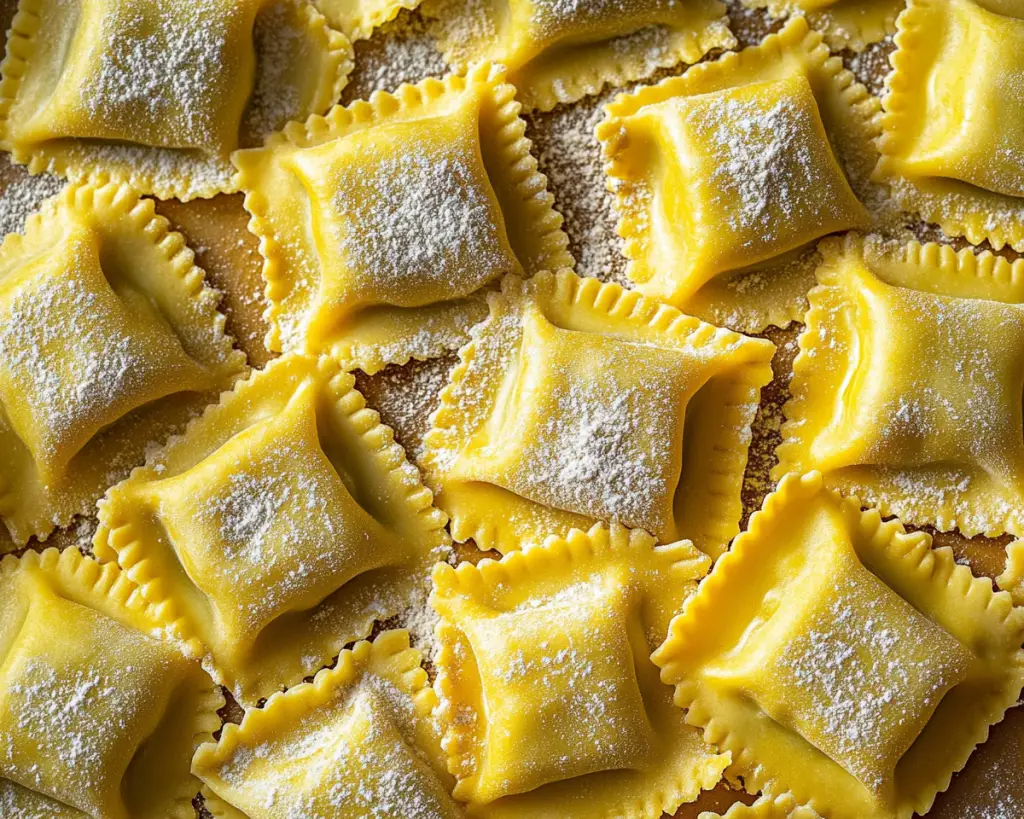
Ravioli is a type of filled pasta that has its origins in Italy. Traditionally, it is made by placing a filling between two layers of thinly rolled pasta dough, then cutting it into shapes and sealing the edges. The texture is delightfully chewy, while the insides can be filled with a variety of ingredients ranging from cheese and meats to vegetables and herbs. The combination creates a mouth-watering dish that can be served in a sauce, in broth, or simply drizzled with olive oil.
With just five ingredients, you can create a version of this beloved pasta that maintains its rich history while being achievable for anyone. The beauty of this recipe lies in the harmony of flavors when you choose your filling wisely, alongside a well-prepared dough. You will experience the comforting aroma of freshly cooked pasta merging with your chosen filling, enticing everyone around. This simplicity doesn’t sacrifice flavor, and when prepared correctly, offers a delightful bite that’s full of wonderful textures.
Why You’ll Love This
This recipe is incredibly enticing for a host of reasons. First and foremost, the **taste** is nothing short of exceptional. The combination of fresh pasta and a rich filling creates a marriage of flavors that pleases the palate. Furthermore, this dish is highly **versatile**—you can mix and match fillings based on what you have on hand, making it a great option for families with varying tastes or dietary restrictions. If you have a vegan in the house, you can easily swap out certain ingredients to make it suitable.
Moreover, the ease of preparation is a significant draw. If you’re a busy parent or a novice in the kitchen, this recipe won’t overwhelm you. The method is straightforward, allowing you to spend more time enjoying meals with your loved ones rather than stressing over complicated cooking techniques. It’s an economical dish, saving you both time and money, especially since you can make a large batch and enjoy leftovers.
A common misconception surrounding ravioli is that it must be difficult to make from scratch. With this recipe, you will dispel that myth. You’ll soon realize that fresh pasta isn’t just for fancy Italian restaurants; you can create it right in your kitchen, fulfilling that craving without breaking the bank or feeling out of your league. When you serve this homemade ravioli to friends or family, they won’t believe it’s from your kitchen!
Ingredients You’ll Need
- Flour: You will need all-purpose flour to create the pasta dough. This serves as the foundational ingredient. If you don’t have all-purpose flour, you can substitute it with semolina flour for a different texture.
- Eggs: Eggs act as a binder for your pasta dough, giving it structure and richness. If you require a vegan option, aquafaba can be used as a substitute, although it may change the texture slightly.
- Ricotta Cheese: A classic filling for ravioli, ricotta lends a creamy texture and mild flavor. You could also use cottage cheese for a lighter option or a dairy-free cream cheese for a vegan alternative.
- Parmesan Cheese: Adding grated Parmesan to your filling enhances the taste with its nutty flavor. For a dairy-free option, nutritional yeast can provide a similar umami flavor.
- Salt: Essential for bringing out the flavors in your pasta dough and filling. You can also use garlic powder or herbs for added flavor if desired.
These ingredients combine to create a delicious homemade ravioli, where each one plays a significant role in defining the dish. Choosing quality ingredients can elevate your ravioli experience to new heights.
How to Make
- Start by preparing the pasta dough. In a large mixing bowl, combine about two cups of flour with a pinch of salt. Create a well in the center, and add two large eggs. Using a fork, gradually whisk the eggs, slowly incorporating the flour from the sides. This method helps prevent clumping. Once it’s too difficult to mix, switch to using your hands. Knead the dough for about 10 minutes until it’s smooth and elastic. If the dough is sticky, sprinkle in a little more flour as necessary. Cover it with a damp cloth and let it rest for at least 30 minutes.
- While the pasta dough is resting, prepare the filling. In a mixing bowl, combine one cup of ricotta cheese, half a cup of grated Parmesan, and a pinch of salt. Mix well until fully blended. For added flavor, consider mixing in some herbs such as basil or parsley. This not only enhances the filling’s taste but also adds a pop of color, making your ravioli visually appealing too.
- Once the dough has rested, divide it into four pieces. Take one piece and keep the others covered. Roll out the piece of dough on a floured surface until it is thin (about 1/8 inch thick). You can also use a pasta machine to ensure even thickness. The thinner you roll the dough, the more tender your ravioli will be.
- Using a small spoon, place teaspoons of filling about two inches apart on one half of the rolled-out dough. Take the other half and fold it over to cover the filling. Press down around each mound of filling to seal the ravioli, making sure to push out any air pockets as you go. Use a knife or ravioli cutter to cut out the individual pieces. This step ensures uniformity, making for gorgeous presentation.
- Bring a large pot of salted water to a boil. Carefully drop the ravioli into the pot, making sure not to overcrowd them. Boil for about 3-5 minutes, or until they float to the top, indicating they are cooked through. Fresh pasta cooks much quicker than dried pasta, so be attentive during this step.
- Once cooked, gently scoop out the ravioli with a slotted spoon and place them on a serving plate. You can toss them with a simple drizzle of olive oil or a light sauce of your choice, like marinara or Alfredo. Garnish with extra grated Parmesan and herbs for the finishing touch.
Now that you’ve crafted your amazing ravioli, take a moment to relish the creation. The aroma wafting from the kitchen will entice your family or guests to gather around the table. Serve it warm, and enjoy every delightful bite!
Variations & Substitutions
Cheese and Spinach Ravioli: One popular variation for the filling includes incorporating spinach into the ricotta mixture. Simply wilt about one cup of fresh spinach and chop it finely before mixing it with the cheese. This adds a pop of color and boosts nutritional value, making it a great option for those who want to sneak in more veggies. You can also use frozen spinach, but make sure to squeeze out excess moisture before adding it to the filling.
Mushroom and Herb Ravioli: For a more earthy flavor, consider using sautéed mushrooms mixed with garlic and fresh herbs like thyme or oregano. This provides a delightful taste sensation that can be enjoyed even by meat lovers. It’s a great filling for vegetarians or those looking to explore a different taste profile. Just be sure to cool the mixture after cooking to avoid soggy ravioli.
Meat-Filled Ravioli: If you prefer a heartier version, substitute the cheese filling with ground meat—beef, chicken, or turkey work wonderfully. Cook the meat with onions, garlic, and your spices of choice before mixing it into the filling. This filling is particularly satisfying and pairs wonderfully with a rich tomato sauce.
Vegan Ravioli: For plant-based cooking, replace the cheeses with tofu blended with nutritional yeast, garlic powder, and herbs for flavor. Whole wheat flour can be a healthy choice for the dough. This option is not only free from animal products but also a healthier alternative, packed with protein and fiber.
Adapt your ravioli to fit any dietary requirement or taste preference while enjoying the process of creating and reinventing classic dishes!
Common Mistakes to Avoid
Making ravioli sounds simple, but there are pitfalls to be aware of. One of the most common mistakes is not adequately sealing the edges. If not properly sealed, the ravioli may burst during cooking, resulting in a watery mess. Ensure you press down firmly around the filling to remove any trapped air, and consider using a little water to help the dough stick.
Another issue is rolling the dough too thick. Thick ravioli will end up chewy and may not cook evenly. Aim for a thin sheet of pasta; it should be almost translucent when held up to the light. Use flour liberally to prevent sticking, but avoid adding too much, which can affect the pasta’s consistency.
Overcrowding the pot when boiling can also lead to uneven cooking. If you add too many ravioli at once, they may clump together. It’s best to work in batches to ensure they’re cooked through and have enough room to move freely in the water.
Lastly, be mindful of the cooking time. Fresh ravioli cooks quickly, usually just a few minutes. Keep a close eye while they boil; when they float to the top, that means they are done. Overcooking can make them mushy and lose the delightful chewiness that fresh pasta should have.
Storage, Freezing & Reheating Tips
If you find yourself with leftover ravioli, fear not! They can be easily stored or even frozen for a later date. To store fresh ravioli, place them in a single layer on a baking sheet dusted with flour. Allow them to dry for about 30 minutes before refrigerating. Use an airtight container to store them for up to 3 days in the refrigerator.
For long-term storage, consider freezing the ravioli. After letting them dry, place them in a single layer on a baking sheet and put them in the freezer for about 1-2 hours until firm. Once frozen, transfer them to a sealable freezer bag, removing as much air as possible. Frozen ravioli can last up to 3 months. When you’re ready to enjoy them, there’s no need to thaw beforehand; simply drop them into boiling water directly from the freezer and adjust the cooking time by a couple of minutes.
When reheating cooked ravioli, a gentle approach is best to avoid overcooking. Heat them in a skillet with a splash of your favorite sauce or cover them with foil and warm them in an oven at a low temperature. This ensures they remain tender without losing any flavor.
Frequently Asked Questions
Can I make ravioli without eggs?
Absolutely! Eggless ravioli can be made using water and flour or by substituting eggs with aquafaba (chickpea brine). The dough may be slightly different in texture, but it will still be delicious and hold up well when cooked.
What type of flour is best for ravioli?
While all-purpose flour is commonly used, semolina flour provides a firmer bite and is often favored in traditional Italian recipes. You can also consider using whole wheat flour for a healthier alternative.
How can I tell when ravioli are done cooking?
Fresh ravioli cook quickly; they are done when they float to the top of the boiling water, which usually takes 3-5 minutes. It’s essential to keep an eye on them to avoid overcooking and ending up with a soggy dish.
Can I use store-bought pasta dough?
Certainly! Store-bought pasta dough can be a great time saver. Just roll it out thin and proceed with your filling and assembly. You can still enjoy a delicious meal without the extra effort of making the dough from scratch.
What sauces pair well with ravioli?
Ravioli is incredibly versatile when it comes to sauces. A simple drizzle of olive oil and a sprinkle of Parmesan works well, or you could opt for marinara, Alfredo, or even a sage brown butter sauce. Each sauce brings out different flavors in the ravioli, so go with your preference!
Conclusion:
This amazing ravioli recipe showcases how simple ingredients can come together to create a delightful meal that resonates with family and friends alike. With just five ingredients, you can embark on a culinary journey from scratch, crafting pasta that is truly fulfilling. Don’t hesitate to customize it to meet your family’s tastes, and remember that the joy of cooking lies in experimentation and innovation. Try it out for yourself; you might just impress everyone at the dinner table! Make cooking a shared experience and create lasting memories around your homemade ravioli. Happy cooking!