Prep time: 20 minutes
Cook time: 1 hour
Total time: 1 hour 20 minutes
Servings: 6 servings
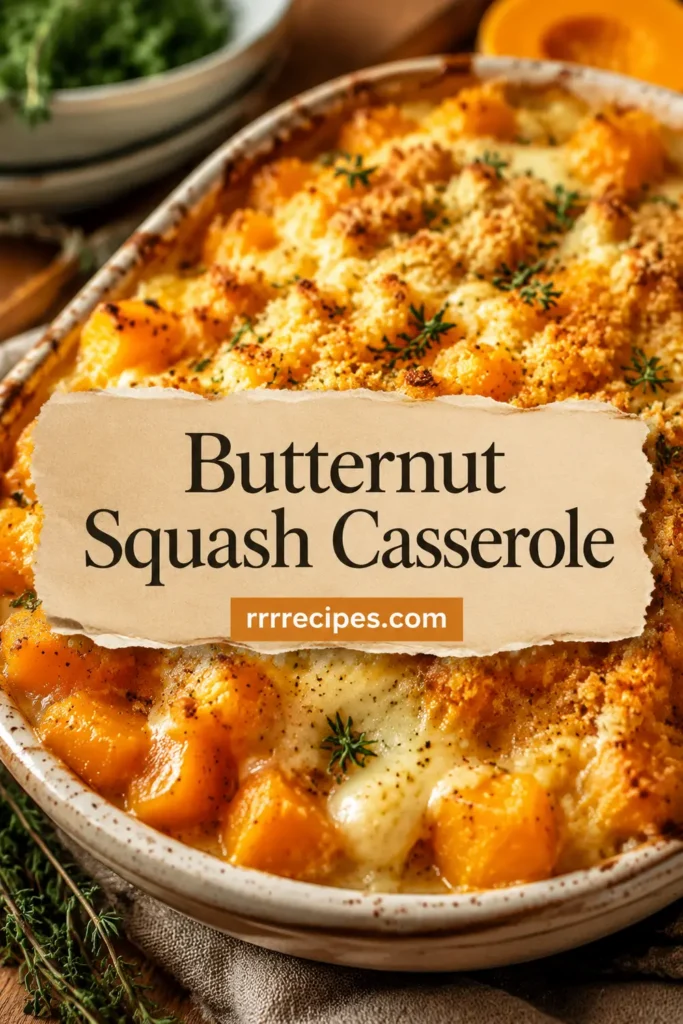
Butternut squash casserole is more than just a delightful dish; it’s a comforting embrace on a chilly evening. This recipe takes savory roasted butternut squash and combines it with creamy layers and crunchy toppings for an irresistible experience that is bound to warm your heart and palate. Perfect for family gatherings or a quiet weeknight dinner, this casserole fits seamlessly into various dietary preferences, delighting both the wheat-free and meat-loving diners alike.
What Is Butternut Squash Casserole?
Butternut squash casserole is a hearty baked dish made primarily from the sweet, nutty flavor of butternut squash. Known for its vibrant color and rich taste, this versatile vegetable serves as the star ingredient. In this recipe, the squash is roasted until tender, then combined with a creamy base often made from cheese, cream, or even plant-based alternatives. The dish is typically finished with a crunchy topping that can range from breadcrumbs to nuts, providing a satisfying textural contrast. The result is a beautifully layered casserole that brings warmth and joy to any table.
Why You’ll Love This
There are several reasons why butternut squash casserole has gained a special place in home kitchens. Firstly, its flavor profile is extraordinarily pleasing; it captures the essence of autumn in every bite. The natural sweetness of the squash pairs perfectly with creamy and cheesy elements, making it a hit among both kids and adults.
Secondly, this casserole is incredibly nutritious. Butternut squash is packed with vitamins A and C, potassium, and dietary fiber, making this dish not just delicious but also wholesome. As a bonus, it’s a wonderful way to sneak in those veggies for picky eaters.
Additionally, the recipe is incredibly flexible. You can switch up ingredients according to your preferences, incorporate seasonal veggies, or even add proteins for a more filling dish. Whether you’re looking to impress guests or just enjoy a cozy meal at home, butternut squash casserole is an excellent choice.
Ingredients You’ll Need
- 2 cups butternut squash, peeled and diced: This is the main ingredient that provides flavor and nutrition. Choose fresh, ripe squash for the best taste.
- 1 cup shredded cheese (like cheddar or mozzarella): Adding cheese gives a creamy texture and boosts the flavor. You can choose a dairy-free cheese if needed.
- 1 cup heavy cream or plant-based alternative: This adds rich creaminess to the casserole. Use low-fat options for a lighter dish.
- 1 cup breadcrumbs: These create a crunchy topping; you can use gluten-free breadcrumbs if you’re avoiding gluten.
- 1 onion, finely chopped: Provides enhanced flavor and sweetness when cooked.
- 2 cloves garlic, minced: Infuses the casserole with aromatic flavor.
- Salt and pepper to taste: Essential seasonings to bring out the flavors of all the ingredients.
- Olive oil or melted butter: For roasting the squash and enhancing flavors.

How to Make
- Preheat your oven: Start by preheating your oven to 400°F (200°C). This temperature is ideal for roasting the butternut squash, helping it develop a sweeter flavor and softer texture.
- Prepare the squash: In a bowl, toss the diced butternut squash with olive oil, salt, and pepper until well-coated. Spread the squash evenly on a baking sheet and roast for about 25-30 minutes, or until fork-tender and lightly caramelized. This roasting step intensifies the squash’s natural sweetness.
- Sauté aromatics: While the squash is roasting, heat a frying pan over medium heat, adding a bit of olive oil. Sauté the chopped onion and minced garlic until the onion becomes translucent, roughly 5-7 minutes. This step not only softens the onions but also ensures that they release their flavors.
- Combine ingredients: In a large bowl, combine the roasted butternut squash, sautéed onions and garlic, heavy cream, and half of the shredded cheese. Mix well until all ingredients are evenly distributed. You should have a colorful, creamy mixture that smells divine.
- Assemble the casserole: Transfer the mixture to a greased baking dish. Smooth it down evenly with a spatula. Sprinkle the remaining cheese on top, followed by the breadcrumbs. This layer will create a delicious crunchy crust when baked.
- Bake: Place the casserole in the preheated oven and bake for 20-25 minutes. The top should turn golden brown and bubbly, signaling that it’s ready to enjoy. The aroma wafting through your kitchen will be hard to resist!
Variations & Substitutions
Vegan Butternut Squash Casserole: For a dairy-free option, replace the heavy cream with coconut milk or a cashew cream blend. Use a plant-based cheese or omit the cheese altogether. You can also add nutritional yeast for a cheesy flavor without dairy.
Spicy Butternut Squash Casserole: If you’re a fan of heat, consider adding diced jalapeños or a pinch of red pepper flakes to the mixture. Spicy sausage or chorizo can also be incorporated for those who want added richness and a kick.
Herbed Variation: Enhance flavor by mixing in fresh herbs such as thyme or sage. Their earthy notes will complement the sweetness of the squash beautifully. Consider adding sautéed mushrooms for an extra flavor dimension.
Protein-Packed Casserole: To make this dish more filling, add cooked ground turkey, sausage, or beans. These proteins will transform the casserole into a hearty main dish, ideal for a family gathering.
Nut-Free Variation: If you have nut allergies, skip adding any nuts to the topping and consider using rolled oats mixed with breadcrumbs for grainy crunch instead.
Common Mistakes to Avoid
There are several pitfalls to watch for when preparing butternut squash casserole:
Not properly roasting the squash: Skipping the roasting step can lead to a bland flavor. Always roast the squash until it’s golden and tender to enhance its sweetness.
Overcooking the casserole: While you want that delicious bubbly top, be cautious not to overbake it. Check around the 20-minute mark to avoid losing the creamy texture.
Ignoring seasoning: Salt enhances flavors and is essential in every dish. Be sure to season each component of the casserole, as it elevates the dish from good to great.
Using stale breadcrumbs: Fresh breadcrumbs are crucial for a crunchy topping. Stale breadcrumbs can result in a soggy texture; ensure yours are fresh for the best results.
Storage, Freezing & Reheating Tips
Proper storage is essential to keep your butternut squash casserole fresh. Allow the casserole to cool completely before refrigerating it in an airtight container. It can last for up to 3-4 days in the fridge.
If you’d like to extend its shelf life, you can freeze the casserole. To freeze, wrap it tightly in plastic wrap, then foil, and store it in the freezer for up to 3 months. When you’re ready to eat it, allow it to thaw in the fridge overnight before reheating.
Reheat the casserole in the oven at 350°F (175°C) for approximately 25-30 minutes until heated through. For best results, cover it with foil until the last 10 minutes to prevent the topping from burning.
Frequently Asked Questions
Can I prepare butternut squash casserole ahead of time? Yes, you can prepare the casserole a day in advance. Assemble it fully and store it covered in the fridge. Just make sure to bring it to room temperature for about 30 minutes before baking. This will ensure even cooking.
Is butternut squash casserole gluten-free? Absolutely! Just use gluten-free breadcrumbs and ensure that any broth or sauces used are also gluten-free. The natural ingredients in the dish are suitable for gluten-free diets.
Can I use other vegetables in this casserole? Yes! You can substitute or add other vegetables such as sweet potatoes, carrots, or zucchini. Each will contribute different flavors and textures, offering delightful variations.
How do I know when the casserole is done? The casserole is done when the top is golden brown and bubbly. A knife inserted into the center should come out clean, indicating that the mixture is cooked through.
What can I serve with butternut squash casserole? This casserole pairs wonderfully with a simple green salad or roasted Brussels sprouts for a balanced meal. You could also serve it alongside protein options like grilled chicken or turkey for added satisfaction.
Conclusion: Bringing the warmth and comfort of butternut squash casserole to your table is easier than you think. With its rich flavors, health benefits, and versatility, it’s bound to become a staple in your meal rotation, especially during fall and winter seasons. Experiment with different variations, enjoy the process of cooking, and savor the delightful moments spent around the table with family and friends. Happy cooking!