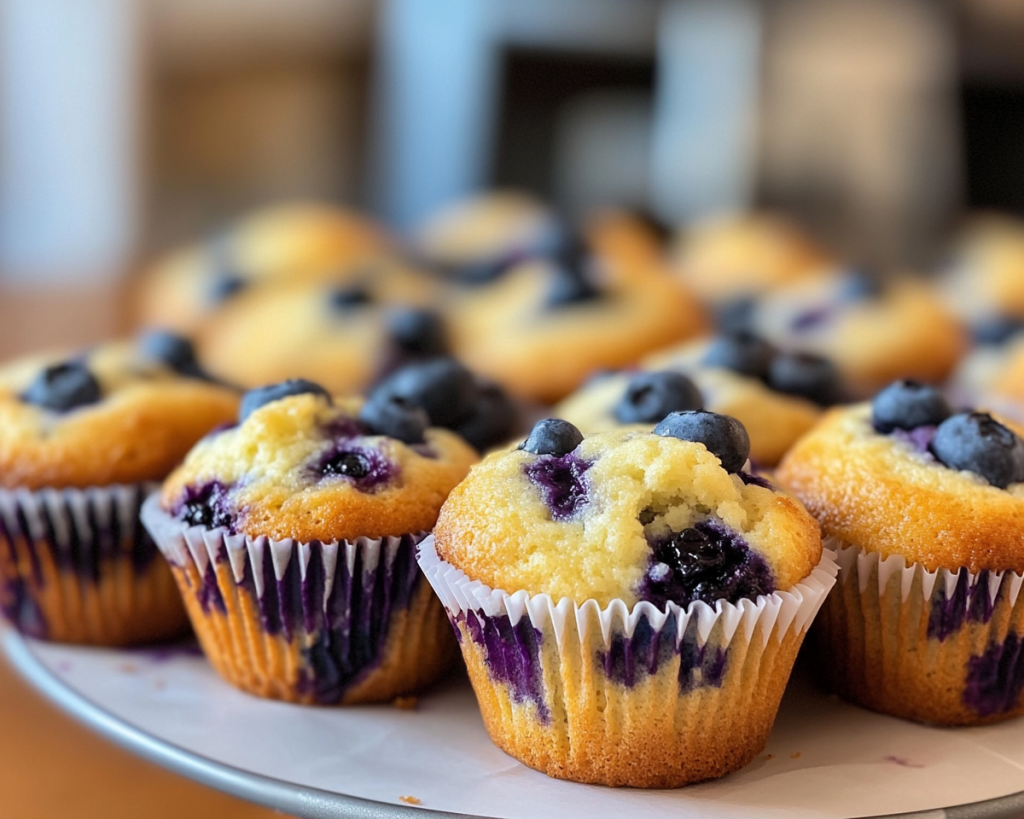
Blueberry muffins are a delightful treat that can elevate your breakfast, brunch, or snack time. Their sweet, juicy blueberries mixed with a tender, fluffy muffin make them hard to resist. If you have dietary restrictions, fear not! This gluten-free blueberry muffin recipe is both easy to prepare and incredibly satisfying, ensuring everyone can enjoy a delicious bite without sacrificing flavor or texture. Let’s dive into the world of gluten-free baking and uncover how you can create the perfect batch of blueberry muffins.
What Are Blueberry Muffins?
Blueberry muffins are moist, sweet, and often slightly tangy due to the addition of fresh or frozen blueberries. These delightful baked goods have a soft, fluffy texture and a golden-brown crust that invites you in for just one more bite. Originating from North America, muffins are often enjoyed as a quick breakfast or snack, and the blueberry variety has become a perennial favorite due to its combination of flavor and health benefits.
When baked correctly, gluten-free blueberry muffins maintain the same homely, comforting appeal as traditional muffins. They rely on a blend of gluten-free flours to yield a soft interior that holds back the burst of juices from the blueberries. The key to achieving this lies in using the right mixture of ingredients, especially when substituting gluten-free options for wheat-based ones. In this recipe, you’ll find a mix of gluten-free flour, natural sweeteners, and wholesome ingredients that allow you to indulge without the gluten.
Why You’ll Love These Gluten-Free Blueberry Muffins
There are countless reasons to fall in love with this gluten-free blueberry muffin recipe. First and foremost, the taste is simply outstanding. Expect juicy bursts of blueberries paired with a tender, sweet muffin base that will encourage second helpings. Whether you’re diving into one with your morning coffee or enjoying them as an afternoon snack, these muffins never disappoint.
This recipe is also incredibly easy to make, making it perfect for busy parents or beginners in the kitchen. With minimal prep time and straightforward steps, you can whip up a batch in no time, filling your kitchen with the warm aroma of freshly baked goods. Moreover, using gluten-free flour means you won’t have to spend a fortune on special ingredients; many grocery stores carry these alternatives at reasonable prices.
One common misconception about gluten-free baking is that the end result is dry or crumbly. However, this recipe ensures that you achieve a moist muffin with the ideal crumb structure. Don’t be surprised if you find yourself making these muffins a regular part of your meal prep or special occasions—a delicious and nutritious option like this is hard to resist.
Ingredients You’ll Need
To create your gluten-free blueberry muffins, gather the following ingredients:
– 1 ½ cups gluten-free all-purpose flour
– ½ cup granulated sugar
– ½ cup brown sugar (packed)
– 2 teaspoons baking powder
– ½ teaspoon baking soda
– ½ teaspoon salt
– ½ cup unsweetened applesauce
– 2 large eggs
– ½ cup milk (dairy or non-dairy)
– ⅓ cup vegetable oil (or melted coconut oil)
– 1 cup fresh or frozen blueberries (preferably wild blueberries)
Each ingredient plays a specific role in achieving the perfect muffins. The gluten-free all-purpose flour serves as the base, mimicking the characteristics of regular wheat flour. The sugars not only provide sweetness but also help in achieving that golden brown color. Baking powder and baking soda act as leavening agents, ensuring the muffins rise properly, while salt enhances all the flavors.
The applesauce is crucial in maintaining moisture and replaces the need for additional fats, contributing to a healthier muffin. Eggs bind the ingredients together, while milk adds creaminess to the mix. Lastly, blueberries offer a burst of flavor and nutrition, packed with antioxidants.
How to Make Gluten-Free Blueberry Muffins
Get ready to dive into the step-by-step process of creating your scrumptious gluten-free blueberry muffins!
1. **Preheat Your Oven**: Start by preheating your oven to 350°F (175°C). This step is essential as it ensures your muffins will rise perfectly.
2. **Prepare Your Muffin Tin**: Line your muffin tin with paper liners or lightly grease each cup with oil or a non-stick spray. This prevents the muffins from sticking and allows for easy removal.
3. **Mix the Dry Ingredients**: In a large mixing bowl, whisk together your gluten-free all-purpose flour, granulated sugar, brown sugar, baking powder, baking soda, and salt until there are no lumps. Make sure the mixture is well combined to ensure even distribution of the leavening agents.
4. **Combine the Wet Ingredients**: In another bowl, combine the applesauce, eggs, milk, and vegetable oil. Whisk these ingredients together until you achieve a smooth mixture. The health benefits of applesauce mean you can enjoy a moist muffin without excessive fat.
5. **Combine Wet and Dry Mixtures**: Pour the wet ingredients into the dry mixture, and gently stir with a spatula or wooden spoon until just combined. Avoid overmixing as this can lead to dense muffins, which no one wants!
6. **Fold in the Blueberries**: Gently fold in your blueberries, being careful not to break them apart. If you’re using frozen blueberries, there’s no need to thaw them; just toss them in directly—this helps prevent them from bleeding into the batter.
7. **Fill the Muffin Cups**: Divide the batter evenly among the prepared muffin cups. Filling them about three-quarters full allows room for rising—try to resist the urge to overfill!
8. **Bake to Perfection**: Place the muffin tin in the preheated oven and bake for 18-22 minutes, or until the muffins are golden brown on top and a toothpick inserted into the center comes out clean. Keep an eye on them as they bake!
9. **Cool the Muffins**: Remove the muffins from the oven and let them cool in the tin for about five minutes. This allows them to firm up before transferring them to a wire rack. Cooling on a wire rack prevents moisture buildup underneath the muffins.
10. **Enjoy!**: After the muffins have cooled enough to handle, enjoy them warm or at room temperature. You can savor them plain or spread a dollop of butter or cream cheese for an extra indulgence.
5 Variations & Substitutions
1. **Vegan Blueberry Muffins**: To create a vegan version, simply replace the eggs with flax eggs (1 tablespoon ground flaxseed mixed with 2.5 tablespoons of water for each egg, let sit until thickened) and use a plant-based milk such as almond, oat, or soy.
2. **Lemon Blueberry Muffins**: Add the zest of one lemon to your wet mixture for a bright, refreshing flavor that complements the blueberries beautifully. A touch of lemon juice can also be added to heighten the citrus flavor.
3. **Coconut Blueberry Muffins**: Incorporate shredded unsweetened coconut into the batter (about 1/2 cup) to give your muffins a chewy texture and tropical twist. Coconut extract may also enhance the flavor profile.
4. **Chocolate Chip Blueberry Muffins**: Add in mini chocolate chips along with the blueberries for an indulgent treat. The richness of chocolate balances well with the tangy sweetness of the blueberries.
5. **Nutty Blueberry Muffins**: Stir in chopped walnuts or pecans into the batter for added crunch and nutrition. Nuts not only provide a delicious texture but also contribute healthy fats to the muffins.
Common Mistakes to Avoid
1. **Overmixing the Batter**: One of the biggest mistakes in muffin-making is overmixing, which can lead to tough muffins. Be gentle and mix until just combined to maintain a light texture.
2. **Incorrect Oven Temperature**: Ensure your oven is properly preheated. An oven that’s too cool can lead to dense muffins, while one that’s too hot can cause the tops to brown too quickly while leaving the centers undercooked.
3. **Skipping the Cooling Step**: While it’s tempting to dig into warm muffins immediately, letting them cool in the pan ensures they won’t fall apart. This makes for an easier and more enjoyable eating experience.
4. **Ignoring Ingredient Temperature**: For the best results, make sure your milk and eggs are at room temperature. Cold ingredients can separate or cause uneven baking.
5. **Not Using Enough Blueberries**: It can be easy to skimp on the blueberries, but don’t be afraid to pack them in! The juicy bursts of blueberries are what make these muffins extra special, so add an ample amount.
Storage, Freezing & Reheating Tips
To store your gluten-free blueberry muffins, keep them in an airtight container at room temperature for up to three days. If you live in a particularly warm or humid climate, refrigeration is a good idea to extend their freshness, but be aware that refrigerated muffins might dry out quicker.
For long-term storage, you can freeze the muffins. Simply allow them to cool completely, then wrap each muffin in plastic wrap or aluminum foil. Place them in an airtight freezer bag or container and store them in the freezer for up to three months. When you’re ready to enjoy them again, thaw them in the refrigerator overnight or microwave them for a few seconds until warmed through.
Reheating muffins is a breeze! Place them in a warm oven at 350°F (175°C) for about 5-10 minutes until heated through, or you can use a microwave for 20-30 seconds, keeping in mind that the microwave may lead to a slightly softer texture.
Frequently Asked Questions
1. **Can I use frozen blueberries instead of fresh ones?**
Absolutely! Frozen blueberries work perfectly in this recipe. They can be added directly to the batter without thawing. Just be cautious, as they may cause the batter to turn slightly purple, but the muffins will still taste amazing.
2. **How can I make these blueberry muffins sugar-free?**
To make sugar-free muffins, you can substitute the sugars with natural sweeteners like stevia, monk fruit, or erythritol. It’s essential to check conversion ratios as different sweeteners have varying levels of sweetness.
3. **What’s the best gluten-free flour to use?**
A certified gluten-free all-purpose flour blend typically contains a mix of rice flour, tapioca flour, and potato starch, which can mimic the properties of wheat flour. Brands like Bob’s Red Mill or King Arthur Flour have reliable options.
4. **Can I substitute almond milk for regular milk?**
Definitely! Almond milk or any plant-based milk (like soy, oat, or coconut milk) can easily replace regular milk in this recipe without altering the texture significantly. Just ensure your substitute is unsweetened for best results.
5. **How do I know when the muffins are done baking?**
Use the toothpick test! Insert a toothpick into the center of one of the muffins—if it comes out clean or with a few moist crumbs, then your muffins are ready. If it’s wet with batter, give them a few more minutes in the oven.
In conclusion, gluten-free blueberry muffins are a fantastic option for anyone looking to indulge in a sweet treat while adhering to dietary restrictions. The simplicity of the recipe makes it approachable for home cooks of all levels, and the flavor is undeniably delightful. Remember, baking is about experimenting and finding what works best for your preferences, so don’t hesitate to customize this recipe to fit your needs.
Give these gluten-free blueberry muffins a try; you won’t be disappointed! Whether you’re preparing for a busy week, hosting family, or simply looking for a delicious snack, these muffins are a must-bake. Share them with friends or savor them alone—your choice! Happy baking!