Prep time: 20 minutes
Cook time: 1 hour 30 minutes
Total time: 1 hour 50 minutes
Servings: 8
When it comes to hearty and flavorful meals, nothing beats a beautifully roasted leg of lamb. This dish is not just a showstopper for celebrations; it’s also a reliable choice for a cozy family dinner. The succulent meat, infused with aromatic herbs and spices, creates a dining experience that elevates any occasion. Get ready to impress your guests, or simply indulge in a comforting meal with your loved ones.
What Is Best Roasted Leg of Lamb?
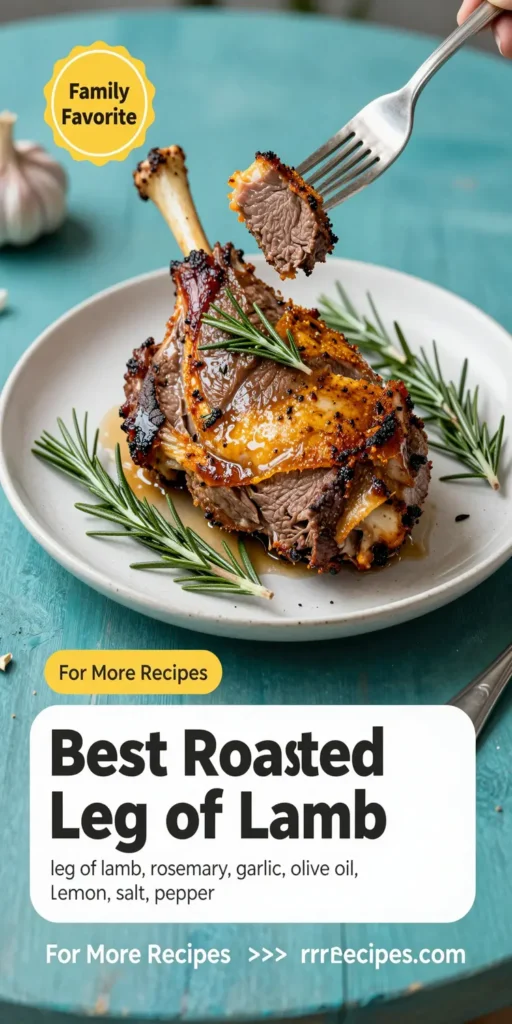
Roasted leg of lamb is a classic dish that showcases tender, juicy meat, typically seasoned with garlic, rosemary, and often a splash of red wine. The leg is typically bone-in, which adds extra flavor during the cooking process. By slow-roasting it in the oven, the outside develops a crispy crust while the inside remains moist and soft. This cooking method helps to render the meat flavorful and aromatic, making every bite a delicious experience. It’s often served with sides like roasted vegetables or creamy mashed potatoes, soaking up the juicy flavors of the lamb.
Why You’ll Love This
There are countless reasons to love this recipe. Firstly, the **elegant presentation** makes it perfect for special occasions like holidays or birthdays, but it’s also simple enough to whip up on a Sunday. The **versatility** of the dish allows you to customize the seasonings and serving style according to your family’s preferences. Besides, it’s a great way to enjoy a **family-friendly and nutritious** meal. Packed with protein and essential nutrients, lamb is an excellent choice for maintaining a balanced diet. Additionally, the cooking process fills your kitchen with irresistible aromas that will make your mouth water long before the meal is served.
Ingredients You’ll Need
Here are the key ingredients required for preparing the Best Roasted Leg of Lamb:
- Leg of lamb (bone-in, about 4-5 pounds): The main ingredient, selected for tenderness and flavor.
- Garlic (6 cloves, minced): Adds depth and a wonderful aroma.
- Fresh rosemary (2 tablespoons, chopped): Herbaceous notes to complement the meat.
- Fresh thyme (1 tablespoon, chopped): Another herb that enhances the savory flavors.
- Olive oil (1/4 cup): To help the seasonings adhere and to promote browning.
- Salt (1 tablespoon): Essential for enhancing the natural flavors.
- Pepper (1 teaspoon): For a bit of heat and flavor.
- Red wine (1 cup): Adds richness and complexity to the sauce.
- Vegetables (carrots, potatoes, onions): For roasting alongside the lamb, these make a complete meal.
How to Make
Follow these steps for the perfect roasted leg of lamb:
- Preheat the oven: Begin by preheating your oven to 350°F (175°C). This ensures that the lamb cooks evenly and reaches the desired doneness.
- Prepare the herb mixture: In a bowl, combine minced garlic, chopped rosemary, thyme, olive oil, salt, and pepper. Mix well to form a flavorful paste.
- Season the lamb: Rub the herb mixture all over the lamb leg. Make sure to get it in all the nooks and crannies for maximum flavor. Let it marinate for at least 30 minutes, or even overnight in the refrigerator for more intensity.
- Prepare vegetables: While the meat is marinating, prep your vegetables. Cut them into uniform pieces and place them in a roasting pan. Drizzle with a little olive oil and season with salt and pepper.
- Place lamb in the oven: Position the seasoned leg of lamb on top of the vegetables in the roasting pan. Pour red wine around the lamb, which will help to create a flavorful sauce.
- Roast the lamb: Roast in the preheated oven for about 1 hour and 30 minutes, or until the internal temperature reaches 145°F (medium-rare). Baste with the pan juices every 30 minutes for added moisture and flavor.
- Rest before serving: Once done, remove the lamb from the oven and let it rest for 15-20 minutes before slicing. This helps to redistribute the juices, making the meat more tender.
- Serve: Slice the lamb against the grain and serve it with the roasted vegetables and the collected pan juices. Enjoy!
Variations & Substitutions
Herb Crusted Leg of Lamb: If you want to switch things up a bit, try using a different herb mix. Consider using a combination of parsley, oregano, and dill for a Mediterranean twist. The fresh herbs can elevate the dish to new flavor heights, while maintaining that classic flavor profile.
Spicy Moroccan Leg of Lamb: For those who enjoy a bit of heat, consider rubing on a mix of cumin, coriander, paprika, and cayenne pepper. A dash of cinnamon can also be added for warmth. This deliciously unique flavor profile works perfectly with the lamb’s natural richness.
Garlic and Mustard Leg of Lamb: Another variation includes creating a paste with Dijon mustard mixed with minced garlic and herbs. This will give the lamb a zesty kick and a beautifully caramelized crust when roasted. The mustard does an excellent job of tenderizing the meat while it cooks.
Common Mistakes to Avoid
When making roasted leg of lamb, there are a few common issues to be aware of. Overcooking the lamb can lead to dry and tough meat. Use a meat thermometer to monitor the internal temperature closely. Another mistake is not letting the lamb rest after roasting; this can lead to juices running out, resulting in a dry meal. Lastly, skimming the fat from the pan-juices can result in flavorless gravy. Use the fat to your advantage by incorporating it into your sauce or pour it over the vegetables before serving.
Storage, Freezing & Reheating Tips
For any leftovers, it’s essential to follow proper storage guidelines. You can store the **cooked lamb** in an airtight container in the refrigerator for up to three days. If you want to keep it longer, consider slicing the lamb and freezing it. Wrapped tightly, it can last for about six months. When reheating, make sure to do it gently in the oven at a low heat so the meat remains tender. Adding a splash of broth or water to the container helps maintain moisture during reheating.
Frequently Asked Questions
Can I use a boneless leg of lamb for this recipe?
Yes, you can use a boneless leg of lamb. It will reduce the cooking time slightly, so make sure to check the internal temperature to avoid overcooking.
What should I serve with roasted lamb?
Popular sides for roasted lamb include roasted vegetables, mashed potatoes, or a fresh salad. You could also serve it with a mint sauce for a traditional touch.
How can I tell when the lamb is done?
The best way to determine the doneness of lamb is to use a meat thermometer. For medium-rare, aim for an internal temperature of 145°F, and for medium, it should reach about 160°F.
Is lamb safe to eat medium or medium-rare?
Yes, lamb can be safely consumed at medium or medium-rare temperatures. The USDA recommends an internal temperature of 145°F with a three-minute rest for safety.
Can I marinate the lamb overnight?
Absolutely! Marinating the lamb overnight allows for deeper flavor penetration, rendering even more tender meat. Just be sure to keep it in the refrigerator during the marination process.
Conclusion: Roasting a leg of lamb is a rewarding venture that combines ease with elegance. With the right ingredients and careful preparation, you can impress anyone at your table. Whether it’s a special event or a cozy family dinner, this dish is sure to become a new favorite in your home. Enjoy every tender, flavorful bite!