Prep time: 10 minutes
Cook time: 5 minutes
Total time: 15 minutes
Servings: 1 cup
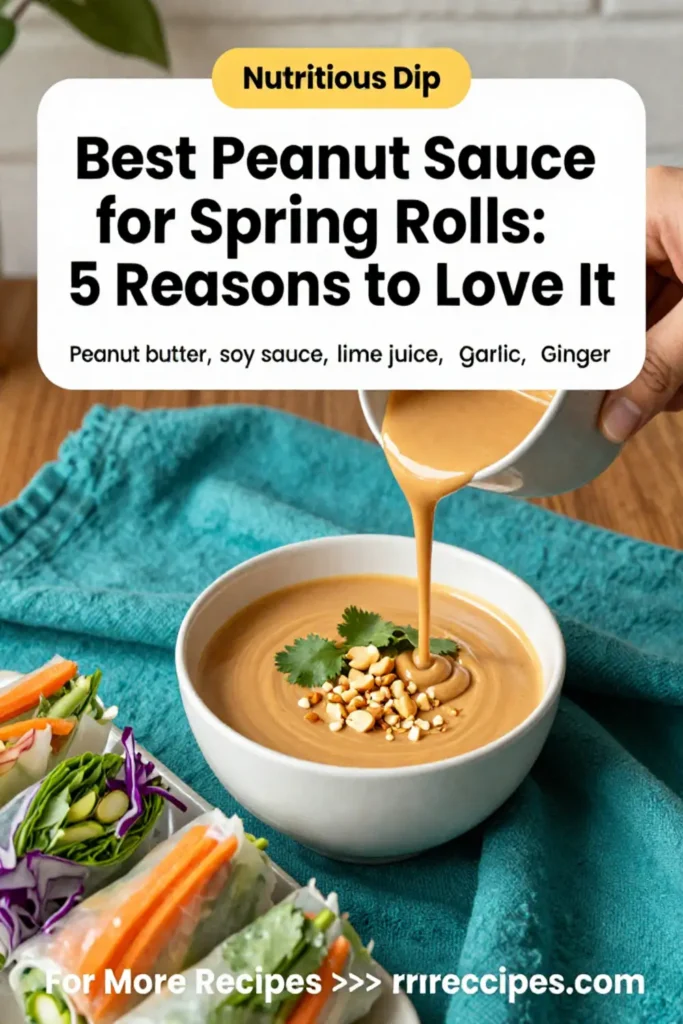
Peanut sauce is a versatile and delicious condiment that can elevate many dishes, particularly when it comes to spring rolls. Today, we’re diving deep into the world of peanut sauce and exploring why it’s become a staple for many home cooks.
What Is Best Peanut Sauce for Spring Rolls: 5 Reasons to Love It?
Peanut sauce is a creamy, savory mixture made primarily with peanut butter, soy sauce, and other complementary flavors. Whether you’re new to cooking or a seasoned chef, this sauce is an essential component in various dishes, especially for fresh spring rolls. It’s not only easy to make but also packed with flavor and health benefits. Below are five compelling reasons to love this peanut sauce:
1. **Delicious Flavor**: The combination of peanut butter, soy sauce, and lime juice creates a balance of savory, sweet, and tangy notes, making it a delightful dip or dressing.
2. **Quick & Easy**: This recipe can be whipped up in less than 15 minutes, allowing it to fit seamlessly into your busy schedule.
3. **Nutritious**: Peanut butter is loaded with protein and healthy fats, making this sauce a smarter choice for dipping.
4. **Versatile Usage**: Beyond spring rolls, you can use peanut sauce with grilled meats, salads, or as a sauce for stir-fried vegetables.
5. **Customizable**: Adjust the spiciness, creaminess, or tanginess to suit your personal taste, making it easy to experiment with.
Why You’ll Love This
Peanut sauce goes beyond just being a great dip; it can also enhance your meals with delightful flavors. This sauce is particularly fantastic for busy parents looking to implement quick, nutritious meals that kids will love. The ease of preparing peanut sauce empowers kitchen beginners to whip up something extraordinary without breaking a sweat.
With variations in spiciness and texture, this sauce can seamlessly adapt to your family’s preferences. Pour it over grilled chicken, use it in a salad dressing, or pair it with your favorite spring rolls—its versatility knows no bounds, ensuring there’s something for everyone at the table.
Ingredients You’ll Need
To create the best peanut sauce for spring rolls, gather the following ingredients:
- 1/2 cup peanut butter: The foundation for your sauce, creamy or crunchy options both work well. It provides richness and depth of flavor.
- 2 tablespoons soy sauce: Adds saltiness and umami. Use low-sodium soy for a healthier option.
- 1 tablespoon lime juice: Brightens the sauce and adds a refreshing zing. Freshly squeezed is always best.
- 1 tablespoon honey or maple syrup: Gives the sauce a touch of sweetness, balancing the savory elements.
- 1/2 teaspoon garlic powder: Adds a warm, savory depth. Fresh minced garlic can also be used for a stronger flavor.
- 1 teaspoon chili paste or sriracha (optional): For a spicy kick, adjust according to your heat preference.
- Water: To thin the sauce to your desired consistency. Start with a tablespoon and add more as needed.
How to Make
Making peanut sauce is straightforward. Follow these steps for a tasty dip:
- Start by measuring out your 1/2 cup peanut butter into a mixing bowl. If you prefer a smoother sauce, use creamy peanut butter; for added texture, opt for crunchy.
- Add 2 tablespoons soy sauce to the bowl, then 1 tablespoon lime juice. The acidity from lime will help balance the richness of the peanut butter.
- Next, mix in 1 tablespoon honey or maple syrup. This ingredient adds sweetness, which is essential for a well-rounded flavor profile.
- For a touch more flavor, sprinkle in 1/2 teaspoon garlic powder. If using fresh garlic, mince it finely to ensure it incorporates well.
- If you love heat, add 1 teaspoon chili paste or sriracha to taste. You can always add more later if you desire additional spiciness.
- Finally, stir your mixture and add water gradually, one tablespoon at a time, mixing until you reach your desired consistency—smooth and creamy.
Variations & Substitutions
Spicy Peanut Sauce: Increase the amount of chili paste or add crushed red pepper flakes for a bolder heat experience. This variation is perfect for those who enjoy a kick in their dipping sauces.
Thai-Style Peanut Sauce: Incorporate coconut milk for a creamier texture and a unique flavor boost. A splash of fish sauce can also add a genuine Thai touch, enhancing the umami profile.
Nut-Free Alternative: If you have allergies, consider using sun butter as a base instead of peanut butter. The flavor profile will be slightly different, but it will still create a delicious sauce.
Low-Calorie Version: Replace peanut butter with Greek yogurt for a lighter option. This will give you a creaminess without the calories, and you can tweak the spices adding garlic or herbs for flavor.
Vegan Peanut Sauce: Use maple syrup instead of honey to keep this sauce entirely vegan, while still providing that sweet balance with the other ingredients.
Common Mistakes to Avoid
One of the most common mistakes is **over-diluting the sauce**. It’s crucial to add water slowly until you reach your desired consistency, as this ensures the flavor remains robust and enjoyable. Another pitfall is **not tasting and adjusting**. Always sample your sauce after mixing; you might need more soy sauce for saltiness or lime juice for acidity.
Also, be cautious with the **amount of garlic** you use. Too much can overpower the sauce. Begin with the recommended amount and adjust according to your taste preferences. Lastly, **don’t hesitate to experiment**. Every kitchen is unique, and substitutions like different sweeteners can lead to exciting variations.
Storage, Freezing & Reheating Tips
Proper storage is essential to maintain the freshness of your peanut sauce. Store it in an airtight container in the refrigerator for up to a week. Make sure to give it a good stir before using, as the ingredients may separate over time.
If you want to prolong your sauce, consider freezing it. Pour the peanut sauce into ice cube trays for single-serving sizes. Once frozen, transfer the cubes to a freezer-safe bag. Thaw in the refrigerator overnight when you’re ready to use it.
When reheating, do so gently over low heat on the stove or in short intervals in the microwave. Add a small amount of water if the consistency has thickened too much after cooling.
Frequently Asked Questions
Can I make peanut sauce ahead of time?
Absolutely! Peanut sauce can be made a few days in advance. The flavors will actually deepen as it sits. Just ensure it is stored in an airtight container in the fridge.
Can I use other nut butters?
Yes, you can easily substitute peanut butter with almond, cashew, or sunflower seed butter. Each one will provide a slightly different flavor, so feel free to experiment based on your taste preferences.
Is peanut sauce healthy?
Peanut butter is high in protein and healthy fats, making this sauce a nutritious option when used in moderation. However, be mindful of your portion sizes, as calories can add up quickly.
What dishes can I pair peanut sauce with?
This sauce is great with spring rolls, grilled shrimp, chicken, salads, and even as a drizzle over stir-fried vegetables. Its versatility makes it a wonderful addition to a variety of meals.
How can I make it spicier?
For an extra kick, consider adding more chili paste, sriracha, or even some chopped fresh chilies. Just remember to add heat gradually according to your palate preferences.
Conclusion:
Peanut sauce is not just a dip; it’s a flavor-boosting powerhouse that can transform your meals. Whether you’re preparing a fresh spring roll or looking for a quick dressing, this recipe for the best peanut sauce is your go-to. Its delightful blend of flavors and easy preparation makes it a favorite for busy cooks everywhere! Enjoy exploring all the possibilities with this classic sauce!