Prep time: 30 minutes
Cook time: 10 minutes
Total time: 40 minutes
Servings: 4
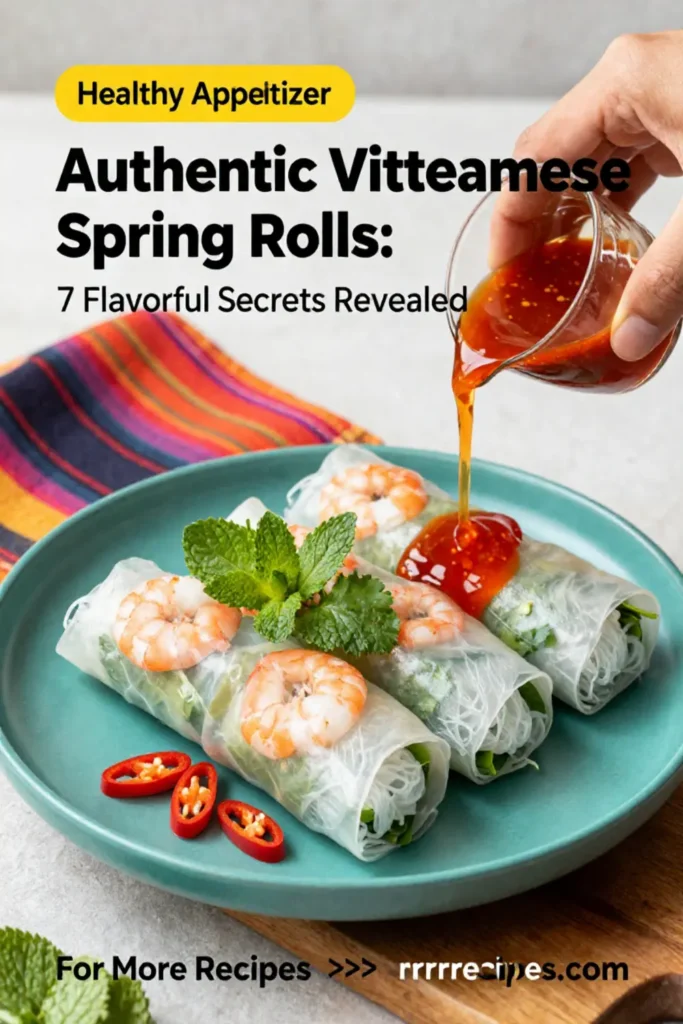
Authentic Vietnamese spring rolls, also known as *Gỏi cuốn*, are a delightful combination of fresh ingredients, vibrant flavors, and a satisfying crunch. These rolls are not only a treat for your taste buds but also a feast for the eyes, showcasing an array of colors and textures. With the right techniques and ingredients, you can create a delicious batch at home that rivals the best restaurants. In this guide, we’ll uncover the seven flavorful secrets to making these rolls authentic and delicious.
What Is Authentic Vietnamese Spring Rolls: 7 Flavorful Secrets Revealed?
Authentic Vietnamese spring rolls consist of rice paper wrapped around a delightful combination of ingredients. The classic filling may include shrimp, pork, vermicelli noodles, herbs, and vegetables. They are typically served fresh rather than fried, making them a popular choice for health-conscious eaters. The wonderful aspect of spring rolls is their versatility, allowing for adaptations based on seasonal ingredients and personal preferences.
One of the essential secrets to achieving the perfect spring roll lies in the choice of ingredients. Furthermore, mastering the rolling technique will ensure your rolls stay intact and presentable. Each component—from the herbs to the dipping sauce—contributes significantly to the overall taste and experience. By following this guide, you’ll learn how to prepare these rolls like a true Vietnamese chef.
Why You’ll Love This
The vibrant flavors, refreshing ingredients, and customizable nature of these rolls make them a favorite among many. The combination of fresh herbs, crunchy vegetables, and protein creates a satisfying dish full of texture. Additionally, they are a healthier alternative to fried snacks, fitting perfectly into a well-balanced diet. Whether serving as an appetizer at a gathering or enjoying them as a light meal, these rolls will surprise and delight.
Creating your spring rolls at home is also much more economical than dining out. With simple ingredients and step-by-step guidance, even kitchen beginners can master the art of rolling. The experience of crafting these rolls can be a fun family activity, engaging everyone in the kitchen.
Ingredients You’ll Need
- Rice papers: Essential for the roll’s thin and chewy texture, usually made from rice flour and water.
- Shrimp: Fresh or cooked shrimp adds protein and flavor; it’s best to use medium-sized shrimp, deveined and shelled.
- Pork: Thinly sliced or ground pork is commonly included, offering a rich and savory note.
- Vermicelli noodles: Rice noodles provide a soft and chewy base that complements the other ingredients well.
- Fresh herbs: Various herbs such as mint, cilantro, and Thai basil elevate the flavor and freshness.
- Vegetables: Crisp romaine or butter lettuce leaves, julienned carrots, and cucumber give crunch and vibrant color.
- Dipping sauce: Typically made from hoisin sauce, peanut butter, and crushed peanuts for a creamy, nutty finish.
How to Make
- Prep all your ingredients by cooking the shrimp and pork. Boil the shrimp until pink and cooked through, and sauté or boil pork until fully cooked. Once done, slice both into thin strips. This preparation not only ensures that everything is ready for rolling but also enhances the freshness of the ingredients.
- Soak the rice noodles in warm water according to the package instructions. Drain and set aside. The noodles should be soft but not mushy, providing the perfect texture to fill your rolls. They add a delightful chewiness that complements other fillings.
- Fill a shallow plate with warm water. Dip one rice paper in the water for about 10-15 seconds until softened but still pliable. Lay the softened paper on a clean surface. This is where the magic happens—your rolling station should be clutter-free and ready for action.
- Layer the filling on the lower third of the rice paper. Start with a couple of shrimp pieces, a small handful of vermicelli, some cucumber, carrots, and a few fresh herbs. Do not overfill; you want a balance of flavors and textures. Each ingredient must complement one another perfectly.
- Fold the sides of the rice paper inward over the filling. Then, starting from the bottom, roll the rice paper tightly around the fillings, like rolling a burrito. The ideal rolling method will secure the ingredients without tearing the wrapper.
- Repeat this process for the remaining rice papers and filling. Arrange the finished rolls on a plate, keeping them covered with a damp cloth to prevent drying out. The rolls should be beautiful, colorful, and showcasing the fillings within.
Variations & Substitutions
Vegetarian Spring Rolls: For a meatless option, replace shrimp and pork with tofu, tempeh, or additional vegetables such as bell peppers and zucchini. Tofu should be marinated to add flavor, and crisp vegetables provide a satisfying crunch. This version offers a fresh twist, ensuring everyone can enjoy these tasty rolls.
Spicy Spring Rolls: Adding a touch of spice can elevate your spring rolls. Incorporate sliced jalapeños or spicy chili paste into the filling. Pair with a spicy dipping sauce made from sriracha to kick up the flavor. This variation caters to those who enjoy a little heat in their dishes.
Fruit & Nut Spring Rolls: For a sweet treat, fill rice papers with seasonal fruits like mango, strawberries, and bananas. Combine with crushed nuts like peanuts or almonds for crunch. Serve these sweet rolls with a honey or yogurt dipping sauce, perfect for dessert or a healthful snack.
Common Mistakes to Avoid
When making spring rolls, one common mistake is **overstuffing**. It might seem tempting to add as many fillings as possible, but this can lead to torn rice papers and an unappetizing presentation. It’s essential to maintain balance in your filling to ensure the rolls are manageable and beautiful.
Another issue is **not properly softening the rice paper**. If you don’t soak the sheets enough, they may crumble, ruining your roll. Conversely, soaking too long can lead to a mushy texture. Always strive for that sweet spot of softness.
Lastly, don’t overlook the **dipping sauce**. A bland or poorly balanced sauce can detract from the fresh flavors of the rolls. Spend some time perfecting your sauce, ensuring it has the right sweetness and acidity to complement the rolls.
Storage, Freezing & Reheating Tips
If you have leftover spring rolls, store them in an airtight container in the refrigerator for up to two days. To prevent the rolls from drying out, consider placing damp paper towels around them or layering them with parchment paper. They are best enjoyed fresh, but proper storage can keep them tasty for a short period.
If you plan to freeze them, ensure they are tightly wrapped in plastic wrap and placed in a freezer-safe container. When ready to eat, thaw them in the refrigerator and enjoy cold or at room temperature.
Reheating spring rolls is not recommended as their texture changes and they may lose their freshness. They are best served fresh from the rolling process, maintaining their crisp and chewy quality.
Frequently Asked Questions
Can I make spring rolls ahead of time?
Yes, spring rolls can be made in advance, but they are best enjoyed fresh. If preparing in advance, store them properly in an airtight container with damp paper towels between layers to maintain moisture without making them soggy.
Are rice paper and spring roll wrappers the same?
No, rice paper is specifically made from rice flour and water, resulting in a soft, chewy texture ideal for fresh rolls. In contrast, spring roll wrappers are typically made from wheat flour, leading to a different texture when cooked, often used for fried spring rolls.
What is the best way to serve spring rolls?
Spring rolls should be served chilled or at room temperature alongside a dipping sauce. Popular selections include peanut sauce, hoisin sauce, or a bright, tangy lime dipping sauce. A beautiful presentation on a platter with greenery enhances the dining experience.
Can I use frozen shrimp for spring rolls?
Yes, frozen shrimp can be used effectively in spring rolls as long as they are thawed and cooked properly. Head to your local market and procure them in advance, ensuring they are cleaned and deveined appropriately. The flavors will blend seamlessly with your ingredients.
Are spring rolls gluten-free?
Yes, authentic Vietnamese spring rolls made with rice paper are naturally gluten-free. However, double-check any additional ingredients like sauces or condiments, as they may contain gluten. Offering a gluten-free appetizing option, they are friendly to various dietary needs.
Conclusion: Making authentic Vietnamese spring rolls at home is a rewarding and delicious endeavor. By following our secrets and tips, you can create vibrant, fresh, and satisfying rolls that are bound to impress your family and friends. Embrace the experience, play with ingredients, and enjoy the art of rolling!