Prep time: 30 minutes
Cook time: 20 minutes
Total time: 50 minutes
Servings: 4
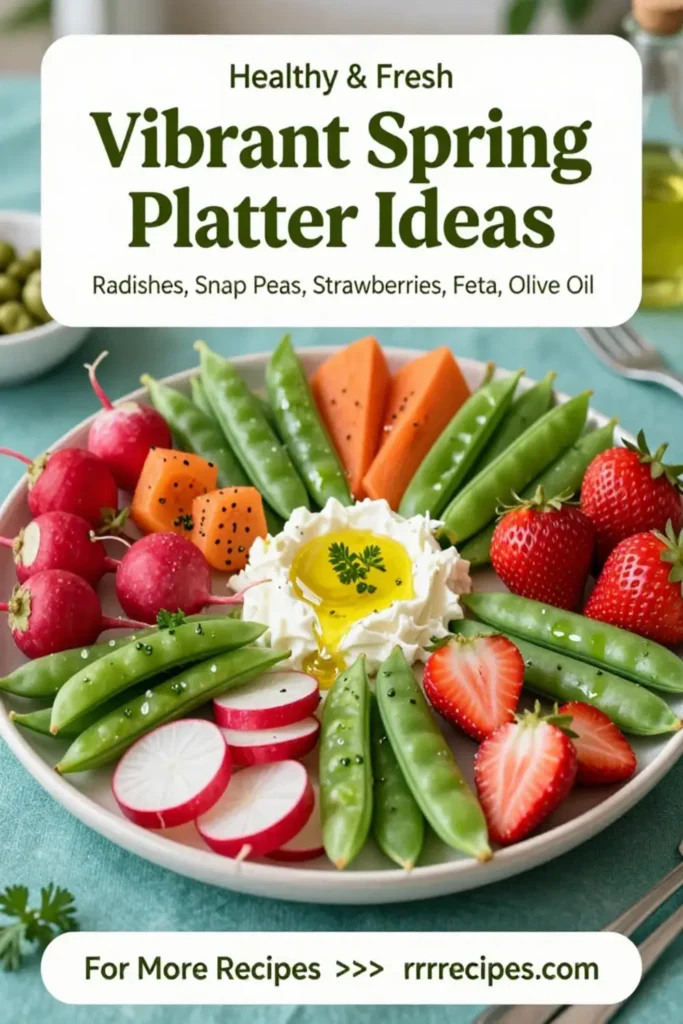
Spring is a beautiful season, celebrated for its vibrant colors and fresh flavors. As the earth awakens from its winter slumber, it’s the perfect time to enjoy the bounties of seasonal produce. This collection of **5 Vibrant Spring Platter Ideas to Celebrate Freshness** not only showcases the beauty of the season but also offers simplicity and variety, making it an ideal choice for gatherings or cozy family dinners.
What Is 5 Vibrant Spring Platter Ideas to Celebrate Freshness?
These Spring Platters are a delightful assortment of fresh vegetables, proteins, grains, and dips, designed to offer a colorful, nutritious, and visually appealing spread. Each platter incorporates seasonal ingredients that not only taste fantastic but also provide a delightful crunch and freshness. They work as perfect centerpieces for brunches, light lunches, or healthy snacks, and can easily adapt to different dietary preferences.
Why You’ll Love This
The best part about these vibrant platters is their versatility. Each platter allows you to mix and match based on your guests’ preferences and dietary restrictions. You’ll find options that cater to meat lovers, vegetarians, and even vegan options seamlessly blended together. Plus, assembling a platter is not only fun and interactive but also minimizes cooking time, making it a hassle-free option for busy parents or those new to cooking. With fresh ingredients and eye-catching designs, these platters will surely impress your guests.
Ingredients You’ll Need
To prepare your vibrant spring platters, gather the following ingredients. Each item contributes to the freshness and flavor of the platters:
- Assorted Fresh Vegetables: Such as bell peppers, cucumbers, carrots, and radishes for a refreshing crunch.
- Cherry Tomatoes: Juicy and full of flavor, they brighten up any platter.
- Hummus: Creamy and nutritious, made from chickpeas, tahini, lemon juice, and garlic.
- Cream Cheese: Smooth and rich for a delightful contrast to the crisp veggies.
- Cooked Quinoa: A wonderful gluten-free grain option that adds texture.
- Olive Oil: For drizzling on grains and veggies to enhance their flavors.
- Fresh Herbs: Such as parsley or basil for garnish and added freshness.
How to Make
1. **Prepare the Ingredients**: Start by washing and slicing your fresh vegetables into bite-sized pieces. Aim for a variety of colors for a more appealing look. Cherry tomatoes can be served whole, while cucumbers and bell peppers can be cut into slices or sticks.
2. **Make the Dips**: For the hummus, blend together canned chickpeas, tahini, fresh lemon juice, olive oil, and garlic until smooth. Adjust the taste with salt and pepper as per your preference. For a cream cheese dip, mix softened cream cheese with herbs, garlic powder, and a bit of lemon juice for zest.
3. **Cook the Quinoa**: Rinse quinoa under cold water and then cook according to package instructions. Generally, the ratio is 1 cup quinoa to 2 cups water. Bring to a boil and then simmer for about 15 minutes. Fluff with a fork and allow it to cool.
4. **Assemble the Platters**: On a large platter or cutting board, begin arranging the fresh vegetables, cooked quinoa, and dips. Create sections for each item, ensuring that every color is represented. Using small bowls for dips can make serving easier.
5. **Add Finishing Touches**: Drizzle olive oil over the quinoa and veggies if desired. Scatter freshly chopped herbs over the top for a burst of color and flavor. This is also the time to add any extra toppings or garnishes.
6. **Serve and Enjoy**: Invite your family or guests to dig in! Providing skewers or toothpicks can make it easy to grab and enjoy the delicious combinations.
Variations & Substitutions
Vegetarian Delight: Swap out the cream cheese for a vegan cream cheese option if you want to accommodate vegan guests. You can also include roasted chickpeas for added protein and crunch.
Mediterranean Spin: Add slices of feta cheese or olives to your platter for a Mediterranean twist. You might also consider adding roasted red peppers or artichoke hearts to complement the fresh vegetables.
Fruit Add-Ons: Include seasonal fruits like strawberries, raspberries, or sliced kiwis to add a sweet component to the platter. They provide a refreshing contrast to the savory items.
Grain-Free Version: For a low-carb or grain-free option, omit the quinoa altogether and replace it with a few different kinds of nuts or seeds for added crunch and healthy fats.
Colorful Dips: Explore different dips like tzatziki (cucumber yogurt dip), baba ghanoush (smoky eggplant dip), or guacamole for a varied flavor profile that will satisfy diverse palates.
Common Mistakes to Avoid
One common mistake is not preparing the vegetables properly. Ensure that you wash them thoroughly and cut them into uniform sizes for a more appealing presentation and easier eating.
Another mistake is skimping on flavor. Don’t forget to season your dips appropriately. A bland dip can dull the vibrancy of the fresh ingredients. Always taste and adjust before serving!
Additionally, arranging the platter too tightly may make it difficult for guests to help themselves. Leave enough space between items to create a visually appealing layout. This not only enhances the presentation but also allows guests to easily pick their favorites.
Storage, Freezing & Reheating Tips
Store leftover vegetables and dips in airtight containers in the refrigerator, where they can last for up to 3 days. Ensure that the dips are securely sealed to maintain their freshness. If you plan to assemble the platter ahead of time, keep the vegetables separate from the dips. This prevents the vegetables from becoming soggy.
If you have cooked quinoa leftover, it can be stored in a separate container and added back into the platter during the next serving. Quinoa is great for reheating in the microwave or on a stovetop with a splash of water to return it to its original texture.
Most of the vegetables used in the platter can be enjoyed cold, so you don’t necessarily need to reheat. However, if you wish to serve them warm, a quick sauté or steam can refresh their flavors.
Frequently Asked Questions
Can I use frozen vegetables instead of fresh?
While you can use frozen vegetables, it’s highly recommended to choose fresh ones for this platter. Fresh vegetables not only provide better texture and taste but also enhance the overall presentation. If you do use frozen vegetables, ensure they are well-thawed and drained to avoid excess moisture.
How can I make this platter more filling?
To make your platter more filling, consider adding protein options like grilled chicken, boiled eggs, or roasted tofu. These ingredients can add substance while maintaining the vibrant, fresh aspect of the dish.
What is the best way to serve these platters for a large gathering?
For larger gatherings, consider creating multiple platters with various ingredients to cater to a wider range of preferences. A buffet-style setup allows guests to serve themselves and encourages interaction. Be sure to label any possible allergens clearly.
Can these platters be prepared in advance?
Absolutely! You can prep the ingredients and dips a day in advance. Just store everything in airtight containers in the refrigerator and assemble the platter right before serving to ensure that everything looks fresh and appetizing.
What are some other dips I can include in my platter?
Other than hummus and cream cheese, consider adding guacamole, salsa, or tzatziki (Greek yogurt based) as great additions. These dips can provide different flavor profiles and satisfy diverse palates.
Conclusion: Embrace the freshness of spring with these vibrant platters that highlight the best of the season. Each idea allows for customization and creativity, ensuring you’ll impress everyone at your next gathering. So gather your colorful ingredients, get inspired, and create a feast that celebrates the beauty of spring!