Prep time: 30 minutes
Cook time: 10 minutes
Total time: 40 minutes
Servings: 12 spring rolls
Are you ready to elevate your spring roll game? Making your own homemade spring roll wrappers can sound daunting, but I promise it’s a rewarding adventure that is well worth the effort. Not only do they taste fresher and more flavorful than store-bought varieties, but you also have complete control over the ingredients. Let’s dive right into why you’ll love making your own spring roll wrappers.
What Is 5 Reasons to Love Homemade Spring Roll Wrappers?
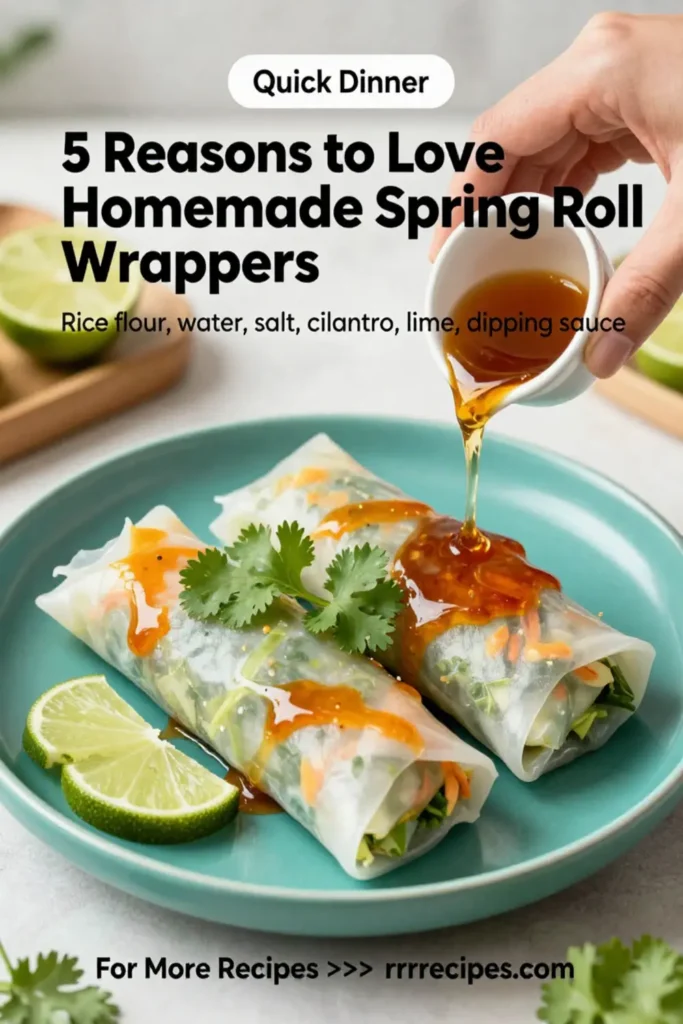
Homemade spring roll wrappers are thin, delicate sheets of dough that can be filled with an array of delicious ingredients. From fresh vegetables to meats and seafood, these wrappers are versatile and customizable to your taste. This recipe showcases five compelling reasons to love these creations: they are healthier, tastier, budget-friendly, customizable, and provide a fun cooking experience for everyone involved.
Why You’ll Love This
One reason you’ll fall head over heels for homemade spring roll wrappers is the freshness factor. When you make them at home, you ensure that your wrappers are crafted from the finest ingredients without any preservatives, enhancing both taste and nutritional value. Picture yourself pulling a fresh roll from a plate and biting into it—crispy, light, and bursting with flavor. Additionally, the ability to customize the thickness and flavor allows you to innovate and create unique dishes that suit your palate. It’s especially advantageous for busy parents or kitchen beginners who want their families to enjoy wholesome meals.
Ingredients You’ll Need
Here’s what you’ll need to create the perfect batch of homemade spring roll wrappers:
- 1 cup all-purpose flour: This is the foundation of your wrapper, providing structure and elasticity.
- ½ cup water: The water hydrates the flour, turning it into a pliable dough.
- ¼ teaspoon salt: Salt enhances flavor and brings all the ingredients together.
- 1 tablespoon cornstarch: This helps crisp up the wrappers when cooked.
- 1 teaspoon vegetable oil: This adds moisture and richness to the dough.

How to Make
Creating your homemade spring roll wrappers involves a series of straightforward steps:
- Combine the ingredients: In a mixing bowl, combine the flour, cornstarch, and salt. Gradually add water while stirring until a dough forms. The consistency should be smooth and not too sticky. If it feels tacky, dust it lightly with flour.
- Knead the dough: Turn the dough out onto a floured surface and knead it for about 5 minutes. You want the dough to be elastic and smooth. This process is essential for achieving that perfect, thin texture.
- Rest the dough: Cover the dough with a damp cloth and let it rest for 20 minutes. This allows the gluten to relax, making it easier to roll out.
- Roll out the wrappers: Divide the dough into small balls, about the size of a golf ball. Take one ball and roll it out on a floured surface as thin as possible. Aim for a circular shape to ensure even cooking.
- Cook the wrappers: Heat a non-stick pan over medium heat. Place a rolled-out wrapper in the pan for about 30 seconds on each side until it is slightly translucent. Don’t overcook; otherwise, they can become brittle. Transfer the cooked wrapper to a plate and cover it with a damp paper towel.
- Repeat: Continue rolling and cooking the remaining dough balls, stacking the finished wrappers with the damp towel in between to keep them moist.
Variations & Substitutions
Carrot and Cabbage Spring Rolls: Instead of traditional fillings, consider using finely grated carrots and shredded cabbage for a colorful and crunchy filling. Sauté these in a pan with a dab of sesame oil for added flavor. Add a splash of soy sauce for an umami kick.
Shrimp and Avocado Spring Rolls: Why not mix it up by using shrimp and ripe avocados? The flavors blend beautifully! Just quickly sauté the shrimp with garlic and lime juice, then combine with sliced avocado for a creamy texture.
Herbed Tofu Spring Rolls: For a vegetarian twist, try using marinated and roasted tofu mixed with fresh herbs like cilantro and mint. These ingredients will offer vibrant flavors that make your rolls a delight.
Spicy Chicken Spring Rolls: For those who enjoy a kick, mix minced chicken with chili sauce and other spices like ginger and garlic. This filling can be sautéed and used as a delicious spicy version.
Mixed Vegetable Spring Rolls: Combine whatever vegetables you have on hand (bell peppers, sprouts, cucumbers, etc.). This is a perfect option for meal prepping and can be a great way to clean out your fridge before shopping.
Common Mistakes to Avoid
One common mistake is not rolling the dough thin enough. If the wrappers are too thick, they’ll come out chewy rather than crispy. Make sure you use enough flour and roll them out as thinly as possible.
Another issue people face is overcooking the wrappers. Overcooked wrappers can become hard and difficult to roll. Each wrapper should be cooked just until they are translucent but still soft.
Lastly, not covering the wrappers after cooking can lead to them drying out. Keep a damp cloth or paper towel over them as you work to ensure they remain pliable.
Storage, Freezing & Reheating Tips
If you’re not using all your wrappers right away, feel free to store them. Place cooked wrappers between layers of parchment paper and seal them in an airtight container. They can be kept in the refrigerator for up to a week.
For long-term storage, you can also freeze them. To do this, layer them with parchment paper in an airtight container or Ziplock bag, and they will last for several months in the freezer. When you’re ready to use them, take them out and let them thaw in the refrigerator overnight. Reheat in a non-stick pan for 1–2 minutes until warm.
While reheating, make sure not to add too much heat; otherwise, you risk drying them out. A little sprinkle of water can add moisture back into the wrappers.
Frequently Asked Questions
Can I make the dough in advance?
Absolutely! You can prepare the dough ahead of time. Simply wrap it in plastic wrap and store it in the refrigerator overnight. When you are ready to use it, let it come to room temperature before rolling it out.
Can I use whole wheat flour instead of all-purpose flour?
Yes, whole wheat flour can be used; however, the texture might be slightly denser. It’s worth experimenting to find your favorite flavor and texture for the wrappers.
What can I fill my spring roll wrappers with?
You can essentially fill your spring rolls with any combination of vegetables, proteins, or sauces you enjoy. Popular fillings include shrimp, chicken, tofu, or a cornucopia of vegetables with various dips, such as peanut or hoisin sauce.
How do I know when the wrappers are cooked?
You’ll know the wrappers are cooked when they turn translucent. You want them to be pliable yet not so cooked that they become brittle.
What’s the best way to serve spring rolls?
You can serve spring rolls with various dipping sauces—try peanut sauce, sweet chili sauce, or a simple soy sauce dip. Fresh herbs like basil or mint can also enhance the flavor.
Conclusion:
Making homemade spring roll wrappers may take time and practice, but the results are deliciously rewarding. You’ll appreciate the freshness and customizable options that come with crafting your own wrappers. Remember, cooking at home allows you to create meals tailored to your tastes and health preferences, while also being a fun activity for you and your family. So roll up your sleeves and get ready to enjoy crisp, flavorful spring rolls like never before!