Prep time: 20 minutes
Cook time: 30 minutes
Total time: 50 minutes
Servings: 4
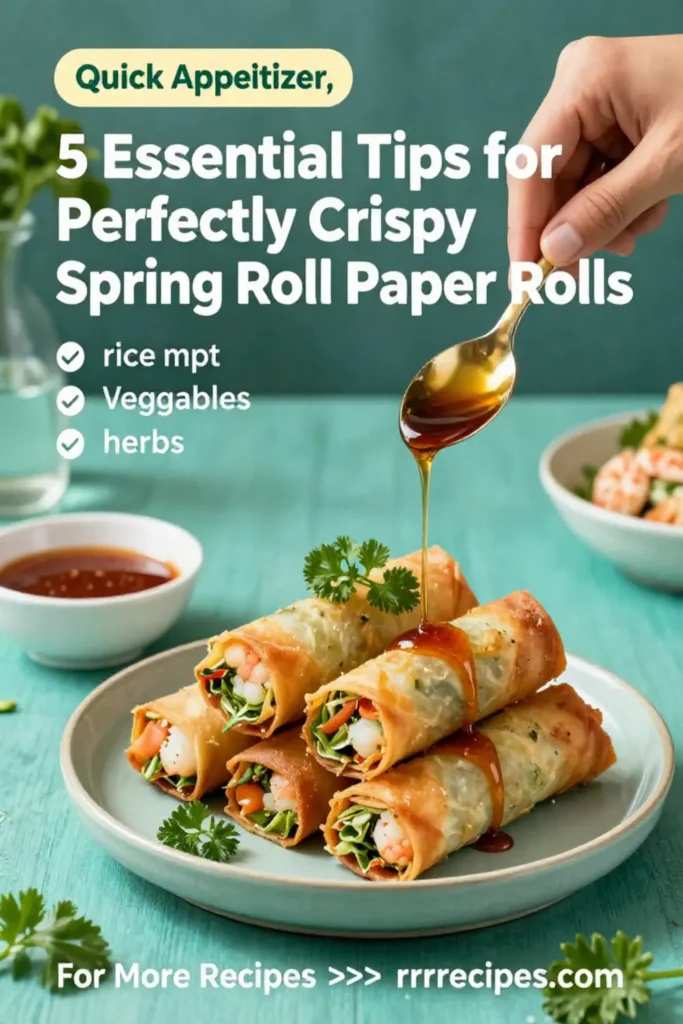
Creating perfectly crispy spring roll paper rolls may seem daunting, but with just a few essential tips, you can achieve that restaurant-quality crunch at home. This guide not only provides step-by-step instructions but also gives insight into common mistakes and ways to enhance your rolls. Whether you’re a busy parent, a kitchen beginner, or someone just wanting to impress guests, these tips will transform your spring roll-making experience.
What Is 5 Essential Tips for Perfectly Crispy Spring Roll Paper Rolls?
Spring roll paper is a delicate surface used to wrap a variety of fillings, typically involving vegetables and proteins. When cooked, these paper rolls can become a delightful crisp addition to any meal. The key lies in the preparation and cooking method. With these tips, you’ll learn how to balance moisture and heat so that your rolls not only taste great but also provide that satisfying crunch.
Why You’ll Love This
There are numerous reasons to love these tips. First, they enhance the flavor and texture of your spring rolls, ensuring a delightful experience with every bite. Secondly, they allow flexibility in filling choices, making it easy to cater to personal preferences or dietary restrictions. Moreover, mastering this skill can not only boost your confidence in the kitchen but also impress family and friends at gatherings. Lastly, learning to make crispy spring rolls empowers you to explore various Asian cuisines right at home.
Ingredients You’ll Need
- Spring Roll Paper: The foundation for your rolls, typically made from rice flour. Choose high-quality brands to ensure they fry up crisp.
- Vegetables: Such as shredded cabbage, carrots, and bell peppers. Fresh vegetables provide crunch and moisture to your spring rolls.
- Protein: Options like shrimp, chicken, or tofu add substance. Cooked and chopped proteins ensure your rolls are satisfying.
- Seasonings: Ingredients like garlic, soy sauce, and ginger enhance flavor. Fresh herbs such as cilantro or mint can also elevate the taste.
- Oil: For frying, choose oils with a high smoke point, such as vegetable or peanut oil, to achieve the best frying results.
How to Make
- Start by preparing your filling. In a large bowl, mix your finely chopped vegetables and protein. Season with soy sauce, minced garlic, and a sprinkle of ginger, combining well. Allow this mixture to sit for about 10 minutes to let the flavors meld.
- While the filling is marinating, pour oil into a deep frying pan or wok. You will need enough oil for the spring rolls to float while frying, typically about 2 inches deep. Heat the oil on medium-high until it reaches around 350°F (175°C).
- Soften the spring roll paper by dipping it quickly in warm water for 5-10 seconds, just until it begins to bend without breaking. Lay it flat on a clean, dry surface.
- Place a spoonful of filling about one-third of the way up from the bottom of the spring roll paper. Fold the bottom over the filling, fold in the sides, and then roll up tightly to encase the filling.
- Repeat this process until all filling is used. As you wrap the rolls, ensure they are sealed tightly to prevent bursting during frying.
- Gently place the spring rolls in the hot oil, frying in batches. Ensure not to crowd the pan, which can lower the oil temperature. Fry until golden brown and crispy, about 3-4 minutes, turning occasionally for even cooking.
Variations & Substitutions
Vegetable-Only Spring Rolls: For a vegetarian option, simply increase the amount of vegetables. Use a vibrant mix of bell peppers, mushrooms, and zucchini for flavor and texture while omitting protein entirely. The crispness of the vegetables tightens as they fry, offering a light and refreshing treat.
Spicy Shrimp Rolls: To add a kick, mix chopped shrimp with a tablespoon of chili sauce and diced jalapeños. The spice level can be adjusted to your preference. Frying at the correct temperature ensures the rolls will remain crispy without absorbing too much oil.
Sweet Dessert Rolls: Swap savory fillings for sweet ones, like bananas or apples with cinnamon and sugar. These dessert spring rolls can be served with a drizzle of honey or chocolate sauce, providing a delightful sweet twist.
Common Mistakes to Avoid
One common mistake is using too much liquid in the filling. Excess moisture will cause sogginess, resulting in less-than-crispy rolls. Ensure your vegetables are well-drained and consider sautéing them briefly to reduce moisture.
Another issue is overcrowding the pan while frying. This can dramatically lower the oil temperature, leading to greasy rather than crispy rolls. Fry in small batches for optimum results.
Lastly, it’s easy to make the filling too tight. Rolling too tightly can lead to bursting during frying. Ensure your rolls are snug but allow some space for expansion during cooking.
Storage, Freezing & Reheating Tips
To store leftover spring rolls, allow them to cool completely, then place them in an airtight container in the refrigerator. They are best consumed within 2-3 days. If you’d like to freeze them, wrap the uncooked rolls tightly in plastic wrap and place them in a freezer bag. They can last up to three months in the freezer. When ready to eat, there’s no need to thaw; simply fry them straight from the freezer, adding a couple of extra minutes to the cooking time.
For reheating fried spring rolls, consider placing them in an air fryer at 350°F (175°C) for 5-7 minutes to regain their crispness. Avoid microwaving, as this will make them soggy.
Frequently Asked Questions
Can I use rice paper instead of spring roll paper?
Yes, you can use rice paper. They are thinner and may require less soaking time. Be careful, as they can tear more easily. Ensure you dry them thoroughly before filling to maintain desired crispiness.
What is the best temperature to fry spring rolls?
The ideal temperature is around 350°F (175°C). This ensures the rolls cook evenly and become nicely golden without absorbing too much oil.
How do I prevent the spring roll paper from tearing?
To prevent tears, avoid soaking the paper too long. A quick dip in warm water is sufficient. Lay them flat without overlapping while preparing to reduce the risk of tearing.
How can I make spring rolls ahead of time?
You can prepare the filling and wrap the rolls in advance. Store them in the refrigerator wrapped tightly to avoid drying out. Fry them just before serving for optimal freshness.
What should I serve with spring rolls?
Spring rolls pair well with various dipping sauces like sweet chili sauce, peanut sauce, or soy sauce. These add an extra layer of flavor and richness to each bite.
Conclusion:
With these five essential tips, you’re well on your way to mastering perfectly crispy spring roll paper rolls at home. Embracing this culinary adventure not only allows creativity in the kitchen but also connects you to a rich cultural tradition. So gather your ingredients, follow the steps, and enjoy the crunchy delights of homemade spring rolls!