Prep time: 20 minutes
Cook time: 10 minutes
Total time: 30 minutes
Servings: 4
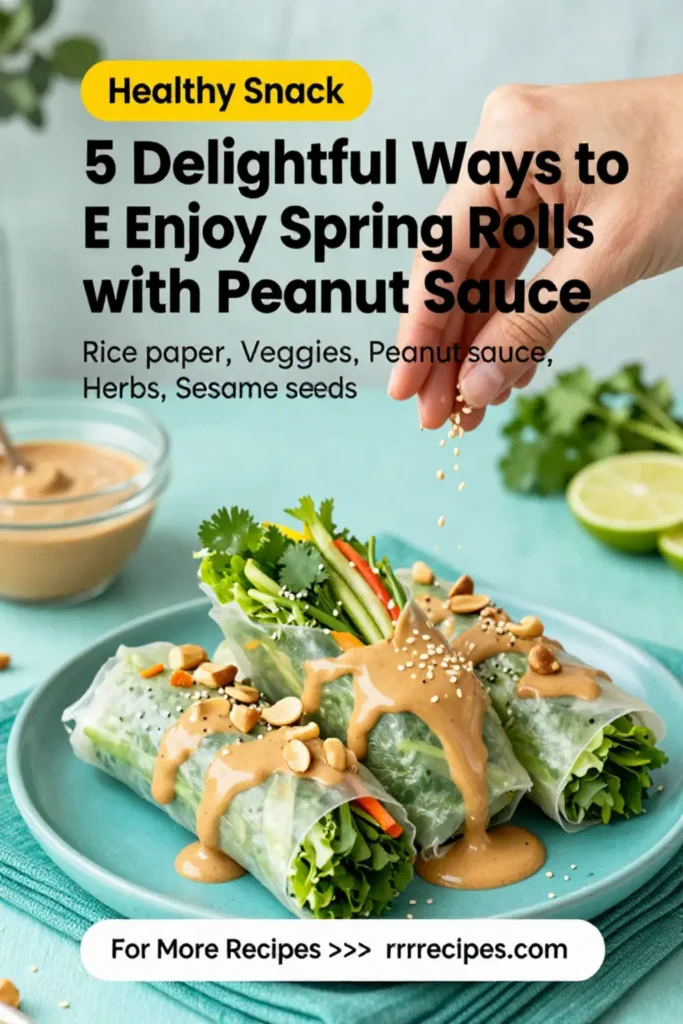
Spring rolls with peanut sauce are a delightful treat that can brighten up any meal. These versatile rolls can be eaten as appetizers, snacks, or even main courses. They are fresh, crunchy, and packed with flavor, making them an excellent choice for light meals or sharing with friends and family. The combination of crisp vegetables, tender noodles, and a rich peanut sauce brings to the table a fusion of textures and flavors that will leave everyone wanting more.
What Is 5 Delightful Ways to Enjoy Spring Rolls with Peanut Sauce?
Spring rolls are a well-loved dish in Asian cuisine. They typically consist of rice paper wrappers filled with a variety of ingredients, which can include vegetables, proteins, and herbs. The addition of peanut sauce elevates these rolls by adding a creamy, savory element that balances the freshness of the ingredients. In this guide, we will explore five delightful ways to enjoy spring rolls with peanut sauce, showcasing variations that can suit any palate.
Why You’ll Love This
You will love these spring rolls not only for their flavor but also for their aesthetic appeal and healthy ingredients. Whether you are a busy parent looking for a quick meal option or someone who enjoys meal prep, these rolls are adaptable and can be customized to fit varied dietary preferences. Even kitchen beginners will find them easy to assemble! The fresh vegetables provide a nutritious crunch, while the peanut sauce adds a rich, hearty touch that satisfies.
Ingredients You’ll Need
- Rice paper wrappers: These delicate sheets are crucial for wrapping your rolls. They turn soft and pliable when dipped in warm water, making them perfect for wrapping all sorts of fillings.
- Julienned carrots: These add a crisp texture and a hint of sweetness. Carrots are also packed with vitamins, making your rolls a healthy choice.
- Cucumber strips: Cucumber brings freshness and hydration to your rolls, balancing the richness of the peanut sauce.
- Bell peppers (red or yellow): Their vibrant colors not only enhance the visual appeal but also add a crunchy bite and slight sweetness.
- Fresh herbs (basil, cilantro, mint): A blend of these herbs brings aromatic flavors, boosting the overall taste profile of your spring rolls.
- Cooked vermicelli noodles: These provide a chewy texture, making the rolls more filling while also helping to hold the other ingredients together.
- Protein options (shrimp, chicken, or tofu): Feel free to add your choice of protein for substance. This elevates your spring rolls to a complete meal.
- Peanut sauce: A must-have! The combination of peanut butter, soy sauce, garlic, and lime juice creates a delightful dipping sauce.
How to Make
- Start by preparing all your ingredients. Wash and slice the vegetables, julienne the carrots, and cook the vermicelli noodles as per package instructions. If you are using any protein, ensure it’s cooked and ready to be added.
- Fill a large bowl with warm water. Dip one rice paper wrapper into the warm water for about 10-15 seconds until it becomes soft and pliable. Be careful not to let it soak for too long, or it will become too fragile to handle.
- Once softened, lay the rice paper flat on a clean surface. Begin by layering your ingredients—start with a small amount of vermicelli noodles, followed by a handful of your sliced vegetables, herbs, and protein. Aim for the center of the wrapper for easier folding.
- To wrap the roll, first, fold the sides of the rice paper over the filling, then carefully roll it away from you, tucking in the sides as you go. The goal is to create a tight roll while keeping all the ingredients secure.
- Repeat this process with the remaining ingredients. Feel free to mix and match the fillings according to your preferences. Once all rolls are made, you can serve them immediately, or refrigerate until serving.
- Prepare your peanut sauce by mixing peanut butter, soy sauce, lime juice, minced garlic, and water until you achieve a smooth consistency. Adjust the flavors to your liking—whether more sweetness or acidity.
Variations & Substitutions
Vegetarian Spring Rolls: For those looking for a vegetarian option, simply omit any meat-based proteins and load up on an assortment of seasonal vegetables. Adding extra avocado can provide a creamy texture that complements the peanut sauce beautifully.
Shrimp Spring Rolls: A popular choice, shrimp adds a delightful flavor to your rolls. Marinate the shrimp in a mixture of lime juice and garlic for a few minutes before cooking to enhance its taste.
Thai Inspired Rolls: Incorporate Thai flavors by adding sliced jalapeños or sriracha into the filling. This will give your rolls a spicy kick while the peanut sauce provides a contrasting sweetness.
Fruit Spring Rolls: For a refreshing dessert twist, replace savory ingredients with sweet fruits like mango, strawberries, or kiwi. Pair this with a coconut dipping sauce for a unique flavor profile.
Gluten-Free Version: To ensure your dish is gluten-free, stick with rice paper wrappers and confirm that your soy sauce is gluten-free. Miso paste can be a great alternative for flavoring your dipping sauce without the gluten content.
Common Mistakes to Avoid
When making spring rolls, ensure that you do not over-soak the wrappers, as they can become too sticky and fall apart. Additionally, avoid overstuffing your rolls; a few carefully chosen ingredients will yield a more manageable roll. It is better to add less and have a neat wrap than to overfill and risk a messy roll.
Be cautious about the peanut sauce consistency; if it’s too thick, it can be hard to enjoy alongside your rolls. A pinch of water can help thin it without losing flavor. Lastly, always serve your spring rolls fresh. The longer they sit out, the more likely they are to lose their delightful crunch.
Storage, Freezing & Reheating Tips
Store any unused spring rolls in an airtight container in the refrigerator. They can last for up to two days, but for the best taste, eat them as fresh as possible. If you find yourself with leftover peanut sauce, store it separately in the fridge where it can last for about a week.
Freezing spring rolls is also an option, but make sure to freeze them flat on a baking tray before transferring to a freezer bag. When ready to eat, thaw them overnight in the refrigerator. Reheat in a skillet on medium heat until warmed through—this will help restore their crispiness.
Frequently Asked Questions
Can I make spring rolls ahead of time?
Absolutely! Preparing the fillings and making the rolls in advance can save time. Keep the rolls covered in a damp cloth to maintain moisture, and they should last for a few hours at room temperature. Make sure to store any peanut sauce separately to keep the flavors fresh.
What can I use if I don’t have peanut butter?
If you’re looking for an alternative to peanut butter, almond butter or sunflower seed butter can work as substitutes. They will affect the flavor slightly, but still provide a creamy sauce that complements the spring rolls.
How do I make my rolls spicier?
For those who enjoy spiciness, adding chili sauce, sliced jalapeños, or crushed red pepper flakes to your peanut sauce can provide that extra kick. It’s best to add these gradually and adjust to your taste.
Are spring rolls healthy?
Yes! Spring rolls can be a healthy option, especially when made with fresh vegetables. By using lean proteins and healthy fats found in peanut sauce, you create a balanced meal.
How do I prevent the rice paper from sticking together?
To prevent sticking, ensure each spring roll is placed flat without overlap on the serving plate. You can also lightly drizzle some oil on the plate if needed to decrease contact between them.
Conclusion: Add these delightful spring rolls into your meal rotation for a satisfying and healthy treat. They are not only delicious but also customizable to your tastes and preferences, making them a delightful dish for anyone to enjoy!