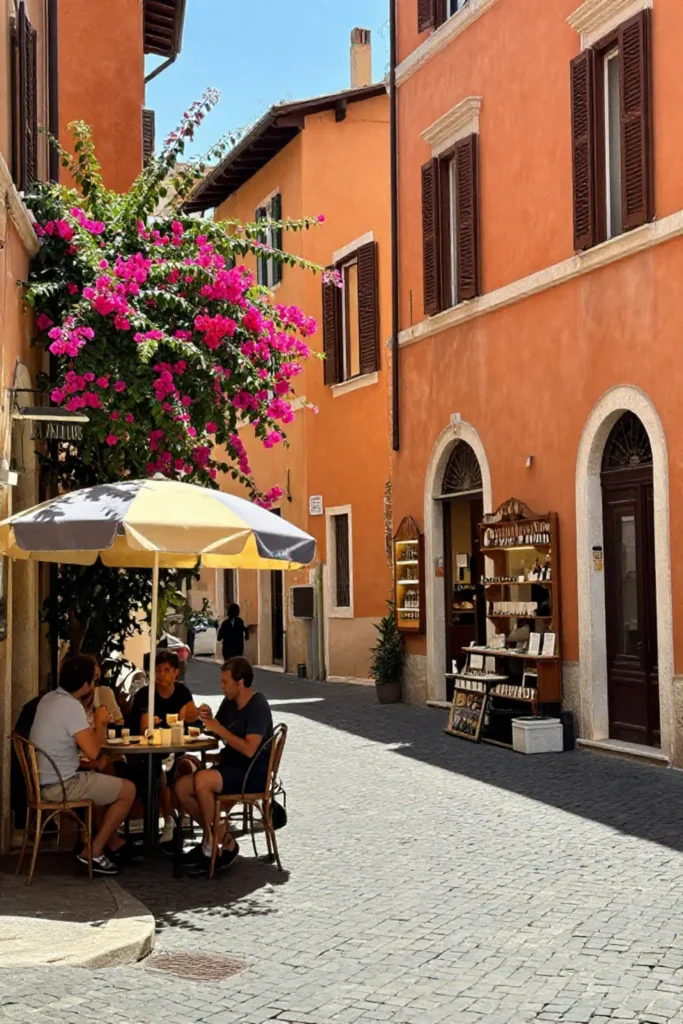
When it comes to exploring Rome, most tourists flock to the iconic landmarks like the Colosseum, the Vatican, and the Trevi Fountain. While these sites are undoubtedly spectacular, there’s a treasure trove of hidden gems waiting to be discovered throughout this ancient city. This guide will take you beyond the typical tourist traps, offering a unique perspective on a city rich in history, culture, and culinary delights. Let’s dive into a three-day itinerary that will showcase the lesser-known yet extraordinary attractions Rome has to offer.
What Is 3 Days in Rome Hidden Gems Most Tourists Miss?
This itinerary focuses on immersing yourself in the authentic Roman experience, exploring neighborhoods off the beaten path and indulging in local cuisine and culture that often go unnoticed. Instead of spending hours in queues at famous attractions, this guide will help you uncover the heart and soul of the Eternal City, providing you with an experience that is truly unique.
Why Visit This Destination
Rome is a living museum, where every corner tells a story, yet many visitors don’t venture beyond the obvious sites. By exploring the hidden gems, you will not only avoid the crowds but also enjoy a more enriched connection to the city. The beauty of Rome lies in its lesser-known streets, local cafes, and quaint shops. It’s where you can appreciate the city’s culture, architecture, and history more intimately.
Best Things to Do
- Trastevere District: Wander through its cobblestone streets, and experience vibrant street life and local eateries.
- Villa Borghese: Discover this beautiful park with its stunning gardens, lakes, and the Borghese Gallery showcasing exquisite artworks.
- The Appian Way: Rent a bike and ride along this ancient road lined with ruins and catacombs.
- Testaccio Market: Sample delicious local delicacies at this bustling food market.
- Palazzo Doria Pamphilj: Visit this lesser-known gem filled with art masterpieces and beautiful rooms.
Suggested Itinerary
- Day 1: Start your day in Trastevere, explore local shops, and have breakfast at a local café. In the afternoon, visit Villa Borghese. Finish your day with dinner in Trastevere.
- Day 2: Bike along the Appian Way in the morning, stopping at various historical sites. Have lunch at Testaccio Market. In the evening, take a leisurely stroll and enjoy dinner at a hidden gem restaurant.
- Day 3: Visit Palazzo Doria Pamphilj in the morning, followed by a leisurely walk around the surrounding area. Spend your afternoon shopping for local crafts before heading to a sunset view over the city.
Travel Tips
- Budget Wisely: Lunch at local markets can save you a lot compared to dining at famous restaurants.
- Consider Public Transport: Rome’s metro and buses are efficient. Walking is also a wonderful way to explore the city.
- Be Aware of Pickpockets: Always keep an eye on your belongings, especially in crowded areas.
- Learn Basic Italian: Knowing a few phrases can enhance your interactions with locals.
Best Time to Visit
The best time to visit Rome is during the spring (April to June) and fall (September to October). These months offer pleasant weather, fewer tourists, and vibrant local festivities. Avoiding the summer heat allows you to enjoy your exploration without the discomfort of sweltering heat or large crowds.
Where to Stay
Choose accommodations in neighborhoods like Trastevere, Testaccio, or even the Vatican area for a more local experience. Look for charming boutique hotels or private rentals that offer a cozy atmosphere and easy access to off-the-beaten-path attractions.
Common Mistakes to Avoid
- Over-scheduling: Rome is meant to be savored; don’t rush your itinerary.
- Ignoring Local Cuisine: Missing out on local food experiences can diminish your trip. Seek out authentic eateries instead of tourist traps.
- Staying Only in Major Districts: Exploring less touristy areas can uncover unique experiences and deeper cultural insights.
Frequently Asked Questions
- What is the best way to get around Rome? The best way to explore Rome is via public transportation, which includes buses and metro trains. Biking and walking are also excellent ways to enjoy the city’s beauty.
- How much should I budget for a trip to Rome? A reasonable budget depends on your travel preferences, but estimating around €60-100 per day for meals, transport, and attractions can provide a comfortable experience.
- Are there local customs I should be aware of? Yes, it’s customary to greet shopkeepers or restaurant staff when you enter, and tipping is appreciated but not mandatory. A small gesture is often enough.
- What is the dress code for visiting churches? When visiting churches in Rome, ensure that shoulders and knees are covered as a sign of respect.
- How do I avoid long lines at major attractions? To avoid long lines, consider visiting popular attractions during off-peak times or book tickets online in advance.
Conclusion: Exploring the hidden gems of Rome provides an enriching experience that goes beyond the surface of one of the world’s most historic cities. By delving into its neighborhoods and indulging in local culture, you not only create unforgettable memories but also gain a deeper appreciation for the Eternal City. With this guide in hand, you are more than ready to embark on your journey into the heart of Rome, uncovering its mysteries one hidden gem at a time.