Prep time: 30 minutes
Cook time: 25 minutes
Total time: 55 minutes
Servings: 4
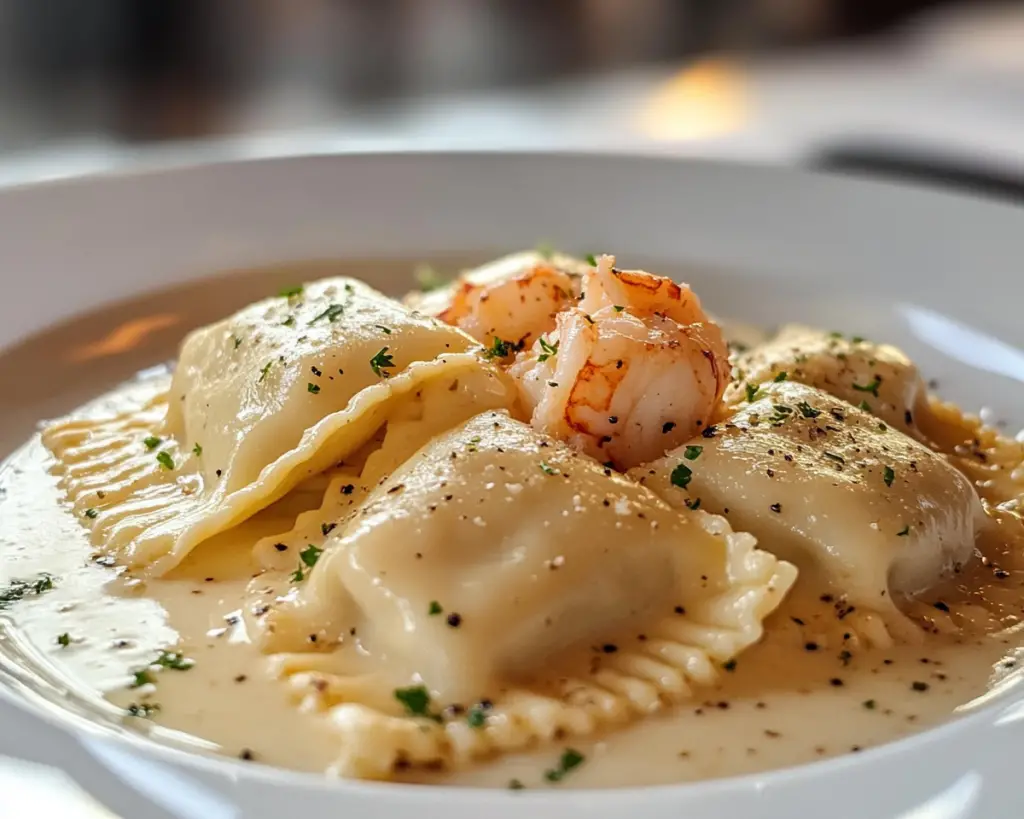
What if I told you that you could create a stunning five-star meal right in your kitchen, perfect for a romantic Valentine’s dinner? Imagine lush pillows of homemade pasta, delicately filled with sweet lobster meat, complemented by a creamy sauce that boasts of rich flavors and authentic Italian charm. Lobster ravioli is more than just a dish; it’s an experience that dazzles the senses. Let’s dive into crafting this show-stopper that is sure to impress your loved one!
Lobster ravioli has a way of bringing elegance to the dinner table without feeling overwhelming to make. Once you’ve mastered the technique of making pasta from scratch, you’ll feel like a culinary superstar. This dish brings together succulent lobster, a touch of creaminess, and a hint of herbs to create a beautiful and harmonious blend. Plus, I’ll guide you through tips to ensure your homemade pasta is perfect and provide variations that cater to different tastes and dietary restrictions.
What Is Lobster Ravioli?
Lobster ravioli is a traditional Italian pasta dish that features square or round pasta filled with a rich mixture of lobster meat, cheese, and sometimes herbs or spices. The origins of ravioli can be traced back to the 14th century in Italy, with many regions claiming to have the best version. The beauty of lobster ravioli lies not just in the taste but also in its texture; the tender, thin pasta perfectly encases the flavorful lobster filling, creating a delicate balance.
In this dish, the pasta itself is often made from simple ingredients like flour and eggs, allowing the sweet flavor of **lobster** to shine through. The dish is typically served with a sauce that can range from a simple butter sauce to a more complex cream sauce, often with hints of lemon, garlic, or even a splash of white wine.
The contrast of the soft pasta against the tender, slightly firm filling creates a delightful mouthfeel, making lobster ravioli not only a delicious meal but also an aesthetically pleasing presentation. Pair it with a crisp salad and a glass of white wine, and you truly have a meal fit for a special occasion.
Why You’ll Love This Lobster Ravioli
Imagine biting into a perfectly cooked lobster ravioli: the first taste is a burst of rich, sweet lobster meat enveloped by the tender pasta. It’s luxurious yet approachable, making it perfect for both seasoned home cooks and those just starting in the kitchen. Here are a few reasons you’ll adore this dish:
– **Delicious Flavor**: Lobster is known for its sweet, succulent flavor, and it elevates any dish it’s part of. The combination of the rich filling with the creamy sauce can transport you to an upscale restaurant without stepping out of your home.
– **Easy to Customize**: While the classic lobster ravioli is fantastic on its own, it allows for many customization options. You can add herbs like basil or chives for freshness or even different cheeses to add depth.
– **A Showstopper**: Impressing your date or guests is a breeze with this dish. Homemade lobster ravioli looks elegant and tastes amazing, making it a perfect choice for romantic dinners or special occasions.
– **Nutritious**: Lobster is not only delicious but also packed with nutrients. It’s low in calories while being a great source of protein and omega-3 fatty acids, presenting a healthier alternative to many other gourmet dishes.
– **Make-Ahead Friendly**: You can prepare the ravioli in advance and refrigerate or freeze them until you’re ready to cook. This can alleviate some of the stress on a busy holiday evening.
You might be thinking that making ravioli is overly complex or time-consuming, but with a bit of practice and some helpful tips, you’ll find it is quite rewarding and definitely achievable.
Ingredients You’ll Need
To create your lobster ravioli from scratch, you will need the following ingredients:
- 2 cups all-purpose flour: Essential for the pasta dough, providing the right structure.
- 3 large eggs: This binds the flour together while adding richness to the pasta.
- 1 tablespoon olive oil: Adds flavor and helps with elasticity in the dough.
- 1 teaspoon salt: Enhances the flavor of the pasta.
- 1 cup cooked lobster meat: Use fresh lobster for the best flavor; canned or frozen works as substitutes if fresh isn’t available.
- 1/4 cup ricotta cheese: This brings creaminess to the filling; mascarpone could be a delightful alternative.
- 1/4 cup grated Parmesan cheese: Adds a savory touch to the filling; Pecorino Romano is a good substitute if you prefer a stronger flavor.
- 1/4 cup heavy cream: This will be used in the sauce for richness.
- 2 tablespoons butter: For a simple and elegant sauce.
- 1 clove garlic, minced: A wonderful addition to flavor the sauce.
- Fresh herbs (like thyme or chives): For garnish and enhancing the sauce flavor.
When aiming for perfection, it’s vital to select high-quality ingredients. Fresh lobster will significantly elevate your ravioli’s taste. You can even consider visiting a local seafood market where you can find the freshest options.
How to Make Lobster Ravioli
Making lobster ravioli might seem daunting at first, but with each step, you’ll see how simple and enjoyable it is. Follow these detailed steps to create your own delicious lobster ravioli.
- Prepare the Pasta Dough: In a large mixing bowl, combine the flour and salt. Make a well in the center and add the eggs and olive oil. Using a fork, gradually incorporate the flour into the eggs until you have a rough dough. Transfer the dough to a floured surface and knead for about 10 minutes until it’s smooth and elastic. Wrap the dough in plastic wrap and let it rest for at least 30 minutes.
- Make the Filling: In a mixing bowl, combine the cooked lobster meat, ricotta cheese, Parmesan, and salt. Mix gently to combine without breaking up the lobster too much. Taste and adjust seasoning if needed. You can also add fresh herbs to the filling if desired for extra flavor.
- Roll Out the Dough: After the dough has rested, divide it into four sections. Keep the sections you are not currently using covered to prevent them from drying out. Using a pasta machine or a rolling pin, flatten one piece of dough to a thin consistency (around 1/8 inch thick). Dust your work surface with flour to prevent sticking.
- Form the Ravioli: Lay the rolled-out pasta on a floured surface. Using a spoon or piping bag, drop small mounds of filling (about a teaspoon each) along one side of the pasta. Carefully fold the other half of the pasta over the filled side, pressing lightly around each mound to remove any air and seal the edges. Cut between each mound to create individual ravioli. Use a fork to crimp the edges for a beautiful finish. Repeat for the remaining dough and filling.
- Prepare the Sauce: In a skillet over medium heat, melt the butter. Add minced garlic and sauté for about a minute until fragrant. Pour in the heavy cream and stir well. Allow it to simmer gently until it thickens slightly, about 5 minutes. Season the sauce with salt and pepper to taste. If desired, add a splash of white wine for extra depth of flavor.
- Cook the Ravioli: Bring a large pot of salted water to a boil. Carefully drop the ravioli into the boiling water, cooking them for about 3-4 minutes or until they float to the surface, indicating they are done. Avoid overcrowding the pot; you may need to work in batches.
- Serve: Once cooked, use a slotted spoon to transfer the ravioli to the skillet with the sauce. Gently toss the ravioli in the sauce to coat them evenly. Plate the ravioli, drizzle with additional sauce, and garnish with freshly chopped herbs or extra Parmesan if desired. Serve immediately and enjoy your luxury meal!
As you prepare this dish, savor the wonderful aromas filling your kitchen, the warmth of the cooking process, and the anticipation of that first delightful bite.
5 Variations & Substitutions
Creating variations of lobster ravioli can be an exciting way to cater to different tastes and dietary needs. Here are some delectable twists you can consider:
1. Shrimp and Lobster Ravioli: If lobster is difficult to find or if you’re looking to add more variety, mixing shrimp into your filling can be delightful. The flavors complement each other beautifully, and the filling remains rich and savory. Ensure both the shrimp and lobster are cooked before combining them with the ricotta and Parmesan.
2. Vegan Lobster Ravioli: For a vegan twist, you can create a filling with sautéed mushrooms, artichoke hearts, and cashew cream instead of using lobster and cheese. This combination will provide a hearty texture and a rich flavor. Homemade vegan pasta dough can be made by substituting eggs with aquafaba (the liquid from canned chickpeas).
3. Spinach and Ricotta Ravioli: For an added nutrient boost and lovely color, incorporate fresh spinach into your ravioli. Sauté chopped spinach before incorporating it into the ricotta and Parmesan filling. This adds a beautiful green hue that complements the original recipe while enhancing the dish’s flavor.
4. Lobster Ravioli with Tomato Cream Sauce: Switch up your sauce by making a tomato cream sauce instead of a traditional butter cream sauce. Simply add pureed tomatoes, garlic, and basil to your cream sauce, and let it simmer until it thickens. The acidity of the tomatoes will cut through the richness of the pasta, creating a delicious harmony.
5. Gluten-Free Lobster Ravioli: If you or someone you’re cooking for has gluten sensitivities, you can use gluten-free flour to create your pasta. Look for a blend that includes xanthan gum, enabling you to maintain a great texture in your pasta. Be sure to check the labels to ensure all ingredients you use are gluten-free.
Feel free to try these variations, and don’t be afraid to get creative in the kitchen. Cooking is all about expressing yourself through flavors and textures!
Common Mistakes to Avoid
When making lobster ravioli, several common pitfalls can arise, and it’s essential to avoid these to ensure a successful dish.
Overworking the Dough: Kneading the dough too much can result in tough pasta. Aim for a smooth and elastic texture, but don’t overdo it. Letting it rest is crucial as it allows the gluten to relax and results in a tender pasta.
Using Watery Filling: If your lobster filling is too watery, it can lead to ravioli that fall apart during cooking. Be sure to use well-drained ingredients and consider mixing in ingredients, such as grated cheese, that can help absorb excess moisture.
Cooking Ravioli Too Long: Overcooking the ravioli can lead to mushy pasta. Keep an eye on them; they’re done once they float to the surface. The cooking time is relatively short, usually around 3-4 minutes.
Not Sealing Properly: If your ravioli aren’t sealed properly, they risk opening up and leaking during cooking. When forming your ravioli, ensure you press out as much air as possible and seal the edges tightly. Crimping with a fork also provides an extra assurance that they stay closed.
Skipping the Salt: Remember to season your pasta water as it’s essential for infusing flavor into the ravioli itself. Proper seasoning will enhance the overall taste of your dish.
By avoiding these mistakes, you’ll ensure that your lobster ravioli turns out perfectly every time, impressing anyone fortunate enough to share the meal with you.
Storage, Freezing & Reheating Tips
Lobster ravioli can be a great make-ahead meal. Here are some practical storage and reheating tips:
– **Storage**: If you have leftover cooked ravioli, store them in an airtight container in the refrigerator for up to 3 days. Ensure they are spaced apart to avoid sticking.
– **Freezing**: To freeze uncooked ravioli, place them on a floured baking sheet in a single layer. Freeze them until solid, then transfer them to a freezer-safe bag. They can be stored in the freezer for up to 2 months. No need to thaw; you can cook them directly from the freezer when ready to eat.
– **Reheating**: For leftover cooked ravioli, simply warm them up gently in a saucepan with some of the sauce over low heat. Adding a splash of water or extra cream can help prevent sticking and keep them moist.
It’s always wise to adhere to food safety practices. When storing seafood, be sure not to leave it out at room temperature for extended periods to prevent spoilage.
Frequently Asked Questions
Can I use other types of seafood in the ravioli filling? Yes! You can easily substitute other seafood, such as crab or shrimp, for the lobster. Just be sure to adjust the filling for flavor and texture preferences.
Can I make the pasta dough ahead of time? Absolutely! You can make the pasta dough a day in advance and store it in the refrigerator wrapped in plastic wrap. This can make the cooking process quicker on the day you’re planning to serve the ravioli.
What kind of sauce goes best with lobster ravioli? A creamy sauce with butter, garlic, and herbs works wonderfully to highlight the flavors of the lobster. However, a light tomato-based sauce can also be a nice alternative for a contrasting flavor profile.
What can I serve with lobster ravioli? A simple arugula salad or some crusty garlic bread makes a great accompaniment to lobster ravioli. The light and fresh flavor of the salad complements the richness of the ravioli.
How can I ensure my lobster is fresh? Look for lobsters that are lively and show signs of being active in the tank if purchasing live. If buying pre-cooked or frozen lobster, opt for reputable suppliers to ensure quality.
Conclusion:
Now that you have this lobster ravioli recipe in your repertoire, there’s no excuse not to impress someone special on Valentine’s Day or any meal occasion. The rich flavors, plush textures, and beautiful presentation will not only tickle their taste buds but create lasting memories in the kitchen. Go ahead, embrace the art of pasta making, and let your creativity shine in your cooking. Your loved ones are going to be blown away when you serve them this exquisite meal! Don’t forget to share your experience and encourage others to indulge in this delightful dish!