Prep time: 30 minutes
Cook time: 1 hour
Total time: 1 hour 30 minutes
Servings: 6
There’s something truly magical about a warm, hearty plate of lasagna that immediately evokes feelings of comfort and satisfaction. As Valentine’s Day approaches, many of us look for ways to make the evening special without spending hours in the kitchen. This lasagna recipe is a perfect blend of rich flavors, satisfying textures, and a heartwarming aroma that wafts through your home as it bakes. The cheese melts perfectly, the sauce simmers beautifully, and the pasta layers come together in a symphony of delight. Whether you’re sharing it with your partner or gathering loved ones for a cozy dinner, this lasagna is sure to impress.
In this recipe, we’ll explore what makes lasagna a classic dish, the essential ingredients you’ll need, and how to master the art of layering to achieve that gooey, cheesy perfection. You’ll learn tips for customizing your lasagna to cater to your taste and dietary preferences. So grab your apron, and let’s get started on creating a delicious lasagna that will steal the hearts of everyone at the table!
What Is Lasagna?
Lasagna is a traditional Italian dish that consists of layers of pasta sheets, meat or vegetables, cheese, and tomato sauce. Its origins can be traced back to Ancient Greece; however, the modern version we enjoy today took shape in Italy during the Middle Ages. The iconic dish is typically characterized by its multiple layers, creating a hearty and satisfying meal that feels both wholesome and indulgent.
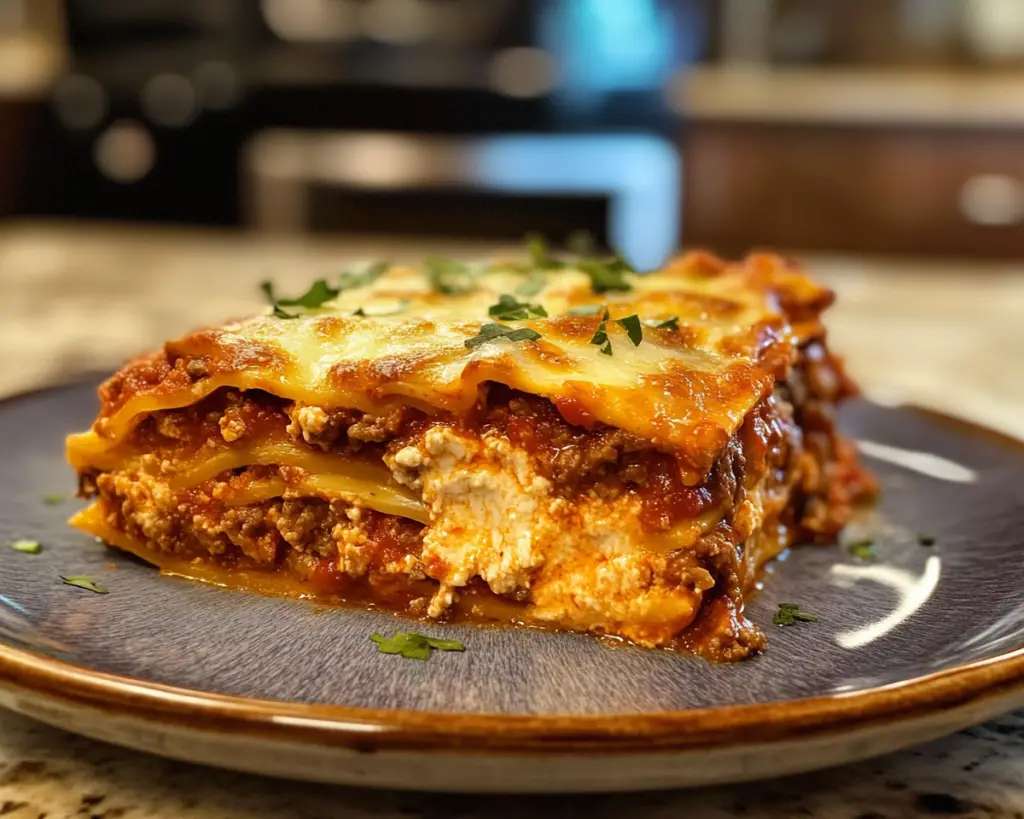
The texture of lasagna can be described as comforting, with cooked pasta sheets layered between rich tomato sauce and melted cheese. Each bite is an explosion of flavor, with the sweetness of the marinara sauce balancing beautifully against the savory notes of ground meat or roasted vegetables. The cheese adds a creamy element that pulls the dish together, providing both flavor and texture. Whether baked with a little crisp on top or served steaming hot and melty, lasagna is recognized and loved across cultures for its ability to warm both the stomach and the heart.
When preparing lasagna, it’s essential to use high-quality ingredients. The type of pasta and cheese you choose can significantly impact the overall flavor. The key is to achieve harmony between the layers, ensuring every forkful gives the diner a perfect mouthful of deliciousness.
Why You’ll Love This Lasagna
There are many reasons why this lasagna recipe will become your go-to for a special dinner. First and foremost, the **taste** is simply irresistible. A perfect balance of flavors makes each bite delightful and satisfying. The homemade tomato sauce simmers with fresh herbs, adding depth and richness to the dish that shop-bought sauces often lack.
Another reason you’ll love this lasagna is its **ease of preparation**. Although it may seem complex, lasagna is surprisingly simple to assemble, especially with a bit of practice. Once you’ve mastered the basic technique, you can customize it to suit your tastes. Have leftover cooked vegetables? Toss them in. Prefer a specific type of cheese? Feel free to experiment with different combinations!
Moreover, this recipe is **budget-friendly**. Lasagna is an excellent way to make a meal stretch. With a few staple ingredients, you can feed a hungry crowd and still have leftovers for the next day. It’s the kind of dish that doesn’t break the bank but fills hearts and bellies.
Finally, lasagna is an incredibly **versatile** dish. It can be tailored to accommodate dietary preferences, such as gluten-free pasta or dairy-free cheese, making it a great option for diverse gatherings.
Ingredients You’ll Need
To create this delicious lasagna, gather the following ingredients:
- Lasagna noodles: Use traditional or no-boil varieties. No-boil noodles save time as they require no precooking.
- Ground beef or sausage: Provides a robust flavor. You can also use ground turkey or chicken for a lighter option.
- Marinara sauce: Homemade or store-bought. Homemade sauce enhances the flavor significantly.
- Ricotta cheese: Offers creaminess and a rich texture; it can be substituted with cottage cheese if preferred.
- Mozzarella cheese: Essential for that ooey-gooey texture. Fresh mozzarella gives the best results, but shredded works just as well.
- Parmesan cheese: Adds a salty depth to the flavor profile. Grated Parmesan is recommended for better melting.
- Eggs: Helps bind the ricotta cheese and adds richness.
- Fresh herbs: Such as basil and parsley. They brighten the dish and complement the other flavors.
- Spices: Salt, pepper, and Italian seasoning for aromatics.
Each ingredient plays a crucial role in ensuring your lasagna is as delicious as possible. The combination of cheeses provides a creamy, decadent feel, while the meat adds heartiness. Fresh herbs elevate the dish, bringing a touch of freshness, and good-quality marinara sauce melds the layers to create harmony.
How to Make Lasagna
Making lasagna is an enjoyable activity that can bring friends and family together. Here’s a step-by-step guide on how to prepare this comforting dish:
- Preheat your oven: Start by preheating your oven to 375°F (190°C). This ensures that when your lasagna goes in, it will cook evenly and develop a golden top.
- Cook the meat: In a large skillet over medium heat, add a drizzle of olive oil. Once hot, add the ground meat (beef, sausage, or turkey) and cook until browned. Break the meat into small pieces with a spatula to ensure it cooks evenly.
- Add the sauce: Drain any excess fat from the meat and pour your marinara sauce into the skillet. Let it simmer for 10-15 minutes. This allows the flavors to meld together beautifully.
- Prepare the cheese mixture: In a bowl, blend the ricotta cheese, egg, half of the Parmesan cheese, and a handful of fresh herbs (like basil and parsley). Season with salt and pepper to taste. This mixture will add creaminess to the lasagna.
- Layer the ingredients: In a 9×13 inch baking dish, start by spreading a layer of marinara sauce at the bottom. Follow with a layer of noodles, then dollop some of the ricotta mixture over the noodles, followed by a sprinkle of mozzarella cheese. Repeat the layering process until all ingredients are used up, finishing with a layer of noodles topped with marinara sauce and a generous amount of mozzarella and Parmesan cheese.
- Bake the lasagna: Cover the baking dish with aluminum foil and bake for 25 minutes. Remove the foil and continue baking for an additional 20-30 minutes, or until the cheese is bubbly and golden.
- Let it rest: Once out of the oven, allow the lasagna to sit for about 15-20 minutes before slicing. This rest period helps the layers set and makes serving easier.
Enjoy the moment as the aromas fill your kitchen. Your delightful lasagna is about to make an entrance at the dinner table!
3 Variations & Substitutions
Vegetable Lasagna: For those who prefer a meat-free option, a vegetable lasagna is a fantastic choice. Replace the meat with a combination of sautéed vegetables, such as zucchini, mushrooms, spinach, and bell peppers. The texture will remain satisfying, and the added nutrients make it a wholesome meal. You can still use the same cheese mixture and marinara sauce, ensuring that you don’t lose any of that delicious flavor.
White Lasagna: If you want to venture into a different flavor profile, consider a white lasagna using a béchamel sauce instead of marinara. Prepare a simple white sauce using butter, flour, and milk, and layer it with spinach and ricotta cheese. Use mozzarella for the cheesy layer, and you’ll have a rich, creamy dish that’s utterly decadent.
Gluten-Free Lasagna: For those with gluten sensitivities, you can easily make a gluten-free version of lasagna by using gluten-free lasagna noodles. Many brands offer excellent options that taste just as good as their traditional counterparts. Just be sure to follow the package instructions for cooking time, as it may vary from regular noodles. This way, everyone can enjoy a slice without worry!
Common Mistakes to Avoid
While making lasagna seems straightforward, several common mistakes can affect your final result. One prevalent issue is using too much sauce, which can cause the lasagna to become watery. Make sure to use an adequate amount of sauce without flooding each layer.
Another mistake is skipping the resting period after baking. If you slice into your lasagna too soon, the layers may fall apart. It’s important to let it sit for at least 15-20 minutes to set properly before serving.
Lastly, using low-quality cheese can lead to unsatisfactory results. Opt for fresh mozzarella and high-quality cheeses to achieve that perfect melty texture and flavor.
Storage, Freezing & Reheating Tips
Lasagna is an excellent dish for making ahead of time. If you plan on storing leftovers, allow the dish to cool completely before refrigerating. Cover it tightly with plastic wrap or foil and store in the fridge for up to four days. You can also freeze lasagna for up to three months. Just wrap it tightly in layers of foil, ensuring no air can get in.
To reheat, preheat your oven to 375°F (190°C). Place the lasagna in an oven-safe dish and cover with foil. Heat for about 30 minutes, or until warmed thoroughly. You can also reheat individual slices in the microwave, but the texture may not be as crisp compared to the oven method.
Frequently Asked Questions
Can I make lasagna ahead of time?
Yes, lasagna is an excellent make-ahead meal! You can prepare the entire dish and refrigerate or freeze it before baking. Just be aware of potential adjustments in cooking times if baking straight from the freezer.
Can I use different types of cheese in my lasagna?
Absolutely! Feel free to experiment with different types of cheese. A blend of ricotta, mozzarella, and parmesan is traditional, but you can add provolone, goat cheese, or even non-dairy alternatives if you prefer.
Is it necessary to cook the noodles before assembling lasagna?
If you are using regular lasagna noodles, cooking them beforehand is recommended. However, if you use no-boil or oven-ready noodles, you can skip this step, as they will cook while the lasagna bakes.
How long should I let lasagna sit before cutting?
Letting lasagna rest for at least 15-20 minutes after baking is crucial. It helps the layers set and makes serving easier without it falling apart.
Can I freeze leftovers?
Yes! Leftover lasagna freezes wonderfully. Just ensure it’s well-wrapped to prevent freezer burn, and it can last for up to three months in the freezer.
Conclusion:
This lasagna is a standout dish for a cozy Valentine’s dinner or any special occasion. With its layers of flavor, heartwarming aroma, and appealing textures, it’s bound to become a favorite at your table. Enjoy the process of making it as much as you relish the end result. So gather your loved ones, dive into this delicious adventure, and share the love of homemade cooking. Don’t forget to customize it to your taste, and it might just become a cherished recipe to pass down for generations. Get cooking, and let the joy of lasagna fill your home!