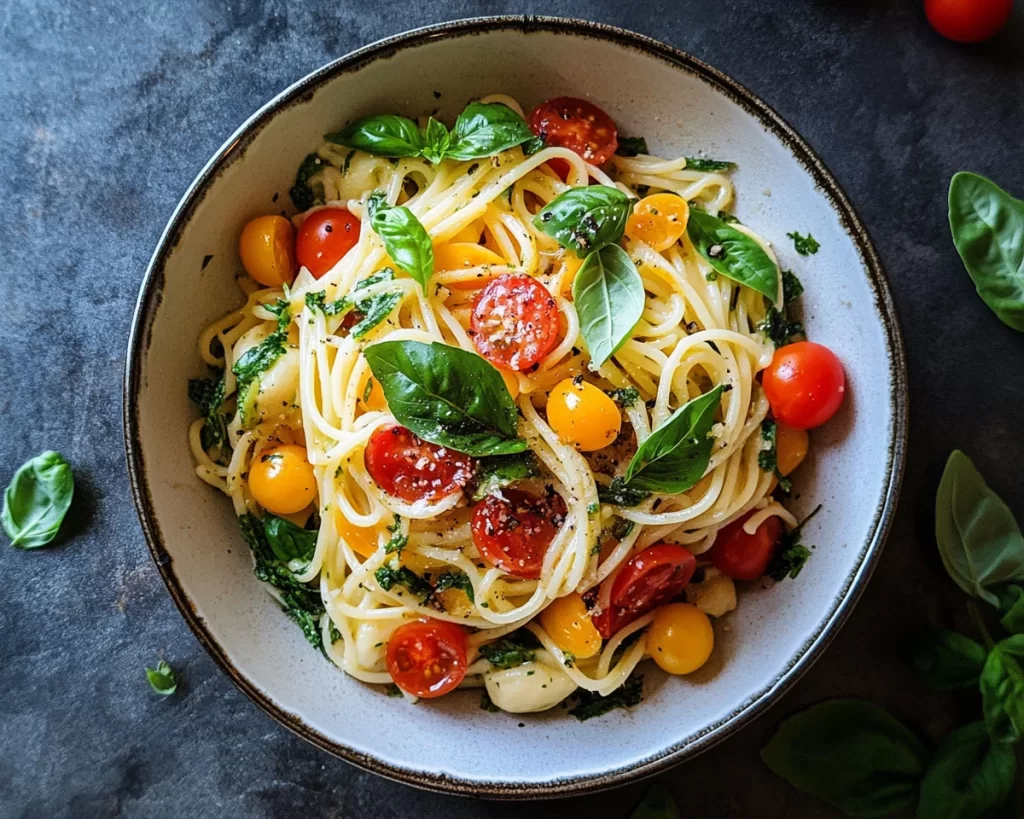
Prep time: 15 minutes
Cook time: 20 minutes
Total time: 35 minutes
Servings: 4
If you’re seeking a way to lighten up your weeknight dinners without sacrificing flavor, look no further than this deliciously vibrant and wholesome Spring Recipes Dinner: Healthy Pasta Primavera Bowl. Imagine a delightful medley of colorful vegetables tossed with perfectly cooked pasta and a light, flavorful sauce. The freshness of spring produce shines in this dish, making it not just… delicious but also a feast for the eyes.
This recipe is special because it captures the essence of spring with its seasonal ingredients. As the weather warms, your cravings for lighter, fresher food grow, and this pasta bowl meets those cravings beautifully. In this article, you will learn not only how to make this quick and easy dish but also several variations, key cooking tips, and how to avoid common cooking blunders. Whether you’re a busy parent looking for quick meal solutions or a beginner in the kitchen, this recipe is just what you need.
What Is Spring Recipes Dinner: Healthy Pasta Primavera Bowl?
Spring Recipes Dinner: Healthy Pasta Primavera Bowl is a classic dish that highlights the sheer vibrancy of spring vegetables. The term “primavera” translates to “spring” in Italian, which perfectly reflects the use of fresh produce, such as asparagus, bell peppers, and peas. You’ll love the contrasting textures of tender-crisp vegetables and perfectly al dente pasta, all harmoniously mixed in a lightly seasoned sauce. The result is a dish that feels both refreshing and satisfying.
The flavor profile of this dish is equally compelling. With a combination of garlic, olive oil, and a hint of lemon, each bite bursts with freshness. You get the warmth from the pasta combined with the **brightness** of the vegetables, which makes it versatile enough to serve as a main course or a side dish. It’s a wonderful way to enjoy a multitude of flavors and nutrients, making it a great fit for family dinners or casual gatherings.
This recipe is not just about taste; it’s also about using what’s in season to promote **sustainability** and good eating habits. As you prepare this dish, you’ll gain valuable insight into how versatile and easy pasta can be, especially when combined with the natural flavors of fresh vegetables.
Why You’ll Love This
One of the main reasons you’ll adore this recipe is its **incredible taste**. Fresh vegetables sautéed to perfection in a light, fragrant garlic-olive oil sauce are sure to make your taste buds sing. The variety of textures, from the softness of the pasta to the crispness of the vegetables, creates an engaging meal experience.
Ease of preparation is another primary benefit. The entire dish comes together in just 35 minutes, making it an ideal option for busy weeknights. Forget spending hours in the kitchen; with a little planning and effort, you can serve a wholesome and delicious meal that you and your family will enjoy.
Affordability should not be overlooked either. Seasonal vegetables are often more cost-effective than their out-of-season counterparts. By using what is fresh and in abundance, you can keep your grocery bills low while still producing a meal that feels gourmet.
Moreover, this dish is incredibly versatile, making it suitable for many dietary needs. You can easily make it gluten-free or vegetarian without sacrificing flavor or satisfaction. If you have someone in your family who is a picky eater, you can customize the vegetable selection, ensuring that everyone can enjoy it without complaints.
Ingredients You’ll Need
- Pasta: About 12 ounces of your choice—spaghetti, penne, or even gluten-free options are great.
- Olive oil: 3 tablespoons for sautéing and adding richness.
- Garlic: 3 cloves, minced, to impart a deep flavor.
- Asparagus: 1 bunch, trimmed and cut into 1-inch pieces for a crunchy element.
- Bell peppers: 1 cup, diced, to add sweetness and color.
- Cherry tomatoes: 1 cup, halved for bursts of juiciness.
- Frozen peas: 1 cup, thawed, providing sweet accents.
- Lemon: Juice and zest from 1 lemon to brighten the dish.
- Parmesan cheese: Freshly grated, to sprinkle on top before serving.
- Salt and pepper: To taste, enhancing all the flavors.
Each ingredient plays a critical role in contributing to the overall experience of the dish. The **pasta** serves as the hearty base, while the **olive oil** acts as the vehicle for flavor. **Garlic** is essential for a deep, aromatic profile, and seasonal vegetables like **asparagus** and **bell peppers** provide vibrant colors and nutrients. **Cherry tomatoes** add an unexpected **juiciness**, complementing the other textures. Don’t forget the **lemon**, which elevates the dish with a delightful tang. The finishing touch of **Parmesan cheese** adds umami and creaminess that balances the freshness.
How to Make
- Cook the Pasta: Start by bringing a large pot of salted water to a rolling boil. Add your choice of pasta and cook according to package instructions until just al dente. Remember to stir occasionally to prevent sticking. Once done, reserve about a cup of pasta water, then drain and set the pasta aside. This starchy water can be used later to adjust the consistency of your sauce.
- Sauté the Garlic: In a large skillet, heat the olive oil over medium heat. When the oil is hot, add the minced garlic and sauté it for about 1-2 minutes, or until it becomes fragrant. Be cautious not to burn the garlic, as this can create an unpleasant bitterness.
- Add the Vegetables: Toss in the asparagus and bell peppers next. Sauté for about 5 minutes, stirring occasionally, until they start to soften but still retain their crunch. Add in the cherry tomatoes and thawed peas, cooking for an additional 3-4 minutes. The vibrant colors of the veggies should be a delight to your eyes, indicative of the freshness you’re about to enjoy.
- Combine Pasta and Vegetables: Once the vegetables are cooked, lower the heat and add the drained pasta to the skillet. Mix everything gently, ensuring all ingredients are well combined. If the mixture appears dry, add a bit of the reserved pasta water until you reach your desired consistency.
- Season and Finish: Sprinkle the lemon juice and zest over the dish. Add salt and pepper to taste. If you like, you can also add a pinch of **red pepper flakes** for a spicy kick. Stir thoroughly to incorporate all the flavors.
- Serve: Finally, plate the pasta primavera bowls and sprinkle the freshly grated Parmesan cheese on top. Serve immediately while hot, perhaps with a side of crusty bread or a simple salad. The aroma of garlic and fresh herbs will fill your kitchen, making it hard to resist.
In following these steps, you not only create a delicious dish but also learn fundamental cooking techniques that can be applied to a wide variety of recipes. Don’t hesitate to invite your kids into the kitchen to help; they might enjoy stirring the pot or sprinkling the cheese!
Variations & Substitutions
Pasta Variations: While traditional pasta works wonderfully, consider using whole grain or gluten-free pasta for a healthier or allergy-friendly option. Whole grain pasta adds a chewiness and additional fiber, making the dish even more filling. Gluten-free varieties are widely available and can also offer unique flavors, such as chickpea or lentil pasta.
Vegetable Swap: You can easily alter this recipe to match whatever vegetables you have on hand. For instance, zucchini and squash are excellent substitutes and can be spiralized for a fun twist. If you love a little more **crunch**, try adding broccoli or snap peas. Seasonal changes in your local market can open up new possibilities!
Protein Boost: If you’re looking for an extra **protein kick**, consider adding grilled chicken, shrimp, or even chickpeas. Toss them in the pan while the vegetables sauté to warm them through. This makes the dish even more satisfying if you have hungry family members or workout enthusiasts at home.
Herb Infusion: Fresh herbs can elevate the dish tremendously. Consider adding basil, parsley, or even a sprinkle of mint for an unexpected **complexity** in flavor. Chopped herbs should be added just before serving to maintain their freshness.
Sauce Modification: If you crave a creamier texture, consider adding a splash of cream or a dollop of ricotta cheese just before serving. This modification creates a more luxurious feel to your pasta primavera, making it perfect for special occasions or when you want to treat yourself.
Common Mistakes to Avoid
One of the most common pitfalls in cooking pasta primavera is something as simple as overcooking the pasta. This can lead to a mushy final dish, ruining the pleasant texture that you aim for. To avoid this, always set a timer and taste-check your pasta a minute or two before the recommended cooking time.
Another mistake is using unseasoned veggies. It’s essential to **salt** your vegetable mixture correctly. If your vegetables are bland, your entire dish will lack flavor. Remember to taste as you go, adjusting the seasoning accordingly.
Moreover, many people ignore the potential of the reserved pasta water. This starchy liquid is a treasure trove of flavor and can enhance the sauce extremely well. Use it to loosen up the mixture slightly, giving it a creamy consistency without too much added fat.
Lastly, avoid skipping the lemon. It may seem like a small detail, but that bright acidity takes the dish from good to outstanding. Skipping it can leave your dish feeling too heavy or dull.
Storage, Freezing & Reheating Tips
If you find yourself with leftovers—or if you’re meal prepping—proper storage is crucial for keeping your pasta primavera fresh. Place it in an airtight container and refrigerate. It should stay good for up to three days without losing its flavor or texture.
While freezing pasta primavera isn’t generally recommended due to the potential for soggy vegetables upon thawing, if you choose to freeze it, do so before adding the cheese. Place it in an airtight container, and label it with the date. Use within two months for the best quality.
When you’re ready to **reheat**, the microwave works, but your best bet is the stovetop. Add a splash of water or broth to the pan to ensure even heating and to prevent it from drying out. Warm over low heat, stirring gently until heated through. This method brings the dish back to life, so it tastes almost as good as when it was first made.
Frequently Asked Questions
Can I use different vegetables in this recipe?
Absolutely! One of the best things about a pasta primavera is its versatility. You can tailor the vegetable mix to what’s in season or what you have on hand. Just remember to think about cooking times; add heartier vegetables like carrots early on and quicker-cooking ones like spinach or zucchini towards the end.
Is this dish suitable for meal prep?
Yes! This pasta primavera is excellent for meal prep, as it can be stored in the fridge for up to three days. To keep the vegetables vibrant, store them separately from the pasta and mix them just before serving. This way, they will retain their crispness.
Can I make this recipe vegan?
Certainly! Simply omit the Parmesan cheese or replace it with a plant-based alternative. Additionally, you can use nutritional yeast for a cheesy flavor without the dairy. This adaptation makes the dish equally delicious while catering to a vegan diet.
What type of pasta works best for this dish?
Almost any type of pasta will work well in this primavera bowl. Traditional choices like penne or spaghetti are lovely, but feel free to experiment with whole grain, chickpea, or even spiralized vegetables for a gluten-free option. Each brings a unique flavor and texture to the dish.
How can I make this dish spicier?
If you love heat, consider adding red pepper flakes when sautéing the garlic or mixing in a dash of your favorite hot sauce at the end. You can also add diced jalapeños or other spicy peppers to the vegetable mix for an extra kick.
Conclusion:
With its stunning variety of colors and flavor profiles, the Spring Recipes Dinner: Healthy Pasta Primavera Bowl is an excellent addition to your culinary repertoire. Not only does it support healthy eating habits with its focus on fresh vegetables, but its quick preparation makes it a lifesaver for busy nights. Don’t hesitate to experiment with different vegetables or pasta types to make it your own. Share this recipe with friends and family and encourage them to customize it as well. This light, delicious dish is sure to become a favorite, and I’m excited for you to try it!