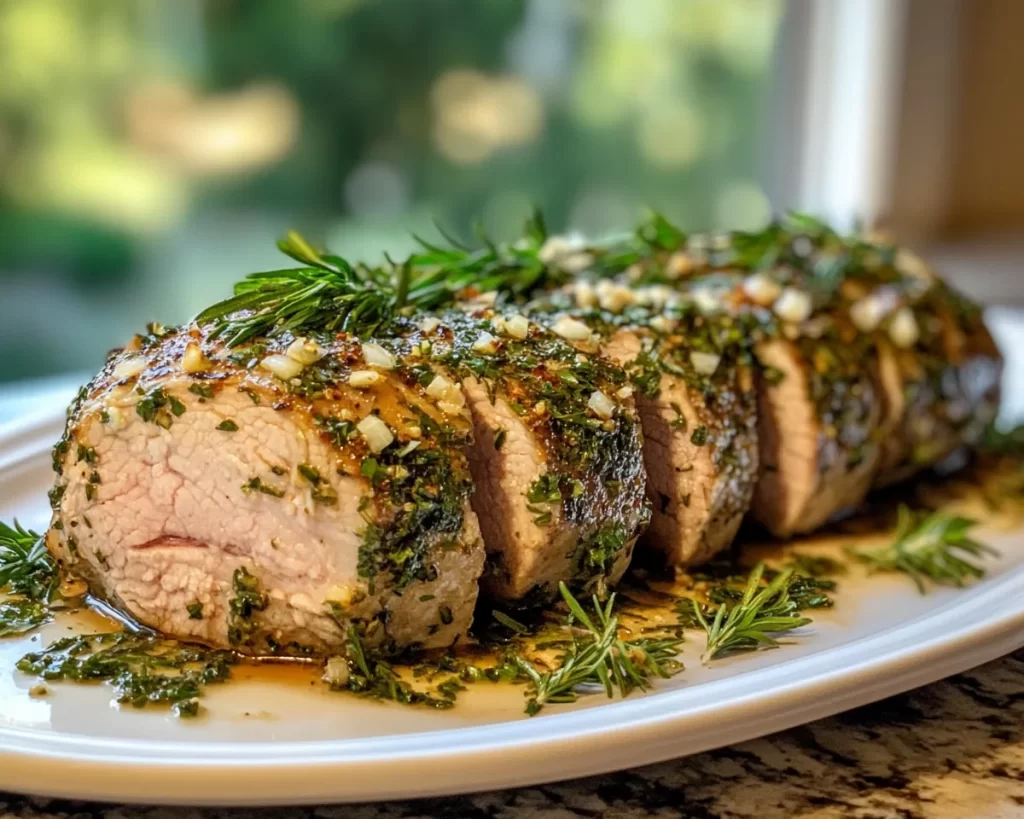
Prep time: 20 minutes
Cook time: 40 minutes
Total time: 1 hour
Servings: 6
When organizing a spring dinner party, the cornerstone of your menu should be a dish that leaves everyone craving more. If you are looking for a delicious main course that is both elegant and simple to prepare, look no further than this Spring Dinner Party Garlic Herb Pork Tenderloin. Imagine succulent pork, tender and flavorful, perfectly infused with aromatic herbs and a hint of garlic. With its rich taste and delightful aroma, this dish not only showcases the beauty of seasonal ingredients but also fits seamlessly into a busy host’s schedule.
This recipe is special because it combines fresh, vibrant flavors with a cooking method that promotes tenderness and juiciness—perfect for a relaxed dinner with family or friends. You’ll find that the marinade adds layers of flavor to the pork tenderloin and creates a meal that feels both comforting and sophisticated. By the end of this article, you’ll discover cooking tips, variations to suit different dietary needs, and answers to common questions that will help you become a confident cook and host.
What Is Spring Dinner Party Garlic Herb Pork Tenderloin?
Garlic Herb Pork Tenderloin is a cut of pork that is celebrated for its tenderness and mild flavor, making it a culinary favorite across many cultures. Originating from the loin of the pig, this cut is trimmed of fat, offering a lean meat option that can absorb marinades beautifully. With the addition of garlic and fresh herbs like rosemary and thyme, the flavors come together to create a succulent dish that dances on your palate.
When cooked correctly, the pork tenderloin has a juicy texture that melts in your mouth. The beautiful browning on the outside forms a caramelized crust that enhances the overall flavor, while the inside remains moist and tender with a slight hint of garlic. Each bite encapsulates the essence of spring, offering a lively harmony of herbal freshness and satisfying protein.
This dish is versatile and can be paired with a variety of sides or served on its own with a light sauce. Your guests will savor every morsel, perhaps reminiscing about their own experiences with family dinners or special celebrations. If you are looking for a dish that not only impresses but also showcases your love for homemade meals, this Garlic Herb Pork Tenderloin is an excellent choice.
Why You’ll Love This
One of the main benefits of this Garlic Herb Pork Tenderloin recipe is its rich flavor profile that makes it a crowd-pleaser without requiring excessive effort. The marinade is simple yet flavorful, allowing the pork’s natural juices to shine through while providing an aromatic backdrop for your spring gathering. The ease of preparation means you can focus more on entertaining your guests rather than slaving away in the kitchen.
Many people often think that cooking a pork tenderloin requires culinary expertise, but that is a common misconception. This dish serves as a fantastic entry point for less experienced cooks. The steps are straightforward, and with a little attention to timing, anyone can achieve a restaurant-quality result.
Moreover, this recipe can be prepared in advance, making it suitable for busy families or those who want to indulge in meal prep. It’s also budget-friendly, as pork tenderloin is generally more economical than many other cuts of meat while offering a high-quality dining experience. With versatile options for sides and sauces, you can tailor the meal to accommodate various preferences and diet restrictions.
Ingredients You’ll Need
- Pork Tenderloin: The star of the dish, providing a tender base. Look for a fresh cut from a reputable butcher; it should feel firm and moist. If you can’t find pork tenderloin, you can substitute with chicken breast, but cooking times will vary.
- Garlic: Fresh garlic cloves will impart a pungent and aromatic flavor that lifts the dish. Avoid processed garlic for the best results. You can use garlic powder in a pinch, but fresh is recommended.
- Fresh Rosemary: This herb adds a pine-like flavor that is particularly refreshing. If fresh rosemary is unavailable, you can use dried, but reduce the quantity as dried herbs are more concentrated.
- Fresh Thyme: Thyme complements rosemary beautifully with its earthy notes. As with rosemary, dried thyme can be used if needed; just remember to adjust the amount.
- Olive Oil: Acts as a medium for the marinade and helps in locking moisture during cooking. A high-quality extra virgin olive oil will give the best flavor.
- Salt and Pepper: Essential for enhancing the flavors of the dish. Use kosher salt for seasoning the meat, which penetrates better than table salt.
- Lemon Juice: Adds a sharp acidity that balances the rich flavors of the pork and enhances the freshness of the herbs. Freshly squeezed is preferred for a better flavor.
Each of these ingredients plays a significant role in creating the overall flavor of the dish, allowing for easy adjustments based on availability or personal preference. For those concerned about allergies or dietary restrictions, feel free to consult allergy-specific sources for acceptable substitutions.
How to Make
The process of preparing Garlic Herb Pork Tenderloin is as enjoyable as the final outcome. Follow these step-by-step instructions for a beautifully cooked pork tenderloin.
- Start by preparing your marinade. In a mixing bowl, combine minced garlic, finely chopped fresh rosemary, thyme, olive oil, salt, pepper, and lemon juice. Whisk these ingredients together until they form a cohesive mixture. This marinade will infuse the meat with flavor and tenderness.
- Next, prepare the pork tenderloin. Trim any excess fat from the tenderloin and pat it dry with paper towels. The drying step is crucial as it helps the marinade to adhere better to the meat, promoting browning during cooking.
- Marinate the pork. Place the pork in a resealable plastic bag or a shallow dish and pour the marinade over it. Ensure that the pork is thoroughly coated by turning it around in the marinade. Seal the bag or cover the dish and let it marinate in the refrigerator for at least 30 minutes, or up to 8 hours for maximum flavor.
- Preheat your oven. Set your oven to 400°F (200°C) while the pork marinates. A hot oven will help create a lovely crust on the outside of the pork, locking in moisture and flavor.
- Prepare for cooking. Remove the pork from the marinade and discard the excess marinade. Place the tenderloin on a baking sheet lined with parchment paper for easy cleanup. Before placing it in the oven, sprinkle a little more salt and pepper on top to enhance the crust during baking.
- Bake the pork. Place the baking sheet in the preheated oven and cook for 25-30 minutes, or until the internal temperature reaches 145°F (62°C). Use a meat thermometer for the most accurate reading. This ensures the pork is juicy and perfectly cooked.
- Let it rest. Once cooked, remove the pork from the oven and cover it loosely with aluminum foil. Let it rest for about 10 minutes. This resting period allows the juices to redistribute throughout the meat, ensuring that it remains moist when sliced.
- Slice and serve. After resting, slice the pork into medallions and arrange them on a serving platter. Drizzle with any pan juices and garnish with additional fresh herbs for a beautiful presentation.
Cooking is a sensory experience, and this tenderloin will not only smell divine while baking, but it will also create a warm atmosphere that invites everyone to the dinner table.
Variations & Substitutions
Pineapple Glaze Variation: For a tropical twist, consider adding a pineapple glaze to your pork tenderloin. Combine pineapple juice, brown sugar, and a touch of soy sauce to create a sweet-savory glaze. Brush it onto the pork during the last 10 minutes of baking. This adds an exciting new flavor that works well with the garlic and herbs while providing a beautifully caramelized finish. This variation would appeal to those who enjoy sweeter, fruit-infused dishes.
Herb-Crusted Variation: If you’re a fan of stronger herb flavors, consider a herb crusted version. Combine panko breadcrumbs with fresh herbs like parsley, basil, and oregano. After marinating the pork, coat the tenderloin with this herb mixture before baking. The breadcrumb crust adds a crunchy texture that contrasts beautifully with the tender meat, perfect for those who are looking for a textural twist on the classic recipe.
Spicy Chipotle Variation: If you are in the mood for some heat, adding chipotle peppers in adobo sauce can take your pork to a whole new level. Mix finely chopped chipotle peppers into the marinade for a smoky heat. This variation is perfect for spice lovers and those who enjoy bold flavors in their meals.
Vegetarian Option: If you’re hosting a mixed dietary group, you can create a delicious vegetarian option by using portobello mushrooms. Marinate large portobello caps in the same mixture and grill or bake them until tender. The mushrooms’ meaty texture offers a satisfying alternative that even meat-lovers will appreciate.
Common Mistakes to Avoid
One common mistake when cooking pork tenderloin is overcooking the meat. This cut is lean, and cooking it beyond the recommended internal temperature of 145°F (62°C) can result in a dry texture. Investing in a good quality meat thermometer can help ensure you achieve perfect doneness. Also, allow ample resting time before slicing to help retain the meat’s juices.
Another mistake is not marinating the pork long enough. Although 30 minutes is a good start, allowing the pork to soak in the marinade for several hours or overnight enhances the flavor considerably. Aim for at least 2 hours for optimal flavor infusion.
Lastly, many people may discard the marinade, thinking it’s no longer safe. However, it can be reduced down to create a fantastic sauce. Just ensure you simmer it for a few minutes to kill any bacteria from the raw meat.
Storage, Freezing & Reheating Tips
After your delightful dinner party, you might find leftovers, which is a testament to a dish well-prepared! To store, let the cooked pork cool completely before placing it in an airtight container. It can last in the refrigerator for up to 3-4 days. Always tightly seal the container to prevent any odor absorption from other foods.
For longer storage, you can freeze the cooked pork. Slice the tenderloin into portions, and wrap them tightly in plastic wrap followed by aluminum foil to minimize freezer burn. Properly stored, it can last for up to 3 months in the freezer. When you’re ready to enjoy it again, thaw it overnight in the refrigerator before reheating.
To reheat, place the pork slices in a covered baking dish with a splash of broth or water to maintain moisture. Heat it in a preheated oven at 350°F (175°C) for about 15-20 minutes, or until warmed through. This gentle reheating method can help to avoid drying out the tenderloin.
Frequently Asked Questions
Can I use pork loin instead of tenderloin for this recipe?
Yes, pork loin is a larger cut and can work as a substitute; however, cooking times will differ. Pork loin needs a longer cooking time to become tender, so be sure to adjust accordingly. Aim for an internal temperature of 145°F (62°C) when cooked.
What sides pair well with Garlic Herb Pork Tenderloin?
This dish goes wonderfully with seasonal vegetables such as asparagus, roasted carrots, or buttery mashed potatoes. A light salad with vinaigrette also brightens the meal, providing a refreshing contrast to the savory pork.
Can this dish be made in advance?
Absolutely! The pork tenderloin can be marinated the night before and baked just before serving, allowing you to enjoy the company of your guests without rushing in the kitchen. You can also make the marinade and store it in the refrigerator for up to 2 days.
What should I do if the pork tenderloin is still raw in the center?
If the exterior is browning too much, but the internal temperature hasn’t reached 145°F (62°C), you can tent the pork with aluminum foil and continue cooking it at a lower temperature to avoid further browning. This method allows the pork to cook more evenly.
Is it necessary to let the pork rest before slicing?
Yes! This step is important as it allows the juices to redistribute throughout the meat, ensuring each slice remains moist and tender. Skipping this step can result in dry meat.
Conclusion:
In summary, the Spring Dinner Party Garlic Herb Pork Tenderloin is not only a perfect main course for your next gathering but also a dish that will impress your guests and ignite conversations around the table. It combines simple ingredients and techniques to create an unforgettable meal with remarkable flavors. I encourage you to give this recipe a try, tailor it to your preferences, and share the experience with your friends and family. Embrace the joy of cooking, and let this delicious pork tenderloin reign over your future dinner tables!