Prep time: 20 minutes
Cook time: 0 minutes
Total time: 20 minutes
Servings: 8
Spring is the perfect season to gather with friends and family, and what better way to celebrate than with an innovative and flavorful charcuterie board adorned with vibrant spring flowers? Creating a Spring Charcuterie Board is not only a feast for the eyes but also offers an array of delightful flavors that can cater to any palate. Whether you’re hosting a brunch or an afternoon tea, this guide will take you through the steps to craft a stunning charcuterie board that showcases fresh, seasonal ingredients.
What Is Spring Charcuterie Board Ideas with Spring Flowers in 5 Steps?
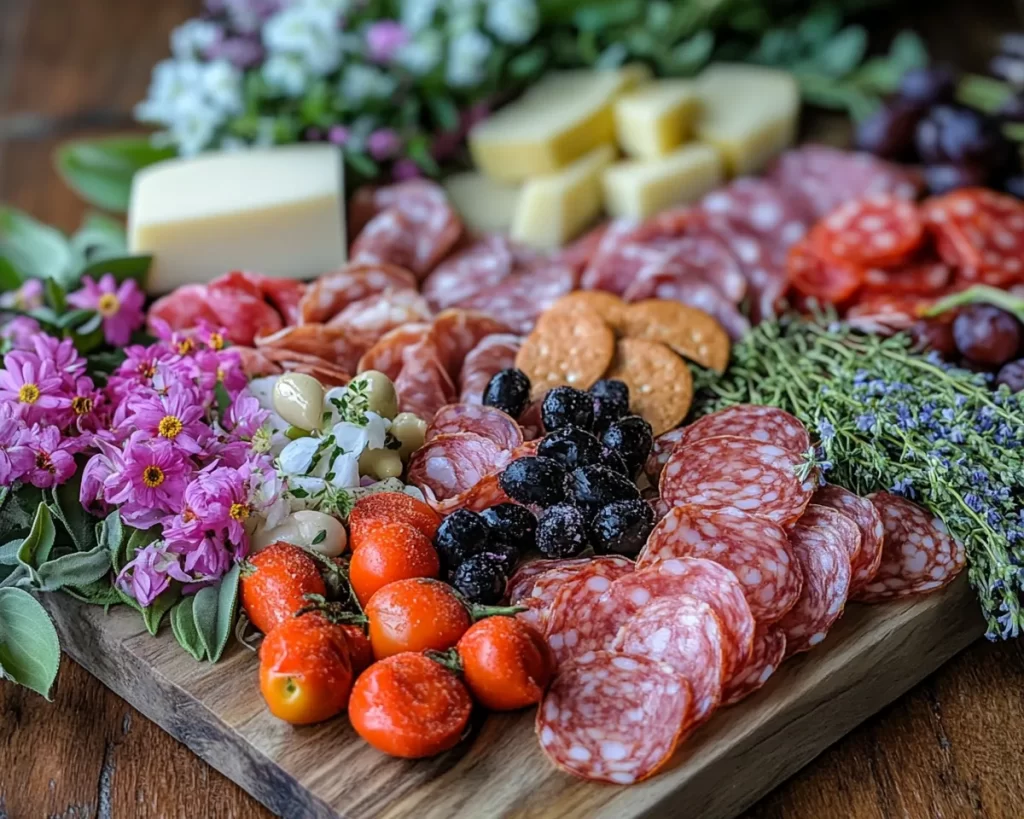
A Spring Charcuterie Board is a beautifully arranged platter filled with a variety of meats, cheeses, fruits, nuts, and of course, fresh spring flowers. This delightful presentation not only tantalizes your taste buds but also serves as an eye-catching centerpiece for your gathering. The inclusion of spring flowers—like edible pansies, violets, and nasturtiums—adds a delicate touch, enhancing the springtime feel while offering a unique aesthetic.
The process of assembling a charcuterie board is simple and enjoyable. With just a few steps, you can create an appetizing spread that will leave your guests impressed. This guide outlines five easy steps to put together a colorful and mouthwatering Spring Charcuterie Board.
Why You’ll Love This
There are countless reasons to adore this Spring Charcuterie Board. First and foremost, it allows for creativity and personalization. You can select ingredients that resonate with your favorite flavors or seasonal favorites. This customization makes every board unique and tailored to your gathering. Additionally, charcuterie boards offer a wonderful opportunity for socializing. Guests can mingle and build their own plates, choosing flavors that suit their preferences.
Moreover, the bright and fresh ingredients of spring contribute not only to the aesthetics but also provide health benefits. Fresh fruits and vegetables are packed with vitamins and nutrients, and when combined with quality cheeses and meats, they create a balanced and satisfying meal. Lastly, charcuterie boards are incredibly diverse. You can switch up the ingredients based on your dietary preferences, making it suitable for everyone—from meat-lovers to vegetarians.
Ingredients You’ll Need
To create a stunning Spring Charcuterie Board, you’ll need the following ingredients:
- Charcuterie Meats: Prosciutto, salami, and capicola offer a range of textures and flavors. Choose high-quality options for the best taste.
- Creamy Cheeses: Brie, goat cheese, and aged gouda lend rich flavors. Their creamy textures pair beautifully with various accompaniments.
- Fruits: Seasonal fruits like strawberries, cherries, and citrus slices add freshness and sweetness to the board. They not only taste great but also look vibrant and colorful.
- Nuts: Almonds, walnuts, or pistachios provide crunch that balances the softness of the other ingredients.
- Crackers and Bread: A variety of artisanal bread and crackers give guests something to layer their favorite toppings upon, enhancing their experience.
- Spreads: Include honey, grainy mustard, or fig jam for sweetness and complexity. These will elevate the flavors of both meats and cheeses.
- Edible Flowers: Incorporating flowers like pansies, violets, and nasturtiums not only decorates the board but can also be delightful when eaten.

How to Make
Creating your Spring Charcuterie Board involves several steps; follow these for a show-stopping spread:
- Choose a Visually Pleasing Board: Start with a large wooden board or platter. The size will depend on the number of guests. Ensure it has enough space for all your ingredients while offering a backdrop that enhances the presentation.
- Arrange the Meats: Begin by placing the charcuterie meats in groups. Fold or roll the meats into attractive shapes. Aim for a mix of colors and textures to create visual interest.
- Add Cheese: Choose a few cheeses of varying textures and flavors. Cut some into wedges or smaller pieces and leave others whole. Positioned next to the meats, these will form the foundation of your board.
- Add Fruits and Nuts: Fill empty spaces with seasonal fruits and nuts. Slice fruits for easier serving, and ensure a mix of colors and shapes for a vibrant look. Randomly scatter nuts to fill any voids.
- Finish with Spreads and Flowers: Place small bowls of spreads around the board. Finally, dot the board with edible flowers for a beautiful finish, ensuring that they are prominently featured but not overwhelming.
Variations & Substitutions
Vegetarian Charcuterie Board: For a vegetarian-friendly option, replace the meats with a selection of hearty vegetables like roasted bell peppers, marinated artichokes, and zucchini. Incorporate a variety of cheeses, as well as plant-based spreads like hummus or avocado dip for a creamy contrast. You can also add roasted chickpeas for a crunchy element and edible flowers for that gorgeous spring flair.
Gluten-Free Charcuterie Board: To cater to gluten-free guests, use gluten-free crackers, rice cakes, or slices of polenta instead of traditional bread. Focus on fresh vegetables for dipping, like cucumbers and bell pepper strips, alongside a variety of cheeses, nuts, and fruits. This keeps the board inclusive and appealing while maintaining all the delightful textures and flavors you desire.
Sweet Charcuterie Board: For dessert lovers, create a sweet charcuterie board featuring chocolate, fruits, and sweets. Use items like chocolate-covered strawberries, small brownie bites, and a selection of cheeses that pair well with sweet flavors, such as blue cheese with honey. Arrange fresh fruits and even some pastries to round out the experience while introducing floral elements with edible flowers.
Common Mistakes to Avoid
When putting together a charcuterie board, there are a few common pitfalls to watch out for:
Too Much Clutter: Avoid overcrowding the board. Each component should be given space to shine. If the board appears crowded, it can look overwhelming and unappetizing.
Inadequate Flavor Pairing: Mindfully consider which flavors will complement each other. For example, pairing too many strong-flavored items can clash instead of create harmony. Balance stronger items with milder selections, such as creamy cheeses.
Neglecting Freshness: Always use fresh ingredients for optimal taste and visual appeal. Wilted greens or overripe fruits can detract from the presentation and flavor of your board.
Storage, Freezing & Reheating Tips
When it comes to leftovers, it’s essential to store them properly. Wrap any remaining meats and cheeses tightly in plastic wrap or store them in airtight containers. Fresh fruits should be kept separate to maintain their freshness and prevent spoilage. If possible, consume the charcuterie board within a day or two.
As for freezing, most charcuterie items do not freeze well due to changes in texture and flavor once thawed. However, cheese can often be frozen. If you have leftover cheese, make sure to wrap it properly to avoid freezer burn.
When reheating any meats, do so gently to avoid drying them out, preferably at a low temperature in the oven or microwave. For fresh ingredients, it’s best to consume them cold.
Frequently Asked Questions
What kinds of flowers are safe to use on a charcuterie board?
When choosing flowers for a charcuterie board, opt for edible varieties like pansies, violets, nasturtiums, and calendulas. These flowers not only add striking color but can also be safely consumed. Always ensure that the flowers have not been treated with pesticides or chemicals.
How can I make my charcuterie board more budget-friendly?
To keep costs low, focus on seasonal and locally sourced ingredients, which can often be found at farmers’ markets. Choose one or two high-quality meats or cheeses and fill the rest of the board with fruits, nuts, and homemade spreads or dips. This creates a beautiful presentation without breaking the bank.
How long can I leave a charcuterie board out for guests?
Typically, it is safe to leave a charcuterie board out for up to two hours. Since many of the ingredients contain dairy or meats, ensure they are kept cool, especially as temperatures rise, to avoid spoilage.
Can I prepare my charcuterie board in advance?
Yes! You can set up your charcuterie board a few hours ahead of time. However, it’s best to add delicate items like fresh flowers and fruits right before serving to ensure they remain fresh and visually appealing.
Are charcuterie boards only for special occasions?
Not at all! Charcuterie boards can be enjoyed anytime—whether for a casual family dinner, a picnic, or a cozy night in. The versatility of ingredients means you can tailor the board to fit the occasion and mood.
Conclusion: Creating a Spring Charcuterie Board is an engaging and delightful experience that lets artistic expression shine through food. With a little thought and care, you can craft a platter sure to captivate your guests with its stunning visuals and irresistible flavors. Whether for a gathering, brunch, or a quiet night at home, this charcuterie board is adaptable and sure to be a hit. Enjoy every bite and the joy of sharing it with others!