Prep time: 15 minutes
Cook time: 1 hour 30 minutes
Total time: 1 hour 45 minutes
Servings: 4-6
If you’ve ever walked into a cozy kitchen and been greeted by the inviting aroma of a perfectly roast chicken, you know just how comforting that scent can be. The warm, savory notes wafting through the air can not only ignite our appetites but also evoke fond memories of family gatherings and Sunday dinners. This dish isn’t just about satisfying hunger; it’s about bringing people together around the table. Perfect roast chicken, when executed properly, offers not just succulent meat but a crispy golden skin that is hard to resist.
In this article, I’ll guide you through every step of making the perfect roast chicken, sharing secrets that will ensure your poultry is juicy and flavorful, with just the right amount of crispiness. You will learn what makes this recipe truly special, including tried-and-true tips, potential variations to fit your family’s palate, and even answers to commonly asked questions.
What Is Perfect Roast Chicken?
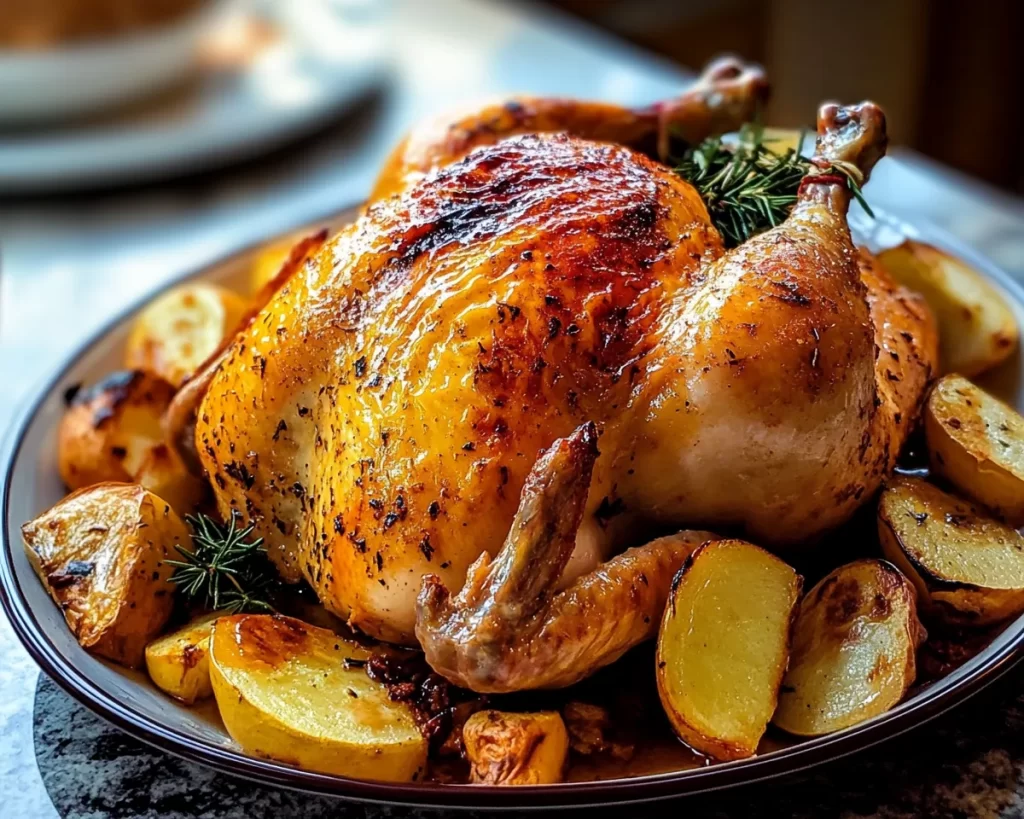
Perfect roast chicken is a classic dish found in many cuisines around the globe, celebrated for its simplicity and robust flavor. At its core, it consists of a whole chicken seasoned and roasted until the meat is tender and the skin is wonderfully crispy. The process can be deceptively straightforward, but the results are extraordinary, making it a beloved staple for many home cooks.
Originally served as a celebratory dish, this roast chicken combines a tender juicy interior with a crackling exterior that can make any meal feel like a festive occasion. Commonly accompanied by seasonal vegetables or a simple salad, this dish invites customization based on what you have at home, ensuring that every preparation feels unique. The rich flavor profile not only makes it a favorite comfort food but also elevates weeknight dinners into something extraordinary.
What sets a perfect roast chicken apart is the balance of seasoning, cooking technique, and time. A properly seasoned chicken, when cooked at the right temperature, results in well-carved, easy-to-eat portions ideal for family gatherings or intimate dinners. So, whether you are an experienced chef or a novice home cook, mastering the art of roast chicken will undoubtedly elevate your culinary repertoire.
Why You’ll Love This
There are countless reasons to love the recipe for perfect roast chicken. First and foremost, the flavor is unparalleled; the combination of well-seasoned meat with herbs and spices creates a dish that is both savory and satisfying. The crispy skin enveloping tender chicken is not just a visual delight; it adds an extraordinary texture that pairs beautifully with the juicy meat beneath it.
In addition to its taste, one of the great aspects of this recipe is its ease. With minimal effort, you can have a magnificent meal ready to serve. The key ingredients are common pantry staples, making it an economical choice for busy families or novice cooks. Moreover, roast chicken provides excellent versatility; you can tailor it to match any side dish or flavor preference, be it roasted vegetables, fluffy mashed potatoes, or fresh garden salad.
Many believe that roasting a chicken is daunting or too complex, but I’ll demonstrate that you can achieve restaurant-quality results at home with a few simple techniques. This confidence can lead to more elaborate cooking endeavors and eventually transform you into an unbeatable home cook.
Ingredients You’ll Need
To create the perfect roast chicken, you’ll need the following ingredients:
- 1 whole chicken (about 4-5 pounds) — The star of the dish; select a fresh bird for the best flavor.
- Salt — Essential for enhancing taste; kosher salt is recommended.
- Fresh ground black pepper — Adds depth and a hint of spice.
- Olive oil or melted butter — Helps achieve that crispy skin and adds flavor.
- Fresh herbs (like thyme, rosemary, and sage) — Provide aromatic notes that elevate the dish.
- Lemon — Adds zest and moisture; citrus complements the chicken wonderfully.
- Garlic — Infuses rich umami flavors and a savory aroma.
- Onion — Can be roasted alongside the chicken for added flavor.
Any of these ingredients can be easily substituted. For example, if you can’t find fresh herbs, dried herbs can work in a pinch, though you should use about one-third the amount. Similarly, if you prefer a lighter option, you can replace butter with cooking spray.
How to Make
Follow these step-by-step instructions to ensure your roast chicken turns out perfectly every time:
- Preheat your oven: Start by preheating your oven to 425°F (220°C). A hot oven is essential for achieving that crisp skin that everyone loves. This high temperature allows the chicken to cook evenly while rendering out excess fat.
- Prepare the chicken: Take your chicken out of the fridge about 30 minutes before cooking it. Allowing it to come to room temperature helps it cook more evenly. Remove any giblets from inside the cavity, pat the chicken dry with paper towels to ensure crisp skin, and season generously with salt and pepper both inside the cavity and on the skin.
- Season the chicken: Drizzle around 2-3 tablespoons of olive oil or melted butter all over the chicken. Use your hands to rub the oil or butter into the chicken, ensuring every part is coated. Then, stuff the cavity with lemon wedges, garlic cloves, and a handful of fresh herbs. This not only flavors the meat from the inside out but also provides moisture during cooking.
- Truss the chicken (optional): If you’re feeling like a professional chef, trussing the chicken helps it cook more evenly and makes for a beautiful presentation. Simply tie the chicken legs together with kitchen twine and tuck the wing tips underneath the body.
- Roast the chicken: Place the chicken breast-side up in a roasting pan. Roast in the preheated oven for about 1 hour and 15 minutes to 1 hour and 30 minutes, depending on the size of your bird. A meat thermometer should read 165°F (75°C) in the thickest part of the thigh to ensure doneness.
- Rest and carve: Once cooked, remove the chicken from the oven and let it rest for at least 15 minutes. This crucial step allows the juices to redistribute throughout the meat, preventing dry chicken. When ready, carve the chicken using a sharp knife, serving it alongside your favorite sides.
Each step is designed to elevate the final product. Pay attention to details like seasoning and resting time, which are critical for achieving a roast chicken everyone will rave about!
Variations & Substitutions
Lemon-Herb Variation: For those who crave brighter flavors, consider using extra lemon zest and herbs like dill and parsley. This combination not only adds zing but also highlights the natural flavors of the chicken. You can use lemon slices both in the cavity and as a garnish, allowing the citrus essence to infuse throughout the dish. This is especially great for summer meals, providing that refreshing taste against a backdrop of heat.
Spicy Variation: If your palate leans toward the adventurous, why not add a touch of heat? By integrating spices such as paprika, cayenne, or chili powder into your seasoning mix, you can create a roast chicken that packs a flavorful punch. Infusing a spicy glaze before roasting will transform the dish entirely, appealing to those who love a bit of kick with their meal.
Herb Butter Variation: For a luxurious touch, create an herb butter by mixing softened butter with finely chopped herbs like thyme, rosemary, and basil. Gently slide this compound butter under the skin of the chicken before roasting. This technique will significantly enhance the flavor, leaving the meat moist and herby.
Garlic and Herb Variation: A whole roast chicken is an ideal canvas for bold flavors. Mix crushed garlic, fresh rosemary, and thyme into olive oil and rub it all over the chicken, including underneath the skin. The garlicky aroma combined with the benefits of herbs will permeate the meat beautifully, making each slice bursting with flavor.
Common Mistakes to Avoid
Even the best cooks can run into issues when roasting chicken. One common mistake is not seasoning generously enough. Forgetting to apply enough salt can result in bland meat. Always remember to season both the outside and inside of the chicken properly.
Another misstep is not allowing the chicken to rest after cooking. Skipping this step can lead to dryness, as the juices will run out when cutting. Aim to rest your chicken for at least 15 minutes before carving to retain the moisture.
Moreover, undercooking or overcooking can significantly affect texture and flavor. Use a thermometer to check doneness. A temperature of 165°F (75°C) in the thickest part of the thigh ensures safe eating while also rendering a juicy interior.
Lastly, not preparing your pan correctly can make cleanup difficult. Using a roasting rack helps circulate air around the chicken during cooking and prevents any burning at the bottom of the pan. Always line your roasting pan with foil or parchment paper for easy cleanup.
Storage, Freezing & Reheating Tips
Proper storage of leftover roast chicken is essential for maintaining its flavor and texture. After your meal, ensure that the remaining chicken cools down to room temperature before transferring it to an airtight container. Store it in the refrigerator for 3-4 days. Always check for any signs of spoilage before consuming leftovers.
For longer storage, you can freeze your roast chicken. Wrap it tightly in plastic wrap and aluminum foil or place it in a freezer-safe container for up to 4 months. When you’re ready to enjoy it again, thaw the chicken in the refrigerator overnight.
When reheating, avoid using the microwave, as this can dry out the meat. Instead, place the chicken in a preheated oven at 350°F (175°C) for around 20-30 minutes or until heated through. Adding a small amount of broth will help retain moisture, ensuring you have juicy, flavorful chicken, just like when it was freshly made.
Frequently Asked Questions
How do I know when the chicken is done?
The most reliable way to check for doneness is to use a meat thermometer. Insert it into the thickest part of the thigh without touching the bone; it should read 165°F (75°C). This ensures that the chicken is safe to eat while still succulent.
Can I roast a frozen chicken?
It’s not advisable to roast a frozen chicken, as it will cook unevenly and may not achieve the necessary temperature safely. Always thaw your chicken in the refrigerator 24 hours before roasting for optimal results.
Can I use chicken pieces instead of a whole chicken?
Absolutely! You can roast chicken pieces, but you will need to adjust the cooking time. Bone-in pieces will still take approximately 30–40 minutes at 425°F (220°C). Always ensure the internal temperature reaches 165°F (75°C).
What are the best side dishes to serve with roast chicken?
Roast chicken pairs well with numerous side dishes. Classic accompaniments include roasted vegetables, creamy mashed potatoes, or a light salad. You can also opt for grain-based salads like quinoa or couscous, which have become increasingly popular.
Can I marinate the chicken overnight?
Yes, marinating the chicken overnight can result in fantastic flavor. Use a simple marinade of olive oil, lemon juice, and herbs to soak into the meat, allowing for enhanced taste. Just ensure that it’s stored covered and placed in the refrigerator to avoid any food safety issues.
Conclusion:
Roasting the perfect chicken is an art that, once mastered, can elevate your cooking skills and brighten your family’s dinner table. With its mouthwatering flavor, crispy skin, and moist meat, perfect roast chicken is a dish that never fails to impress. Don’t shy away from experimenting with flavors, allowing you to make this dish your own. I encourage you to get into the kitchen, follow the steps, and enjoy the process. Share this recipe with friends and family, and let the comforting aroma of roast chicken bring everyone together. You deserve to savor every tantalizing bite!