Prep time: 20 minutes
Cook time: 10 minutes
Total time: 30 minutes
Servings: 6 servings
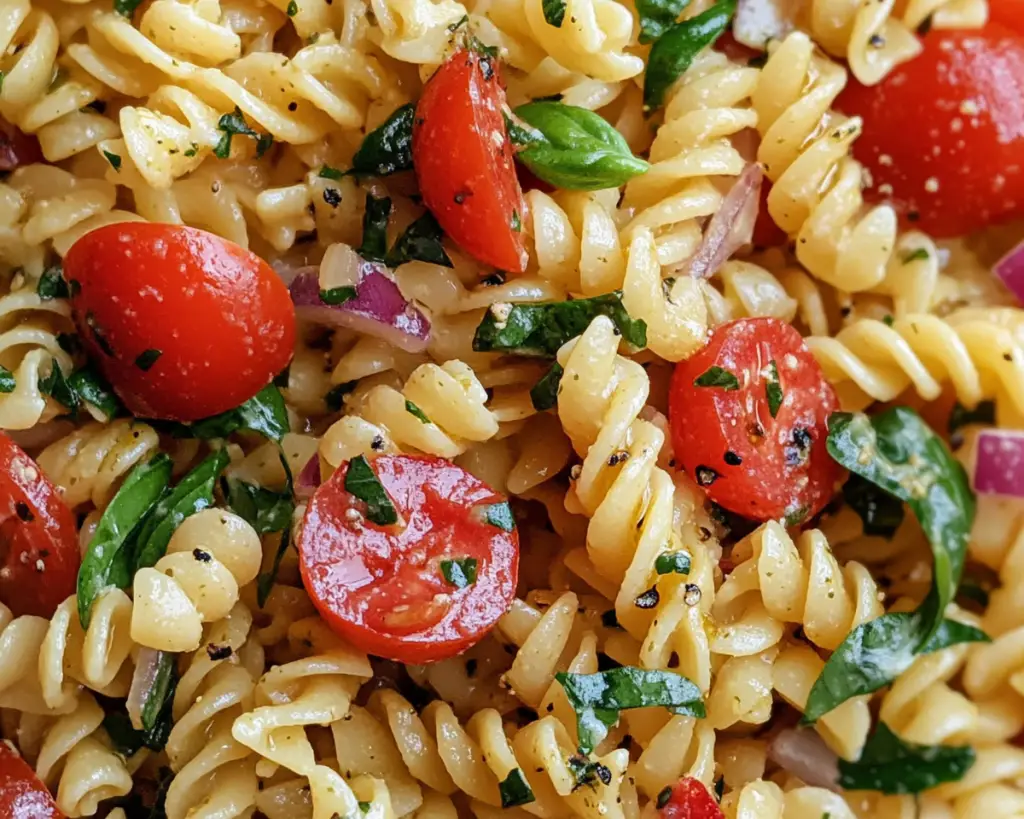
Italian Pasta Salad with Olive Oil is a vibrant and flavorful dish that never fails to capture the hearts of many, from busy parents looking for a quick meal solution to seasoned cooks aiming to impress at a gathering. This recipe brings together the irresistible taste of al dente pasta paired with the freshness of vegetables, all tossed in a rich olive oil dressing that elevates the entire dish. Imagine biting into a forkful of perfectly cooked pasta intertwined with juicy cherry tomatoes, creamy mozzarella balls, and crunchy bell peppers, all drizzled with fragrant olive oil. It’s a symphony of flavors and textures that embodies the essence of Italian cuisine.
This recipe is special not just because of its delightful taste but also due to its ease of preparation. If you are someone who often finds yourself juggling multiple tasks in the kitchen, this pasta salad can be prepared in just 30 minutes with minimal fuss. You’ll learn how to achieve the perfect balance of flavors while accommodating various dietary preferences and achieving a visually stunning dish. With tips on how to customize the salad to suit your palette, you’ll never run out of ideas for your next meal or gathering.
What Is Italian Pasta Salad with Olive Oil?
Italian Pasta Salad with Olive Oil is more than just a side dish; it’s a celebration of ingredients that come together to create an unforgettable culinary experience. Originating from Italy, this dish typically features short pasta like rotini or penne, which is ideal for capturing all the tasty embellishments such as herbs, olive oil, and a variety of hearty vegetables. The texture of the pasta should be al dente, meaning it should have a slight bite to it when chewed—this adds to the overall enjoyment.
The flavor profile of this salad leans heavily on the vibrant ingredients used to prepare it. The use of high-quality olive oil not only dresses the pasta but also enhances the flavors of the tomatoes, cucumbers, and cheeses, making each bite refreshing. Combined with herbs like basil and oregano, and perhaps a splash of balsamic vinegar, the salad takes on a deliciously tangy yet fragrant quality. The versatility of the dish allows it to be served as a side, a lunch, or even a light dinner, tailored according to your desire.
Why You’ll Love This
You will absolutely love Italian Pasta Salad with Olive Oil for its delightful combination of taste and ease of preparation. With just a handful of ingredients, you can whip up a dish that is both hearty and refreshing, making it perfect for any occasion—be it a family lunch, a picnic, or a backyard barbecue. The salad is not only budget-friendly but also an excellent way to make use of seasonal vegetables, thus promoting a healthy and balanced diet.
Many people might think that pasta salads can be overly bland or mushy, but that’s a misconception. This Italian Pasta Salad manages to steer clear of such pitfalls by using fresh ingredients and a simple olive oil dressing, which brings out the natural flavors of each component. Unlike heavier creamy dressings, olive oil lends a lightness that makes it enjoyable even on warm days. Each ingredient plays a vital role: crispy vegetables add crunch, while the hearty pasta provides satisfaction. With its impressive flavor and texture, this recipe is sure to become a staple in your cooking repertoire.
Ingredients You’ll Need
- Short Pasta: Use rotini, penne, or fusilli for best results. Short pasta types hold onto the dressing and mix well with other ingredients.
- Cherry Tomatoes: These add a burst of freshness and juiciness, perfectly complementing the pasta. If unavailable, you can substitute them with diced regular tomatoes.
- Cucumbers: A crunchy element that adds a refreshing touch. English cucumbers work best due to their thin skin.
- Bell Peppers: You can use any color—red, yellow, or green—as they each bring unique flavors. They also add vibrant color to the salad.
- Fresh Basil: Key for that authentic Italian flavor. If fresh basil is unavailable, dried can work in a pinch, but fresh is recommended for better taste.
- Olive Oil: A high-quality olive oil is essential for dressing; it enhances overall flavor significantly.
- Salt and Pepper: Basic but necessary for bringing out the natural flavors of the components.
- Parmesan Cheese: Adds creaminess and depth. You can substitute with nutritional yeast for a dairy-free version.
- Balsamic Vinegar (optional): A drizzle can add tanginess, but this is optional depending on your flavor preference.
How to Make
- Begin by cooking your choice of short pasta. Boil a pot of salted water and add the pasta. Cook according to the package instructions until it reaches an al dente texture. This usually takes about 8-10 minutes. Stir occasionally to prevent sticking. Once done, drain the pasta and rinse under cold water to stop the cooking process. This step is crucial in ensuring the pasta doesn’t become soggy.
- While the pasta is cooking, prepare your vegetables. Quarter the cherry tomatoes and slice the cucumbers and bell peppers into bite-sized pieces. The goal is to have everything uniform in size so that each bite packs a punch of flavor. You can also chop the fresh basil, as this will help release its aromatic oils and infuse the dish.
- In a large mixing bowl, combine the cooked pasta, chopped vegetables, and basil. The colors should be vibrant and inviting. Mixing them while the pasta is still warm helps meld flavors together. Be gentle so that you don’t crush the tomatoes or cucumbers.
- Now, it’s time to make the dressing. In a small bowl, whisk together the olive oil, salt, and pepper. If you’re adding balsamic vinegar for tang, include it here as well. Taste the dressing; it should be rich and balanced without overpowering any single ingredient.
- Pour the dressing over the pasta salad and toss gently to combine. Make sure every piece of pasta and vegetable is coated in the dressing. This is where you’ll notice the pasta absorbing all the flavors from the oil and vegetables. Allow the salad to sit for about 10 minutes at room temperature, or refrigerate it if you prefer it served cold. The resting period allows the flavors to marry more harmoniously.
- Finally, when ready to serve, sprinkle the grated Parmesan cheese over the top. You can also garnish with additional fresh basil for a stunning presentation. Serve in bowls or on plates, and get ready for compliments!
Variations & Substitutions
Vegetarian Variation: You can easily make this Italian Pasta Salad vegetarian-friendly by omitting any non-vegetarian ingredients. Add more vegetables like artichokes, spinach, or even olives to amp up the flavor profile. This variation not only keeps it meat-free but also ensures that each bite is bursting with texture and freshness.
Gluten-Free Variation: For those with gluten sensitivities, simply switch out the traditional pasta with gluten-free versions made from rice, corn, or legumes. These varieties are widely available and offer a similar texture. You won’t sacrifice flavor, and the salad will still come together beautifully.
Protein-Packed Variation: To turn this into a heartier meal, consider adding in grilled chicken, shrimp, or chickpeas. The chicken or shrimp adds a savory depth that complements the other ingredients, while chickpeas provide plant-based protein, making it filling and nutritious.
Herb-Infused Variation: Add different herbs for a unique twist. Try fresh parsley, dill, or even mint. Each herb brings its own character and can dramatically change the flavor of your salad. This is a great way to incorporate seasonal herbs and keep the dish fresh throughout the year.
Cheese Lover’s Variation: If you love cheese, consider adding other varieties such as feta or goat cheese, which can add tanginess and creaminess. Mixing cheeses can elevate the dish, making it more flavorful and robust, appealing to cheese enthusiasts.
Common Mistakes to Avoid
One common mistake many make while preparing pasta salad is overcooking the pasta. Ensure you follow the cooking instructions closely, aiming for that perfect al dente texture. Allow the pasta to cool down quickly as well, as this prevents it from becoming gummy.
Another issue arises from not adequately seasoning. The salad can taste bland without enough salt, especially considering the vegetables release moisture, which can dilute flavors. Make sure to taste the dish once assembled and adjust seasonings if needed.
Using poor quality olive oil can ruin your pasta salad. The dressing is one of the key components; therefore, opting for a high-quality extra virgin olive oil can enhance the overall taste significantly. Lastly, don’t forget to give it a little time to rest; this allows flavors to meld together beautifully, making for a more harmonious dish.
Storage, Freezing & Reheating Tips
Storing your Italian Pasta Salad with Olive Oil is simple. If you have leftovers, place the salad in an airtight container and refrigerate it. It should stay fresh for about 3-4 days. Just remember that the pasta may absorb some of the dressing over time, so you might want to add a splash of olive oil before serving.
While this dish is best enjoyed fresh, it is not recommended to freeze pasta salads, as the texture of the pasta can become mushy once thawed. This dish thrives on fresh, vibrant flavors, and freezing will detract from that.
When reheating, make sure to do so gently. If you prefer eating it warm,, you can do this by placing it in the microwave for a short time with a splash of water to maintain moisture. However, the salad is often enjoyed cold, making it a perfect make-ahead option for busy weekdays or gatherings.
Frequently Asked Questions
Can I make this pasta salad ahead of time? Absolutely! In fact, making it ahead of time allows the flavors to develop even more. You can prepare it a day in advance and store it in the refrigerator. Just remember to toss again before serving, and perhaps add a little extra olive oil to freshen it up.
Is Italian Pasta Salad healthy? Yes, when made with fresh vegetables and a simple olive oil dressing, this salad can indeed be a healthy option. It is a great way to incorporate vegetables into your diet, while also allowing for healthy fats from the olive oil. Pairing it with a protein makes it a balanced meal.
What kind of pasta can I use? Short pasta varieties like rotini, penne, or farfalle work best for pasta salads as their shapes hold onto the dressing and incorporate well with vegetables. However, feel free to experiment with other pasta shapes that suit your preference.
Can I add meat to this pasta salad? Yes! Incorporating cooked chicken, turkey, or even salami can add more flavor and protein, making it a heartier meal. Just ensure that the meat is cooked and cooled down before adding it to the salad to maintain freshness.
Is it okay to modify the ingredients? Definitely! This pasta salad is highly versatile, allowing you to modify ingredients according to your taste preferences or dietary restrictions. Feel free to swap out vegetables or herbs based on what you have available.
Conclusion:
Summarizing the Italian Pasta Salad with Olive Oil, this recipe stands out for its incredible ease of preparation and vibrant flavors. With its fresh ingredients and versatile nature, it’s an ideal dish for any occasion, whether you need a quick meal or something impressive for guests. Don’t hesitate to try it out, customize it to your liking, and share your culinary adventures with others. Happy cooking!