Prep time: 10 minutes
Cook time: 0 minutes
Total time: 10 minutes
Servings: 1 cup
Homemade mayonnaise is one of those culinary delights that can transform a simple dish into something extraordinary. Whether you’re a busy parent trying to whip up quick meals or a beginner in the kitchen looking to impress, this creamy, rich condiment is easy to make and tastes infinitely better than store-bought versions. You may remember a time when a dollop of mayonnaise made a sandwich or a potato salad come alive. This is exactly what homemade mayonnaise offers—you get to control the flavor, texture, and ingredients, making it a unique addition to your kitchen staples.
In this guide, you’ll learn not just how to make homemade mayonnaise, but also how to personalize it with various flavors and ingredients. Get ready to dive into a world of creamy goodness as we explore tips, variations, and the philosophy behind this versatile condiment.
What Is Homemade Mayonnaise (Quick + Creamy)?
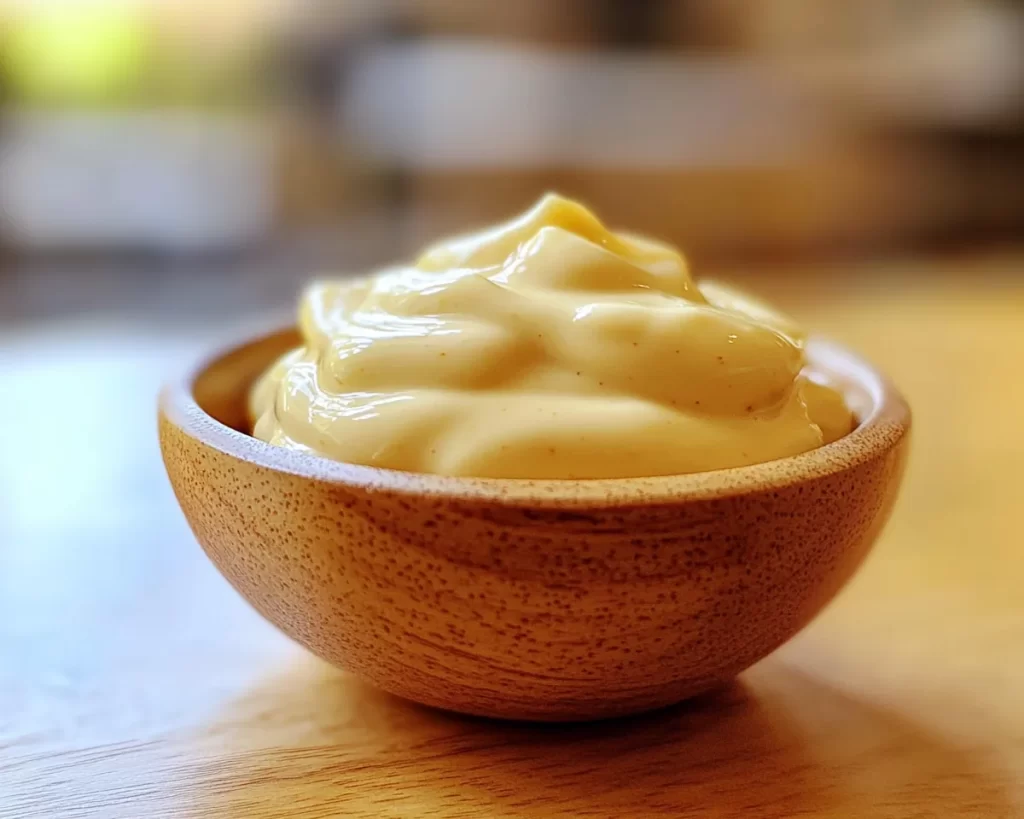
Homemade mayonnaise is an emulsion of oil, egg yolk, and an acid, usually vinegar or lemon juice. Originating from Mediterranean cuisine, mayonnaise is often revered for its smooth texture and rich flavor. When you whip up this condiment at home, you create a luscious, creamy spread that is worlds apart from commercial versions. The shiny surface and thick consistency make it a visual delight, while its taste can range from tangy to mildly sweet, depending on your ingredient choices.
The magic of homemade mayonnaise lies in its versatility. You can easily modify its flavor to create aioli with garlic, herb-infused versions, or even spicy variations that spark a delightful flavor explosion in your mouth. Moreover, when you make mayonnaise at home, you can avoid preservatives and unhealthy additives often found in store-bought brands, giving you peace of mind about what you are consuming.
In terms of flavor, the freshness of the ingredients used has a distinct impact. The moment you pour this silky concoction over a salad, it envelops every component in creamy delight, leaving your taste buds singing with joy. You will quickly find that this is one recipe you’ll keep coming back to time and again.
Why You’ll Love This
One of the most significant reasons to love homemade mayonnaise is its incredible taste. The creaminess you generate using quality ingredients is unmatched. Unlike commercial brands that may have a somewhat artificial flavor, your homemade version will have that authentic, fresh taste that elevates your meals. Imagine how homemade mayonnaise can enhance simple sandwiches, salads, or dips into culinary masterpieces, making even the most mundane meals exciting.
Another appealing aspect is the ease of preparation. You don’t need extensive cooking skills or fancy gadgets. All you really need is a blender or a whisk, a few ingredients, and about ten minutes of your time. For busy parents, this is particularly advantageous. You can prepare a batch while juggling your other responsibilities, ensuring you have a delicious condiment on hand when you need it.
Cost is another reason to consider making homemade mayonnaise. High-quality mayonnaise from stores can come with a hefty price tag, especially if you’re opting for organic or specialty brands. Making your own is not just budget-friendly; it allows you to save money while creating something genuinely special. Plus, it’s always satisfying to whip up something from scratch!
Additionally, you can completely customize homemade mayonnaise to suit your dietary preferences. Whether you’re following a vegan diet, avoiding certain allergens, or limiting cholesterol intake, you can easily modify the recipe to fit your lifestyle. With this simple yet brilliant condiment, everyone can participate in the joy of healthy, delicious eating.
Ingredients You’ll Need
– 1 large egg yolk, room temperature—This acts as the emulsifier, bringing the oil and water together.
– 1 teaspoon Dijon mustard—Adds flavor and contributes to the emulsification process.
– 1 tablespoon white vinegar or lemon juice—The acid balances the richness and adds zest; both options work well.
– 1 cup neutral oil (e.g., canola, sunflower, or grapeseed)—Provides the creamy base; choose oils that don’t overpower the mayonnaise.
– Salt to taste—Enhances the flavor, making it more savory.
– Optional: pepper for seasoning—Adds a hint of spice to your mayonnaise and elevates the overall taste.
When selecting your ingredients, always go for the freshest options. If you’d like to avoid raw eggs, you can use pasteurized eggs to make mayonnaise safely. Additionally, if Dijon mustard is not available, yellow mustard can serve as a substitute, though it will change the flavor profile to a more traditional taste.
How to Make
1. Start by placing the egg yolk, Dijon mustard, and the white vinegar or lemon juice into the bowl of your blender. Blend these ingredients together for a few seconds until combined. This initial step creates a cohesive mixture that enables proper emulsification.
2. With the blender still running, gradually add the neutral oil in a slow and steady stream. It’s crucial to add the oil slowly to allow it to emulsify properly with the egg yolk mixture. You will see the ingredients transform from a liquid to a thick, creamy texture as you add the oil. This process usually takes about 3-5 minutes.
3. Once all the oil is incorporated and you have achieved a thick mayonnaise, stop the blender and taste the mixture. If desired, mix in salt and freshly cracked pepper to personalize your condiment to suit your palate. Blend for an additional 10-20 seconds to combine.
4. If you find the mayonnaise too thick, you can add a few drops of water to reach your desired consistency. Blend quickly just to incorporate. The texture should be smooth and spreadable, not too runny or too thick.
5. Transfer your homemade mayonnaise to a clean, airtight container and refrigerate. This mayonnaise will keep well in the refrigerator for about one week. Always use a clean utensil when scooping out the mayonnaise to maintain its freshness.
Creating your own mayonnaise is not only accessible; it also guarantees that you have complete control over the flavors you create. You can play with different types of oils or acids (like flavored vinegar or citrus juices) to perfectly tailor the taste.
Variations & Substitutions
Garlic Aioli: If you love garlic, making garlic aioli is a straightforward variation. Simply add two or three cloves of minced garlic to the basic mayonnaise recipe during the blending phase. The result is a flavorful delight that pairs beautifully with grilled meats or vegetables. This variation is perfect for anyone looking for a bold, robust flavor or those who enjoy Mediterranean cuisine.
Herbed Mayonnaise: For a fresh twist, you can incorporate herbs like dill, basil, or cilantro. Finely chop about 2 tablespoons of your chosen herb and add it after blending the mayo. This variation provides a burst of freshness and is excellent as a spread for sandwiches or a dip for fries, giving your meal that extra touch. It’s particularly great for outdoor barbecues or picnics.
Spicy Mayonnaise: For those who enjoy a kick, blend in 1-2 tablespoons of sriracha or another hot sauce. This not only adds heat but also increases the flavor complexity. You can adjust the spiciness depending on your taste preference. This spicy mayonnaise can elevate burgers or sandwiches, and it’s fantastic for spicing up sushi.
Vegan Mayonnaise: To make a vegan-friendly version, substitute the egg yolk with silken tofu or aquafaba (the liquid from canned chickpeas). Blend these with the mustard and acid, then proceed as you would with the original recipe. This version offers a thick, creamy texture while being entirely plant-based and can cater to various dietary preferences.
Experimenting with these variations can keep your homemade mayonnaise exciting and versatile. You’ll find that personalizing it caters wonderfully to different palates in your household.
Common Mistakes to Avoid
One of the critical mistakes when making mayonnaise is incorporating the oil too quickly. If you pour the oil in too fast, it won’t emulsify, leading to a broken mayonnaise that is too runny. To fix this, you can try to rescue it by slowly adding a tiny amount of water while whisking vigorously.
Another common issue is using cold eggs. Using cold eggs can result in a mayonnaise that doesn’t thicken properly. Always ensure that your egg yolk is at room temperature for the best emulsion results. If you forget to take it out in advance, you can place the egg in warm water for a few minutes to bring it to a suitable temperature.
Lastly, storing homemade mayonnaise improperly can lead to spoilage. Always use clean utensils and store it in an airtight container. Also, keep an eye on the expiration date of your ingredients, especially the egg yolk, to avoid any food safety concerns.
Storage, Freezing & Reheating Tips
Homemade mayonnaise can be easily stored in the refrigerator in a clean, air-tight container for up to one week. Always make sure to use separate utensils to scoop out the mayonnaise to maintain freshness and avoid introducing any contaminants.
Freezing mayonnaise is not recommended because it separates and changes texture once thawed. Instead, make smaller batches that you can use within a week. If you find you have excess, consider utilizing it in various dishes like potato salad, coleslaw, or as a creamy dressing, thereby ensuring nothing goes to waste.
Reheating mayonnaise isn’t applicable, as it is meant to be used cold or at room temperature. If you need to revive its texture slightly, a brief whisking can help, but it’s best to enjoy this delightful condiment fresh from the fridge.
Frequently Asked Questions
Can I use olive oil to make mayonnaise?
Yes, you can use olive oil to make mayonnaise, but keep in mind that it will impart a stronger flavor. For a milder taste, blend olive oil with a neutral oil such as canola or grapeseed oil. This balance allows you to retain the rich flavor of olive oil without overpowering the other ingredients.
Is homemade mayonnaise safe to eat?
Homemade mayonnaise is safe to eat as long as you use fresh, pasteurized eggs. Pasteurized eggs are heated to a temperature that kills harmful bacteria without cooking the egg, making them a safe choice for raw preparations. Always store your mayonnaise properly to mitigate any risks.
What can I do with leftover mayonnaise?
There are countless ways to use leftover mayonnaise! It’s delicious as a base for salad dressings, as a dip for veggies, or as an ingredient in various recipes like creamy coleslaw, potato salad, or pasta salad. Get creative and experiment with it!
Why is my mayonnaise too thin?
If your mayonnaise is too thin, it’s likely that the oil was added too quickly, preventing proper emulsification. To remedy this, you can try whisking in more oil gradually until it thickens. Alternatively, you can add a small amount of mustard or an additional egg yolk, blending it well for stabilization.
Can I make mayonnaise without mustard?
Absolutely! While mustard helps with flavor and emulsification, it’s not a required ingredient. You can simply increase the amount of vinegar or acid to help stabilize the emulsion. The taste will be slightly different, but it will still be delicious!
Conclusion:
Making homemade mayonnaise is a delightful experience that brings together simple ingredients to create something truly special. Its creamy, rich texture and customizable flavors can elevate any meal, and it’s surprisingly effortless to whip up in just a few minutes. Whether you stick to the classic recipe or experiment with various flavors, you can find joy in crafting your own condiment.
I encourage you to try this recipe, customize it to your taste preferences, and share it with friends and family who may be looking to enhance their culinary skills. The satisfaction of creating something from scratch is unparalleled. Get started on your homemade mayonnaise adventure today!