Prep time: 10 minutes
Cook time: 0 minutes
Total time: 10 minutes
Servings: 1 cup
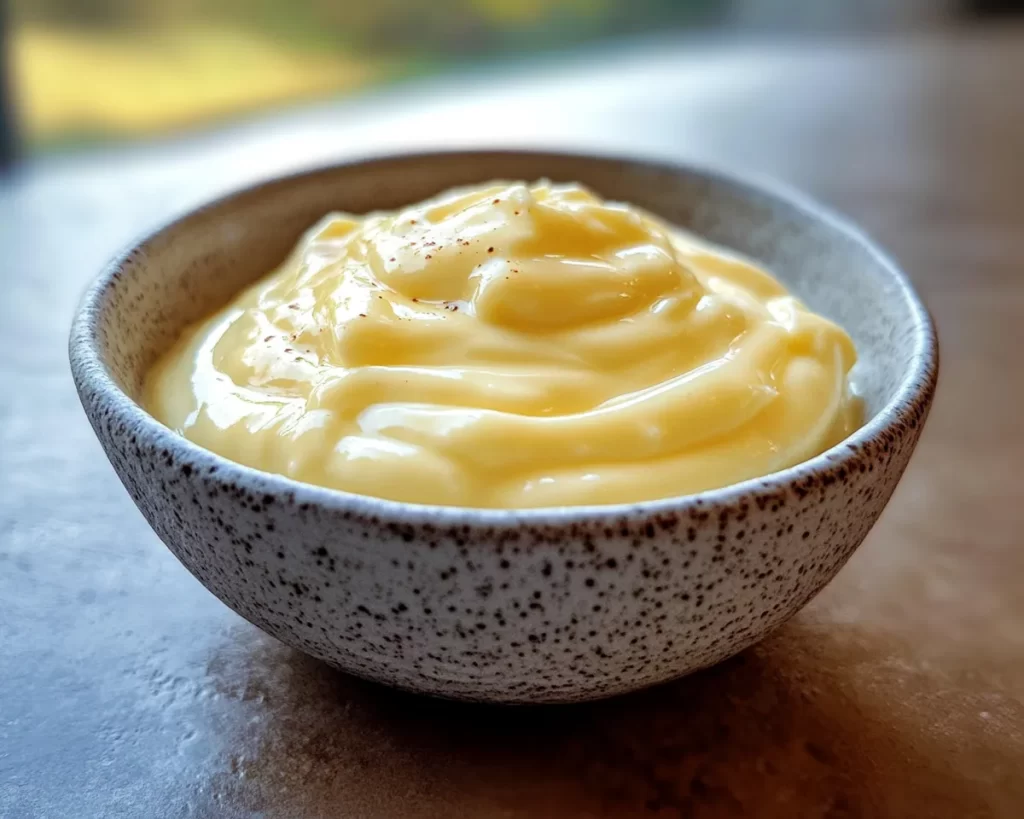
The first time you make your own mayonnaise can be both thrilling and intimidating. It brings up a flood of memories from family gatherings, where the rich aroma of homemade condiments mingled with grilled meats and fresh vegetables. The satisfying feeling of crafting something delicious from scratch lingers long after the last dollop hits your plate. You may think that good mayonnaise is just something you buy in a jar, but once you dive into this smooth, creamy, and custardy concoction made with healthy olive oil, you might never look back. Plus, you’ll be amazed at how easy it is to create your own luscious mayo, allowing you to control the flavors and ingredients.
This recipe will teach you how to whip up a batch of homemade mayonnaise using high-quality olive oil, resulting in a condiment that is far superior to anything store-bought. You will learn tips from selection to storage, ensuring you enjoy delicious, fresh mayo any time your heart desires.
What Is Homemade Mayonnaise (Healthy Olive Oil Mayo)?
Homemade mayonnaise is a creamy condiment that serves as a base for many dishes and sauces. Originating from ancient culinary traditions, mayonnaise is believed to have been created in the 18th century in France, where it quickly became a beloved staple in kitchens around the world. The traditional mayonnaise consists of basic ingredients: oil, egg yolk, lemon juice or vinegar, and salt. However, this recipe focuses on incorporating healthy olive oil, which not only adds exquisite flavor but also provides heart-healthy fats and antioxidants.
The texture of homemade mayonnaise is distinctly creamy, with a velvety mouthfeel that contrasts beautifully with crunchy vegetables or crispy fries. Its flavor is brightened by acidity from lemon juice or vinegar, making it an ideal accompaniment to sandwiches, salads, and dips. The moment you taste your homemade mayonnaise, you’ll immediately notice the difference: it’s richer, more flavorful, and free from the preservatives and additives found in most commercial products.
Why You’ll Love This
You’re going to fall in love with this recipe for so many reasons. First, the taste will knock your socks off – compared to the store-bought version, which can sometimes taste overly processed, your homemade mayo bursts with freshness and flavor. Another fantastic benefit is its ease. Even if you’re a kitchen novice, you can make mayonnaise in just minutes. This recipe takes mere moments to prepare, making it perfect for busy parents or anyone who wants to whip up something special without spending hours in the kitchen.
Moreover, when you make your own mayonnaise, you save money. Premium store-bought mayos can sometimes break the bank, especially those using high-quality ingredients. In contrast, making mayo at home ensures that you’re getting top-notch flavors and ingredients without the hefty price tag. The versatility of homemade mayonnaise is another bonus. You can customize the flavor profiles with herbs, spices, or additional ingredients to fit your needs. It’s not just mayonnaise; it’s a blank canvas waiting for your creativity.
Ingredients You’ll Need
To get started making your healthy olive oil mayonnaise, here are the ingredients you’ll need:
- 1 large egg yolk (room temperature)
- 1 tablespoon Dijon mustard
- 1 tablespoon white wine vinegar or lemon juice
- 1 cup extra virgin olive oil
- Salt to taste
- Freshly ground black pepper (optional)
Each of these ingredients plays a crucial role in the final product. The egg yolk acts as an emulsifier, bringing together oil and vinegar to create a stable, creamy texture. Dijon mustard not only lends a delightful tanginess but also helps with emulsification. The acid from the vinegar or lemon juice adds brightness and balances the oil’s richness. Using extra virgin olive oil gives your mayonnaise a deep flavor and health benefits, such as heart-healthy fats. Finally, adding salt and pepper allows you to enhance the taste to your preference.
How to Make
Now that you have all your ingredients ready, let’s dive into making your homemade mayonnaise.
- In a medium bowl, combine the egg yolk, Dijon mustard, and vinegar or lemon juice. Using a whisk or hand mixer, blend these ingredients together until they are smooth and well combined. This initial step is crucial as it sets the foundation for your emulsion.
- Slowly drizzle in the olive oil. Start with just a few drops while whisking continuously. This step will take a bit of patience, but it’s essential to create a stable emulsion. As the mixture begins to thicken, you can add the oil in a thin steady stream.
- Continue to whisk vigorously for about 2 minutes. You should see the mayonnaise start to transform into a luscious, creamy consistency. If it seems too thick, feel free to add a teaspoon of water to loosen it up a bit.
- Once you’ve achieved your desired thickness, taste the mayonnaise and season with salt and freshly ground black pepper if desired. It’s important to adjust the seasoning to fit your personal taste buds.
- Transfer the mayo to a clean jar or airtight container. Homemade mayonnaise can be stored in the refrigerator for up to one week, but be sure to consume it within this timeframe for optimal freshness.
One key tip is to always ensure that your ingredients are at room temperature. This helps them emulsify better. If you’re ever hesitant about using raw eggs, feel free to seek out pasteurized eggs to reduce any risk while maintaining that delicious creaminess.
Variations & Substitutions
Garlic Aioli Variation: For garlic lovers, consider adding minced garlic to your mayonnaise to create a flavorful garlic aioli. Start with one clove of finely minced garlic and adjust according to your taste. The garlic enhances the flavor profile beautifully, making it a fantastic addition to sandwiches, burgers, or as a dipping sauce for veggies.
Herbed Mayonnaise Variation: If you’re looking to add a fresh twist to your mayo, incorporating chopped fresh herbs—like basil, dill, or cilantro—can be delightful. Adding around two tablespoons of fresh herbs after achieving the basic mayo will provide a lovely burst of flavor. This herbed mayonnaise pairs perfectly with grilled meats or as a vibrant dip for crudités.
Spicy Chipotle Mayonnaise Variation: For those craving a bit of heat, consider mixing in finely chopped chipotle peppers in adobo sauce. Start with one pepper and a teaspoon of the adobo sauce for a mild kick, and increase as needed. This variation is excellent for tacos, grilled fish, or as a zesty spread for sandwiches. The smoky undertones add an exciting contrast to the rich mayo.
Lemon-Dijon Mustard Variation: To brighten up the azure of your mayonnaise, you can experiment with different types of mustard. Using a sweet or spicy mustard can yield a different flavor profile. Adding more lemon juice will enhance that zesty flavor, making it perfect for summer salads or as a sauce for fish dishes.
By customizing your mayonnaise, you take your culinary experience up a notch – try one or all of these variations to discover your favorite!
Common Mistakes to Avoid
Even with simple recipes such as homemade mayonnaise, mistakes can happen! One common mistake is rushing the process, particularly during the oil incorporation step. If you add the oil too quickly, the emulsion might break, resulting in a thin and runny mayo. Always start with a slow drizzle and whisk continuously to achieve that glorious creamy texture.
Another pitfall is using cold ingredients. If your egg yolk is cold straight from the refrigerator, it can make emulsification challenging. Make sure to allow your egg yolk to sit at room temperature for about 30 minutes before beginning. It’s essential for achieving the optimal emulsification as the warmth helps blend the oil better.
Lastly, a critical warning is regarding food safety. Homemade mayonnaise uses raw eggs, which can pose risks if not properly handled. Make sure to use fresh, pasteurized eggs, and store your mayonnaise in the refrigerator, consuming it within a week.
Storage, Freezing & Reheating Tips
Storing homemade mayonnaise is relatively straightforward. While it’s best consumed within a week for optimum flavor, an airtight container in the refrigerator keeps it fresh for a few days longer. Always use clean utensils when scooping out mayo to avoid introducing contaminants.
Freezing mayonnaise is not generally recommended as it can change the texture and result in a separated, grainy mixture upon thawing. If you need to make larger batches, consider splitting them into smaller portions to ensure you use them up quickly.
If your mayonnaise seems to have thickened too much, you can thin it out by whisking in a small amount of water or additional lemon juice until you reach your desired consistency. Just be cautious during the whisking process, as too much liquid can cause the emulsion to break.
Frequently Asked Questions
Can I use whole eggs instead of just the yolk?
Yes, while traditional mayonnaise uses just the yolk for a richer taste, you can certainly use a whole egg. A whole egg will create a lighter and slightly different texture, but it’s a great option for beginners looking for simplicity.
What if my mayonnaise doesn’t emulsify?
If your mayo doesn’t emulsify and appears separated, don’t lose hope! You can salvage it by starting with a new egg yolk in a separate bowl and slowly whisking in the broken mayonnaise a little at a time. This method can help re-establish the emulsion.
Can I make mayonnaise without mustard?
While mustard acts as an emulsifier, it’s not strictly necessary. If you prefer to avoid mustard, you can make mayo without it, but you might want to add a bit more vinegar or lemon juice to maintain the emulsion.
How do I know if my mayonnaise is safe to eat?
To ensure your homemade mayo is safe, use fresh, pasteurized eggs, and store the mayo in the refrigerator. It’s also important to consume it within one week. Keep an eye out for any off smells or changes in color or texture.
What are some uses for homemade mayonnaise?
Homemade mayonnaise is incredibly versatile. You can use it as a sandwich spread, a dip for veggies, or a base for sauces like tartar sauce. It also works well in salads, like potato or egg salad, or even drizzled over grilled meats for a creamy finish.
Conclusion:
This homemade olive oil mayonnaise recipe is not just a guilty pleasure but a great way to elevate your culinary creations. You’ll love the smooth, creamy texture and the bright, fresh flavors that come from making it yourself. Customizing it means that you can enjoy it in various ways, whether it be a classic sandwich spread or a gourmet dipping sauce. So gather your ingredients and start whisking – your taste buds will thank you. Once you try this delightful concoction, you’ll want to share this recipe with friends and family, encouraging them to join you on this delicious journey. Happy cooking!