Prep time: 15 minutes
Cook time: 10 minutes
Total time: 25 minutes
Servings: 4
Imagine waking up to the enticing aroma of freshly made pancakes, golden and fluffy, ready to be enjoyed. But these are no ordinary pancakes; these are **high-protein cottage cheese pancakes** that bring delight along with nutrition. This recipe stands out as it beautifully combines the indulgence of a breakfast favorite with the nourishing benefits of **cottage cheese**, making it the perfect start to your day. Whether you’re an avid gym-goer wanting to boost your protein intake, a busy parent looking for a quick meal, or simply someone craving a delicious breakfast, these pancakes are sure to impress.
You will learn how to effortlessly whip up these pancakes, appreciate their unique texture, and find various tips for customization. Plus, by the end of this guide, you will be enriched with knowledge, including potential variations and all the essentials to ensure your pancakes turn out flawlessly every time.
What Is High-Protein Cottage Cheese Pancakes Recipe for the Perfect Breakfast?
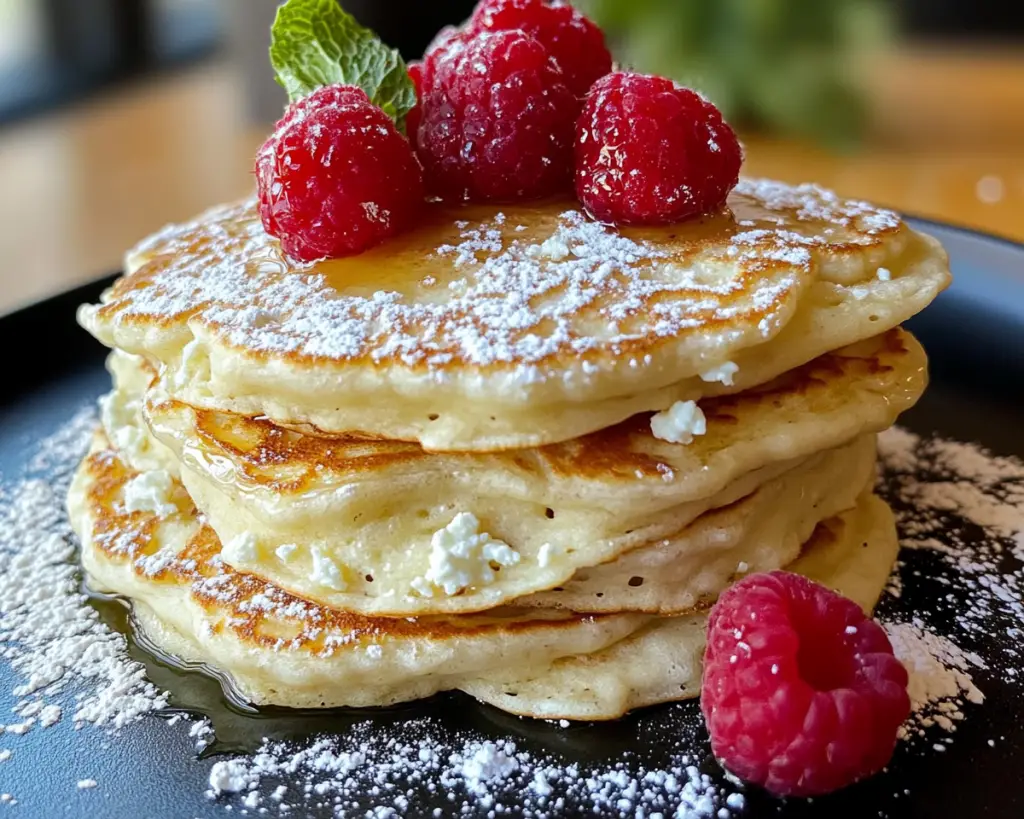
High-protein cottage cheese pancakes are a delightful hybrid between traditional pancakes and an ultra-nutritious breakfast option. Originating from the concept of using **cottage cheese** as a base ingredient in pancake batter, this recipe elevates the common pancake by infusing it with a healthy dose of protein. The unique creamy texture of cottage cheese lends itself beautifully to creating pancakes that are both fluffy and rich. As you cook them, you will notice how they become lightly browned on the outside, while maintaining a soft and moist interior, savory enough to enjoy with a touch of maple syrup or fresh fruit.
One of the best aspects of these pancakes is their exceptional flavor profile. They have a hint of sweetness with a subtle tang from the cottage cheese, making them versatile enough to complement both sweet and savory toppings. You can customize them with various ingredients, making them suitable for different taste preferences and dietary needs. With such an array of textures and flavors, these pancakes will become a hit at your breakfast table.
Why You’ll Love This
There are numerous reasons to fall in love with high-protein cottage cheese pancakes. Firstly, the **taste** is simply delightful; they are light and fluffy while maintaining rich flavor. Imagine the warm, satisfying bite as you enjoy each forkful dripping with maple syrup or accompanied by fresh berries. Additionally, being quick to prepare, these pancakes are perfect for busy mornings where time is limited.
Health-wise, incorporating cottage cheese boosts the protein content significantly compared to regular pancakes. This means you’ll stay satiated longer, making it an ideal choice for those focused on **healthy eating** or anyone looking to add more **protein** into their diets. Moreover, with just a few simple ingredients, it’s a cost-effective meal option that doesn’t compromise on **nutrition** or flavor.
Lastly, the versatility of this recipe means you can easily alter it to suit your dietary preferences. Gluten-free? Dairy-free? No problem! You have plenty of options for substitutions while still enjoying a hearty breakfast. Whether you’re new to cooking or an experienced chef, these pancakes allow for creativity and adaptation, ensuring breakfast never has to be boring again.
Ingredients You’ll Need
- Cottage cheese: This is the key ingredient that makes these pancakes higher in protein. Opt for low-fat or full-fat based on your preference.
- Eggs: They act as a binding agent while adding fluffiness. You can use whole eggs or egg whites for a lighter option.
- Oats: Rolled oats lend a hearty texture to the pancakes. You can replace them with almond flour or whole wheat flour for different textures.
- Baking powder: This is crucial for helping the pancakes rise and become fluffy. Ensure your baking powder is fresh for the best results.
- Vanilla extract: A splash adds lovely flavor and enhances the overall taste of the pancakes. Feel free to use pure vanilla for a richer profile.
- Salt: A pinch of salt balances the sweetness from the other ingredients.
- Milk: Any milk works best, whether it’s dairy or a plant-based alternative, to achieve the desired batter consistency.
Each ingredient contributes significantly to the flavor, texture, and nutritional value of these pancakes. Combining cottage cheese with oats and eggs allows them to sustain energy longer, making them a perfect breakfast choice.
How to Make
- Begin by gathering all your ingredients. This ensures you won’t have to dash to the pantry mid-recipe. In a medium mixing bowl, combine the cottage cheese, eggs, and vanilla extract. Use a fork or whisk to mix thoroughly until smooth. Don’t be alarmed if a few lumps remain; that’s from the cottage cheese and perfectly fine.
- Next, add the oats, baking powder, and salt to the mixture. Gently fold these dry ingredients into the wet mixture until just combined. Be careful not to overmix, as this can lead to tough pancakes.
- Slowly stir in the milk to the batter, adjusting the quantity until you achieve a smooth and pourable consistency. It should be thicker than traditional pancake batter but still flow easily off a spoon.
- Heat a non-stick skillet or griddle over medium heat. Lightly grease it with a small amount of cooking oil or butter. Once hot, drop 1/4 cup of batter onto the skillet. Allow it to cook undisturbed for 2-3 minutes, or until bubbles form on the surface.
- Gently flip the pancake using a spatula and cook for another 2-3 minutes, until golden brown on both sides. Repeat this process with the remaining batter, adjusting the heat as necessary to avoid burning.
- Once cooked, remove the pancakes from the skillet and keep them warm in a low oven. You can serve them with fresh fruits, yogurt, or maple syrup. Enjoy the satisfying, light, fluffy texture!
This simple method of preparation ensures that anyone can master it, regardless of their cooking skill level. The best part? You can tailor each pancake with add-ins like blueberries or chocolate chips for a delightful twist.
Variations & Substitutions
Vegan Option: To create a vegan version of these pancakes, substitute the eggs with flaxseed meal combined with water (1 tablespoon flaxseed meal + 2.5 tablespoons water = 1 egg). Use a plant-based milk, such as almond or coconut milk, along with a vegan-friendly protein source like tofu in place of cottage cheese. This keeps the protein content high while accommodating a vegan diet.
Gluten-Free Variation: For gluten-free pancakes, replace the oats with gluten-free flour or a blend of almond flour and coconut flour. Ensure that your baking powder is also certified gluten-free. This variation maintains the fluffy texture while catering to those avoiding gluten without sacrificing taste.
Chocolate Chip Delight: If you’re in the mood for something sweeter, add a handful of semi-sweet or dark chocolate chips to the batter before cooking. This indulgent take will create a delightful chocolatey experience that will leave you feeling satisfied yet not guilty.
Fruit-Infused Pancakes: Incorporate mashed bananas or grated zucchini for an added nutritional boost. Bananas will impart natural sweetness and moisture, while zucchini lends moisture with minimal impact on flavor. Both variations brighten the taste, adding natural sweetness without extra sugar.
Savory Spinach and Feta Pancakes: For a savory twist, mix in some finely chopped fresh spinach and crumbled feta cheese. This version works elegantly as a brunch option, especially when served with a dollop of yogurt or cream cheese. The combination of flavors will be a hit, especially for those looking to incorporate more veggies into their diets.
Considering these variations, you can indulge in high-protein pancakes customized to your taste preferences every time you make them!
Common Mistakes to Avoid
One common mistake when making high-protein cottage cheese pancakes is **overmixing** the batter. This leads to dense and tough pancakes rather than the desired fluffy texture. It’s essential to combine your ingredients until just mixed; slight lumps from the cottage cheese are completely normal and encouraged!
Another important point is the heat of the skillet. If the skillet is too hot, the outer layer of the pancakes may burn before the insides are properly cooked through. Conversely, cooking on too low of heat can result in flat, soggy pancakes. Aim for a medium-level heat, testing with a small drop of batter first to find the perfect temperature.
Lastly, don’t forget to allow the pancakes to rest on a baking tray in a warm oven while cooking the rest. This helps prevent them from getting cold and ensures everything is served warm.
Storage, Freezing & Reheating Tips
For preparation and storage, these pancakes can easily be made in advance. Once completely cooled, you can store them in an airtight container in the refrigerator for up to three days. Make sure to separate layers with parchment paper to avoid sticking.
If you’re looking to prolong their life, you can freeze the pancakes. After they cool, stack them with parchment paper between each pancake, then place them in a freezer bag or container. Properly stored, they can last for up to three months in the freezer.
When you’re ready to enjoy your frozen pancakes, simply take out the desired number and reheat them. You can thaw them overnight in the refrigerator or use the microwave directly. Heat them in 30-second intervals until warm, or pop them in the toaster for a few minutes. If using the oven, warm them at 350°F (175°C) for about 10–15 minutes, depending on thickness. This ensures the pancakes retain their fluffy texture and are ready to be served.
Remember to always adhere to food safety best practices, ensuring that any leftovers do not sit at room temperature for more than two hours.
Frequently Asked Questions
Can I use low-fat cottage cheese for this recipe?
Absolutely! Low-fat cottage cheese works beautifully in this recipe. It will still give you the protein boost you’re looking for while decreasing the calorie content. Just make sure it’s a brand you enjoy the taste of, as this will affect the flavor of your pancakes.
What is the best way to serve these pancakes?
There are endless ways to serve these pancakes. You can drizzle them with pure maple syrup, and pair them with fresh berries or banana slices. Additionally, try adding a dollop of Greek yogurt or nut butter for an extra protein hit. The versatility of toppings allows you to personalize each serving!
Can I make a larger batch and store it for later?
Yes! This recipe can easily be doubled or even tripled. Just ensure to follow the same cooking method. They store well in both the fridge and freezer (as detailed above), making them ideal for meal prep. Enjoy a stack ready for busy mornings!
How can I make these pancakes sweeter?
If you prefer a sweeter pancake, you can add a tablespoon of your favorite sweetener, such as honey, agave syrup, or brown sugar, into the batter. Alternatively, topping with sweet sauces such as pancake syrup or a fruit compote can also enhance the sweetness.
What if the batter is too thick?
If your pancake batter ends up being too thick, simply add a little more milk, a tablespoon at a time, until you reach the desired consistency. A good pancake batter should be thick yet pourable. Remember not to overmix!
Conclusion:
In conclusion, high-protein cottage cheese pancakes are not just a delightful breakfast; they are also a powerhouse of nutrition, especially for those seeking high-protein meals. Their ease of preparation and customizability makes them perfect for anyone from beginners to experienced cooks. I encourage you to try this recipe and customize it to your liking. Have fun exploring different toppings and variations, and don’t hesitate to share your creations with others. Happy cooking!