Prep time: 15 minutes
Cook time: 30 minutes
Total time: 45 minutes
Servings: 4 servings
Imagine waking up to the smell of a deliciously savory dish wafting through your kitchen. A hearty frittata, especially one made with tender potatoes, is a beautiful way to start your day. It’s not just a breakfast item; it’s a delightful comfort food that you can enjoy any time. This frittata recipe is special because it embodies simplicity and flavor, allowing you to whip up a nutritious meal in no time. You’ll not only savor each bite but also appreciate how easy it is to prepare, making it a perfect choice for busy mornings or lazy weekends.
In this article, you’ll learn how to create a classic frittata bursting with flavor, incorporating healthy ingredients that leave you feeling satisfied. We’ll also explore various ways you can customize this dish to suit your taste preferences and dietary needs. With just a few tips, you’ll soon master the art of frittata-making!
What Is Frittata Recipe with Potatoes (Comfort + Healthy)?
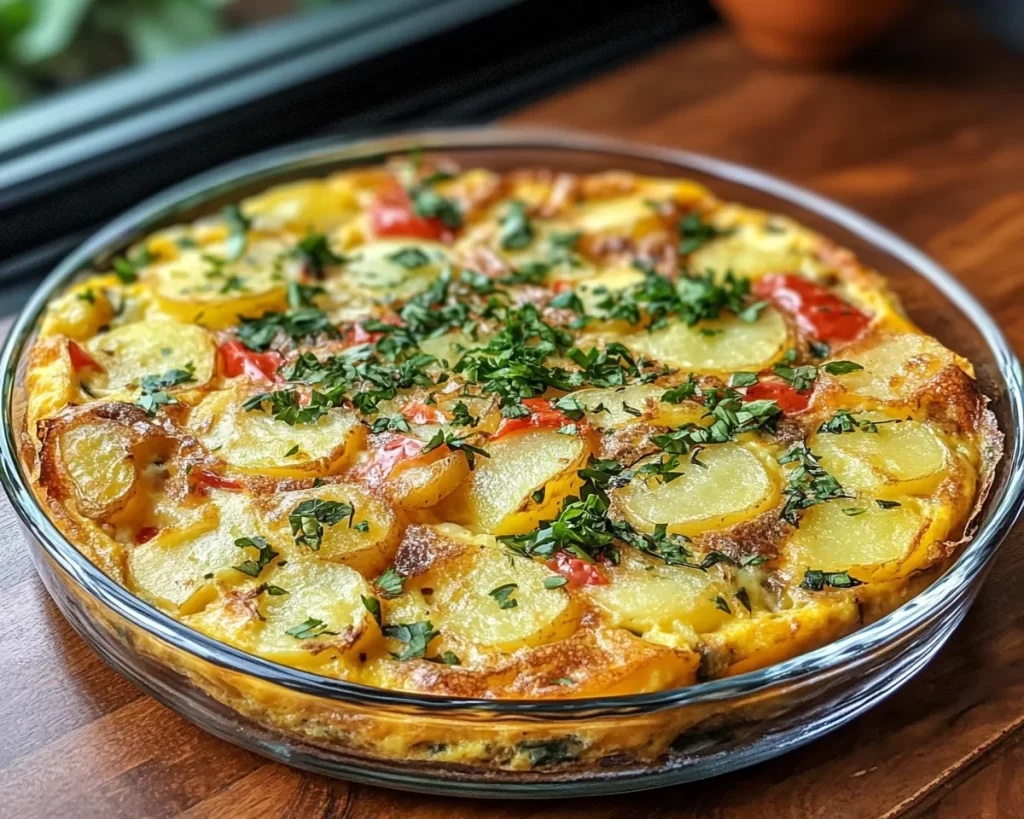
A frittata is an Italian egg dish that closely resembles an omelet or quiche but is somehow simpler and more rustic. Originating from Italy, this delicious dish is traditionally made by combining eggs with various ingredients, like vegetables, meats, and cheeses, and cooked slowly, usually in a skillet. The texture of a frittata is soft and creamy, yet it develops a slight golden crust on the exterior, inviting you to take that first delectable bite.
The flavor is rich and versatile, allowing for combinations that can please a wide variety of palates. By adding potatoes, this frittata becomes a filling and satisfying dish that can serve as breakfast, lunch, or dinner. The earthy, creamy taste of the potatoes complements the rich eggs while providing a wonderful texture contrast. If you’ve never tried making a frittata at home, now is the perfect time to dive into this culinary adventure.
Why You’ll Love This
There are several reasons why this frittata recipe with potatoes stands out. First and foremost is its incredible taste. The combination of tender potatoes, egg, and your choice of vegetables and seasonings creates a dish that’s not only palatable but also comforting. It’s a comfort food you can feel good about, packed with nutrients that nourish your body.
Another fantastic benefit is its ease and speed of preparation. Whether you’re a busy parent looking for a quick meal or just someone who wants to whip up something satisfying without fuss, this frittata is made for you. In less than an hour, you can have a delicious meal on the table.
Lastly, consider the versatility of this dish. You can use what you have on hand, making it a cost-effective choice. Leftover vegetables, fresh herbs, or different types of cheese all work wonderfully, which minimizes waste and maximizes flavor.
Finally, some people think making frittatas is complicated, but I assure you it is not! You can achieve a café-worthy dish right in your own kitchen. Just remember, the secret lies in the quality of your ingredients and the method of cooking. Simple does not mean boring, especially in the case of a well-made frittata!
Ingredients You’ll Need
- 6 large eggs: They serve as the base of the dish, creating a fluffy and rich texture. You can substitute with egg whites or egg alternatives for a lower-calorie option.
- 2 medium potatoes: Peeled and diced; they add heft and heartiness. You may use sweet potatoes for a different flavor twist.
- 1 small onion: Chopped for flavor; it can be substituted with shallots or leeks for a more delicate taste.
- 1 bell pepper: Diced; adds both sweetness and color to your frittata. Feel free to swap it with your favorite veggies.
- 1 cup grated cheese: Cheddar, feta, or any cheese you prefer will melt beautifully, enhancing the dish’s creaminess.
- Salt and pepper: Essential for seasoning. You can also add herbs like thyme or parsley for extra flavor.
- 2 tablespoons olive oil: Used for sautéing vegetables, offering a healthful fat source. You can replace it with butter for a richer taste.
In case you want to add some flair, consider incorporating herbs like basil or spinach for freshness. Don’t hesitate to get creative and utilize leftovers in your fridge; it’s the perfect dish to experiment with!
How to Make
- Prepare the potatoes: Start by peeling and dicing the potatoes into small cubes, approximately half an inch thick. The smaller the pieces, the faster they will cook. Heat a skillet over medium heat and add 1 tablespoon of olive oil. Once hot, add the diced potatoes and season with salt and pepper. Sauté them for about 10-12 minutes or until they are fork-tender and golden brown. Stir occasionally to ensure even cooking.
- Sauté the vegetables: After the potatoes are cooked, transfer them to a plate. In the same skillet, add the remaining tablespoon of olive oil and toss in the chopped onion and bell pepper. Sauté these for about 5-7 minutes until softened and translucent. The combination of onion and bell pepper heightens the aromatic profile of the dish.
- Mix the eggs: While the vegetables are cooking, crack the eggs into a large bowl, season with a pinch of salt and pepper, and whisk until fully combined. You want the yolks and whites thoroughly mixed, which helps create a light and airy frittata. If you like, you can mix in any fresh herbs you may want to use at this stage.
- Combine ingredients: Add the sautéed vegetables and cooked potatoes to the egg mixture. Gently fold everything together until it’s well mixed. Be careful not to over-stir, as you want to keep some of the integrity in the potatoes and veggies. If you’re using cheese, fold in half now and reserve half for the top.
- Cook the frittata: Wipe the skillet clean, then return it to the heat. If needed, add a bit more oil to coat the bottom. Pour the egg mixture into the skillet. Let it cook on medium-low heat for about 5-7 minutes or until the edges start to set. As the frittata cooks, gently lift the edges with a spatula and tilt the pan to allow uncooked egg to flow underneath.
- Finish under the broiler: When the frittata is nearly set but still slightly jiggly in the center, sprinkle the reserved cheese on top and transfer the skillet to the oven. Broil on high for 3-5 minutes or until the top is golden and cooked through. Keep a close eye to avoid burning. The result should be a beautiful rise with a lovely golden hue.
- Cool and serve: Once cooked, carefully remove the frittata from the oven. Allow it to cool in the pan for about 5 minutes before slicing into wedges. You can serve it warm or at room temperature. It pairs wonderfully with a fresh green salad or some crispy toast.
Remember that practice makes perfect! If you’re a beginner, don’t be discouraged if it doesn’t turn out perfectly the first time. Cooking is all about exploration and enjoying the process.
Variations & Substitutions
Vegetable Frittata Variation: You can easily transform this frittata into a garden variety by substituting the potatoes with spinach, tomatoes, or zucchini. These vegetables not only reduce caloric intake but also enhance flavors significantly. Spinach, in particular, adds a lovely earthiness and complements the beautiful yellow of the eggs. You can safely sauté chopped spinach until wilted and add it into the egg mixture. This is excellent for those looking to increase their vegetable intake, and it can be a fantastic addition to your healthy lifestyle.
Meat Lover’s Frittata Variation: For those with a hearty appetite, consider including diced ham, crumbled sausage, or even cooked bacon. Adding meat not only elevates the protein content but also enhances the overall texture and flavor. Simply cook your favorite meat in the skillet before adding the onions and peppers. This variation is perfect for breakfast fans needing that protein boost throughout their busy day. Whether it’s a Sunday brunch or a family gathering, this frittata will certainly make a statement.
Cheese Variations: The cheese used can drastically change the flavor profile of your frittata. Instead of cheddar, try using crumbled feta for a tangy element or soft goat cheese for creaminess. Each type gives a unique taste experience, so feel free to combine different cheeses for multiple flavors. For those who are lactose-intolerant, there are excellent dairy-free cheese alternatives that can mimic the traditional flavors and textures beautifully.
Common Mistakes to Avoid
One common mistake is overcooking the frittata. If you allow it to cook for too long, you risk a dry and rubbery texture. Always remove it from the heat when it’s just set but still slightly jiggly in the center. Monitor the cooking process closely!
Another pitfall is failing to season properly. Just like any other dish, adding salt and pepper will elevate the flavors. It’s best to taste the mixture before cooking, especially if you’re using cheese, as some cheeses can already be quite salty.
Lastly, not using a non-stick skillet could lead to disaster when it comes time to slice and serve. A non-stick skillet will help ensure your frittata releases easily, giving you those perfect wedges to present. Invest in quality cookware!
Storage, Freezing & Reheating Tips
Once you’ve experienced the joy of this frittata, you’ll likely have leftovers, and that’s fantastic! To store your frittata, simply cool it completely and wrap it in plastic wrap or place it in an airtight container. It will keep in the refrigerator for up to 3-4 days.
If you want to prolong its life, consider freezing portions. Slice the frittata into wedges, and wrap each slice tightly with plastic wrap before placing them in a freezer-safe bag or container. They can be stored for up to 2-3 months. Always label your containers with the date for food safety!
When you’re ready to enjoy a frozen slice, simply thaw in the refrigerator overnight, and then reheat it in the oven at 350°F (175°C) for about 15-20 minutes. You can also microwave it for a quicker option, but be cautious not to overcook it to prevent a tough texture.
To ensure food safety, always check for signs of spoilage, such as an off smell or appearance, before consuming any leftovers.
Frequently Asked Questions
Can I make a frittata ahead of time? Yes! Making a frittata ahead of time is a great way to save meals for the week. You can prepare it up to two days in advance and simply store it in the refrigerator. When you’re ready to eat, reheat as described previously.
What’s the best way to tell if my frittata is done? The best way to tell if your frittata is done is to look for a firm edge and a slightly jiggly center. When you insert a knife into the center, it should come out clean. Remember that it will continue to cook slightly even after you take it off the heat.
Can I use egg whites instead of whole eggs? Absolutely! If you’re looking for a lower-calorie version, feel free to substitute whole eggs with egg whites. You can also use a combination of eggs and egg whites for a balance of flavor and health benefits.
Can I serve a frittata cold? Yes! A frittata can be enjoyed either warm or cold. This makes it particularly versatile for picnics or as a lunch option. The flavors often intensify when it sits, making it even more delicious when chilled.
What is the best pan for cooking a frittata? A non-stick skillet is the best option for making a frittata, as it prevents sticking and ensures easy removal. A seasoned cast iron skillet is another excellent choice if well-maintained, providing excellent heat retention for even cooking.
Conclusion:
This frittata recipe with potatoes is not only easy and delicious, but it also boasts a range of flavors that satisfy any appetite. From breakfast to dinner, you can serve it in countless ways, making it an incredibly versatile dish for busy families or individuals managing their time in the kitchen.
I encourage you to try this recipe and make it your own by customizing ingredients based on your preferences or what’s available. Feel free to share your experiences and variations! Happy cooking!