Prep time: 15 minutes
Cook time: 25 minutes
Total time: 40 minutes
Servings: 4
There’s something magical about a frittata that makes it one of the most *comforting* dishes to serve and savor. You might find yourself craving a quick breakfast, a satisfying lunch, or even a delightful dinner—all in one. What makes this Frittata Recipe with Leftover Veggies special is that it transforms your leftover vegetables into a nourishing meal, while also reducing food waste. In a world where reducing waste is more important than ever, this dish not only offers *deliciousness* but also a practical approach to cooking.
In this recipe, you will discover how to whip up a frittata that is *easy* and *versatile*, allowing you to play around with flavors based on what you already have in your fridge. You’ll learn about the essential ingredients, a step-by-step guide to creating your masterpiece, plus some awesome variations to suit various dietary needs. No more tossing out those sad, forgotten veggies!
What Is Frittata Recipe with Leftover Veggies (No Waste)?
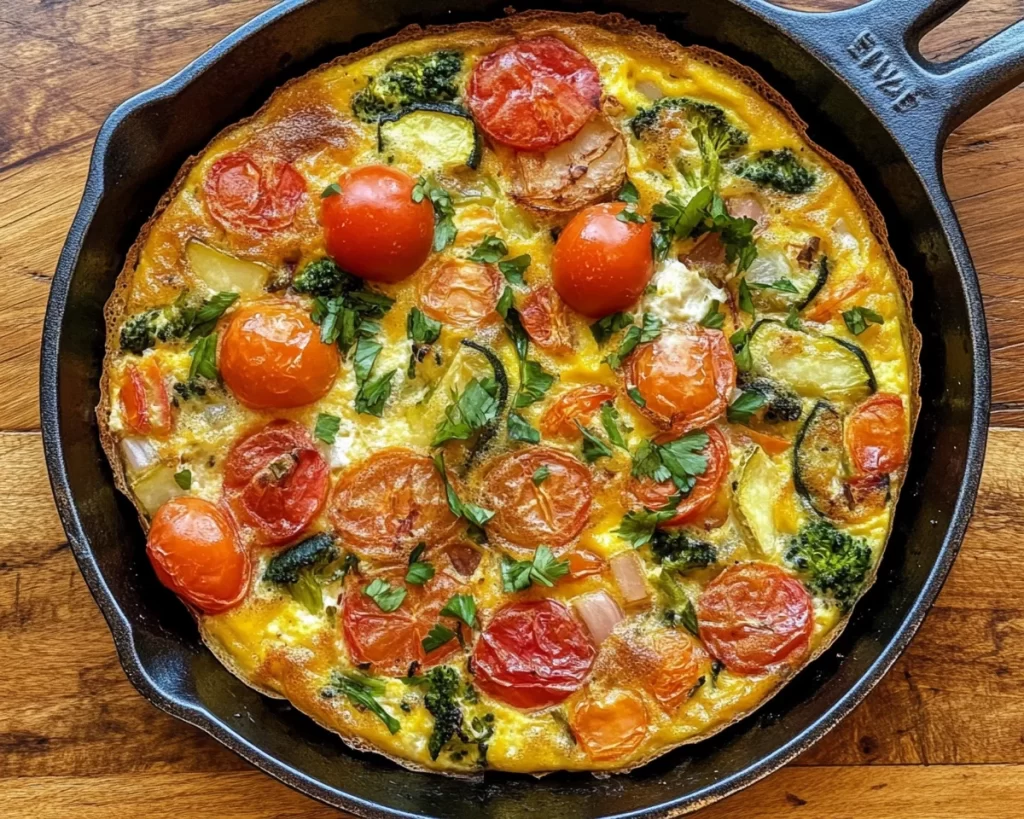
A frittata is an Italian dish that resembles an omelet or crustless quiche but is distinct in its preparation and texture. It begins on the stovetop and finishes cooking in the oven, leading to a fluffy and *light* final product that’s packed with flavor. The beauty of this dish lies in its adaptability; you can use nearly any vegetable you have on hand, making it perfect for using up those leftover veggies that might otherwise go to waste. Think of wilted spinach, diced bell peppers, or even roasted zucchini; they all shine in this dish.
The frittata’s charm also comes from its blend of textures—from the creamy egg base to the bite of crisp vegetables. It’s the kind of dish that welcomes customization, allowing you to add spices or cheeses that resonate with your taste preferences. Whether you are feeding a busy family or prepping for a week of meals, this frittata is an excellent choice that fills your belly and warms your heart.
Why You’ll Love This
There are numerous reasons to adore this frittata recipe. For one, its taste is *incredible*. The gentle blending of eggs with the vibrant flavors of fresh or roasted vegetables makes for a delightful taste experience. The frittata can be seasoned with herbs or spices of your choice, enhancing its already rich flavor profile.
Another reason to love this dish is its *ease*. Even if you’re a beginner in the kitchen, this recipe is straightforward. You can have a delicious meal on the table in just about 40 minutes! Plus, it’s a fantastic way to boost your health. Packed with protein and vegetables, it serves as a nutritious meal option that can help you maintain a balanced diet.
Lastly, let’s talk about cost. Utilizing your leftover veggies is not only good for the planet; it’s also kind to your wallet. By taking ingredients you already have and turning them into something remarkable, you can minimize your grocery costs, making this recipe ideal for anyone on a budget.
Ingredients You’ll Need
- 6 large eggs: The base of your frittata. Fresh eggs will yield the best flavor and texture.
- 1 cup leftover vegetables: This could include bell peppers, spinach, onions, or zucchini. Choose whatever you have on hand.
- 1/2 cup shredded cheese: Cheddar, mozzarella, or feta work well. Cheese adds richness and complexity.
- 1/4 cup milk: Enhances the creaminess of the eggs. You can use dairy or a plant-based alternative.
- 1 tablespoon olive oil: For sautéing the vegetables. It’s a heart-healthy option that adds flavor.
- Salt and pepper: Essential for seasoning your dish to perfection.
- Herbs (optional): Fresh or dried herbs like thyme or basil can elevate your frittata’s flavor.
Each ingredient plays a significant role. The eggs are your protein-packed base, while *leftover vegetables* add flavor and nutrition. Cheese brings a layer of *richness*, and milk contributes to a fluffy texture—essential for that melt-in-your-mouth experience. Olive oil not only aids in preventing sticking but also enhances the dish’s flavor profile. Don’t forget to adjust for salt and pepper to make sure each bite is seasoned just right!
How to Make
- Preheat your oven: Start by preheating your oven to 375 degrees Fahrenheit (190 degrees Celsius). This initial step ensures that your frittata cooks evenly and gets that lovely golden top.
- Prepare the vegetables: Heat the olive oil in a large, oven-safe skillet over medium heat. Add your leftover vegetables and sauté for about 3-5 minutes or until they become tender. This process helps intensify the flavors of your vegetables and brings out their natural sweetness.
- Whisk the eggs: While the vegetables are cooking, grab a mixing bowl and whisk together the eggs, milk, salt, and pepper until the mixture is fully blended. The aim here is to incorporate a bit of air into the eggs, which will contribute to a *fluffier* frittata.
- Combine everything: Once your vegetables are cooked, spread them evenly across the skillet. Pour the egg mixture over the vegetables, allowing it to cover everything evenly. Sprinkle your shredded cheese on top, adding an extra layer of *hearty* flavor.
- Cook on the stovetop: Allow the skillet to cook on the stovetop for about 2-3 minutes. This step allows the bottom of the frittata to set slightly before transferring it to the oven.
- Bake the frittata: Carefully transfer the skillet to your preheated oven. Bake for 15-20 minutes or until the frittata is puffed up and the center is set. You can test doneness by inserting a knife into the center; it should come out *clean*.
- Cool and serve: Once baked, remove the skillet from the oven and let the frittata cool for a few minutes before slicing. This cooling time helps settle the frittata, making it easier to cut into wedges. Serve warm or at room temperature, garnished with fresh herbs if desired.
This step-by-step guide should make it simple for anyone to whip up this delightful dish. Imagine the aroma filling your kitchen as the frittata bakes, leaving everyone eagerly waiting for the first bite!
Variations & Substitutions
Vegetarian Delight: If you want to keep it strictly vegetarian, consider incorporating mushrooms, asparagus, or even some cherry tomatoes into your frittata instead of meat. These vegetables have bold flavors and pair beautifully with eggs. Additionally, feel free to add more herbs—like dill or scallions—to enhance the overall taste of this vegetarian-friendly option.
Protein-Packed Frittata: For those looking to increase their protein intake, adding diced ham, turkey, or even cooked quinoa can take your frittata to the next level. These ingredients can add both heartiness and flavor to the dish, making it a satisfying meal suitable for any time of day. Remember to pre-cook any meat so that it gets nicely integrated into the eggs.
Dairy-Free Option: If you need a dairy-free alternative, substitute the regular cheese with a dairy-free cheese option, and use almond or oat milk instead of regular milk. The texture may differ slightly, but it will still be delicious. Ensure to check the labels on the cheese to find one that melts well to mimic that creamy texture.
Spicy Frittata: For those who enjoy a little kick, this frittata is an excellent canvas for adding heat. You can incorporate diced jalapeños or a sprinkle of crushed red pepper flakes into your vegetable mix. Additionally, consider topping your frittata with a drizzle of hot sauce or sriracha for an extra burst of flavor.
Each variation allows you to make this dish your own. The beauty of a frittata lies in its adaptability, making it the perfect solution for using up whatever you have in your kitchen!
Common Mistakes to Avoid
One common mistake people make when preparing a frittata is using too many watery vegetables. Ingredients like zucchini and tomatoes, while tasty, can release excess moisture during cooking. To combat this, always sauté these vegetables before adding them to the egg mixture. This crucial step will reduce moisture and prevent a soggy frittata.
Another *critical cooking warning* involves overcooking the frittata. If cooked too long, it can become dry and rubbery. Keep a close watch, especially during the baking process. Once it’s set and lightly browned, it’s ready to come out!
Lastly, forgetfulness when seasoning can lead to a bland dish. Always taste your vegetable mixture before combining with the eggs. A good sprinkle of salt and pepper can elevate the entire meal, making it truly delicious.
Storage, Freezing & Reheating Tips
Storing leftovers is a breeze. Once the frittata has cooled down, you can store it in an airtight container in the refrigerator for up to 3-4 days. For best results, it’s best to slice the frittata before storing, as this makes it easier to reheat individual portions.
If you want to enjoy it later, freezing the frittata is also an excellent option. Allow it to cool entirely, then slice it into wedges and wrap each piece tightly in plastic wrap before placing them in a freezer-safe bag. It should last for about 2-3 months in the freezer. When ready to enjoy, simply thaw it overnight in the refrigerator and reheat slices in the oven or microwave until heated through.
When reheating, avoid using high temperatures as they can dry out the frittata. A gentle reheat at a lower temperature will keep the moisture intact and the flavor vibrant.
Frequently Asked Questions
Can I make a frittata ahead of time and store it?
Yes, absolutely! Frittatas are fantastic for meal prep. You can make it a few days in advance and store it in an airtight container in the refrigerator. Just ensure it cools down completely before storing to maintain its texture.
What can I substitute for eggs in a frittata?
If you’re looking for an egg substitute, consider using a mixture of silken tofu and nutritional yeast for a similar texture. For each egg, use 1/4 cup of blended tofu mixed with a tablespoon of nutritional yeast. This option is also suitable for vegans.
How do I know when my frittata is done?
The frittata is fully cooked when it has puffed up and is set in the center. Additionally, inserting a knife in the middle should come out clean. If the center jiggles, it needs more time in the oven.
Can I use frozen vegetables for this recipe?
Yes, frozen vegetables can be used in a pinch. Just make sure to thaw and drain them beforehand to remove excess moisture, which could lead to a soggy frittata.
Is it better to serve frittata warm or cold?
Frittatas can be enjoyed warm, at room temperature, or even cold. Many people love it as a quick grab-and-go breakfast, served cold with a salad for lunch.
Conclusion:
This Frittata Recipe with Leftover Veggies is not just a dish; it’s a celebration of flavors and a thoughtful approach to cooking. With its comforting texture and delightful ability to incorporate virtually any leftover ingredients, it stands as an ultimate solution for busy weeknights or leisurely brunches. You are encouraged to try this recipe, personalize it to your taste, and share it with loved ones. Embrace the joy of cooking while minimizing waste, one frittata at a time!