Prep time: 15 minutes
Cook time: 30 minutes
Total time: 45 minutes
Servings: 4
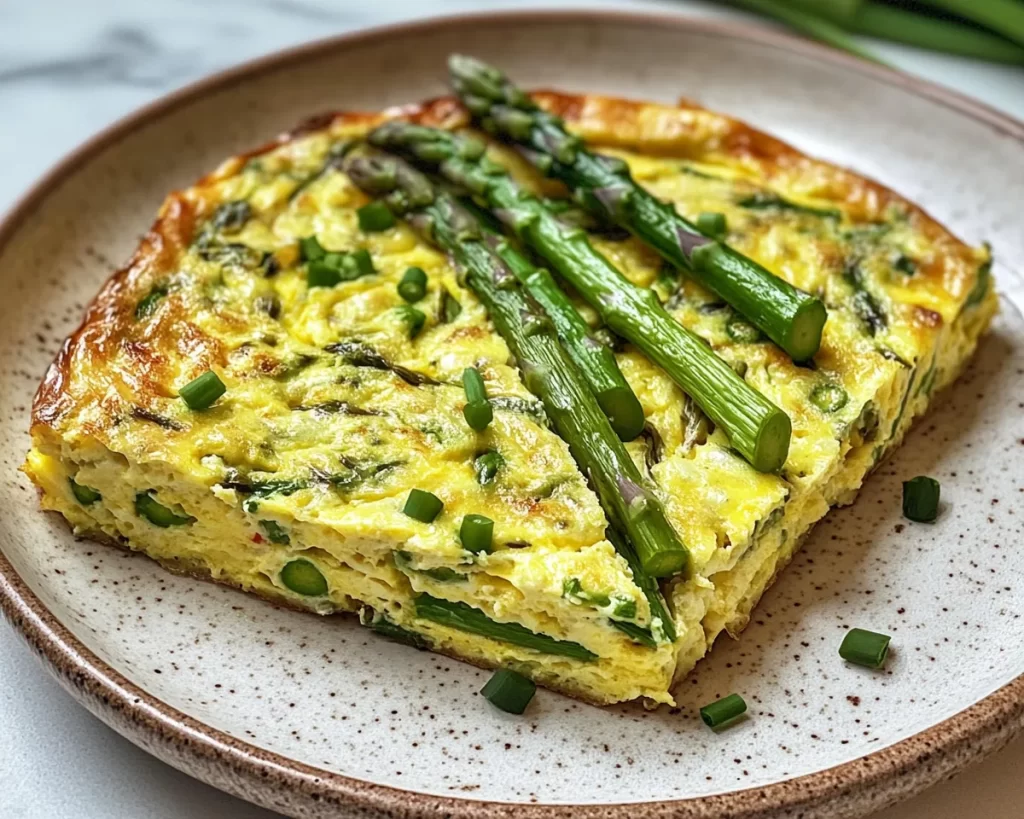
If you’re looking for a dish that embodies the freshness of spring while being both hearty and satisfying, look no further than a frittata with asparagus. This dish is not just a recipe; it’s a celebration of seasonal flavors that you can whip up quickly, making it the perfect choice for busy weeknights or leisurely weekend brunches. Imagine slicing into a beautifully baked frittata, with delicate asparagus spears arranged throughout, complemented by a richness that only eggs can provide. Not only is it stunning to behold, but the combination of textures and flavors will have you craving another slice.
This frittata recipe with asparagus is special because it highlights the key ingredient—spring asparagus. The asparagus adds a subtle crunch along with a fresh, grassy flavor that pairs beautifully with eggs. Regardless of whether you’re cooking for yourself or a gathering, this dish is easy to prepare and offers a delightful experience in every bite. Here’s what you’ll learn: how to create a fluffy frittata, explore variations that fit various dietary preferences, and share how to turn any leftover ingredients into a delicious meal.
What Is Frittata Recipe with Asparagus (Perfect Spring Dinner)?
A frittata is a traditional Italian dish that resembles an omelet but is distinguished by its incorporation of a variety of vegetables and cheeses. Originating from Italy, it makes for a classic breakfast or dinner choice, filled with wholesome goodness. The texture of a well-made frittata is slightly creamy on the inside, allowing the vegetables to shine through. Asparagus is a quintessential spring vegetable, known for its crisp texture and earthy flavor, making it an ideal complement to eggs in this recipe.
The unique aspect of this frittata lies in how it carries seasonal ingredients, presenting them in a way that provides maximum flavor without overwhelming simplicity. As the frittata cooks, the eggs puff up, encasing the tender asparagus and creating a perfectly baked creation. Each bite offers a blend of flavors and textures: the savory richness of eggs combined with the soft, fresh bite of asparagus.
Why You’ll Love This
One of the best reasons to fall in love with this frittata is its incredible versatility. It’s a dish that can easily adapt to the ingredients you have on hand or any specific dietary needs. If you’re looking for a healthy option, this frittata is packed with protein and fresh vegetables while being low in carbs. Additionally, the cooking process is straightforward and takes just one pan, making cleanup a breeze.
Another great aspect is cost-effectiveness. Eggs are an affordable protein source, and seasonal asparagus typically offers great value in spring. Plus, it’s a dish that can stretch to feed a family or serve as an elegant option for guests. Think of it as a blank canvas—instead of asparagus, you could substitute in any number of vegetables or cheeses to suit the occasion or personal likes. This adaptability makes it an excellent choice for anyone looking to make cooking enjoyable and stress-free.
You might be hesitant due to a misconception that making a frittata requires advanced cooking skills, but this simply isn’t true. With just a few key techniques, even beginner cooks can create a stunning dish. Just follow the steps carefully, and with practice, you will perfect your frittata-making skills.
Ingredients You’ll Need
- 8 large eggs: These form the base of your frittata, providing structure and protein. You can replace them with egg substitutes for a lower-calorie option.
- 1 cup asparagus pieces: Trimmed and cut into bite-sized pieces. Fresh asparagus is recommended, but frozen works in a pinch—just ensure it’s thawed and drained.
- 1/2 cup milk: This adds creaminess to the eggs. You may use almond milk or any dairy-free alternative if you’re looking for a dairy-free option.
- 1/2 cup shredded cheese: Cheddar, feta, or goat cheese all work wonderfully. It adds richness and enhances the overall flavor.
- 1 tablespoon olive oil: Used for sautéing the asparagus. You can substitute it with butter for a richer taste if desired.
- Salt and pepper: Add to taste. Fresh herbs like chives or parsley can offer an additional layer of flavor.
- 1/4 teaspoon garlic powder (optional): For added depth of flavor. Fresh garlic can be used for a more robust taste.
These ingredients are fundamental for the frittata, but feel free to explore your creativity!
How to Make
- Preheat your oven to 375°F (190°C). This step is essential because it allows your frittata to cook evenly and can get that beautiful golden color on top.
- Prepare the asparagus by washing and trimming off the woody ends. Cut them into about 1-inch pieces. By doing this, you ensure they cook evenly and integrate beautifully into the frittata.
- In an oven-safe skillet, heat the olive oil over medium heat. This is the perfect opportunity to allow the oil to warm up without burning. Once the oil is hot but not smoking, add the asparagus pieces.
- Sauté the asparagus for about 3-4 minutes until they are tender but still crisp. The key here is to retain some crunch, giving the frittata contrast in texture.
- While the asparagus cooks, whisk the large eggs in a mixing bowl and combine with milk, salt, pepper, and garlic powder if using. Ensure everything is smoothly blended. This mixture creates the fluffiness and richness in your frittata.
- Pour the egg mixture over the asparagus in the skillet. Make sure the asparagus is evenly distributed. You may give it a gentle stir, but that’s optional; leaving it undisturbed lets the eggs set perfectly.
- Sprinkle the shredded cheese on top of the egg mixture. This way, the cheese melts into the frittata, adding creamy goodness to each bite.
- Transfer the skillet to the preheated oven. Bake for 20-25 minutes or until the frittata is set in the middle and lightly golden on top. Watch carefully to avoid overcooking, as that can lead to a dry texture.
- Once cooked, carefully remove it from the oven. Let it cool for a few minutes before slicing. This allows the frittata to firm up a bit more, making slicing easier.
- Serve warm or at room temperature, garnished with fresh herbs if desired. Enjoy each bite while appreciating the delightful mix of flavors and textures.
Cooking a frittata might seem daunting at first, but with practice, it becomes an effortless way to whip up a delicious meal. You’ll find this dish to be a staple in your kitchen.
Variations & Substitutions
Vegetable Frittata: You can modify this frittata to include your favorite seasonal vegetables. Spinach, tomatoes, or bell peppers are excellent substitutes. The cooking time may vary slightly depending on the water content of your chosen vegetables; just ensure they are fully cooked before adding the egg mixture.
Cheese Lovers Frittata: If you are a cheese aficionado, consider using a combination of cheeses like mozzarella, feta, or gouda. Each type brings a unique flavor profile to the dish. Just be cautious about the salt content, as some cheeses can be saltier than others.
Herb-Infused Frittata: Adding fresh herbs not only enhances flavor but elevates the dish’s visual appeal. Basil and dill work well with asparagus, adding a fresh and aromatic layer. Be sure to chop them finely and mix them into the egg mixture for an even distribution of flavor.
Meat Lover’s Frittata: For those who desire a protein boost, consider adding cooked bacon, sausage, or ham. These ingredients should be pre-cooked and crumbled or diced before being added to the egg mixture. This variation creates a heartier frittata that’s perfect for brunch gatherings.
Gluten-Free Frittata: As a naturally gluten-free option, just be sure to check labels on any added ingredients such as cheese or pre-cooked meats, which might contain gluten. This dish can easily accommodate your gluten-free dining needs while still being delicious.
Each variation allows for creativity and personalization, ensuring that your frittata is always unique and tailored to your taste preferences or dietary needs.
Common Mistakes to Avoid
One common mistake is not properly pre-cooking the vegetables before incorporating them into the frittata. This can lead to a soggy texture and uneven cooking. Always sauté or roast your vegetables first to discover their flavors and maintain a pleasant texture.
Another critical cooking warning is overcooking the frittata. If left in the oven too long, the eggs may dry out, resulting in a tough dish. Always keep an eye on it during the last few minutes of cooking—cooking times can vary based on the oven and the pan used.
Lastly, under-seasoning can leave the frittata bland. Since this dish primarily features eggs and vegetables, adequately seasoning is essential to enhance the flavors. You can always add more seasoning after cooking, but it’s best to season early to allow the flavors to meld properly.
Storage, Freezing & Reheating Tips
To store leftover frittata, place it in an airtight container and refrigerate for up to 3-4 days. It’s recommended to slice it before storing, as it allows for easier retrieval during the week. If you’ve made a large batch, consider freezing individual slices wrapped tightly in plastic wrap and stored in a freezer-safe bag for up to 2 months.
When reheating, the best method is to place the slices in a preheated oven at 350°F (175°C) for about 10-15 minutes, allowing the frittata to warm evenly without getting rubbery. Alternatively, you can use a microwave, but use it sparingly to avoid overcooking.
Food safety is critical, especially when using eggs. Always ensure that your frittata is cooled to room temperature before refrigerating, and consume leftovers promptly to avoid bacterial growth.
Frequently Asked Questions
Can I make this frittata ahead of time?
Yes, you can prepare the frittata ahead of time. It keeps well in the refrigerator and can be reheated easily. Many people enjoy it just as much cold, making it a fantastic option for meal prep.
What can I serve with a frittata?
A frittata pairs well with a fresh side salad, crusty bread, or roasted potatoes. The combination creates a balanced meal perfect for breakfast, brunch, or dinner.
Can I use other vegetables instead of asparagus?
Absolutely! Other vegetables like zucchini, spinach, mushrooms, or bell peppers can all be successfully used in place of asparagus. Each will give the dish a different flavor and nutritional profile.
Is a frittata the same as a quiche?
Though similar, a frittata is generally denser and made without a crust, while a quiche is more custard-like and is known for its flaky crust. Both can be filled with your choice of ingredients, making them equally versatile.
How do I add more flavor to my frittata?
Incorporating spices, fresh herbs, or flavored cheeses can significantly enhance the richness of the frittata. Experimenting with different herbs, such as thyme or oregano, will allow you to discover new flavor dimensions.
Conclusion:
This frittata recipe with asparagus stands out as a delightful dish that is both simple to prepare and bursting with flavor. Whether you are cooking for yourself, family, or friends, this versatile and customizable meal will surely impress. Try your hand at this recipe, adapt it to your liking, or share it with someone who loves delicious, seasonal cuisine. Don’t hesitate to enjoy the experience and savor every wholesome bite!