Prep time: 15 minutes
Cook time: 45 minutes
Total time: 1 hour
Servings: 4
Caramelized onions have a magical ability to transform any dish with their rich, sweet flavor and silky texture. Picture this: soft, golden strands of onion slowly cooked to perfection, releasing their natural sugars and becoming irresistibly delicious. Whether you’re a busy parent looking to elevate dinner, a beginner in the kitchen aiming to impress, or someone eager to explore new culinary horizons, French-Style Caramelized Onions are your ticket to kitchen success.
This recipe is special not just for its incredible flavor but also for its versatility. You can use caramelized onions in various meals, from savory tarts to gourmet burgers. In this article, you will learn how to master the art of caramelization, the essential ingredients needed, and tips for achieving that perfect texture. You’ll also discover interesting variations and answers to common questions.
What Is French-Style Caramelized Onions Recipe?
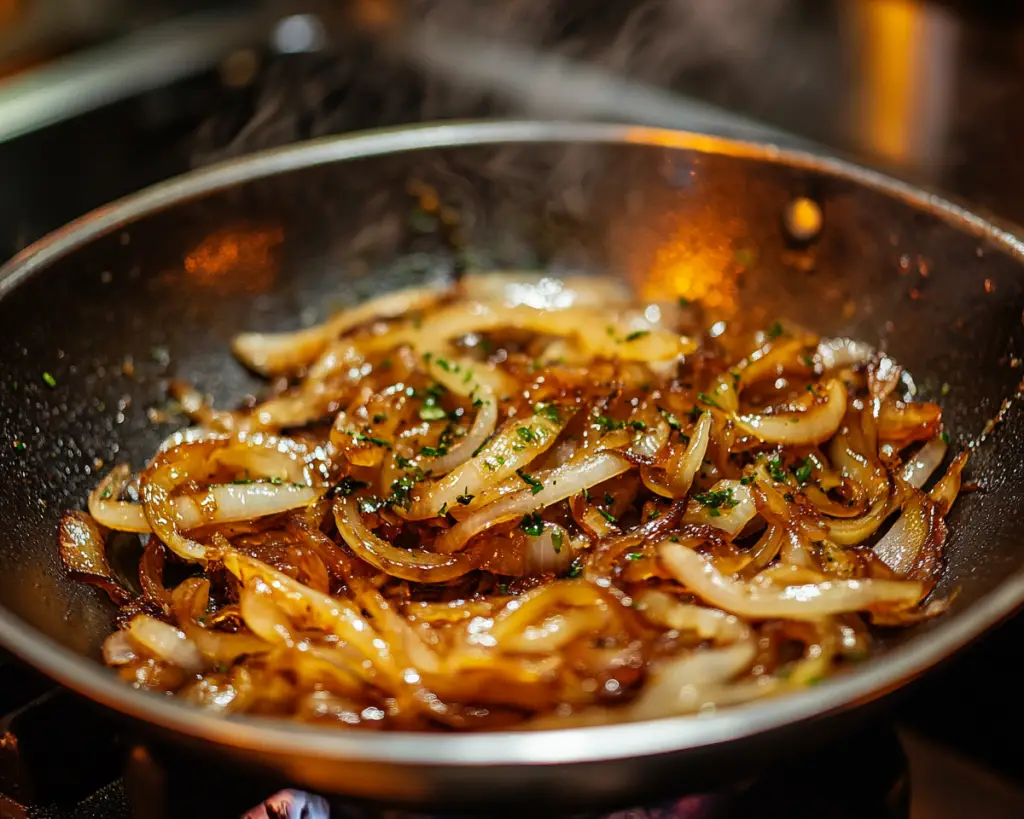
French-Style Caramelized Onions are an exquisite preparation of onions that have been slowly cooked until they turn sweet and golden brown. Originating from the French culinary tradition, the process is both simple and rewarding, showcasing the beauty of one of the most humble ingredients in your pantry. The slow cooking not only intensifies the flavor but also brings out a rich, deep color that can elevate any dish.
As the onions cook, they undergo a transformation. They lose moisture and gain a sweet, almost jam-like consistency. This delightful change in texture is central to the concept of caramelization in cooking. When made correctly, French-Style Caramelized Onions can create a depth of flavor that is hard to replicate with any other ingredient. You may find yourself adding them to everything from omelets to pizzas, making them a staple in your kitchen arsenal.
The balance of sweetness and umami is what makes these caramelized onions so irresistible. Their versatility allows them to be paired with various dishes, whether you’re looking to add a gourmet touch to burgers or creating a hearty French onion soup. Plus, they are relatively easy to make and require minimal ingredients, making them an accessible choice for home cooks.
Why You’ll Love This
There are countless reasons to love this French-Style Caramelized Onions recipe. First and foremost, the *taste* is unparalleled; the sweet, rich flavor adds depth to any dish. You can use these onions in multiple applications, making them incredibly *versatile*. Simply put, a dollop of caramelized onions can elevate a regular meal into something extraordinary.
Moreover, this recipe is *easy* and requires minimal effort. With just a few simple ingredients such as onions, butter, and a splash of vinegar, you can create a culinary masterpiece. This is particularly beneficial for beginners in the kitchen or busy parents looking to enhance their meals without spending hours preparing.
From a *cost perspective*, onions are budget-friendly, making this recipe an economical choice for elevating home-cooked meals. Additionally, caramelized onions can be made ahead of time and stored, which aligns perfectly with meal-prepping for the week.
While some may have misconceptions about the difficulty of caramelizing onions, the truth is that you merely need to be patient and attentive. A common mistake is to rush the process or use high heat; doing so would risk burning your precious onions instead of developing their flavor.
Ingredients You’ll Need
Here is a list of essential ingredients you’ll need for the recipe:
- Onions: Yellow or sweet onions work best for caramelization due to their natural sugars.
- Butter: Adds richness and aids in the cooking process. You can also use olive oil for a healthier alternative.
- Salt: Enhances the flavor and helps draw out moisture from the onions.
- Brown sugar (optional): Adds extra sweetness, especially if your onions aren’t as sweet as you would like.
- Balsamic vinegar (optional): A splash adds acidity and balances the sweetness of the onions.
Each of these ingredients plays a vital role in the caramelization process. The onions are the star, transforming from sharp and pungent to sweet and soft. Butter aids in achieving a rich flavor, while salt assists in moisture extraction, which is essential for the caramelization to occur.
If you don’t have yellow onions, you can use red onions for a slightly different flavor profile, or even white onions for a less sweet taste. Olive oil is a great substitute for butter if you are looking for a vegan or dairy-free option.
How to Make
Follow these simple steps to make your own French-Style Caramelized Onions.
- Prepare the onions: Start by peeling and slicing your onions. Aim for uniform slices, about ¼ inch thick. This ensures even cooking. You may want to slice vertically, as this enhances the texture when they caramelize.
- Heat the pan: In a wide skillet, melt 2 tablespoons of butter over medium heat. Wait until the butter is fully melted but not browned; this will help prevent the onions from sticking and allows for a consistent cook.
- Add the onions: Carefully add the sliced onions to the skillet. Stir well to coat them in the butter. Initially, the onions will seem large in volume, but they will shrink significantly as they cook.
- Season: Add a generous pinch of salt right after you add the onions; this helps draw out moisture. If desired, sprinkle in a teaspoon of brown sugar for added sweetness. Stir the onions occasionally over the next 10 minutes to allow them to cook evenly.
- Caramelize: After about 10 minutes, reduce the heat to low. You want to allow them to cook slowly, stirring every few minutes. This process can take around 30 to 40 minutes. You’re looking for that beautiful golden-brown color and a jam-like texture.
- Add balsamic vinegar (if using): During the last five minutes of cooking, add a splash of balsamic vinegar to deglaze the pan. Scrape up any bits stuck to the skillet for added flavor. Mix well.
- Finishing touch: Once the onions have reached your desired color and texture, remove them from the heat. Taste and adjust seasoning if necessary. Let them cool slightly before using.
The goal here is to achieve a uniform golden-brown color while ensuring that the unctuous sweetness shines through. Remember that patience is key; don’t rush the cooking process to achieve the perfect caramelization.
Variations & Substitutions
Sweet and Savory Caramelized Onions: If you want to add a unique twist to your onions, consider adding a bit of diced apple or pear during the last 10 minutes of cooking. This variation infuses an additional layer of sweetness and pairs beautifully with savory dishes. The fruity notes can be particularly delightful when served atop grilled meats or incorporated into a savory tart.
Onion and Herb Fusion: To elevate the flavor profile, add fresh herbs like *thyme* or *rosemary* while the onions are caramelizing. The fresh herbs will impart a fragrant aroma and complexity to the dish. This version shines when added to dishes like focaccia or atop a creamy risotto, offering various sensory experiences.
Red Wine Caramelized Onions: Substituting part of the butter with red wine can create a delightful twist. As you add the wine after the onions have caramelized for about 20 minutes, it will enhance the richness and add tangy notes. This variation is perfect for steak dishes, providing a complementary flavor that feels gourmet without extra effort.
Vegan Option: For a completely plant-based version, replace butter with a vegan butter alternative or olive oil. The process remains the same, and you won’t sacrifice flavor. This version is fantastic if you’re hosting vegan guests or simply looking to eat healthier without losing the essence of caramelized onions.
Common Mistakes to Avoid
One of the most frequent errors people encounter is using *high heat* when caramelizing onions. Higher temperatures can lead to burning rather than caramelization, resulting in an unpleasant bitterness. Always start with medium heat, ensuring that your onions have enough time to develop their flavors slowly.
Another mistake is not *stirring regularly*. While the onions should be left alone to allow them to cook down, occasional stirring is necessary to promote even cooking and prevent them from sticking to the pan. Ignoring this can result in unevenly cooked or burnt sections.
Overcrowding the pan is another pitfall. If you add too many onions at once, they will steam instead of caramelize. A single layer in the pan ensures proper cooking. If you have a lot of onions, consider cooking them in batches.
Finally, don’t forget to taste your onions before concluding cooking. Adding *salt* or *acidity* like vinegar is crucial for balancing the flavors. If your onions seem too sweet, a sprinkle of salt goes a long way in toning down the sweetness.
Storage, Freezing & Reheating Tips
To store your caramelized onions, let them cool completely before transferring them to an airtight container. They can be kept in the refrigerator for up to one week. This is particularly beneficial for busy weeks, as caramelized onions can add a burst of flavor to multiple meals.
If you wish to keep them for a longer timeframe, consider freezing. Portion out the onions into ice cube trays before transferring them to a freezer-safe bag. This allows you to take out just the right amount when needed, and they will keep for up to three months.
Reheating can be as simple as placing the desired amount in a skillet over low heat. You might want to add a small splash of water or broth to reinvigorate the texture. Stir occasionally until warmed through. Alternatively, you can microwave them in short bursts.
Always remember to first assess the texture upon reheating; if they feel too dry, simply add a bit of fat or liquid to rejuvenate them for use in your next dish or topping.
Frequently Asked Questions
Can I use other types of onions? Yes, while yellow onions are the traditional choice for caramelization, you can also use red or white onions. Sweet onions like Vidalia are great for their natural sugars, providing the best flavor profile.
What can I use caramelized onions for? Caramelized onions are incredibly versatile. They can enhance dishes like burgers, pizzas, pastas, tarts, soups, and even salads. Their sweet and savory flavor adds depth, and you can enjoy them in both savory and sweet applications.
Can I make caramelized onions in advance? Absolutely! Caramelized onions store well in the fridge for about a week or can be frozen for longer storage. Just make sure to let them cool before placing them in an airtight container.
How do I know when my onions are done? The onions are perfect when they’ve achieved a deep golden-brown color with a sweet aroma and a jam-like texture. The cooking time can range from 30 to 40 minutes depending on the heat and amount of onions.
Can I caramelize onions without butter? Yes, olive oil or a vegan butter alternative can be used if you’re looking for a dairy-free option. The process remains the same, and you won’t compromise on flavor.
Conclusion:
This French-Style Caramelized Onions recipe showcases just how simple ingredients can create profound flavors. The depth of sweetness and rich texture brings a gourmet touch that can transform any dish. Experiment with variations or stick to the classic technique; either way, you’ll be amazed at the outcome.
So, don’t hesitate to dive in and try making these *irresistibly sweet* caramelized onions yourself! Perfecting this skill can open doors to many delightful culinary adventures. Share your experiences or any special variations you come up with, and watch your friends and family fall in love with this recipe just as much as you will.