Prep time: 20 minutes
Cook time: 0 minutes
Total time: 20 minutes
Servings: 4
When spring rolls around, salad season takes on a whole new meaning. You might find yourself dreaming of vibrant, fresh ingredients bursting with flavor, and nothing captures that springtime essence quite like the Easter Spring Salad with Berries. This dish takes the best of what the season has to offer—crisp greens, juicy fruits, and a flavor profile that is both refreshing and satisfying. I remember the first time I made this salad for an Easter gathering; the bright colors and delightful taste brought everyone together around the table. In this article, we will explore why this salad is a must-try for your springtime celebrations, how to prepare it easily at home, and some variations that can cater to different preferences and dietary requirements.
Imagine biting into a salad that offers not just crunch but also a burst of sweetness from fresh berries, creamy cheese, and an aromatic dressing that ties every ingredient together. You will learn how to create layers of texture and flavor, making each forkful a refreshing experience. Plus, you will be equipped with tips on making it your own, ensuring that your Easter Spring Salad becomes a staple at your gatherings.
What Is Easter Spring Salad with Berries?
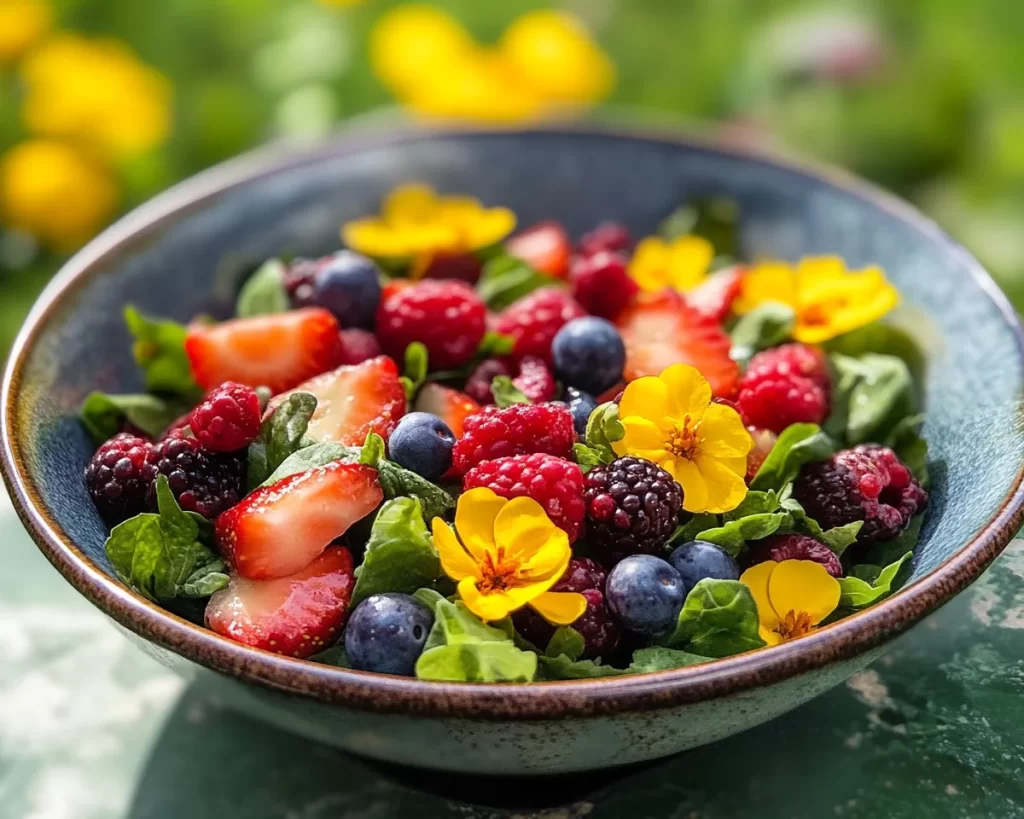
The Easter Spring Salad with Berries is a delightful representation of spring flavors that celebrates the season’s bounty. Traditionally composed of fresh greens, seasonal berries, and a light dressing, this salad is both visually appealing and nutritionally balanced. The combination of crisp romaine or mixed greens offers a crunch that is beautifully complemented by the sweet juiciness of strawberries, blueberries, or raspberries. It often features an added layer of texture and richness from creamy goat or feta cheese, providing a savory balance to the sweet and tart elements.
The origins of this salad can be traced back to the spring harvesting traditions, where fresh produce was celebrated during the warmer months. Over the years, it has evolved into a favorite dish for Easter brunches and spring picnics. While it retains its classic components, the flavors can drastically change depending on the dressing you choose and the particular combination of berries you incorporate. Each bite is a delightful medley of flavors, making it not just a dish but a joyful celebration of the season.
Why You’ll Love This
There are numerous reasons why the Easter Spring Salad with Berries holds a special place on many tables. Firstly, the burst of flavors you experience with fresh, seasonal ingredients is unparalleled. From the sharpness of the greens to the explosion of sweetness from the berries, each component plays its part in creating a harmonious dish that can be both an appetizer and a light main course.
Additionally, it is incredibly simple to prepare, making it perfect for busy parents or anyone looking to whip up something quick yet delicious. You can make it as elaborate or as straightforward as you desire—ideal for beginners in the kitchen or for those short on time. Economically, it is a wise choice as berries are often available in bulk during spring; this salad is a great way to use them up without feeling wasteful.
Moreover, this salad caters to a range of dietary preferences, whether you’re vegan, gluten-free, or simply looking to eat healthier. The key is in customizing it to suit your tastes, whether that means swapping out cheese for a vegan alternative or using a new dressing to make it your own. In summary, the Easter Spring Salad with Berries isn’t just a dish; it’s flexibility, flavor, and freshness all rolled into one delightful bowl.
Ingredients You’ll Need
- Mixed greens: A combination of baby spinach, arugula, and romaine provides a diverse range of textures and flavors. You can substitute with kale or any greens you prefer.
- Strawberries: Fresh, ripe strawberries add sweetness and vibrancy to the salad. Feel free to swap them with sliced peaches or apples.
- Blueberries: These small, juicy fruits are packed with antioxidants and offer a nice contrast in texture. Raspberries can be used as an alternative.
- Goat cheese or feta: The creamy nature of cheese complements the brightness of the salad. For a vegan option, you can use nutritional yeast or a nut-based cheese.
- Walnuts or pecans: Nuts introduce a crunchy texture and richness. For those avoiding nuts, seeds such as pumpkin or sunflower can serve as an excellent substitute.
- Olive oil: A good-quality olive oil enhances the overall flavors of the salad. You may also opt for avocado oil for a similar taste.
- Balsamic vinegar: This vinegar brings a tangy sweetness that elevates the salad. Lemon juice is a great alternative for a lighter option.
- Honey or maple syrup: For additional sweetness, these natural sweeteners harmonize beautifully with the acidic components.
- Salt and pepper: Simple seasonings that enhance the overall taste of the salad; always use freshly cracked pepper for optimal flavor.
How to Make
- Prepare the greens: Start by rinsing your mixed greens thoroughly under cold water to remove any dirt or residue. Spin them dry in a salad spinner or gently pat them with a clean kitchen towel. This step is crucial as excess water can dilute the dressing. Once dry, place the greens into a large serving bowl.
- Wash the berries: Next, rinse the strawberries and blueberries under cold water. For the strawberries, remove the stems and slice them into quarters. The blueberries can be left whole. Ensure that they are patted dry after washing; this prevents excess moisture from watering down your salad. Gently mix the berries into the greens, allowing their juices to begin to mingle.
- Add the cheese and nuts: Crumble your goat cheese or feta over the salad, distributing it evenly for maximum flavor in every bite. If you’re using nuts, roughly chop them for a more refined texture and sprinkle them on top. This addition not only brings a delightful crunch but also adds a rich source of protein.
- Make the dressing: In a small bowl, whisk together the olive oil, balsamic vinegar, honey or maple syrup, and a pinch of salt and pepper. Aim for a 3:1 oil-to-vinegar ratio for a well-balanced dressing. Ensure that it emulsifies nicely, creating a cohesive mixture. The key here is to taste as you go—adjust the sweetness with honey or maple syrup according to your preference.
- Dress the salad: Once the dressing is ready, drizzle it over the salad just before serving. Gently toss using salad tongs or clean hands—be cautious not to bruise the berries or greens. The goal is to have every leaf and fruit coated with the dressing for a flavor-packed salad that’s bursting with freshness.
- Serve immediately: This salad is best enjoyed fresh, as the textures are crisp and the flavors are bright. If preparing in advance, consider keeping the dressing separate to avoid soggy greens. Place the salad in a beautiful serving dish or individual plates to impress your guests.
Variations & Substitutions
Vegan Variation: To create a vegan version of the Easter Spring Salad with Berries, simply omit the cheese or replace it with a vegan cheese alternative. You can also enhance this variation by adding ingredients like avocado for creaminess and toasted sunflower seeds for added crunch. The dressing can be modified by replacing honey with a plant-based sweetener like agave syrup. This allows you to enjoy a vibrant, dairy-free version while still reaping all the health benefits of fresh spring produce.
Berry Swaps: If strawberries and blueberries aren’t to your liking or simply unavailable, don’t hesitate to switch them out. Chopped peaches, cherries, or even citrus segments like oranges can add a unique twist to the salad, offering varying degrees of sweetness and acidity. Each fruit will offer its distinctive flavor profile, making you feel like you’re exploring new culinary landscapes while staying true to the essence of the salad.
Grain Add-Ons: For a heartier meal, consider adding grains like quinoa or farro to the salad. These options not only add substance but also enhance the nutritional value. Cook the grains according to the package instructions, allow them to cool, and mix them into the salad along with the other ingredients. This variation is particularly suitable for those looking for a more filling dish, perfect for lunches or as a light dinner option.
Nuts and Seeds Alternatives: Depending on allergies or dietary restrictions, you can tailor the nut component of your salad. Instead of walnuts or pecans, try using sliced almonds or even toasted chickpeas for a crunchy texture. For those avoiding nuts altogether, pumpkin or sunflower seeds are fantastic options that maintain the crunch while offering a different flavor profile.
Herb Infusion: Incorporating fresh herbs like mint, basil, or cilantro can take your Easter Spring Salad to the next level. Mint adds a refreshing zing that pairs wonderful with the berries, while basil provides a fragrant earthiness. Simply chiffonade your herbs and sprinkle them over the salad for an aromatic kick that brightens every bite. This addition is particularly great for herb lovers and makes the salad feel even more lively.
Common Mistakes to Avoid
One of the most frequent mistakes when making this salad is not washing the greens properly. If you skip this step, you risk having a gritty texture that can ruin your overall experience. Always ensure that your greens are thoroughly rinsed and dried before tossing them together.
Another common error is adding the dressing too early. If you dress the salad too far in advance, the greens can wilt, losing their crispness. It’s best to wait until just before serving to add your dressing, ensuring that everything maintains its fresh texture.
Remember to be mindful of your cheese portion—while it adds delightful richness, too much can make the salad overwhelmingly heavy. A light hand will keep the salad perfectly balanced and allow the flavors to shine.
Lastly, always taste as you go. Not every ingredient will have the same potency; adjusting the seasoning and sweetness levels can make a substantial difference. A little additional salt or vinegar can elevate flavors significantly, making your shared dish an instant hit.
Storage, Freezing & Reheating Tips
The Easter Spring Salad with Berries is best enjoyed fresh, but you can store leftovers in the refrigerator. Place the uneaten salad in an airtight container. If you have dressed the salad, be prepared for the greens to lose some of their crunchiness as they absorb the dressing. To preserve texture, it’s advisable to store the dressing separately and mix it in when you’re ready to eat.
As a note on food safety, make sure to consume any leftovers within three days. Always check for any signs of spoilage, especially with berry ingredients, as they can spoil quicker than other salad components.
Freezing this salad is not recommended due to the delicate nature of the greens and the texture of the berries. However, if you find yourself with an excess of ingredients like nuts or cheese, those can be stored separately. When storing nuts, keep them in an airtight container in a cool, dark place to maintain their freshness.
Frequently Asked Questions
Can I make the Easter Spring Salad with Berries in advance?
Yes, you can prepare the components of the salad in advance. However, to maintain the freshness and texture of the greens, it’s best to store them separately from the dressing. Assemble the salad right before serving for the best experience.
What types of berries work best in this salad?
While strawberries and blueberries are traditional favorites, you can get creative with other berries such as raspberries, blackberries, or even chopped fresh figs for a unique twist. The key is to use seasonal and ripe fruit for the most flavor.
Can I make this salad gluten-free?
Absolutely! The Easter Spring Salad with Berries is naturally gluten-free. Just ensure that any additives, like the dressing or nuts, are also labeled gluten-free to stay within your dietary restrictions.
How can I customize this salad for different tastes?
Customization is one of the best parts of this salad! Experiment with different greens, fruits, and dressings based on your preferences or seasonal availability. You can also try adding grains or proteins like grilled chicken or chickpeas to cater to heartier appetites.
Is the salad suitable for a vegan diet?
Yes, by omitting the cheese or substituting it with a vegan alternative and using a plant-based sweetener instead of honey, this salad is perfect for those following a vegan diet. Adding additional vegetables or substituting different fruits can also enhance its nutritional profile.
Conclusion:
The Easter Spring Salad with Berries is a stunning celebration of flavors and textures that perfectly reflects the bounty of spring. With its easy preparation and customizable nature, it is an ideal dish for gatherings, picnics, or simply enjoying at home with family and friends. Embrace the fresh produce of the season and share this vibrant salad with loved ones. Try it, make it your own, and enjoy those joyful moments around the table! You’re going to love the burst of flavors that each bite offers, so don’t hesitate to share this recipe with friends or revisit it for your next springtime feast.