Prep time: 20 minutes
Cook time: 10-12 minutes
Total time: 30 minutes
Servings: 24 cookies
Imagine a sunny day during family gatherings, the aroma of freshly baked cookies filling the air, and the excitement of creative baking alongside your loved ones. These Easter Egg Sugar Cookies transform traditional sugar cookies into delightful, colorful treats that capture the spirit of springtime festivities. Not only are these cookies visually appealing, but they also boast a soft and chewy texture paired with a buttery flavor that will tantalize your taste buds.
In this article, you’ll discover the intricacies of making these beloved cookies, including tailored tips to ensure success, various creative variations to suit your family’s preferences, and answers to common questions regarding baking techniques. You’ll learn how to create the most visually stunning and delicious Easter treats that will impress your friends and family. Let’s dive into this sweet springtime adventure!
What Is Easter Egg Sugar Cookies?
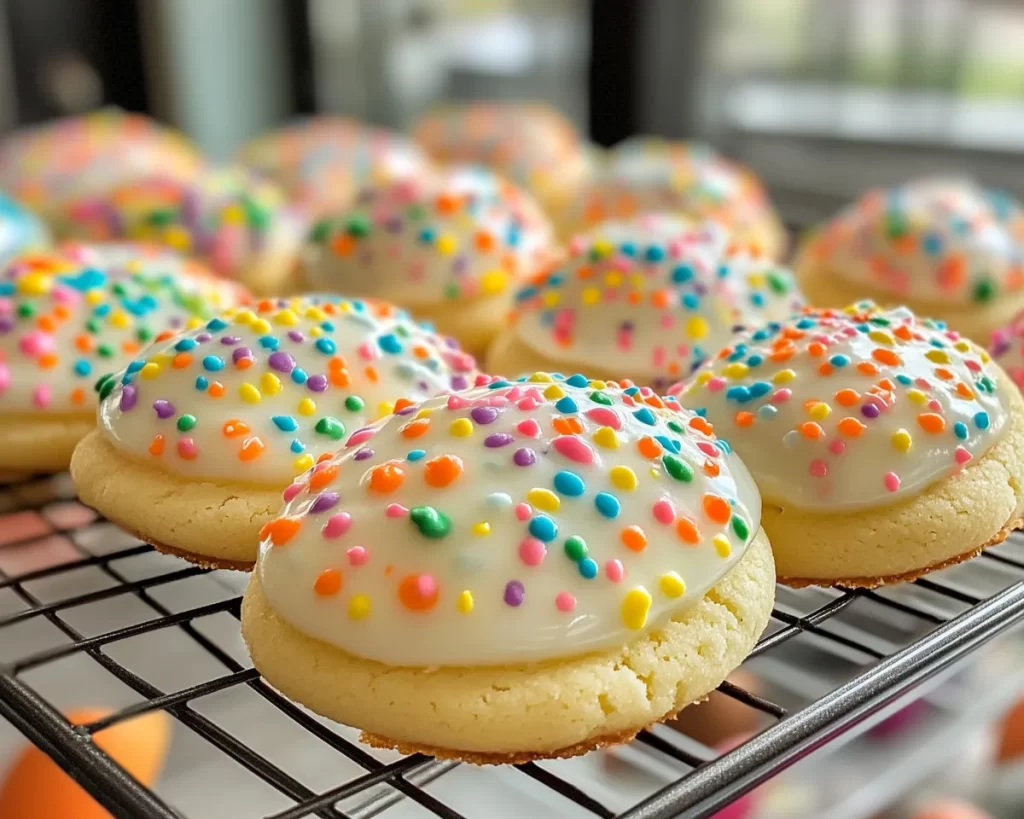
Easter Egg Sugar Cookies are a delightful twist on the classic sugar cookie, shaped like adorable Easter eggs and decorated with colorful icing and sprinkles. Originating from traditional baking practices during festive periods, these cookies have gained immense popularity for their aesthetic appeal and versatility. The cookies offer a perfect balance between a tender, chewy interior and a slightly crisp edge, making them irresistible to both children and adults.
The base of these cookies is a simple sugar cookie dough enhanced with classic flavorings such as vanilla and almond extract. This dough serves as a blank canvas, ready to take on various colors and shapes associated with Easter. As you roll out the dough and cut out egg shapes, the kitchen becomes an artistic space filled with joy and creativity. With a touch of icing and a sprinkle of festive decorations, these cookies not only serve as a tasty treat but also a fun activity to engage with family or friends during the holiday.
Why You’ll Love This
There are countless reasons to fall in love with Easter Egg Sugar Cookies. First and foremost, their delightful taste and texture are sure to please everyone’s palate. The buttery richness of the dough complemented by the sweetness of decorative icing is a match made in dessert heaven. In terms of ease, the recipe is straightforward, making it perfect for busy parents or beginners looking to try their hand at baking. You’ll find that preparation and baking time is minimal, allowing you to whip up a batch in less than an hour.
Additionally, Easter Egg Sugar Cookies offer versatility that you can appreciate. Feel free to customize them with your favorite flavors, colors, and toppings. For example, you can use natural food colorings or edible glitter to elevate your cookie game, ensuring that these treats are both beautiful and delicious. It’s important to note that a common misconception is that cookies must be complicated in order to taste good. In reality, simplicity often yields the best results, as you’ll discover with these sugar cookies.
Ingredients You’ll Need
To make Easter Egg Sugar Cookies, gather these essential ingredients:
- All-purpose flour: The primary building block of the cookies, providing structure. You can substitute with gluten-free flour if needed.
- Granulated sugar: Adds sweetness and serves as a key ingredient in the cookie base.
- Baking powder: Helps the cookies rise and gives them a light texture.
- Salt: Balances sweetness and enhances the overall flavor.
- Unsalted butter: Adds richness and moisture. For a dairy-free option, use coconut oil or a vegan butter substitute.
- Eggs: Contributes to texture and binding. If you need an egg-free option, consider using flaxseed meal or applesauce.
- Vanilla extract: Enhances flavor. You can also substitute with almond extract for a different taste.
- Food coloring: Optional, for decorating the cookies and making them festive.
- Royal icing or powder sugar icing: Used for decoration, creating a smooth finish that can be easily tinted.
- Sprinkles or edible glitter: These add a fun, festive touch to your decorated cookies.
Each ingredient plays a crucial role in ensuring that your Easter Egg Sugar Cookies turn out perfectly. Understanding the purpose of each component can help you create delicious cookies that maintain the desired texture and flavor.
How to Make
Creating your Easter Egg Sugar Cookies is a fun and straightforward process. Here’s a step-by-step guide to ensure your success:
- Prepare your oven and baking sheets: Preheat your oven to 350°F (180°C). While the oven heats up, line your baking sheets with parchment paper. This prevents the cookies from sticking and ensures they bake evenly.
- Combine dry ingredients: In a large bowl, sift together the all-purpose flour, baking powder, and salt. Mixing the dry ingredients helps to evenly distribute the leavening agents, ensuring consistent texture throughout the cookies.
- Cream butter and sugar: In another bowl, beat the unsalted butter and granulated sugar using an electric mixer until light and fluffy. This process usually takes about 2-3 minutes. Beating the mixture introduces air, creating a lighter texture.
- Add eggs and vanilla: Add the eggs one at a time to the butter-sugar mixture, mixing well after each addition. Then stir in the vanilla extract. This will create a shaggy texture, which is perfect for your cookie dough.
- Combine wet and dry mixtures: Gradually incorporate the dry mixture into the wet mixture. Stir gently until just combined, taking care not to overmix as this can lead to tough cookies.
- Chill the dough: Once your dough is ready, wrap it in plastic wrap and refrigerate for at least 30 minutes. Chilling the dough prevents the cookies from spreading too much while baking, yielding beautifully shaped cookies.
- Roll out and cut shapes: Once chilled, flour your work surface and roll out the dough to about 1/4-inch thickness. Use a cookie cutter shaped like Easter eggs to cut out your cookies. Gather excess dough, re-roll it, and cut more shapes.
- Bake the cookies: Place the cookies on the prepared baking sheet, spacing them about 2 inches apart. Bake for 10-12 minutes or until the edges are just lightly golden. This slight color is a good indicator that they are ready.
- Cool completely: Remove the cookies from the oven and let them cool on the baking sheet for a few minutes before transferring them to a wire rack to cool completely. This cooling time is essential for the cookies to firm up.
- Decorate your cookies: Once cooled, use your favorite icing method to decorate the cookies. You can pipe royal icing for intricate designs, dip the tops in melted chocolate, or simply sprinkle them with colorful sprinkles.
With these steps, you’ll create beautiful Easter Egg Sugar Cookies that not only taste heavenly but also look stunning on the table.
Variations & Substitutions
Chocolate Easter Egg Sugar Cookies
For those who want to indulge in a chocolatey delight, simply substitute a portion of the all-purpose flour with cocoa powder—about 1/3 cup will do. This variation adds a rich chocolate flavor to your cookies while maintaining their soft and chewy texture. Chocolate cookies pair wonderfully with vanilla or chocolate icing, creating visually appealing contrast.
Gluten-Free Version
To make a gluten-free version of these cookies, replace the all-purpose flour with a gluten-free flour blend, ensuring it includes xanthan gum for proper binding. These cookies will still be soft and delectable, perfect for those with dietary restrictions. Ensure all other ingredients, especially icing, are gluten-free as well.
Vegan Easter Egg Sugar Cookies
Replace the butter with a plant-based equivalent and use flaxseed meal or applesauce as an egg substitute. The flavor profile remains intact, while those adhering to vegan diets can enjoy these festive treats. The key is to ensure that all ingredients, including food coloring and decorative toppings, align with vegan standards.
Spiced Easter Egg Sugar Cookies
For an extra kick, consider adding spices like cinnamon, nutmeg, or even ginger to the dough. About a teaspoon of ground cinnamon adds warmth and a delightful twist that complements the sweetness of the cookies. This variation is especially fitting for cooler spring weather or if you aim to add depth to the flavor.
Nutty Easter Egg Sugar Cookies
Incorporate finely chopped nuts like pecans or walnuts into the dough for added texture and flavor. Nuts bring a lovely earthiness and crunch that complements the sweetness. Remember to chop the nuts finely to ensure they blend well into the cookie dough, avoiding large chunks that might disrupt the texture.
With these diverse variations, you’re sure to cater to various dietary needs and taste preferences while keeping the essence of Easter Egg Sugar Cookies intact.
Common Mistakes to Avoid
When baking Easter Egg Sugar Cookies, it’s crucial to avoid common pitfalls that can compromise your results. One mistake is under or overbaking the cookies. Always keep an eye on the baking time and visualize when the edges begin to turn lightly golden. Overbaking leads to dry cookies, while underbaking may cause them to be raw in the center.
Another mistake is not chilling the dough properly. Skipping the chilling step will result in cookies that spread too much while baking, leading to unwanted shapes. Taking the time to chill the dough not only helps maintain the cookie shape but also enhances the overall flavor.
Be mindful of your icing application as well. Using too much liquid in your icing can lead to runny decorations that won’t set properly. It’s essential to find the right balance, achieving a thick enough consistency for piping or spreading. Always test the icing on a small area before covering the entire cookie.
Lastly, make sure your measuring tools are accurate. Using the correct ratio of ingredients is vital for the success of your cookies. For dry ingredients, a scale is often a more reliable method than volume measurements, ensuring consistent results every time.
Storage, Freezing & Reheating Tips
Once your Easter Egg Sugar Cookies are baked and decorated, you’ll want to store them correctly to maintain their freshness. It’s best to store them in an airtight container at room temperature for up to one week. This prevents them from drying out or becoming stale. Layering parchment paper between cookies can help preserve the icing and decorations while keeping them intact.
If you’re looking to extend their shelf-life, consider freezing the cookies. To freeze, allow the cookies to cool completely and arrange them in a single layer on a baking sheet. Place the baking sheet in the freezer until the cookies are frozen solid, then transfer them to a freezer-safe bag or container. They can be stored in the freezer for up to three months. When you’re ready to enjoy them again, simply thaw at room temperature and reapply any frosting if needed.
If you’re dealing with leftover dough, it can also be frozen. Wrap the dough tightly in plastic wrap, then place it in an airtight container. This allows you to enjoy fresh-baked cookies without a full batch whenever a craving strikes.
It’s important to note that dough can lose its texture and quality if frozen for too long, so aim to bake any frozen dough within three months for the best results.
Frequently Asked Questions
Can I use colored sugar instead of icing for decorating?
Absolutely! Colored sugar is a fantastic alternative that provides a different texture and appearance for your cookies. Simply brush your recently cut shapes with egg whites or a little water before sprinkling on the colored sugar. This creates a sparkling finish that looks festive without requiring elaborate icing work.
How can I make my cookies softer?
To achieve a softer cookie, consider reducing the baking time by a minute or two and ensuring you do not overmix the dough. You can also add a little extra butter, which provides additional moisture and contributes to a tender texture.
Can I use other shapes instead of eggs for Easter?
Certainly! While egg shapes are traditional, feel free to use other cookie cutters like bunnies, flowers, or even stars. This adds variety and personalized flair to your cookie collection. The baking time will remain the same regardless of the shape.
What can I do if my icing is too runny?
If your icing turns out too runny for icing cookies, you can thicken it by gradually adding more powdered sugar until it reaches your desired consistency. Alternatively, you can refrigerate it for a short period, allowing it to thicken as it cools.
How do I know if my cookies are done baking?
Look for subtle visual cues, such as slightly golden edges and a matte appearance on top. The centers should look set but may appear a little soft. They will continue to firm up as they cool on the baking sheet. Always err on the side of underbaking slightly, as the residual heat will finish the cooking process.
Conclusion:
The joy of Easter Egg Sugar Cookies lies not only in their delightful flavors and festive designs but also in the memories they create with family and friends. With this comprehensive guide, you’re equipped with everything you need to embark on an exciting baking journey. Don’t hesitate to try your variations, mix in your unique twists, and make this recipe truly your own. Whether it’s a family tradition or a new experiment in the kitchen, these cookies are bound to bring smiles and laughter. So roll up your sleeves, gather your loved ones, and dive into the wonderful world of baking today!