Prep time: 15 minutes
Cook time: 20 minutes
Total time: 35 minutes
Servings: 24 macaroons
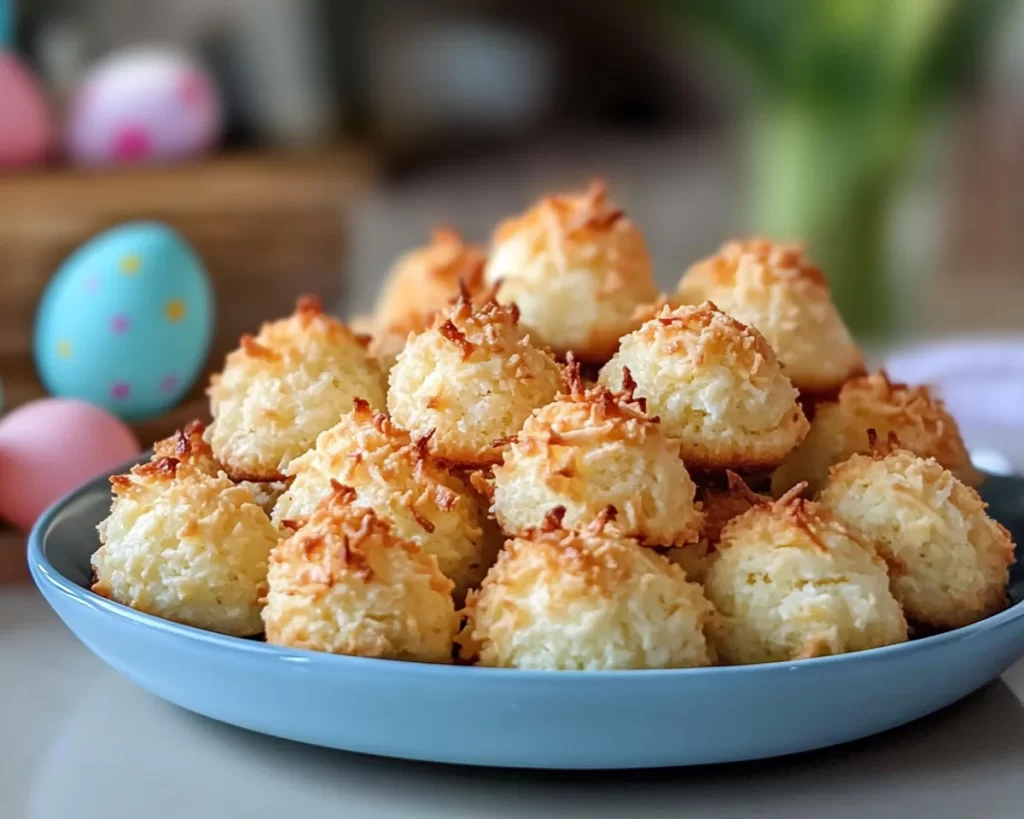
Easter Coconut Macaroons are a delightful treat that evoke the spirit of the holiday. Imagine biting into a chewy, sweet morsel that transports you to a sunny kitchen filled with the aroma of toasted coconut and sugary goodness. These treats not only satisfy your sweet tooth but also carry a sense of nostalgia for many, evoking childhood memories of family gatherings and spring celebrations. This recipe is special because it balances simplicity and taste, allowing anyone, regardless of culinary expertise, to whip up a batch quickly and enjoy a taste of festive joy.
In this article, you will learn everything you need to know to create the perfect Easter Coconut Macaroons. You will be introduced to the right techniques for achieving that ideal chewy texture, the types of coconut to use, as well as tips for customizing the flavors. Whether you enjoy them as a holiday treat or simply as a sweet indulgence, you will discover how easy these macaroons are to make and why they are a must-try.
What Is Easter Coconut Macaroons?
Easter Coconut Macaroons are sweet, chewy cookies made primarily from shredded coconut, egg whites, and sugar. The origin of macaroons can be traced back to Italy, but over time, they have become popular in many cultures, especially as a beloved Easter treat. The primary ingredient, **coconut**, offers a rich, tropical flavor, perfectly complemented by the light sweetness from the sugar. The texture is striking – the outside forms a delicate, golden crust while the interior remains moist and chewy.
These macaroons dance between being a cookie and a candy, making them unique. The background flavors can play a significant role; a hint of vanilla or almond extract can elevate the taste profile, turning a simple recipe into something extraordinary. The best part? They are naturally gluten-free, making them a great dessert option for those with dietary restrictions.
The appeal of these Easter Coconut Macaroons lies not just in their flavor, but also in their versatility. Many families pass down their recipes, each adding unique twists that reflect personal preferences. Whether you dip them in chocolate or leave them plain, these cookies are sure to please diverse palates.
Why You’ll Love This
You will love this recipe for multiple reasons. First, the flavor is absolutely irresistible, with a delightful balance of sweetness and coconut richness. Second, the simplicity of the recipe means you can prepare these tasty treats in under 40 minutes, ideal for busy parents looking to prepare a quick recipe for the family or guests without feeling overwhelmed.
Many people think that macaroons are difficult to make or require specialized skills, but this is far from the truth! This recipe breaks it down into simple steps. Also, the ingredients are accessible, usually found in your pantry or local grocery store, making it a budget-friendly indulgence for any occasion.
If you’re concerned about dietary restrictions, you will also find comfort in knowing that these macaroons can be made gluten-free and low in carbs, depending on the sweetener you choose. Pair this with their customizable nature, and there’s no reason not to try making them!
Ingredients You’ll Need
- Shredded coconut: The main ingredient, providing that chewy texture. Make sure to use unsweetened coconut to control the sugar levels.
- Egg whites: They serve as a binding agent, giving the macaroons structure. Be careful not to get any yolk in, as it can affect the texture.
- Sugar: Regular granulated sugar works well, but you can also use alternatives like coconut or monk fruit sweeteners for a healthier option.
- Vanilla extract: This adds depth to the flavor. Feel free to experiment with almond extract for a twist.
- Salt: A pinch of salt enhances all the flavors, making them pop.
- Chocolate (optional): For those who want a double treat, melted chocolate can be drizzled over or dipped in for a sweet finish.
Each ingredient plays a pivotal role in achieving that chewy, flavorful macaroon you desire. Don’t hesitate to get creative; the beauty of these macaroons lies in their adaptability!
How to Make
Follow these simple steps to create delicious Easter Coconut Macaroons that are sure to impress:
- Preheat the oven: Start by preheating your oven to 325°F (165°C). This ensures a perfect baking temperature for those golden crusts. If you have a convection oven, it may bake the macaroons more evenly and quickly, so keep an eye on them.
- Prepare your baking sheet: Line a baking sheet with parchment paper or a silicone baking mat. This helps prevent the macaroons from sticking and makes for easier cleanup.
- Mix the ingredients: In a large mixing bowl, combine the shredded coconut, sugar, and salt. Whisk together to distribute everything evenly before adding the wet ingredients.
- Add the wet ingredients: Next, add the egg whites and vanilla extract to the dry mixture. Fold everything together gently using a spatula until well combined. You’ll see the mixture come together, sticking nicely.
- Form the macaroons: Using a cookie scoop or your hands, form small mounds of the mixture and place them on the prepared baking sheet. Make sure to space them out well, about 2 inches apart, as they will puff up slightly during baking.
- Bake: Place the baking sheet in your preheated oven and bake for 18-20 minutes, or until the tops are lightly golden. Keep a close watch because many ovens vary—if you notice them browning too quickly, it might be time to take them out.
- Cool down: Once baked, remove the tray from the oven and let the macaroons sit for about 5 minutes on the baking sheet before transferring them to a cooling rack. This prevents them from breaking apart.
- Dip in chocolate (optional): If you’re feeling a bit indulgent, melt some chocolate in a microwave or double boiler and dip the bottoms of the cooled macaroons or drizzle it on top. Allow the chocolate to set before serving.
By following these straightforward steps, you will create a batch of Easter Coconut Macaroons that are irresistible and perfectly chewy. Don’t forget to observe the texture and color changes as they bake; it makes for a delightful experience!
Variations & Substitutions
Chocolate-Dipped Macaroons: These macaroons can be transformed by dipping them in melted chocolate. For a more elegant presentation, you can drizzle white or dark chocolate on top after dipping. This version is great for chocolate lovers and adds a decorative touch for festive occasions. Remember to let the chocolate set before serving to maintain that glossy finish.
Coconut Almond Macaroons: If you enjoy a nuttier flavor, consider adding sliced almonds into the mixture or topping your macaroons with roasted almond slivers. This variation adds a nice crunch and additional flavor that pairs beautifully with the coconut. Keep in mind to adjust the sweetness if you feel it’s necessary, especially if you’re using sweetened coconut.
Vegan Coconut Macaroons: For a vegan version, you can swap the egg whites for aquafaba, the liquid from canned chickpeas. Use about three tablespoons of aquafaba for every egg white. It may take a bit longer to get the right texture, so patience is key. This option allows more people to enjoy these delicious treats, fitting a broader range of dietary restrictions.
Fruit-Infused Macaroons: Creating a tropical spin, add in dried fruits like pineapple or mango. But make sure to chop them finely, so they blend well with the coconut. This variation is perfect for summer or beach-themed gatherings. The fruity note adds a fresh contrast to the sweetness of the coconut.
Spiced Coconut Macaroons: Add a dash of cinnamon or nutmeg to the mixture for a warm, spiced flavor profile. This is an inviting option for those who enjoy seasonal spices and can remind you of cozy winter days even in springtime.
Each variation showcases the versatility of these macaroons, allowing you to experiment and find the perfect combination that suits your taste.
Common Mistakes to Avoid
When making Easter Coconut Macaroons, it’s crucial to avoid a few common pitfalls:
Overmixing the batter: After you add the egg whites, mix just until everything is combined. Overmixing can lead to a dense texture rather than the fluffy chewiness you want.
Not measuring the coconut correctly: If you happen to add either too much or too little coconut, the proportion of wet to dry ingredients will be off. Use a measuring cup for precision, ensuring a delightful balance in every bite.
Baking at the wrong temperature: Always preheat your oven before placing the macaroons inside. Baking at too low a temperature can result in undercooked, mushy macaroons, whereas too high can lead to over-browning before the interior is cooked.
Skipping the cooling step: Many people can’t wait to dive into fresh macaroons, but it’s important to allow them to cool fully to set their structure. Otherwise, you risk breaking them when trying to lift them from the baking sheet.
Avoiding these common mistakes will ensure that your Easter Coconut Macaroons turn out perfectly each time, leaving you and your guests begging for more.
Storage, Freezing & Reheating Tips
Storing your Easter Coconut Macaroons correctly will help maintain their freshness and texture. Keep them in an airtight container at room temperature for up to a week. For longer storage, consider placing them in the refrigerator. Make sure that they are completely cooled before sealing them away to prevent moisture buildup.
If you wish to freeze them, these macaroons hold up remarkably well. Simply lay them on a baking sheet in a single layer and freeze until solid, then transfer them to a freezer-safe bag or container for up to three months. When you’re ready to enjoy them again, pull them from the freezer and let them thaw on the counter for about 30 minutes. If you’d like a warm treat, pop them in the oven at a low temperature for a few minutes to revive that delightful chewiness.
For optimal food safety, ensure that you never leave these macaroons at room temperature for more than two hours if they’re filled with chocolate. Always check for any signs of spoilage, and when in doubt, it’s best to discard them.
Frequently Asked Questions
Can I use sweetened coconut instead of unsweetened?
Yes, you can use sweetened coconut, but be cautious with the amount of sugar in the recipe. This may alter the sweetness level and can potentially lead to overly sweet macaroons. It’s best to adjust the sugar to taste based on the type of coconut you choose.
Can I make macaroons without eggs?
Absolutely! You can utilize aquafaba as an egg substitute. It mimics egg whites when whipped and helps bind the texture, making it perfect for a vegan version. This is an excellent option for those with egg allergies or dietary preferences.
What’s the best way to store macaroons?
Store your Easter Coconut Macaroons in an airtight container at room temperature for about a week. For longer storage, you can freeze them for up to three months, ensuring you place them in a freezer-safe bag.
Can I add chocolate to the macaroons?
Definitely! Dipping them in chocolate or drizzling chocolate over the top adds an extra layer of flavor and makes for a delightful presentation. Just allow them to cool fully before dipping to ensure the chocolate adheres well.
How do I prevent macaroons from sticking to the baking sheet?
Using parchment paper or a silicone baking mat is a foolproof method to keep your macaroons from sticking. This ensures easy removal and helps maintain their shape.
Conclusion:
In summary, Easter Coconut Macaroons are a delightful blend of simplicity, taste, and nostalgia. They not only offer a convenient, quick recipe but also a host of variations to fit various dietary needs or flavor preferences. I encourage you to give this recipe a try – whether for a special occasion or just to indulge your sweet cravings. Feel free to customize and make it your own, and don’t forget to share this wonderful dessert with friends and family. Happy baking!