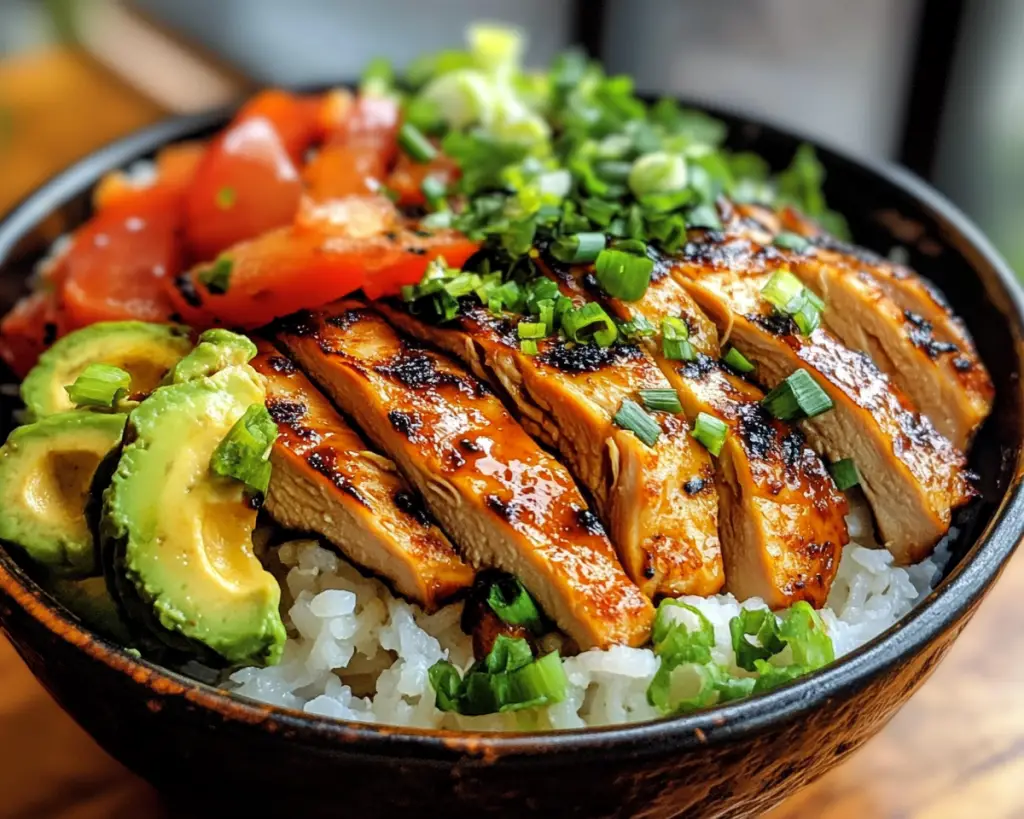
Prep time: 15 minutes
Cook time: 25 minutes
Total time: 40 minutes
Servings: 4
Every home cook knows the elusive quest for meals that are not only flavorful but also satisfy a deep hunger that takes root after a long day. Imagine the aroma of seasoned chicken, fluffy rice, and crisp vegetables coming together in a bowl, each ingredient marrying to create a comforting feast that warms both body and soul. Chicken rice bowls are a delightful solution that provides a canvas for creativity, allowing you to customize them to your heart’s content. This recipe shines a spotlight on how you can make chicken rice bowls taste incredibly satisfying while also being easy to prepare, perfect for busy weeknights or meal prep for the week ahead.
In this article, you will discover what makes chicken rice bowls a culinary delight, why they are a household favorite, and how to make your version exceptionally delicious. You’ll learn about the ingredients that enhance flavor, the cooking methods that elevate each component, and variations that cater to different dietary needs and preferences. Let’s embark on this culinary adventure that blends flavor, texture, and tradition.
What Is How Can You Make Chicken Rice Bowls Taste So Satisfying?
Chicken rice bowls are a comforting dish that has origins across various cuisines, particularly in Asian culinary traditions. Each component of this dish plays a crucial role—the tender, juicy chicken serves as the protein anchor, while fluffy rice acts as the perfect canvas to absorb flavors. Topped with vibrant and crisp veggies, these bowls not only provide essential nutrients but also engage your senses with colorful presentations and diverse textures.
The versatility of chicken rice bowls is one of their key appeals. You can use various types of rice—jasmine, basmati, or brown rice—each bringing its unique flavor profile. The chicken can be marinated in a variety of sauces, from soy sauce to teriyaki, allowing for an explosion of flavors with each bite. This dish is not just food; it’s a celebration of what home cooking can bring—satisfaction, comfort, and the ability to tailor your meal to suit your specific cravings.
With hearty satisfaction in every bowl, you can take this fundamental structure and explore new horizons, making it a family favorite or a go-to meal prep option.
Why You’ll Love This
This recipe for chicken rice bowls is not just about fulfilling your hunger; it’s about a *multitude of benefits* that cater to various needs in the kitchen. First, the taste is a delightful medley of savory chicken combined with the natural sweetness of fresh vegetables. Each bite promises a harmonious blend of textures—crispy, tender, and creamy all at once.
One of the significant advantages of this dish is its *ease of preparation*. Even if you are a beginner in the kitchen, this recipe breaks down each step with clear instructions, making the cooking process seamless and rewarding. Plus, prepping ingredients ahead of time leads to quick assembly during the week, perfect for busy parents or anyone who struggles with meal prep during tight schedules. The cost-effectiveness of this meal cannot be overlooked, as it uses simple, everyday ingredients that won’t break the bank.
Moreover, common misconceptions about rice bowls being bland can easily be dispelled with this recipe. Many home cooks worry that they lack the knowledge to create flavor-packed meals; however, with the right spices and marinades, your chicken rice bowl can become a flavorful cornerstone of your weekly menu. The delightful combination of hearty chicken, nourishing rice, and fresh vegetables creates a *nutritious and satisfying* meal that anyone can enjoy.
Ingredients You’ll Need
- Chicken breast: A lean protein option that cooks quickly, chicken breast provides a solid base for your meal. You can opt for thighs if you prefer darker meat.
- Rice: White or brown rice works well. Brown rice offers more fiber while white rice tends to absorb flavors better.
- Vegetables: Bell peppers, broccoli, and carrots add color and nutrients. You can also substitute with your favorites or seasonal vegetables.
- Soy sauce: This adds a salty umami flavor that elevates the dish. For a gluten-free option, use tamari.
- Garlic: A must-have for depth of flavor; fresh minced garlic enhances the overall taste profile. Dried garlic powder is a suitable substitute.
- Ginger: Fresh ginger contributes warmth and complexity. Ground ginger may be used in a pinch.
- Seasonings (salt, pepper, etc.): Basic but essential for flavor enhancement. You can also add spices like paprika for a smoky note.
- Oil: Olive oil or sesame oil will suffice for cooking; use oils that complement the dish.
- Optional toppings: Green onions, sesame seeds, or sriracha for heat can be added for additional flavor.
Each of these ingredients plays a pivotal role in bringing the chicken rice bowl to life. Feel free to *experiment* with different vegetables or protein options based on what you have available, ensuring a personal touch every time you make it.
How to Make
- Prepare the rice: Begin by rinsing your chosen rice under cold water. This removes excess starch and prevents it from becoming too sticky during cooking. In a pot, combine the rice with water—two parts water for one part rice, generally works well. Bring it to a boil, then reduce the heat to a low simmer and cover. Allow it to cook for about 15-20 minutes for white rice or 45-50 minutes for brown rice. Once cooked, fluff the rice with a fork to separate the grains.
- Marinate the chicken: While the rice is cooking, slice the chicken breast into bite-sized pieces or strips. In a mixing bowl, combine soy sauce, minced garlic, and grated ginger for a marinade. Toss in the chicken pieces, ensuring they are thoroughly coated. Let it sit for at least 10 minutes. This step is crucial for deepening the flavor and tenderizing the chicken while you prep your other ingredients.
- Cook the chicken: In a non-stick skillet or wok, heat a tablespoon of oil over medium-high heat. Once hot, add the marinated chicken in a single layer. Allow it to cook without moving it for a few minutes to develop a nice golden-brown crust. Stir occasionally until the chicken is cooked through, about 6-8 minutes. Be careful not to overcook it, as this can lead to a dry texture.
- Add the vegetables: After the chicken is cooked, toss in your choice of sliced vegetables. Bell peppers, broccoli, and carrots cook quickly, so stir-fry for an additional 3-5 minutes until they are tender-crisp. This helps retain their vibrant colors and essential nutrients, providing crunch in each fulfilling bite.
- Combine everything: Once the vegetables are just cooked, add the cooked rice directly into the skillet or wok. Stir everything together, blending the rice with the chicken and vegetables. Drizzle a little more soy sauce if desired, allowing the flavors to meld beautifully. Make sure to taste and adjust seasoning if necessary, adding more salt, pepper, or garlic as per your liking.
- Serve: Plate your chicken rice bowls while hot, and garnish with optional toppings like sliced green onions, sesame seeds, or a drizzle of sriracha for some heat. Don’t forget to take a moment to enjoy the enticing colors and aromas before diving in. Your creation is not just a meal; it’s a moment of culinary satisfaction!
These steps not only guide you through the recipe with ease but also enable you to appreciate the cooking process and the delightful sensory experience it offers.
Variations & Substitutions
Substitution with Quinoa: If you’re looking for a gluten-free or higher-protein alternative to rice, consider using quinoa. This grain offers a nutty flavor and a fluffy texture that complements the flavors in the chicken and vegetables beautifully. Cooking quinoa follows similar steps—just ensure you rinse it well before boiling for best results.
Sushi Bowls: For a fun twist, transform your chicken rice bowl into a sushi bowl! Incorporate sushi rice, seasoned with rice vinegar and sugar. Then top it with cooked chicken, avocado, cucumber, and nori strips for a vibrant, fresh twist that’s ideal for a summer meal.
Vegetarian Option: For a vegetarian take on this dish, substitute the chicken with tofu or tempeh. Marinate the tofu with the same soy sauce, garlic, and ginger mixture for robust flavor. Sautéing the marinated tofu until crispy provides texture contrast while keeping the dish plant-based.
Spicy Kick: If you love heat, include spicy elements like jalapeños, sriracha, or chili paste in your marinade. You can also toss in spicy kimchi as a topping for a Korean-inspired twist, adding an extra layer of flavor and crunch that will elevate your chicken rice bowl.
Curry Chicken Rice Bowl: Add a multicultural flair by incorporating curry spices into your cooking. Use coconut milk in addition to soy sauce for simmering the chicken, and serve the bowl with peas and carrots. This variation embodies warmth and comfort, perfect for chilly nights.
Incorporating these variations showcases the adaptability of chicken rice bowls, making them continually exciting and fresh no matter your dietary preferences.
Common Mistakes to Avoid
One of the most common mistakes is overcooking the chicken, which can lead to a dry texture. Make sure you monitor the cooking time closely and remove it from heat as soon as it reaches an internal temperature of 165°F to ensure juiciness.
Another mistake is cooking the rice without rinsing it first. This can result in overly sticky rice, losing that ideal fluffiness that complements the other ingredients. Always rinse your rice under cold water until it runs clear to achieve that perfect texture. Additionally, not allowing the marinade to soak into the chicken long enough can lead to a lack of flavor. Ideally, aim for at least 10-15 minutes for the best results.
Finally, when mixing the rice and chicken in the skillet, a common slip is not adding enough seasoning. Taste as you go along and don’t be afraid to adjust the flavors with additional soy sauce or spices to suit your palate.
Storage, Freezing & Reheating Tips
Storage of chicken rice bowls is straightforward when done correctly. Allow the dish to cool completely before transferring it to an airtight container to maintain freshness. In the refrigerator, it can last for up to 3-4 days. When reheating, ensure that the chicken reaches an internal temperature of 165°F to avoid any foodborne illnesses.
For longer-term storage, you can freeze the chicken rice bowl. Place the components (such as chicken, rice, and veggies) in a freezer-safe container, separating rice and protein if possible. This allows for easier reheating later on. The frozen dish can maintain its quality for up to three months. When ready to use, simply thaw in the refrigerator overnight and reheat thoroughly.
Always practice food safety best practices when it comes to handling cooked chicken and other ingredients. Keeping things clean and ensuring proper temperatures are maintained will not only enhance the longevity of your meals but also protect your family’s health.
Frequently Asked Questions
Can I make chicken rice bowls in advance for meal prep?
Absolutely! Chicken rice bowls are perfect for meal prepping. You can prepare all the ingredients ahead of time or batch-cook the chicken and rice to store in the fridge or freezer. When ready to eat, simply reheat and enjoy a wholesome meal quickly.
What other grains can I use instead of rice?
There are numerous options beyond rice! Quinoa, cauliflower rice, or even barley can be great substitutes. Each of these alternatives brings its flavor and nutritional benefits, so feel free to experiment with what you have available or what suits your dietary needs.
Can leftovers be frozen?
Yes, leftover chicken rice bowls can be frozen for later use. Just make sure to cool the dish completely and store it in a freezer-safe container. When you are ready to enjoy them again, simply thaw them in the fridge overnight and reheat until hot.
How do I make this dish gluten-free?
To make chicken rice bowls gluten-free, simply substitute soy sauce with a gluten-free option like tamari or coconut aminos. Verify that your other ingredients do not contain hidden gluten. With these adjustments, you can enjoy this delicious meal without worry.
What are some good toppings for chicken rice bowls?
Toppings can elevate your chicken rice bowls to the next level! Green onions, sesame seeds, sliced avocados, and a squeeze of lime add freshness. For a spicy touch, drizzle some sriracha or sprinkle chili flakes on top. Customize your bowl as you like!
Conclusion:
The chicken rice bowl is a versatile dish that combines flavor, convenience, and nourishment in every bite. With easy steps and adaptable variations, it’s simple to customize to fit your family’s tastes. Whether you stick to the classic version or experiment with unique ingredients, chicken rice bowls promise a satisfying meal that everyone will enjoy. I encourage you to try making it at home, explore countless flavor profiles, and perhaps even share your creations with friends and family. Remember, the kitchen is a place for *joy and creativity*—so dive in and savor every moment!