Prep time: 20 minutes
Cook time: 30 minutes
Total time: 50 minutes
Servings: 4
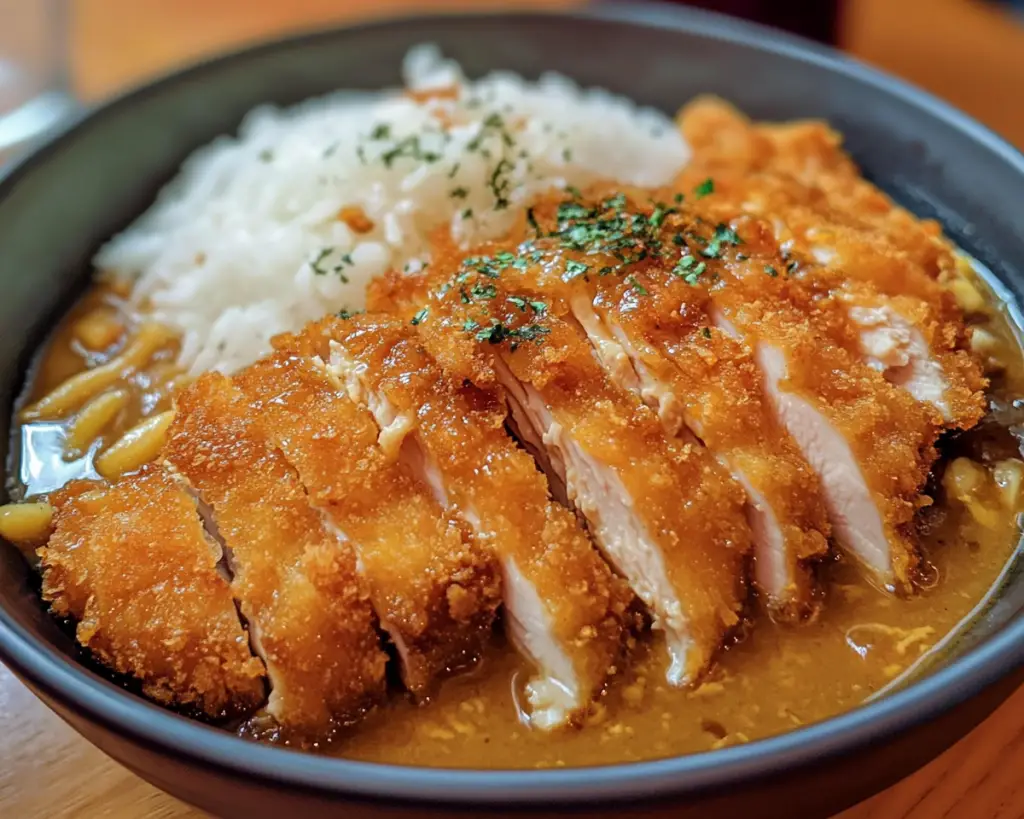
If you’re eager to embark on a flavor journey that warms the soul and satiates cravings, then Miso Honey Chicken Katsu Curry is the dish for you. Imagine succulent chicken cutlets, delicately breaded and fried until golden brown, all drenched in a savory-sweet curry sauce that brings comfort with every bite. This recipe encapsulates everything we love about Japanese comfort food: the rich flavors, the cozy textures, and that irresistible aroma wafting through the kitchen as it cooks.
This dish isn’t just about taste; it also serves as an incredible gateway into Japanese cuisine. You’ll learn how to make the perfectly crispy chicken katsu and the velvety miso honey curry sauce that beautifully marries the savory umami of the miso paste with the sweetness of honey. As we explore how to make this dish, you’ll discover practical tips on ingredient choices and preparation methods that can turn anyone into a confident cook in their kitchen.
What Is Miso Honey Chicken Katsu Curry (Japanese Comfort Food)?
Miso Honey Chicken Katsu Curry is a delightful amalgamation of flavors and textures that speaks volumes about Japanese culinary tradition. At its heart lies the crispy chicken katsu, usually made from boneless chicken breasts or thighs, which are enveloped in a layer of panko breadcrumbs before being fried to golden perfection. The exterior boasts a satisfying crunch, while the interior remains undeniably tender and juicy.
The star of the dish is undoubtedly the miso honey curry sauce. Miso, a fermented soybean paste, introduces a deep umami flavor that is both complex and satisfying. Coupled with honey, it adds a gentle sweetness, balancing the dish perfectly. The curry sauce is usually thick and creamy, enveloping the katsu in a warm embrace that makes each bite an explosion of flavor. This dish is often served over a bed of fluffy rice, making it a complete meal that satiates and nourishes.
The origins of Katsu can be traced back to Western influences on Japanese cuisine during the Meiji era, continually evolving into a beloved comfort dish. Pairing this iconic katsu with a miso and honey curry sauce elevates it even further, blending tradition with innovation. The result is a love letter to the essence of Japanese cooking that captures both the heart and palate.
Why You’ll Love This
There are countless reasons why you will adore Miso Honey Chicken Katsu Curry. First and foremost, it is exceptionally flavorful. The combination of crispy chicken, savory miso, and sweet honey will delight your taste buds in a way that few dishes can match. Second, it is straightforward to prepare, making it a wonderful choice for both seasoned home cooks and beginners alike.
You might be surprised to learn that cooking Japanese comfort food at home can be cost-effective. Many of the ingredients needed for this recipe can be found in your pantry or are easy to acquire from local grocery stores or online markets. Additionally, you can make subtle adjustments to the recipe to suit dietary preferences or ingredient availability without losing the essence of the dish.
Common misconceptions about Japanese curry often steer people toward the thought that it’s overly complicated or requires technical skills. In reality, this dish is quite forgiving and adaptable. A few simple steps can guide you to an impressive meal that will have your family raving and your friends asking for the recipe.
Ingredients You’ll Need
- Chicken breasts or thighs: These are the foundation of your katsu. Boneless cuts work best, and thighs can provide more juiciness. For a healthier option, consider using skinless chicken.
- Panko breadcrumbs: These Japanese-style breadcrumbs give your chicken that sought-after crispy texture. Regular breadcrumbs can be used in a pinch, but the texture will not be as airy and light.
- Miso paste: This fermented soybean paste is key to the sauce. Use white or yellow miso for a milder flavor, or red miso for a bolder taste. Don’t overlook the ability of miso to enhance umami!
- Honey: This adds a natural sweetness to balance the savoriness of the miso. Feel free to substitute with maple syrup or agave nectar for a vegan option.
- Curry powder: A blend of spices that is essential for creating the curry sauce. You can select your preferred level of spiciness, from mild to hot.
- Onion: Sautéed to create a fragrant base for your curry sauce. It’s a must-have for depth of flavor.
- Garlic: Adds a wonderful aroma and flavor to your curry sauce, rounding out the dish.
- Chicken broth: This liquefies the sauce and infuses it with flavor. For a vegetarian option, use vegetable broth instead.
- Vegetable oil: For frying the chicken. Oil with a high smoke point, like canola or grapeseed, can work best.
- Rice: Typically served as a base. Short-grain Japanese rice is ideal for its sticky texture.
These ingredients, while simple, work harmoniously to create a dish that is both satisfying and rich in flavor. Ensuring you have high-quality ingredients can elevate your cooking experience and the final result significantly.
How to Make
- Prepare the Chicken: Start by flattening the chicken breasts for even cooking. Place each breast between two pieces of plastic wrap and pound them gently until they are about ½ inch thick. This not only ensures even cooking but also tenderizes the meat. Pat dry with paper towels, season with salt and pepper.
- Set Up Your Breading Station: In three separate shallow bowls, place the flour, beaten eggs, and panko breadcrumbs. First, dredge the chicken in flour, coating it evenly and shaking off any excess. Then dip it into the egg wash, followed by a generous coating of panko breadcrumbs, pressing lightly to adhere.
- Fry the Chicken: In a large, deep skillet, heat about ½ inch of vegetable oil over medium heat. Carefully add the breaded chicken and fry for about 4-5 minutes on each side until golden brown and cooked through. To check for doneness, you can use a meat thermometer; the internal temperature should reach 165°F (75°C). Once cooked, transfer the chicken to a paper towel-lined plate to drain excess oil.
- Make the Curry Sauce: In another pan, heat a little oil over medium heat and sauté the chopped onion until it’s translucent and fragrant, about 5 minutes. Add minced garlic and cook for another minute until fragrant. Stir in the miso paste, honey, and curry powder, and let the spices bloom for a minute.
- Combine and Simmer: Pour in the chicken broth, stirring constantly to dissolve the miso paste. Bring the mixture to a simmer and let it cook for about 10 minutes, allowing the flavors to meld. If the sauce thickens too much, you can add a little more broth to reach your desired consistency.
- Serve: To assemble, slice the chicken katsu into strips and place it over a bed of warm rice. Ladle the miso honey curry sauce generously over the top. Garnish with chopped green onions or sesame seeds for an extra touch of flavor.
Making Miso Honey Chicken Katsu Curry is a beautiful process that beckons you to enjoy each phase of preparation, from the satisfying crunch of the chicken to the richly colored sauce that promises warmth and hospitality. Don’t rush it—take your time to savor the moments in the kitchen.
Variations & Substitutions
Vegetarian Option: If you want to create a vegetarian version, simply replace the chicken with firm tofu or even eggplant. Press and cube the tofu, then bread and fry it as you would the chicken. The texture may differ but will absorb all the delicious flavors of the curry sauce just as wonderfully.
Gluten-Free Option: For a gluten-free take on this dish, substitute panko breadcrumbs with crushed gluten-free crackers or seasoned cornmeal. Additionally, use a gluten-free soy sauce if using miso, as the standard version may contain gluten.
Spicy Version: If you crave heat, add fresh chopped chilies to the curry sauce or increase the amount of curry powder. Sriracha or chili paste can be drizzled on top as a finishing touch for an extra kick.
Seafood Katsu: Swap the chicken for shrimp or fish fillets, like cod or tilapia, for a seafood variation. Following the same breading and frying process, you’d end up with a tasty alternative that maintains the soul of the original dish.
Veggie Loaded Curry: Why not boost the nutritional profile by incorporating vegetables? Sauté diced carrots, peas, or bell peppers alongside the onions. This will contribute both texture and nutrients, giving you an even heartier meal.
Experimenting with these variations opens up endless possibilities, allowing you to tailor the dish to your personal preferences or dietary needs.
Common Mistakes to Avoid
When making Miso Honey Chicken Katsu Curry, certain pitfalls may lead to less-than-perfect results. One common mistake is **overcrowding the pan** when frying the chicken. This can lower the oil temperature rapidly, leading to soggy rather than crispy katsu. Always fry in batches to ensure each piece has enough space to cook properly.
Another frequent error is not **allowing the chicken to rest** after frying. Failing to give it a few minutes can result in a loss of juices upon slicing, leading to dry chicken katsu. Make sure to allow it to rest for about 5 minutes before cutting.
When making the curry sauce, avoid adding too much liquid too quickly. **Gradually** introduce the chicken broth while stirring constantly to ensure a smooth, creamy texture. If too much broth is added at once, it may result in a watery sauce.
Lastly, don’t underestimate the importance of tasting your sauce as you go. You may need to adjust seasoning levels since personal preference varies widely. A simple pinch of salt or additional miso can elevate your dish significantly.
Storage, Freezing & Reheating Tips
Storing Miso Honey Chicken Katsu Curry is straightforward. Allow the dish to cool completely before transferring it to an airtight container. It can be stored in the refrigerator for up to 3 days. When reheating, do so gently on the stovetop over medium-low heat to prevent the chicken from drying out. Add a splash of broth or water if necessary to keep the sauce creamy and prevent it from burning.
For longer storage, this dish can be frozen. Ensure that you separate the katsu and curry sauce into different containers to maintain texture quality. When ready to enjoy, thaw both overnight in the refrigerator before reheating on the stovetop.
**Food safety best practices** suggest that it’s crucial to ensure the dish is cooled completely before refrigerating and to consume frozen meals within 3 months for optimal taste.
Frequently Asked Questions
Can I use other meats instead of chicken? Yes, you can substitute chicken with pork or even turkey cuts. Each option will bring a slight variation in flavor while maintaining the same crispy-breaded texture.
Can I make this dish ahead of time? Absolutely! The curry sauce can be made in advance and stored in the fridge. The chicken can also be prepared and fried, then reheated when ready to serve, although the optimal texture of the katsu is best enjoyed fresh.
What can I serve with Miso Honey Chicken Katsu Curry? This dish pairs wonderfully with a simple vegetable salad or steamed vegetables to balance the richness of the curry. You can also serve it with pickles or a side of miso soup for a complete meal.
Is Miso Honey Chicken Katsu Curry spicy? The spice level largely depends on the type of curry powder you choose. Generally, it’s mild, but you can adjust the heat by adding more spice if you prefer a kick!
Can I use other types of miso paste? Yes, white miso is typically sweeter and milder, while red miso has a deeper flavor. You can experiment with different varieties to find your preferred taste or to enhance a certain flavor profile in your dish.
Conclusion:
Miso Honey Chicken Katsu Curry is a masterpiece of comfort food, bringing together rich flavors and comforting textures that make for a fulfilling meal. Not only is it easy to prepare, but it also allows for endless customization to suit your tastes or dietary preferences. Whether you are enjoying this dish on a cozy weekend or serving it to guests, its appeal is universal. I invite you to dive into this recipe, embrace its deliciousness, and share your experience with others—after all, food is best enjoyed together!


