Prep time: 15 minutes
Cook time: 30 minutes
Total time: 45 minutes
Servings: 4
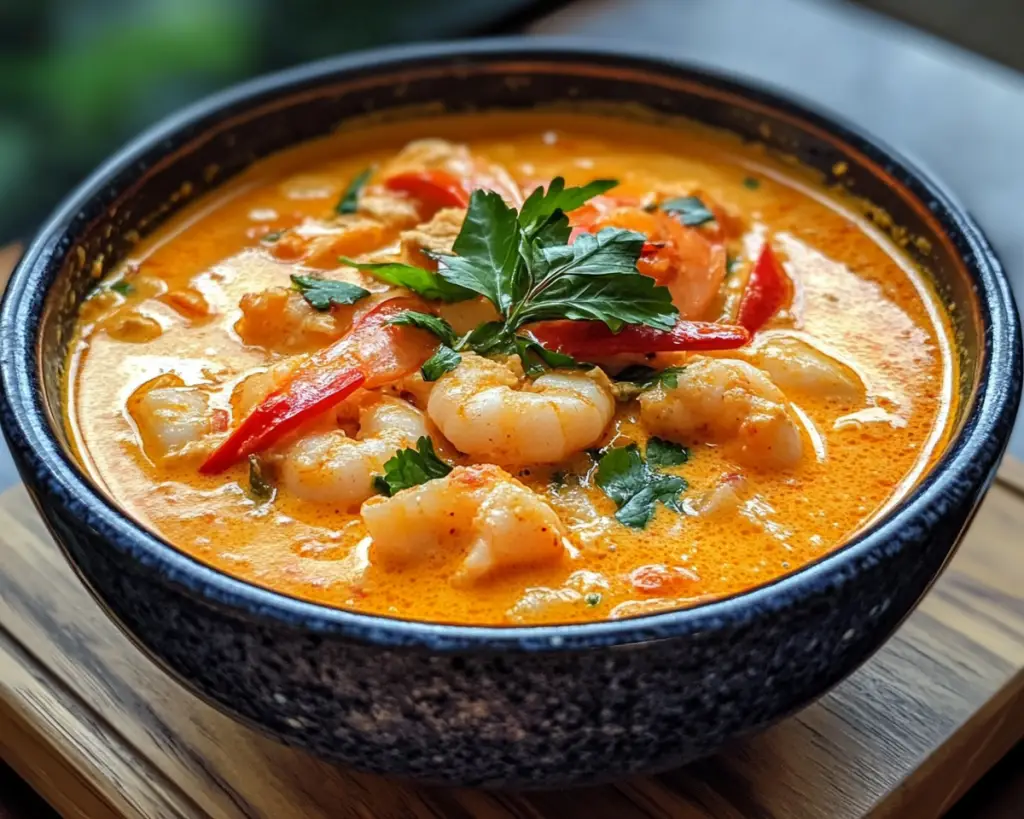
If you’ve ever longed for a dish that brings the vibrant flavors of Thailand into your kitchen, look no further. Authentic Thai Panang Curry is one of those culinary gems that captures the heart and soul of Thai cuisine. Imagine a creamy, rich curry that dances with spices and presents an irresistible aroma as it simmers. This recipe has a way of making a busy evening feel special, wrapping you in the comforting embrace of coconut milk and handcrafted curry paste.
Panang Curry holds a special place in the world of curries, distinguished from others like red or green curry by its thicker consistency and distinct flavor profile. It often incorporates a daring blend of spices such as coriander, cumin, and kaffir lime leaves. As you make this dish, you will quickly learn just how simple yet rewarding it can be to prepare, making it a fantastic option for **busy parents** or **beginners in the kitchen** who want to enjoy **restaurant-quality dishes at home**.
In this recipe, you will learn everything from selecting the right ingredients to mastering the cooking steps. You will also discover variations that cater to different dietary needs and preferences, as well as some handy tips and tricks for reaching that perfect flavor balance.
What Is 🍛 Authentic Thai Panang Curry (Rich, Creamy & Flavorful)?
The roots of Panang Curry trace back to Thailand, a land known for its rich heritage in vibrant and diverse cuisines. Unlike its red and green counterparts, Panang Curry is less about the heat and more about the depth of flavor. It features a creamy yet dense consistency, often achieved by blending **thick coconut milk** with a spicy curry paste.
One of the defining characteristics of Panang Curry is its subtle hint of sweetness, usually achieved through palm sugar. This sweetness complements the savoriness of the meat (often beef, chicken, or tofu), and the freshness of the herbs, creating a mouthwatering combination that is hard to resist. Each bite offers a delightful experience where the **aromatic spices** mingle beautifully with the richness of coconut milk, leading to an **intensely flavorful dish**.
You’ll notice the use of **kaffir lime leaves** and **galangal** in the recipe, both of which amplify the dish’s fragrant qualities, contributing to its layered flavor profile. The addition of **peanut butter** is not typical in many curries but is a hallmark of Panang, as it adds a beautiful nutty flavor while thickening the sauce, further enhancing its creaminess.
Why You’ll Love This
You’ll adore this dish not just for its delectable taste; it’s also incredibly simple to prepare. With just a handful of ingredients and easy-to-follow steps, you can whip up a meal that feels extravagant. The **cost-effectiveness** of making Panang Curry at home is a game-changer, especially for **budget-conscious families**. This recipe can be made fairly inexpensive, especially if you have ingredients on hand or can substitute in what you already have.
Another appealing aspect is the versatility of the curry. You can swap in various proteins or different vegetables based on what you have on hand, making it an excellent option for meal prep. Those hosting dinner guests will impress them with a homemade, exotic dish while also knowing that it’s packed with nutritious ingredients.
It’s important to address some misconceptions around Thai curries. Many believe they are too complicated to make, but this recipe proves otherwise. With a few simple steps, you will discover how easy it is to create restaurant-quality dishes in your own kitchen.
Ingredients You’ll Need
- 1 lb of chicken or beef: The star protein, you can use chicken thighs for tenderness or beef for its rich flavor. If you want a vegetarian version, tofu works beautifully.
- 2 tablespoons of Panang curry paste: This is crucial for flavor; you can find it in Asian grocery stores or online. Look for brands that use quality ingredients.
- 1 can of coconut milk (13.5 oz): The creamy base; full-fat coconut milk will yield the richest texture.
- 3 kaffir lime leaves: These add an aromatic dimension; fresh or frozen are both effective.
- 1 tablespoon of fish sauce: A common flavor enhancer, it adds umami and saltiness; you can substitute it with soy sauce for a vegetarian version.
- 1 tablespoon of palm sugar: This cane sugar will balance the flavors; brown sugar can act as an alternative.
- 1 red bell pepper: For color and crunch, but feel free to add in any vegetable you enjoy.
- Fresh basil leaves: A finishing herb that elevates the dish; Thai basil works best, but sweet basil is a good substitute.
Each ingredient plays a role in achieving that authentic flavor profile that makes Panang Curry so memorable. Importantly, using fresh ingredients will yield the best results, allowing you to create a dish that’s not only pleasing to the palate but also beautiful to behold.
How to Make
- Prepare your ingredients: Start by gathering all of your ingredients. If using chicken, cut it into bite-sized pieces, and slice the red bell pepper into thin strips. This will help everything cook evenly and present beautifully on the plate.
- Make the curry base: In a large pan or wok, heat 1 tablespoon of oil over medium heat. Add the Panang curry paste and stir for about 1-2 minutes until it becomes fragrant. This step helps to activate the spices and enhances the overall flavor of the dish.
- Add the chicken or beef: Once the curry paste is aromatic, add your protein to the pan. Stir it to coat the meat in the curry paste, letting it cook for about 3-4 minutes. You want it to start turning color but not cook through completely at this point.
- Add coconut milk and kaffir lime leaves: Gradually pour in the coconut milk while stirring to combine everything. Toss in the lime leaves as well, giving the mixture a gentle stir. Let it simmer for 10-15 minutes, allowing the flavors to meld and the meat to cook through.
- Adjust seasoning: After simmering, taste and add fish sauce and palm sugar as needed. The balance of salty, sweet, and creamy is critical for an authentic taste. Keep tasting and adjusting until you have a flavor that feels just right for you.
- Finish with vegetables and herbs: Add the red bell pepper and cook for a few more minutes until it’s slightly softened. Turn off the heat and toss in fresh basil leaves; they will wilt but retain their bright flavor and aroma.
- Serve and enjoy: Transfer your completed Panang Curry to a bowl. This dish pairs beautifully with fluffy jasmine rice or a side of steamed vegetables for a balanced meal. Enjoy the rich aroma and flavors!
Cooking at home doesn’t have to be daunting. Whether you’re juggling work, family, or personal time, making this dish can foster a moment of relaxation in your busy schedule. The routine of chopping, stirring, and seasoning can be quite meditative, allowing you to focus on the joyous end result—a bowl of sumptuous Panang Curry.
Variations & Substitutions
Vegetarian Panang Curry: If you prefer a meatless option, you can easily substitute tofu for the chicken or beef. Tofu absorbs flavors beautifully and will create a creamy texture similar to that of traditional Panang. For added texture, consider using a mix of veggies like bell peppers, zucchini, and carrots. This version will provide a wholesome alternative without sacrificing flavor.
Nut-Free Edition: For those with nut allergies, you can skip the peanut components altogether or use sunflower seed butter instead of peanut butter. This will keep the dish creamy while ensuring it’s safe for all to enjoy. Be cautious with any pre-packaged curry pastes, as they sometimes contain nuts or traces of them.
Low-Carb Variation: If you’re looking to reduce carbs, go for a low-carb vegetable like cauliflower rice instead of traditional jasmine rice. This adds a lightness to the meal while maintaining the comforting aspects of the curry. You can also increase the amount of vegetables to create a heartier, veggie-packed dish that remains low in carbohydrates.
Spicy Panang Curry: Want more heat? Consider including sliced fresh chilies or a dash of chili flakes to your curry while cooking. Adjust the heat level gradually to ensure it doesn’t overpower the other flavors. If you love a fiery kick, this option will stimulate your taste buds and make the dish even more exciting.
Each variation allows you to discover new aspects of this beloved dish while still enjoying its core essence. Don’t hesitate to experiment with what you have on hand!
Common Mistakes to Avoid
One prevalent issue home cooks encounter is overcooking the protein, leading to dry, tough meat. To avoid this, monitor the cooking time closely, and always aim to cook it just to the point of doneness. Remember, once you toss it in with the sauce, it will continue to cook, so take it off the heat early.
Another common mistake is skimping on key ingredients like fish sauce and palm sugar. These elements are essential for achieving that authentic balance of flavors. Even if you’re watching your sodium intake, a little fish sauce greatly contributes to the **umami flavor** in the dish.
Also, be careful not to skip the simmering step when combining the sauce with the meat. This allows for essential flavor melding that makes the dish particularly delicious. One last tip: always taste as you go! Finding the perfect balance of sweet, salty, and spicy is key to enjoying your Panang Curry fully.
Storage, Freezing & Reheating Tips
Storing and reheating your **Authentic Thai Panang Curry** is straightforward. Allow the curry to cool completely before transferring it to an airtight container. Ensure that you can consume it within 3-4 days for optimal freshness.
If you wish to make larger batches, freezing is an option as well! Just place the cooled curry in a freezer-safe container, leaving some room for expansion. When you’re ready to enjoy it again, simply thaw it in the refrigerator overnight and heat on the stove over low heat. Stir occasionally to ensure even heating, and consider adding a splash of coconut milk if it seems too thick.
For food safety, be cautious not to keep it out at room temperature for more than two hours to prevent any bacterial growth. By following these tips, you can extend the life of your curry and enjoy it even after the initial cooking session.
Frequently Asked Questions
Can I use store-bought curry paste instead of making my own?
Absolutely! Store-bought curry pastes are convenient and can be very flavorful. Just check the ingredients to ensure they align with your taste preferences. You might want to adjust the quantity based on your heat level preferences, as some brands can be spicier than others.
What can I serve with Panang Curry?
Panang Curry pairs beautifully with fluffy jasmine rice, which helps absorb the rich sauce. Alternatively, you could serve it with coconut rice for a more indulgent experience. Some people enjoy it with rice noodles or even quinoa for a nutritious twist. Don’t forget some fresh vegetables or a light salad on the side for balance!
How do I make this recipe spicier?
If you’re looking for an extra kick, you can include chopped fresh chilies, Sriracha sauce, or even Thai chili paste during the cooking process. Start with a small amount, taste, and adjust as you go. The beauty of cooking at home is that you can tailor the heat to your liking!
Can I make this dish in advance?
Yes, making Panang Curry in advance can enhance its flavors, as they tend to deepen over time. Just store it in the fridge once it has cooled down, and reheat it before serving. This makes it an excellent option for meal prep or when you’re hosting a dinner party!
Is Panang Curry gluten-free?
Yes, Panang Curry is typically gluten-free as long as you use gluten-free soy sauce or tamari instead of regular soy sauce if you want to create a gluten-free version. Always check the packaging of the ingredients you use to ensure there are no hidden sources of gluten.
Conclusion:
This delightful Authentic Thai Panang Curry is more than just a recipe—it’s a culinary adventure that invites you to explore vibrant flavors from home. The rich, creamy texture paired with the aromatic spices is a symphony for your taste buds. Don’t hesitate to experiment with various ingredients and make this dish uniquely yours. Invite your family or friends to join in the cooking experience, and celebrate the joys of homemade meals together. Go ahead, whip up some Panang Curry tonight, and share the love by inviting others to enjoy it with you!