Prep time: 15 minutes
Cook time: 30 minutes
Total time: 45 minutes
Servings: 4
When you think of a dish that can take you straight to the vibrant streets of Singapore, Singapore Noodles is most likely at the top of the list. This iconic dish, often confused with **Chinese cuisine**, brings together a medley of flavors that dance on your palate, making it a favorite for many. It’s both colorful and inviting, and I recall the first time I had it at a quaint little restaurant; the aroma of curry and sautéed vegetables transported me back to that moment. You might be wondering whether it’s complicated to make or how to achieve that perfect balance of spices. Fear not! I’m here to guide you through every step of creating this flavorful curry stir-fry noodles in your kitchen, ensuring it’s as satisfying as dining out.
In this article, you will learn about the origins of Singapore Noodles, the key ingredients that bring it to life, and helpful tips to make this dish your own. Whether you’re catering to picky eaters, looking for budget-friendly meals, or just trying to explore new culinary avenues, this recipe has got you covered. Let’s embark on this delicious journey together!
What Is Singapore Noodles (Flavorful Curry Stir-Fry Noodles)?
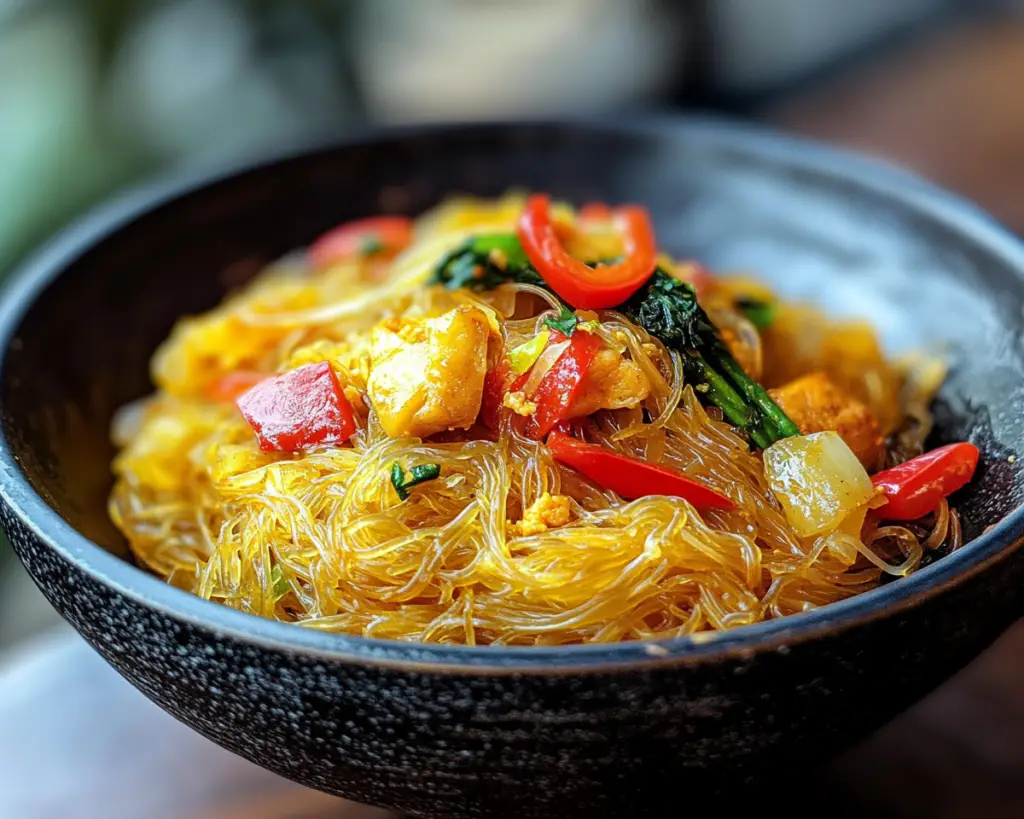
Singapore Noodles, despite its name, does not originate from Singapore itself but is a dish that embodies a fusion of culinary influences. It is a stir-fried noodle dish primarily made with **thin rice vermicelli noodles**, stir-fried with vegetables and protein, all intertwined with a vibrant curry flavor. The texture of the noodles is delightfully chewy, while vegetables add a satisfying crunch, creating a dish that is both filling and comforting.
The main characters in this flavor-packed recipe are curry powder, which imparts both a beautiful golden hue and a complex layering of flavors; vegetables such as bell peppers and onions, which provide freshness and color; and a protein of your choice—whether that be chicken, shrimp, or tofu. The combination of these ingredients results in a dish that is not only visually appealing but also aromatic, enticing anyone who walks into your kitchen.
The unique blend of spices in Singapore Noodles creates a versatile base; thus, it can be tailored according to personal preferences and dietary restrictions. From vegetarians to meat lovers, everyone can find something to enjoy in this delightful dish.
Why You’ll Love This
There are numerous reasons why you’ll fall head over heels for Singapore Noodles! First and foremost, the flavor is simply unmatched—every bite is an explosion of spices that balances the savory notes of the protein, the sweetness of the vegetables, and the warmth from the curry. The ease of preparation is another delightful aspect; it’s a one-pan wonder that allows even the busiest of home cooks to whip up a satisfying meal in no time.
Cost-effectiveness is yet another advantage of this dish. Using staple ingredients and whatever veggies you have lying around means you don’t need to break the bank to enjoy a delicious, restaurant-style meal at home. Singapore Noodles also promote healthy eating, as they are easily adaptable to include fresh vegetables and lean proteins while keeping unhealthy fats at bay.
Common misconceptions often center around the belief that preparing Asian-inspired dishes is *difficult*. This recipe dispels that fear; with just a few simple steps, you can create something that looks and tastes gourmet! Moreover, the versatility of this dish means you can play around with ingredients and flavor profiles, making it suitable for various dietary needs and preferences.
Ingredients You’ll Need
- Rice Vermicelli Noodles: These thin rice noodles absorb flavors well and provide a chewy texture. You can substitute them with other types of noodles if needed, such as udon or egg noodles, but cooking times may vary.
- Curry Powder: The heart of this dish. Curry powder gives Singapore Noodles its recognizable flavor. Feel free to explore different blends, such as Malaysian or Thai curry powder, for a unique twist.
- Vegetables: Bell peppers, carrots, and onions are classic choices, but include any seasonal vegetables that catch your fancy! Broccoli or snap peas work great too.
- Protein: Chicken, shrimp, or tofu are common options. For a vegetarian approach, stick with tofu, and ensure it is well pressed to maintain texture.
- Soy Sauce: This adds depth and umami flavor to the final dish. Low-sodium soy sauce is a great alternative if you’re watching your sodium intake.
- Garlic and Ginger: These aromatic ingredients enhance the overall flavor of the dish and help create a fragrant base.
- Cooking Oil: Use a neutral oil, like vegetable or canola oil, to sauté the ingredients without overpowering the dish.
How to Make
1. Begin by soaking the rice vermicelli noodles in warm water according to the package instructions, typically 10-15 minutes. This step is crucial for achieving the right consistency; over-soaking can lead to mushy noodles. Once softened, drain and set aside. This process ensures the noodles are pliable and will coat well with the sauce.
2. While the noodles soak, prepare your vegetables. Chop the bell peppers, julienne the carrots, and slice the onions into thin strips. The key is to cut them into uniform sizes for even cooking. Colorful vegetables not only enhance the dish’s visual appeal but also provide essential nutrients, creating a balanced meal for you and your family.
3. In a large skillet or wok, heat about 2 tablespoons of cooking oil over medium-high heat. Once the oil is shimmering, add minced garlic and grated ginger, sautéing until fragrant—around 30 seconds. This step is essential as the garlic and ginger release their aromatic flavors into the oil, creating a savory base for the dish.
4. Next, toss in the sliced vegetables and stir-fry for about 4-5 minutes until they begin to soften and take on a slight char. Stirring continuously ensures that all vegetables cook evenly, preventing any from burning. The sizzling sound and vibrant colors will add to the excitement as you create your culinary masterpiece.
5. Incorporate your chosen protein at this stage. If using chicken or shrimp, cook until they are fully cooked through, which is about 5-7 minutes. For tofu, ensure it’s well crisped if you prefer a slightly crispy texture. The goal is to achieve a beautifully balanced mix of flavors, where the protein melds seamlessly with the vegetables.
6. Now it’s time to add the soaked rice vermicelli noodles to the pan. Toss them in gently, being careful to break up any clumps. Drizzle soy sauce and sprinkle curry powder over the top. Mix everything well, ensuring the noodles are fully coated in the sauce and curry spices. The vibrant yellow hue from the curry powder should brighten the dish.
7. Continue to stir-fry for an additional 3-5 minutes, allowing all the ingredients to meld together. Taste and adjust seasonings, adding more soy sauce if necessary. This is your chance to tailor the flavor according to your preference. Perhaps you want it spicier—feel free to add a splash of chili sauce or a pinch of red pepper flakes.
8. Once everything is well mix, remove the pan from heat. Garnish with chopped green onions or cilantro for a fresh finish. Enjoy your Singapore Noodles immediately! The mixture of textures—soft noodles, crunchy veggies, and tender protein—will delight your taste buds and leave you craving more.
Variations & Substitutions
Vegetable-Loaded Variation: If you’re trying to sneak in more veggies or want to create a **meatless meal**, feel free to double up on the vegetables. Consider adding broccoli, snap peas, or even baby corn to enhance the crunch factor. This not only diversifies the dish but also increases its nutritional content. Cooking the vegetables slightly longer will help maintain their crispness while ensuring they are cooked through.
Spicy Singapore Noodles Variation: For those who love a good kick, add sliced fresh chili peppers or a tablespoon of chili paste while sautéing the garlic and ginger. This simple tweak elevates the dish into a spicy delight, perfect for those cold evenings when you want something to warm you up. Just be cautious with the amount you use — you can always add more, but it’s tough to take spice away once it’s in!
Gluten-Free Option: If you are adhering to a gluten-free diet, be sure to use gluten-free soy sauce or **tamari** instead of regular soy sauce. Additionally, check the rice vermicelli packaging to confirm it’s made from rice only, ensuring there are no hidden gluten ingredients. Adjusting these elements guarantees that everyone can enjoy this delicious dish without any dietary restrictions holding them back.
Protein Variation: Explore different proteins based on your dietary preferences! For instance, switch out chicken for shrimp or pork. If you want to include a plant-based option, look for packaged vegan proteins that mimic chicken. Each protein brings its unique flavor, offering a new experience with every preparation.
Common Mistakes to Avoid
A common pitfall is **overcooking the noodles**. If soaked for too long, they can become mushy. Always check for the recommended soaking time on the package and opt for a quick rinse in cold water after soaking to stabilize their texture.
Another mistake is adding too much soy sauce at once, which can make the dish overly salty. Instead, start with a smaller amount, taste-testing as you go. Remember, you can always add more, but it’s challenging to reduce saltiness once it’s there.
Lastly, many home cooks fail to get a **good toss** during the stir-frying process. The crucial step here is to keep the ingredients moving to prevent them from sticking to the pan and burning. Perhaps consider investing in a wok; the shape helps to distribute heat evenly, ensuring all ingredients are cooked perfectly.
Storage, Freezing & Reheating Tips
Storing your leftover Singapore Noodles is quite simple. Place them in an airtight container and store them in the refrigerator for up to 3 days. When reheating, a splash of water or vegetable broth helps restore moisture before microwaving.
For longer-term storage, consider freezing. Spread the noodles in a single layer on a baking sheet to flash freeze them before transferring to a freezer-safe container. They can last in the freezer for up to 3 months, although it’s best enjoyed fresh.
When reheating frozen noodles, moving them directly from the freezer to the stove, adding a bit of oil and water, helps to ensure even heating without turning them mushy.
Frequently Asked Questions
Can I make Singapore Noodles vegetarian?
Absolutely! Simply replace the meat with tofu or tempeh, and load up on a variety of vegetables. The flavor of the curry powder combined with fresh veggies makes a delicious vegetarian option that everyone will enjoy.
Can I use other types of noodles?
Certainly! While rice vermicelli is traditional, you can substitute with other types of noodles, such as egg noodles or even whole wheat pasta. Just be sure to adjust cooking times as necessary based on the noodle type you select.
Is Singapore Noodles spicy?
The standard version is not particularly spicy; it typically features a mild heat from the curry powder. If you prefer more heat, consider adding fresh chili, chili paste, or red pepper flakes to suit your taste.
Can this recipe be prepared ahead of time?
Yes! You can prepare all components ahead of time, including chopping vegetables and soaking the noodles. However, it’s best to stir-fry them right before serving to maintain the texture and flavor of the dish.
How can I customize the flavor of Singapore Noodles?
Feel free to experiment with additional spices, sauces, or even fresh herbs. You can modify the dish based on your personal preferences, such as adding lime juice or sesame oil for added depth.
Conclusion:
In closing, Singapore Noodles is an easy, delicious, and highly customizable dish that caters to numerous dietary requirements and personal tastes. With the fragrant spices, colorful vegetables, and your choice of protein, this meal is both satisfying and simple to prepare. Whether you’re a busy parent looking for quick dinner ideas, a beginner trying to impress your family, or anyone in between, I encourage you to try this recipe out. Experience the blend of flavors and textures for yourself, and don’t hesitate to share your own variations! Happy cooking!