Prep time: 15 minutes
Cook time: 20 minutes
Total time: 35 minutes
Servings: 4
There’s something undeniably tempting about a delicious, hearty meal that combines the rich flavors of tender steak with the vibrant colors and crunch of bell peppers. The aroma that fills your kitchen as you cook pepper steak is hard to resist, and it often brings back fond memories of family dinners. This pepper steak recipe is not just any ordinary dish; it’s a celebration of flavors that come together beautifully, making it a fantastic option for busy weeknights or when you’re entertaining guests. In this article, you’ll discover how to make this delightful dish, explore variations, and learn essential tips to enhance your cooking experience.
What Is Pepper Steak?
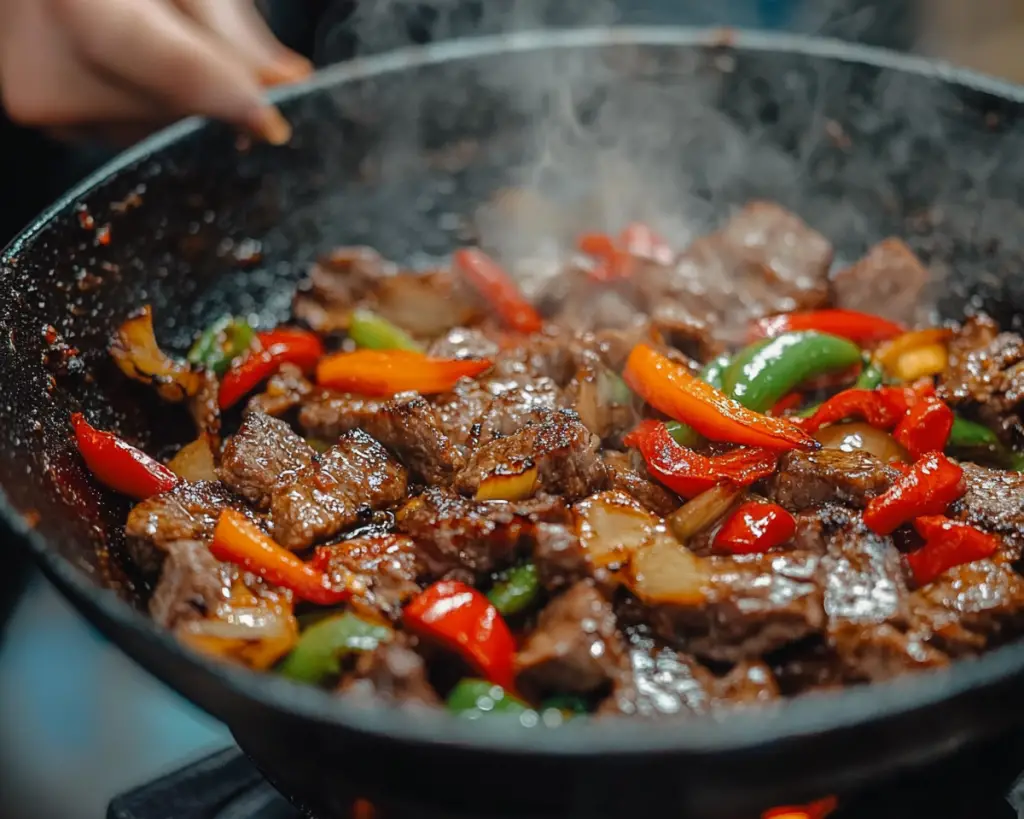
Pepper steak is a classic stir-fry dish that originated in Chinese cuisine but has become popular worldwide. The dish typically features strips of beef, often sirloin or flank steak, sautéed with a colorful mixture of bell peppers and onions. The combination is seasoned with soy sauce, garlic, and various spices, resulting in an aromatic and flavorful meal.
The texture of pepper steak is a harmonious blend of tender, juicy beef and crunchy, colorful vegetables. It often boasts a slightly sweet and savory sauce that captivates the taste buds. Whether served over steamed rice, noodles, or on its own, pepper steak offers a satisfying meal packed with flavor, making it a favorite among many households.
Why You’ll Love This Pepper Steak
There are numerous reasons why you will fall in love with this pepper steak recipe. First and foremost is the incredible taste. The richness of the beef complements the sweetness of bell peppers beautifully, creating a symphony of flavors on your palate.
You’ll also appreciate the ease with which this dish comes together. Using simple cooking techniques, you can have a restaurant-quality meal on your table in just 35 minutes. This makes it an excellent choice for busy families or anyone looking to whip up a quick weeknight dinner.
Additionally, pepper steak is a cost-effective recipe that can be customized according to your budget. Use cheaper cuts of beef that become tender with marination and cooking. Toss in any vegetables you have on hand, such as broccoli or snap peas, to add nutritional value and more variety to this robust dish.
Moreover, it’s a versatile recipe. You can adjust the spice level, opt for low-sodium soy sauce for a healthier version, or even swap in different proteins if desired.
Ingredients You’ll Need
- 1 pound of sirloin steak: This cut is tender and flavorful, but you can also use flank steak or even chicken if preferred.
- 2 tablespoons soy sauce: Provides a savory base flavor. For a gluten-free option, use tamari.
- 1 tablespoon cornstarch: This helps create a velvety sauce and tenderizes the meat.
- 1 tablespoon vegetable oil: For stir-frying. You can also use sesame oil for added flavor.
- 1 bell pepper (any color): Adds visual appeal and sweetness. Feel free to mix different colors!
- 1 medium onion: Enhances the overall flavor profile with its sweetness.
- 2 cloves garlic: Fresh minced garlic lends a fragrant aroma.
- 1 tablespoon ginger: Grated ginger adds warmth and depth to the dish.
- Salt and pepper: To taste.
- Cooked rice or noodles: To serve the pepper steak over.
Each ingredient plays a crucial role in this dish, contributing to its overall flavor and texture. The beef is the star, while the vegetables and seasonings enhance its taste, making every bite a delight.
How to Make Pepper Steak
Here’s a step-by-step guide to making the perfect pepper steak:
- Prep the beef: Begin by slicing the sirloin steak against the grain into thin strips, about ¼ inch thick. This will help ensure tenderness. Once sliced, place the beef in a bowl and add soy sauce and cornstarch. Mix well to coat the meat, and let it marinate for about 10 minutes. This marinating process is crucial for maximizing flavor and tenderness.
- Prepare the vegetables: While the beef is marinating, wash and slice the bell pepper and onion into strips. You can choose any color of bell pepper—green, red, or yellow—to add a splash of color to your dish.
- Cook the beef: Heat the vegetable oil in a large skillet or wok over medium-high heat. Once hot, add the marinated beef in a single layer. Let it sear for about 2-3 minutes without moving it, which allows it to develop a nice crust. Stir fry the beef until it’s browned and cooked to your liking. Remove the beef from the skillet and set it aside.
- Stir fry the vegetables: In the same skillet, add a little more oil if needed. Add the sliced onion and bell pepper to the pan and stir fry for about 3-4 minutes, until the vegetables are tender but still crispy. Add the minced garlic and grated ginger, cooking for another minute until fragrant.
- Combine and finish: Return the cooked beef to the skillet with the vegetables. Stir to combine, ensuring everything is coated in the aromatic mixture. Allow to cook together for an additional 1-2 minutes so that the flavors meld.
- Adjust seasoning: Taste the dish and add salt and pepper as needed. If you prefer a stronger flavor, feel free to add more soy sauce or even a splash of oyster sauce for extra depth.
- Serve and enjoy: Spoon the pepper steak over cooked rice or noodles. Garnish with sesame seeds or chopped green onions for an added touch. Serve hot and enjoy!
Each step is designed to build flavor and create an all-around satisfying meal. Remember that the key to a great stir-fry is to work quickly and maintain high heat, ensuring that the ingredients cook evenly while retaining their texture.
5 Variations & Substitutions
Vegetable-Loaded Pepper Steak: For those looking to increase the nutritional profile, add more vegetables such as broccoli, snap peas, or carrots. Incorporating these veggies not only enhances the dish’s color but also adds crunch and additional nutrients. Just be sure to cut them into smaller pieces to ensure they cook through at the same rate as the bell peppers.
Spicy Pepper Steak: If you enjoy heat, consider adding sliced jalapeños or a sprinkle of crushed red pepper flakes to elevate the dish’s spiciness. This variation is perfect for those looking to give their taste buds a little kick.
Teriyaki Pepper Steak: Swap out the soy sauce for teriyaki sauce for a sweeter, more robust flavor. The teriyaki sauce can add a lovely glaze to the beef, enhancing the dish’s richness.
Beef and Broccoli Pepper Steak: Combine the classic flavors of pepper steak with broccoli for a delightful twist. Simply add the broccoli florets to the stir-fry along with the bell peppers. This variation provides more color and nutrition, offering the comforting flavor combination of beef and broccoli.
Vegan Pepper Steak: For a plant-based version of this dish, substitute the beef with extra-firm tofu or tempeh. Marinate the tofu in soy sauce and cook it until crispy before mixing it with the sautéed vegetables. The flavors remain vibrant while aligning with vegan dietary preferences.
Each variation offers something unique yet retains the heart of the original pepper steak recipe. Explore and find which flavor works best for you!
Common Mistakes to Avoid
When making pepper steak, there are a few common pitfalls to watch out for. One of the most significant mistakes is cooking the beef at too low of a temperature. It’s essential to use high heat for a good stir-fry. If you cook it too slowly, the beef may become tough and lose that desirable sear. Ensure your skillet is hot before adding the beef for the best results.
Another mistake is overcrowding the pan. If you add too many ingredients at once, they will steam instead of fry, resulting in a less flavorful dish. Always cook in batches if necessary.
Lastly, be cautious not to over-season. Since soy sauce is inherently salty, constantly taste as you go. Adding too much can easily overpower the other flavors in your dish, leading to an imbalanced taste.
Storage, Freezing & Reheating Tips
Leftover pepper steak can be stored in an airtight container in the refrigerator for up to 3 days. When storing, it’s best to keep the stir-fry components separate from the rice or noodles to maintain their texture.
If you want to store this dish for a more extended period, consider freezing it. Make sure it is cooled completely before transferring it into a freezer-safe container. You can freeze it for up to 2 months. When ready to eat, thaw it overnight in the refrigerator before reheating.
To reheat, you can use a skillet over medium heat, adding a splash of water or broth to help revive the flavors and moisture. Stir frequently until heated through. If you prefer using the microwave, cover your bowl with a damp paper towel to keep the food from drying out and heat in short intervals until heated through.
Following these storage tips ensures your pepper steak remains flavorful and enjoyable for days to come!
Frequently Asked Questions
Can I use a different type of meat for this pepper steak recipe? Absolutely! While this recipe uses beef, you can substitute it with chicken, pork, or even shrimp. Just adjust the cooking time according to the protein you choose to ensure it is cooked through properly.
Is pepper steak a healthy dish? Yes! Pepper steak can be a healthy dish, especially when you bulk it up with vegetables. You can also control the sodium level by using low-sodium soy sauce or other health-conscious substitutes, supporting a balanced diet.
What can I serve with pepper steak? Pepper steak pairs wonderfully with various side dishes. Common choices include rice or noodles, but you could also serve it with salads, steamed vegetables, or a refreshing cucumber salad to balance the rich flavors.
Can I make pepper steak in advance? Yes! You can prepare the pepper steak in advance, but it’s best to store the cooked dish without rice or noodles. Simply reheat when ready to serve, and consider adding fresh vegetables just before eating.
How do I make my pepper steak more flavorful? To enhance the flavor, you can incorporate additional spices such as black pepper or a pinch of five-spice powder. Marinating the meat longer can also intensify the flavors. Experimenting with sauces like oyster sauce or hoisin sauce can create unique profiles too!
Conclusion:
This pepper steak recipe stands out with its bold flavors, satisfying textures, and versatility. It’s not only quick and easy to prepare, but it also allows for meal customization based on personal preference. Whether you’re an experienced cook or just starting, this dish is sure to impress!
I encourage you to try this recipe for yourself, customize it with your favorite ingredients, and share it with family and friends. With its vibrant colors and delicious taste, community gatherings will undoubtedly become even more enjoyable! Happy cooking!