Prep time: 30 minutes
Cook time: 1 hour
Total time: 1 hour 30 minutes
Servings: 8
When you think of cozy, romantic dinners, nothing beats a classic lasagna. This dish, filled with layers of pasta, rich sauces, and an abundance of cheese, not only promises to satisfy your cravings but also creates a warm and inviting atmosphere perfect for Valentine’s Day. Imagine the aroma wafting through your home, the excitement building as you serve this delicious meal, and the smiles on your loved one’s faces as they take that first bite. This lasagna recipe is designed to be both simple and fulfilling, making it ideal for busy weeknights yet elegant enough for special occasions.
In this lasagna recipe, you’ll learn how to assemble the layers of flavors, tips to make the dish unforgettable, and subtle variations to personalize it to your taste. Prepare your heart—and your taste buds—for an experience that makes every moment feel special.
What Is Lasagna?
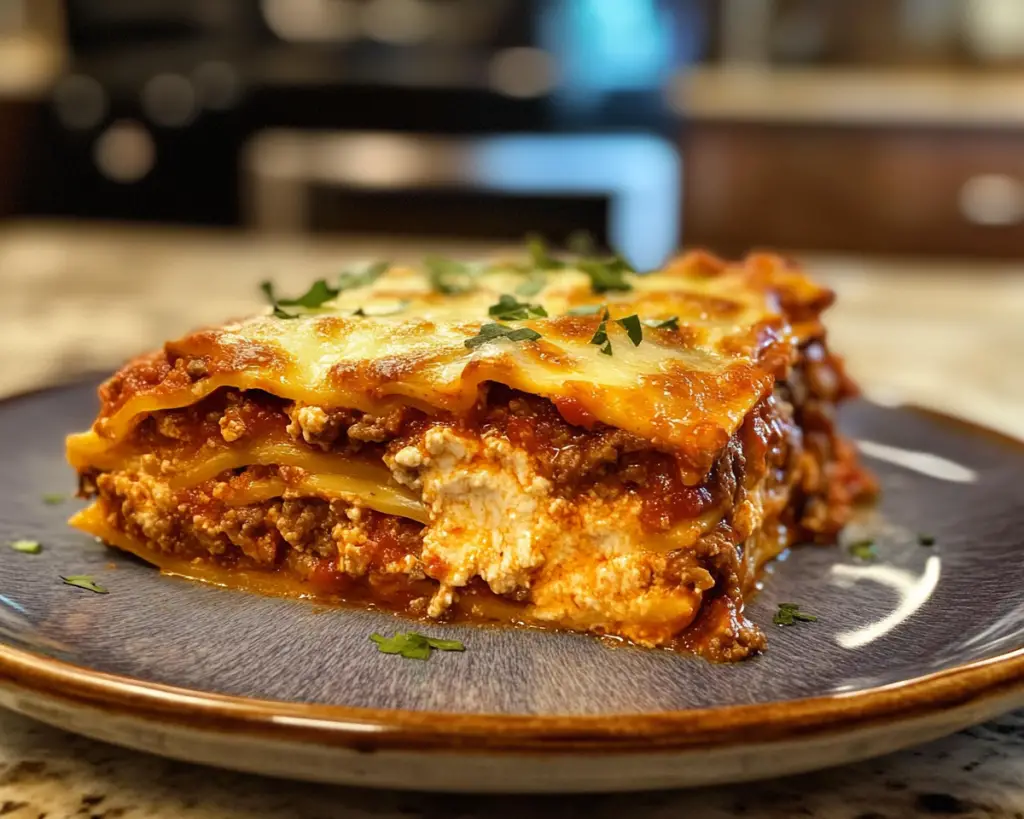
Lasagna is a traditional Italian pasta dish characterized by its layered structure. Typically made with sheets of pasta, various fillings, and multiple cheese types, lasagna has its origins in Ancient Greece and Rome, evolving over centuries into the beloved version we know today. The classic lasagna features a rich meat sauce, a creamy béchamel or ricotta mixture, and a generous topping of mozzarella cheese that melts into a golden, bubbly crust.
The beauty of lasagna lies in its versatility. You can adjust the ingredients based on your preferences or dietary restrictions. Vegetarian options with vegetables like zucchini, spinach, or mushrooms create a hearty yet lighter version, while classic meat lasagna features beef or sausage for a robust, savory flavor. The texture of each layer—soft pasta, creamy cheese, and hearty sauce—creates a symphony of flavors in your mouth.
Why You’ll Love This Lasagna
This lasagna recipe is not only delicious but also practical, making it perfect for busy families or special occasions. You will appreciate the love and warmth that goes into crafting this dish, with its layers of flavor and gooey cheese. Additionally, this recipe is a cost-effective way to cater to a crowd, and it freezes beautifully if you want to save some for later.
One common misconception is that making lasagna from scratch is complicated. On the contrary, with this simple, step-by-step recipe, you’ll find that homemade lasagna is attainable and deeply rewarding. The key is to use quality ingredients, and with just a little preparation, you’ll have a show-stopping meal ready for your loved ones.
Ingredients You’ll Need
- Lasagna noodles: 12-15 sheets of no-boil or regular lasagna noodles can be used. No-boil noodles save time, while traditional noodles require a quick pre-cooking.
- Ground beef: Approximately 1 pound of lean ground beef provides the necessary richness. Alternatively, ground turkey or sausage can be used.
- Ricotta cheese: 15 ounces of ricotta adds creaminess and moisture to the dish. Substitute with cottage cheese if desired for a lighter option.
- Mozzarella cheese: 3 cups of shredded mozzarella provides the classic stretchy, gooey texture we all love. You can opt for low-fat mozzarella or a blend of cheeses.
- Parmesan cheese: 1 cup of grated Parmesan adds a nutty, salty flavor that complements the other cheeses well.
- Spinach: 2 cups of fresh or frozen spinach adds nutrition and a vibrant color. For a richer flavor, sauté prior to adding.
- Marinara sauce: 4 cups of store-bought or homemade marinara sauce creates a flavorful base. For a homemade option, simmer crushed tomatoes with garlic, onion, and herbs.
- Egg: 1 large egg helps bind the ricotta mixture together for better structure when baked.
- Spices: Use Italian seasoning, salt, pepper, and minced garlic to enhance flavors. Fresh herbs like basil or oregano can be substituted or added for a fresher taste.
How to Make Lasagna
- Begin by preheating your oven to 375°F (190°C). While it heats, you can prepare your sauce and meat mixture. In a large skillet, cook the ground beef over medium heat until it’s browned. Drain the excess fat before adding the marinara sauce to the pan. Simmer for about 10 minutes, allowing the flavors to meld.
- In a separate bowl, mix the ricotta cheese, egg, spinach, Italian seasoning, salt, and pepper. This mixture should be creamy but thick enough to hold its shape when layered.
- Start assembling your lasagna by spreading a thin layer of the meat sauce on the bottom of a 9×13-inch baking dish. Place a layer of lasagna noodles over the sauce, ensuring they overlap slightly.
- Next, spread half of the ricotta mixture over the noodles, followed by a layer of mozzarella cheese. Pour another layer of meat sauce over the cheese before repeating the layering process. Each layer should be about the same thickness to ensure even cooking.
- For the final layer, top the last noodles with remaining meat sauce, mozzarella, and Parmesan cheese. Make sure to cover the entire surface to prevent drying out. If using no-boil noodles, ensure the sauce is sufficiently covering the noodles to help them cook properly.
- Cover the baking dish with foil, making sure it doesn’t touch the cheese, and bake for 25 minutes. After 25 minutes, remove the foil and bake for an additional 20 minutes or until the cheese is golden and bubbly.
- Once done, allow the lasagna to sit for at least 15 minutes before slicing. This resting time helps the layers set and makes serving easier.
5 Variations & Substitutions
Vegetarian Lasagna: Swap out the ground beef for vegetables like zucchini, mushrooms, and bell peppers. Sauté your vegetables and layer them with ricotta, spinach, and marinara to create a fresh and wholesome dish. This variation is perfect for those who prefer a meat-free meal without compromising flavor or texture.
Low-Carb Lasagna: Replace traditional noodles with thinly sliced zucchini or eggplant. This makes for a fantastic low-carb alternative that still provides all the comforting flavors of lasagna. Layer zucchini slices with meat sauce and cheese as you would with noodles for a hearty yet lighter version.
Chicken Alfredo Lasagna: Instead of marinara sauce, use a creamy Alfredo sauce and layer shredded cooked chicken alongside sautéed spinach and ricotta. The rich, creamy flavor of Alfredo sauce creates a different yet delightful twist on the classic lasagna.
Spicy Italian Sausage Lasagna: Use spicy Italian sausage instead of ground beef for a flavorful and zesty kick. Combine with marinara sauce for a deliciously savory experience that is sure to impress those who enjoy a bit of heat in their meals.
Mexican Lasagna: Give your lasagna a south-of-the-border twist by layering with refried beans, seasoned ground beef or chicken, and salsa instead of marinara. Top with cheese and jalapeños for an exciting flavor profile that will delight even the most traditional of palates.
Common Mistakes to Avoid
One common mistake when making lasagna is not allowing the meat sauce to simmer long enough. This step is crucial for developing depth of flavor. Make sure to give your sauce time to reduce and concentrate its flavors before layering. Additionally, avoid overcooking the noodles. If using regular noodles, ensure they are al dente, as they will continue to cook in the oven.
Another critical cooking warning is not letting the lasagna rest before slicing. Cutting into the hot dish immediately can lead to messy servings and make the layers tumble apart. Allow your lasagna to cool for at least 15-20 minutes; this resting period helps set the layers and enhances the overall presentation and enjoyment.
Storage, Freezing & Reheating Tips
For leftovers, allow the lasagna to cool completely before wrapping it tightly in plastic wrap or transferring it to an airtight container. Properly stored, it can last in the refrigerator for 3-5 days. If you want to freeze your lasagna, consider slicing it into portions before wrapping for easy reheating later. Freezing the lasagna can keep it good for up to 3 months.
When you’re ready to reheat, thaw the lasagna overnight in the refrigerator for best results. Reheat slices in the microwave for quick meals, or for a larger portion, bake it in the oven at 350°F (175°C) until heated through.
Make sure to reheat until it reaches a safe internal temperature of 165°F (74°C) to ensure safety and quality.
Frequently Asked Questions
Can I make lasagna in advance? Yes! Lasagna can be prepared in advance and stored in the refrigerator for up to 2 days before baking. You can also assemble and freeze it for later use. Just remember to adjust baking times for frozen lasagna; it may need longer in the oven.
What type of cheese is best for lasagna? A combination of mozzarella, ricotta, and Parmesan works wonderfully for traditional lasagna. Mozzarella gives that classic stringy texture, while ricotta provides creaminess, and Parmesan adds a salty, nutty flavor.
How do I know when the lasagna is done? The lasagna is done when the cheese on top is golden and bubbly, and the sauce is bubbling around the sides. You can check the internal temperature, which should reach 165°F (74°C) for optimal safety and quality.
Can I use whole wheat or gluten-free noodles for lasagna? Yes! Whole wheat noodles add more fiber, while gluten-free options are available for those with dietary restrictions. Just ensure to follow cooking instructions on the package settings for the best results.
How can I make my lasagna spicier? If you like a bit of heat, consider adding crushed red pepper flakes to the meat sauce, or swap regular Italian sausage for spicy sausage. Additionally, consider layering sliced jalapeños or adding hot sauce to the ricotta mixture for extra kick.
Conclusion:
Summarize the dish’s appeal, from its rustic heartiness to the warmth it brings to any gathering. This lasagna recipe is an excellent choice for your cozy Valentine’s dinner or any night where comfort food is needed. Remember, it’s not just about the food; it’s about creating memories together. So gather your loved ones, enjoy the process of cooking, and let this dish inspire delightful conversations and shared smiles. Try customizing it with your favorite ingredients or variations, or share the joy by passing the recipe on to others. Happy cooking!