Prep time: 20 minutes
Cook time: 0 minutes
Total time: 20 minutes
Servings: 4-6 servings
Spring is all about fresh flavors and vibrant colors, and there is no better way to celebrate the season than with a charming charcuterie board laden with fresh veggies. Whether you’re hosting a spring gathering, enjoying a picnic, or simply treating your family to something special, a well-assembled charcuterie board can be the showstopper of the table. This guide will present you with the essential steps to create a stunning spring charcuterie board loaded with delightful, crunchy vegetables and complementary dips.
What Is Spring Charcuterie Board Ideas with Fresh Veggies in 5 Steps?
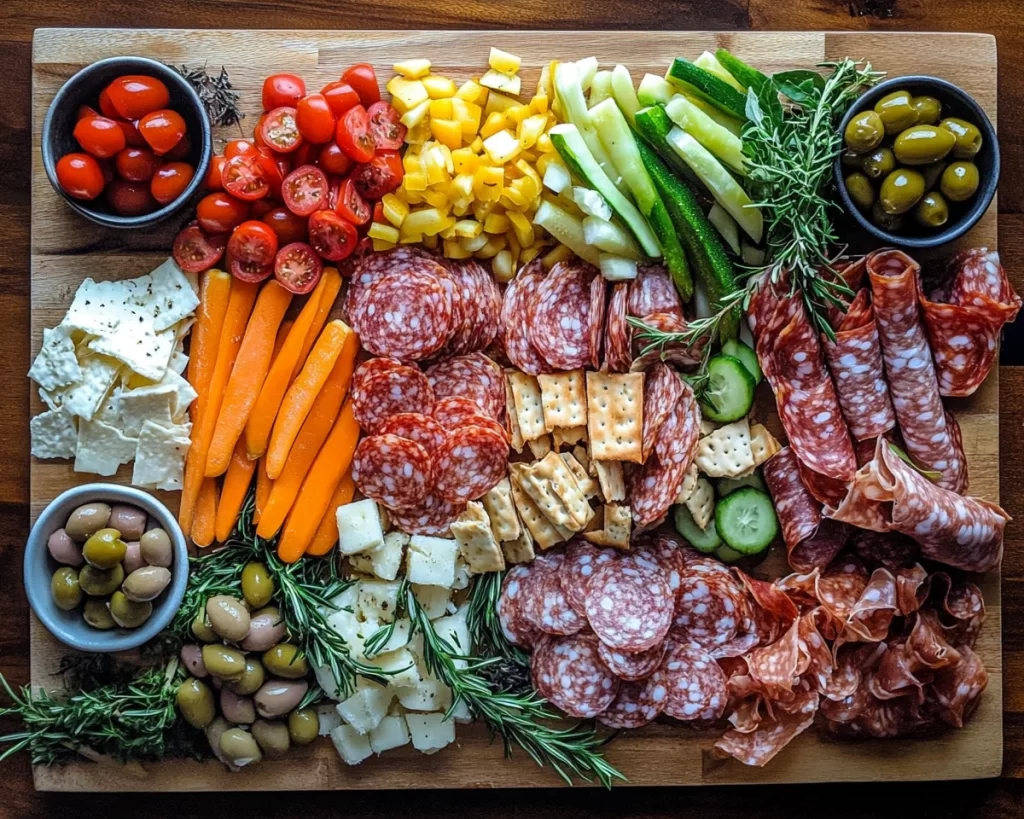
A spring charcuterie board is an artful arrangement of various components designed to delight the palate and present beautiful seasonal colors. The focus here is on fresh veggies—think crisp cucumbers, vibrant bell peppers, and juicy radishes—accompanied by an array of cheeses, meats, nuts, fruits, and dips. The essence of a charcuterie spread is its ability to be versatile and visually appealing; it’s a perfect dish to share and promotes communal dining.
Why You’ll Love This
There are countless reasons to adore creating a spring charcuterie board. First and foremost, it allows for culinary creativity. You can mix and match your favorite ingredients while incorporating seasonal produce available in the spring. This board is not only visually stunning but also highly customizable to suit dietary requirements—whether vegan, vegetarian, or gluten-free. Moreover, preparing such a board fosters communal enjoyment, making it an ideal choice for gatherings. Lastly, the crunch of fresh veggies paired with creamy dips is a delightful sensory experience that your guests will absolutely relish.
Ingredients You’ll Need
- Fresh Vegetables: Include an assortment like cucumbers, bell peppers, carrots, radishes, and cherry tomatoes. Each of these veggies offers a unique texture and flavor, adding both crunch and freshness to your board.
- Cheeses: Consider a variety of textures such as creamy goat cheese, aged cheddar, or tangy feta. These cheeses will complement the veggies beautifully.
- Meats: Try including cured meats like prosciutto or salami for a savory balance. They add richness that pairs well with the crispness of the veggies.
- Nuts: Almonds or walnuts can provide a nice crunch and are great for snacking between veggie bites.
- Dips: Hummus, tzatziki, or a creamy ranch dressing make excellent accompaniments to the fresh vegetables and enhance the flavors significantly.

How to Make
- Gather All Ingredients: Start by gathering all of your chosen ingredients. Demonstrating a variety of colors and textures will make the board visually appealing. Aim for at least three different types of fresh veggies, two types of cheese, and a couple of meats or nuts to create a balanced spread.
- Prepare the Vegetables: Thoroughly wash and cut your vegetables into bite-sized pieces. For example, slice cucumbers into rounds, cut bell peppers into strips, and halve cherry tomatoes. Keeping them uniform in size will ensure an attractive presentation and easy grabbing.
- Cheese and Meat Arrangement: Next, arrange the cheese and meats on the board. Group similar types of cheeses together, and fold or roll the meats artistically. Don’t stress too much about perfection; irregular shapes can actually make the board feel more rustic and inviting!
- Add Nuts and Dips: Sprinkle nuts in small piles around the board for added crunch. Place your dips in small bowls or dollops directly on the board to create accessible spots for dipping. Choose dips that contrast well with the veggies.
- Finishing Touches: Lastly, add any fresh herbs or edible flowers for an extra pop of color. Variations could include sprigs of dill or basil, which not only look good but also add an aromatic element to the board.
Variations & Substitutions
Vegan Charcuterie Board: For a fully plant-based version, use a variety of fresh veggies, avocado slices, plant-based cheeses, and creamy nut-based dips. Incorporate fruits like grapes or figs for sweetness. The use of colorful edible flowers will enhance the presentation while keeping it vegan-friendly.
Gluten-Free Option: Ensure that all dips are gluten-free and consider adding gluten-free crackers or rice cakes to the board. Fresh fruit can also be a great addition for a sweeter touch that balances the savory elements.
Low-Carb Charcuterie: Focus primarily on low-carb vegetables like celery sticks, radishes, and green bell peppers. Use high-fat cheeses such as cream cheese or brie and include summer sausage or other cured meats to maintain a satisfying low-carb experience.
Cheese Lover’s Board: Emphasize a variety of cheeses of different textures, from soft to hard. Pair them with olives and sliced apples for a great contrast in flavors.
Common Mistakes to Avoid
One common mistake is to overfill the board, which can make it look cluttered and chaotic. Instead, leave some space for easy access to each item. Less is often more in presentation. Additionally, forgetting to balance flavors is a misstep; ensure there’s a mix of savory, sweet, and crunchy to engage all the senses. Avoid using soggy vegetables as they will detract from the overall freshness and appeal of your board. Always present items at room temperature except for cheeses, which can be taken out just before serving to enhance their flavors.
Storage, Freezing & Reheating Tips
To maintain freshness, store leftover items in airtight containers. Vegetables like cucumbers and carrots can be kept in water to retain their crispness. Meats should be consumed within a couple of days to ensure they remain safe to eat. Cheese can last longer but should always be wrapped tightly to avoid drying out. Refrigeration is key—do not freeze a charcuterie board as the textures will be compromised upon thawing. When serving next time, lay out your leftovers and freshen them up with additional herbs or dips to revive the flavors.
Frequently Asked Questions
Can I prepare a charcuterie board in advance?
Yes, preparing a charcuterie board in advance is not only possible but can also enhance the flavors as they meld together. However, aim to assemble any wet components like dips or wet veggies just before serving to maintain optimal freshness. Be sure to cover the assembled board with cling wrap to keep it fresh in the refrigerator until it’s time to serve it.
What other fruits can I include on my charcuterie board?
Many fruits work beautifully on a spring charcuterie board. Berries like strawberries, blueberries, and raspberries provide freshness and color. Sliced apples or pears add both sweetness and crunch, while grapes offer a classic charm. Experimenting with dried fruits like apricots or figs can also add texture and sweetness, balancing the savory elements of the board.
How can I make my charcuterie board more budget-friendly?
To keep costs down while making a stunning charcuterie board, focus on seasonal veggies and fruits that are currently more affordable. Opt for local cheese and meats, or choose a few key ingredients instead of multiple varieties. Nuts can also be pricey, so consider purchasing in bulk or even skipping them for a more cost-effective spread.
Can I include cooked items?
While traditional charcuterie boards emphasize cured and raw items, adding a few cooked components can elevate your board. Small servings of roasted vegetables or bruschetta can be delightful additions. Ensure that these items can be enjoyed at room temperature to keep everything cohesive.
How long can I keep leftovers from a charcuterie board?
Generally, leftovers from a charcuterie board can be stored safely in the refrigerator for 2-3 days. Vegetables like cherry tomatoes and bell peppers will maintain their quality for a few days, while dairy-based dips should be consumed sooner to ensure food safety. Always keep everything labeled and organized in airtight containers for the best preservation.
Conclusion:
Creating a stunning spring charcuterie board with fresh veggies is simple and gratifying. Incorporating seasonal produce not only keeps flavors vibrant and enjoyable but also adds a splash of color to your dining experience. By following the steps in this guide and considering variations for different dietary needs, you can craft a delectable board that is sure to impress friends and family. Enjoy the celebration of fresh flavors and the joy that comes from sharing this experience!