Prep time: 15 minutes
Cook time: 20 minutes
Total time: 35 minutes
Servings: 12 rolls
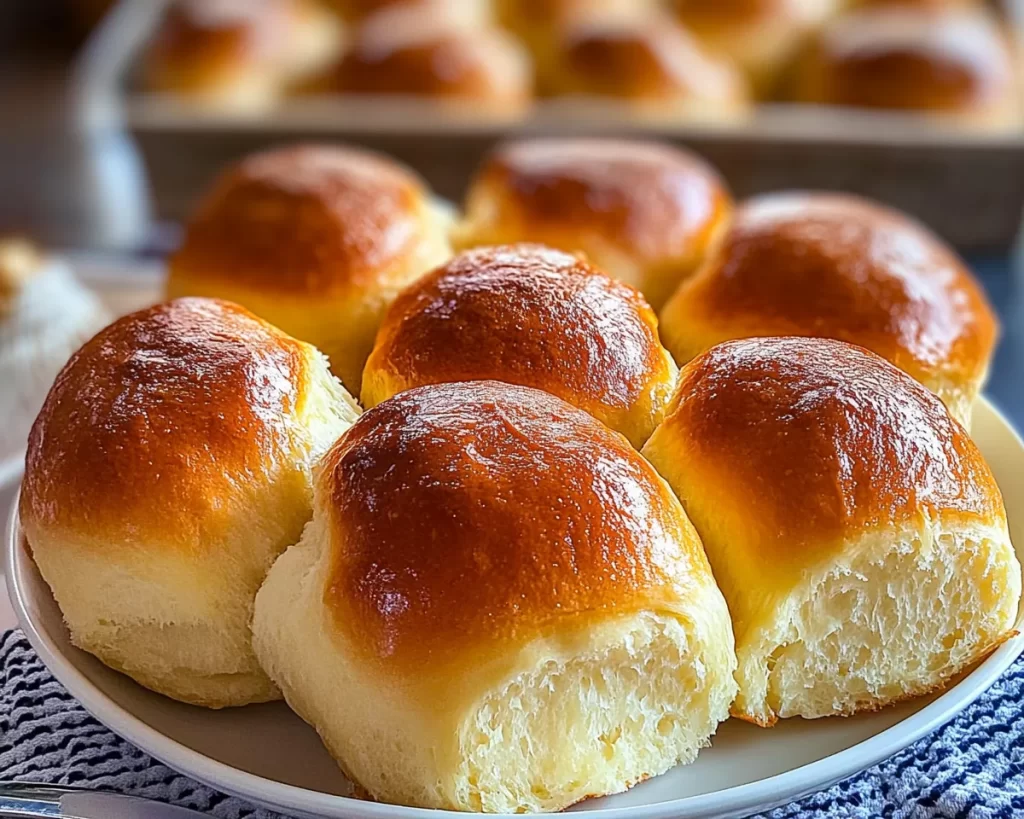
Homemade dinner rolls are a delightful way to elevate any meal. They boast a warm, fluffy texture and a rich, buttery flavor that captivates all who share a table. Whether enjoyed alongside a hearty stew or as an accompaniment to holiday feasts, these rolls are sure to impress. Making them from scratch may seem daunting, but with a few simple ingredients and steps, you’ll find that homemade rolls can indeed be within your grasp.
What Is The Best Homemade Dinner Rolls?
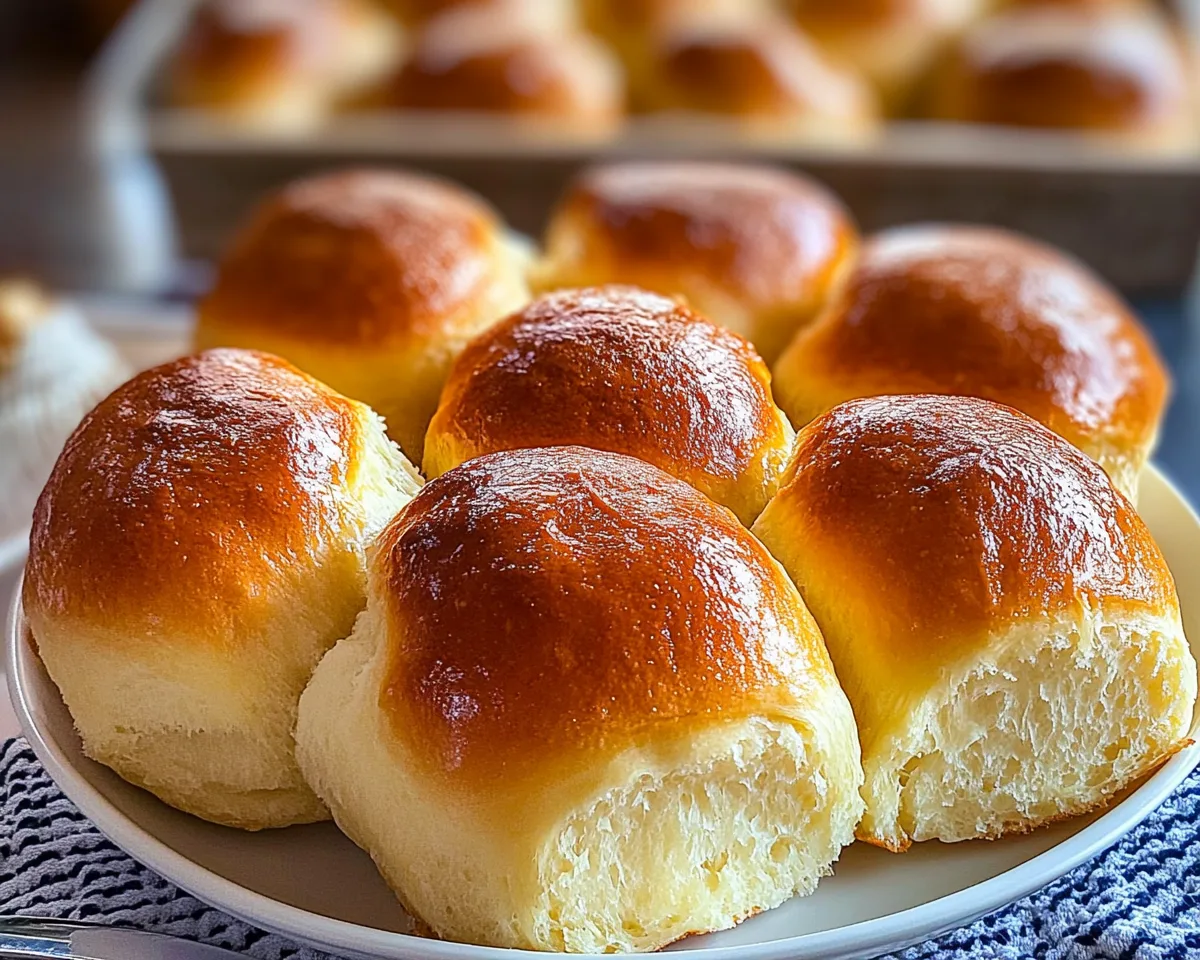
The best homemade dinner rolls are soft, light, and packed with flavor. They are made using basic ingredients such as flour, yeast, water, milk, sugar, butter, and salt. The dough is kneaded until smooth, allowed to rise, and then shaped into individual rolls. The process of making these rolls involves creating a rich flavor profile through proper proofing of the yeast and achieving the right texture through adequate kneading. The end result is a heavenly roll that is warm, pillowy, and inviting.
Why You’ll Love This
This recipe for the best homemade dinner rolls is not just about taste but also about the experience of making them. You will learn the joy of combining ingredients and seeing them transform into something delicious. The rolls come together quickly, making them perfect for busy parents or those new to the kitchen. Once you have mastered this recipe, you will find it easy to incorporate into your meal prep, whether for weekly family dinners or special occasions. Additionally, the ability to customize with various flavors or fillings will make these rolls a staple in your home.
Ingredients You’ll Need
- 4 cups all-purpose flour: The foundation of the rolls. All-purpose flour gives the rolls structure and a nice chew.
- 1 packet (2¼ teaspoons) active dry yeast: Essential for leavening. It helps the rolls rise to achieve their lightness.
- ¼ cup granulated sugar: This adds a touch of sweetness which complements the butter and yeast.
- 1¼ cups warm milk: Warm milk nourishes the yeast and aids in the rising process.
- ½ cup unsalted butter: Provides flavor and richness to the rolls, making them tender and soft.
- 1 teaspoon salt: Enhances the overall flavor of the rolls.
- 1 large egg: This gives the rolls a beautiful color and adds richness to the dough.
How to Make
- In a large mixing bowl, combine the warm milk, sugar, and yeast. Let the mixture sit for about 5 to 10 minutes, or until it becomes frothy. This indicates that the yeast is active.
- Next, melt the butter and let it cool slightly. Then, add the melted butter, egg, and salt to the yeast mixture. Stir until well combined.
- Gradually add the flour, one cup at a time, mixing with a wooden spoon or dough whisk until the dough comes together. Once incorporated, knead the dough on a floured surface for about 8 to 10 minutes until it is smooth and elastic.
- Form the dough into a ball and place it in a greased bowl. Cover it with a clean kitchen cloth, and let it rise in a warm area for about 1 hour, or until it has doubled in size.
- Once risen, punch down the dough to release air bubbles and divide it into 12 equal pieces. Shape each piece into a smooth ball and place them in a greased 9×13-inch baking pan.
- Cover the rolls with the kitchen cloth again and let them rise for another 30 minutes. Preheat your oven to 350°F (175°C) during this time.
- Bake the rolls in the preheated oven for about 20 minutes or until golden brown. Once done, remove them from the oven and brush them with melted butter for a glossy finish.
Variations & Substitutions
Herbed Dinner Rolls: For an aromatic twist, add a tablespoon of dried herbs, such as rosemary or thyme, directly into the flour mixture before combining with the wet ingredients. This will give your rolls an enticing fragrance and flavor, perfect for holiday dinners or special occasions. Pair them with a garlic herb butter for a tasty enhancement.
Cheesy Rolls: Incorporate shredded cheese, like cheddar or mozzarella, into the dough for a cheesy variation. The cheese will melt into the rolls as they bake, creating gooey pockets of deliciousness. These are great served alongside soups or salads.
Sweet Rolls: For those who enjoy a sweeter alternative, add cinnamon and sugar to the dough, or top the rolls with a cinnamon sugar mixture before baking. Drizzling with a simple powdered sugar glaze after baking will bring them to a whole new level of decadence.
Whole Wheat Dinner Rolls: Substitute half or all of the all-purpose flour with whole wheat flour. This not only adds a nutty flavor but also increases the nutritional value of your rolls. Make sure to add a little more warm milk to ensure the dough remains soft and pliable.
Common Mistakes to Avoid
When making homemade dinner rolls, it’s essential to avoid overproofing the dough. This can lead to dense rolls instead of light and fluffy ones. Make sure to follow the rising times and check the dough’s expansion, as each kitchen’s temperature can vary.
Another common error is using cold ingredients. Ensure the milk is warm and the butter is melted, as cold ingredients can inhibit yeast activity, resulting in sluggishly risen rolls.
Lastly, avoid skipping the kneading step. Kneading helps develop gluten, which gives the rolls their structure and chewiness. Insufficient kneading can lead to a wonky texture.
Storage, Freezing & Reheating Tips
To store your homemade dinner rolls, keep them in an airtight container at room temperature for up to 2 days. If you wish to prolong their freshness, consider refrigerating them, but they may lose some of their ideal texture.
For longer-term storage, freeze the rolls. Allow them to cool completely, then wrap each roll in plastic wrap and place them in a freezer bag. They can be frozen for up to 3 months. When ready to eat, simply thaw them at room temperature and reheat in a 350°F (175°C) oven for about 10 minutes, ensuring they regain their soft, fluffy texture.
Frequently Asked Questions
Can I use instant yeast instead of active dry yeast?
Yes, you can use instant yeast as a substitute. Instant yeast can be mixed directly into the dry ingredients, and you can skip the initial blooming step. Just mix it with the flour, sugar, and salt, and then add the wet ingredients.
What if my dough doesn’t rise?
If your dough doesn’t rise, it could be due to the yeast being expired or the milk being too hot or cold during mixing. Always check the expiration date of your yeast and ensure the liquid temperature is lukewarm for activation.
Can I make this dough ahead of time?
Yes! You can prepare the dough the night before. After the first rise, punch it down and refrigerate it. The next day, let it sit at room temperature for about 30 minutes before shaping and allowing to rise again.
How can I tell when the rolls are done baking?
The rolls are perfectly baked when they are golden brown on top and sound hollow when tapped on the bottom. Additionally, using a thermometer, the internal temperature should read around 190°F (88°C).
Can I use different types of flour?
While all-purpose flour is recommended for the fluffiest texture, you can experiment with bread flour for a chewier roll or whole wheat flour for a more wholesome option. Just remember that flour types absorb moisture differently, so adjust liquid ingredients as needed.
Conclusion: Homemade dinner rolls are a warm and inviting addition to any dining experience. The ease of making these rolls, coupled with the delightful taste and texture, ensures they’ll become a staple in your kitchen. With the ability to customize flavors and try different variations, the possibilities are endless. Perfect for every occasion, these rolls are not just food; they are an experience to be shared and cherished. Try making them today, and enjoy the smiles they bring to your table!