Prep time: 30 minutes
Cook time: 1 hour
Total time: 1 hour 30 minutes
Servings: 12 servings
The delightful aroma of a freshly baked cake wafting through your home has a way of stirring up cherished memories. As spring arrives, the vibrant colors and fragrant blooms inspire us to channel those feelings into our baking. The *Floral Buttercream Cake* not only delights the palate but also captivates the eyes with its artistic presentation, perfect for any festive occasion or simply to brighten up your day. This cake is special because it encapsulates the joy of spring, with its layers infused with rich flavors and decorated with floral buttercream designs that are as pleasing to the eye as they are to the taste buds. In this article, you will discover everything you need to know about making this stunning cake, from its origins and flavor profile to detailed step-by-step instructions that ensure success.
What Is Spring Cake Designs: Floral Buttercream Cake Aesthetic?
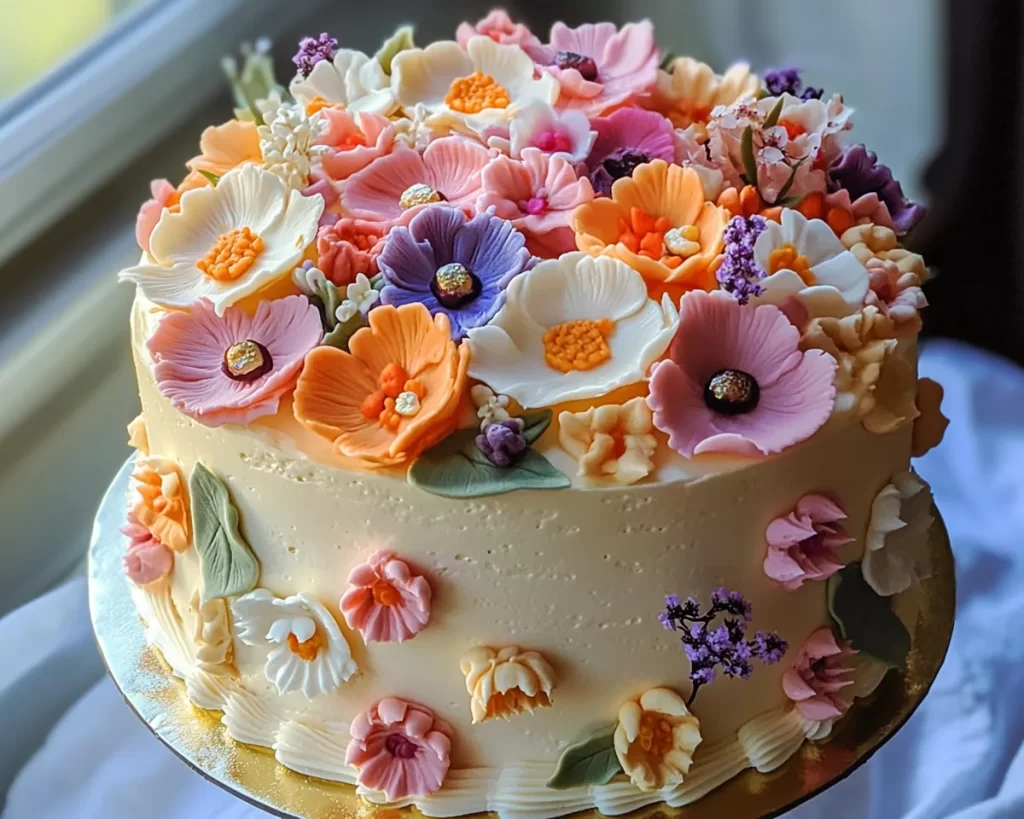
The *Floral Buttercream Cake* is a creation that represents the essence of spring in every bite. Originating from the desire to bring the beauty of nature into our desserts, this cake combines soft vanilla or lemon-flavored layers with a creamy buttercream frosting, often colored to mimic the vibrant hues of blooming flowers. The texture is a harmonious blend of moist cake juxtaposed with the smooth, velvety buttercream, making each slice a delightful indulgence.
The flavor profile of this cake leans on the classic sweetness of buttercream enhanced by subtle citrus notes or enchanting vanilla. When decorated with delicate flowers made from buttercream, the cake becomes more than just a dessert; it transforms into an edible work of art. The combination of eye-catching aesthetic appeal and mouthwatering flavor is what makes this cake a focal point at any gathering, inviting your guests to marvel at its beauty before taking a bite.
In terms of preparation, this cake invites creativity, allowing you to experiment with different flavors and floral designs depending on your preferences. Whether you’re planning a springtime gathering, a birthday celebration, or just a sweet treat for yourself, this cake adds a touch of elegance and whimsy that is sure to impress.
Why You’ll Love This
There are numerous reasons why this *Floral Buttercream Cake* stands out. First and foremost, the combination of flavors and textures creates an indulgent sensation that is both comforting and sophisticated. The light and airy cake layers melt in your mouth, while the rich buttercream imparts a luscious creaminess that keeps you coming back for more.
Another reason to embrace this cake is its ease of preparation. Even if you consider yourself a novice in the kitchen, this cake proves to be approachable with a little patience and attention to detail. Each step leads you closer to the final masterpiece, making it a great learning experience that builds confidence in your baking skills.
In terms of cost, this cake can easily be made with pantry staples available in most kitchens, making it a budget-friendly option for many. Additionally, the versatility of this recipe allows for various adaptations to cater to specific dietary needs or preferences. You can even experiment with different flavors, such as chocolate, carrot, or gluten-free substitutes, without losing the charm of the visual presentation.
It’s also essential to address some common misconceptions about baking. Many believe that decorating with buttercream requires professional skills. However, with some simple techniques and tools, you too can achieve beautifully crafted designs, enhancing the cake’s aesthetic without the need for specialized training.
Ingredients You’ll Need
To create your *Floral Buttercream Cake*, gather the following ingredients:
- 2 ½ cups all-purpose flour: The foundation of the cake’s structure, providing stability and texture.
- 1 ½ cups granulated sugar: Adds sweetness and moisture to the cake.
- ½ cup unsalted butter, softened: Contributes to the cake’s rich flavor and tenderness.
- 1 cup buttermilk: Enhances the cake’s moisture and adds a slight tanginess.
- 3 large eggs: Binds the ingredients together and helps the cake rise.
- 2 teaspoons baking powder: Ensures the cake is light and fluffy.
- ½ teaspoon salt: Balances the flavors and enhances sweetness.
- 2 teaspoons vanilla extract: Adds depth of flavor.
- 4 cups powdered sugar: Creates a sweet and fluffy frosting.
- 1 cup unsalted butter, softened: The main ingredient for the buttercream, providing creaminess.
- 2-4 tablespoons heavy cream: Adjusts the buttercream’s consistency, making it smooth and spreadable.
- Food coloring (optional): For coloring the buttercream to create floral designs.
Each of these ingredients plays a crucial role in building the cake’s flavor and structure. For instance, the buttermilk can be substituted with yogurt or regular milk combined with vinegar for a similar tangy effect. If you prefer a dairy-free version, use almond milk or coconut milk and replace the butter with a suitable vegan alternative.
Pay close attention to the temperature of your ingredients. The butter should be softened to room temperature to ensure that it incorporates easily with sugar for a fluffy frosting. Also, using room temperature eggs will help achieve an even batter.
How to Make
Making the *Floral Buttercream Cake* is a rewarding experience, and here’s how to do it step by step:
- Preheat your oven. Begin by preheating your oven to 350°F (175°C). This step is crucial because a properly preheated oven ensures even baking, allowing your cake layers to rise beautifully and develop a lovely golden crust. While your oven is heating, you can prepare your cake pans by greasing them with butter and lightly dusting them with flour, which will help prevent sticking during baking.
- Mix the dry ingredients. In a large mixing bowl, whisk together the all-purpose flour, baking powder, and salt. This process not only combines the ingredients but also incorporates air, which will help your cake rise during baking. Set this mixture aside as you move on to the wet ingredients.
- Cream the butter and sugar. In another bowl, beat the softened butter and granulated sugar together using an electric mixer, or whisk vigorously by hand, until the mixture is light and fluffy. This can take about 3-5 minutes. The fluffy texture indicates that the sugar has started to dissolve and the mixture is aerated, which is key for a light cake.
- Add eggs and vanilla. Slowly add in the eggs one at a time, mixing well after each addition. Then, add the vanilla extract and continue mixing. The mixture should become smooth and shiny. This step is critical because it helps create a stable emulsion, which contributes to the overall texture of the cake.
- Combine wet and dry ingredients. Gradually add the dry mixture to the wet ingredients, alternating with the buttermilk. Start and end with the flour mixture. Mix until just combined, being careful not to overmix, as this can lead to a dense cake. The batter should be smooth and have a slightly thick consistency.
- Pour and bake. Divide the batter evenly into your prepared cake pans, smoothing the tops with a spatula. Place the pans in the oven and bake for approximately 25-30 minutes or until a toothpick inserted into the center comes out clean. As the cake bakes, enjoy the delightful aroma filling your kitchen.
- Cool the cake layers. Once baked, remove the cakes from the oven and allow them to cool in the pans for about 10 minutes. Then, carefully turn the cakes out onto a wire rack to cool completely. This cooling process is essential as it prevents a soggy base and allows the frosting to adhere better.
- Prepare the buttercream frosting. While the cakes cool, make your buttercream by beating the softened butter until creamy. Gradually add the powdered sugar, mixing until smooth. Next, add heavy cream and beat on high until the frosting is fluffy and spreadable. Experiment with food coloring here to create your desired hue.
- Assemble the cake. Once the cakes are completely cooled, place one layer on a serving plate. Spread a generous layer of buttercream on top, smoothing it out evenly. Place the second cake layer on top and repeat the process. Finally, apply a thin layer of buttercream around the outside for a crumb coat, sealing in any crumbs before adding a final thick layer of frosting.
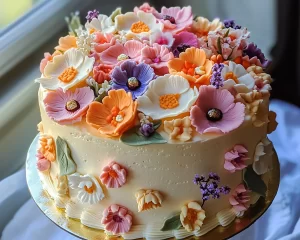
- Decorate your cake. With the cake frosted, use a piping bag and different piping tips to create floral designs on the surface of the cake. Consider using various colors to represent different types of flowers. Allow your creativity to flow — no one design is right or wrong! This is where you can truly personalize your cake.
- Chill and serve. Place your decorated cake in the refrigerator for about 30 minutes to set the buttercream. Afterward, slice it up and serve. Enjoy the delighted reactions of your friends and family as they revel in the beauty and deliciousness of your creation.
Baking this cake from scratch may seem daunting, but each step offers the chance to learn and grow as a baker. Enjoy the process and don’t be afraid to lean into your creativity!
Variations & Substitutions
Citrus Twist Variation: If you want to bring an extra zing to your *Floral Buttercream Cake*, consider incorporating zest from lemons or oranges into the cake batter. This will enhance the flavor profile and create a refreshing taste. You can also swap out standard vanilla extract for citrus extracts to intensify this variation. This twist is perfect for spring gatherings and appeals to those who appreciate a bit of tartness to balance out sweetness.
Chocolate Delight Variation: Chocolate lovers can rejoice with an easy substitution of cocoa powder to make a decadent chocolate version of this cake. For each cup of all-purpose flour, replace ½ cup with cocoa powder. This variation offers a rich and intense flavor that pairs beautifully with vanilla or cream cheese buttercream frosting. Decorate with chocolate shavings for an elegant touch, ensuring to provide an extra layer of indulgence.
Gluten-Free Option: Should you need a gluten-free adaptation, you can replace the all-purpose flour with a blend of gluten-free flours, such as almond flour or a pre-packaged gluten-free flour mix. Be mindful that gluten-free cakes can have a different texture, which tends to be denser, so consider adding an extra egg to help the cake rise. This option allows those with dietary restrictions to enjoy your beautiful cake without feeling left out.
Vegan Replacement: For a vegan version, substitute the traditional butter with a plant-based alternative and use flax eggs (1 tablespoon of ground flaxseed mixed with 3 tablespoons of water) instead of regular eggs. Employ a dairy-free milk, like almond milk, in place of buttermilk. The floral buttercream can be made using a vegan butter product to ensure that everyone at the table can indulge in this delightful dessert.
Common Mistakes to Avoid
When it comes to baking the *Floral Buttercream Cake*, there are a few pitfalls to be aware of that could dampen your dessert experience. One common mistake is overmixing the batter. This can cause the cake to become dense and heavy. Instead, mix until just combined; a few lumps are okay.
Another critical warning is to ensure your cake layers cool completely before frosting. Applying buttercream to a warm cake can cause the frosting to melt, creating an unappealing look and texture. If you’re in a hurry, consider placing the layers in the fridge to speed up the cooling process.
Be cautious when decorating, as using too much frosting can overwhelm the cake instead of enhancing its beauty. Practice restraint, and decorate with finesse to create an elegant display. Lastly, always double-check that your oven is preheated to the correct temperature. An oven that is too hot or too cold can lead to uneven baking and undesired textures.
Storage, Freezing & Reheating Tips
Your *Floral Buttercream Cake* can be stored either at room temperature or in the refrigerator, depending on the circumstances. If you plan to enjoy it within a day or two, covering it with plastic wrap or storing it in a cake carrier is sufficient to maintain its freshness. For longer storage, it’s best to keep the cake in the refrigerator. Remember, cakes tend to dry out, so proper sealing is imperative to maintaining moisture.
If you need to freeze your cake, make sure it is fully cooled before wrapping it tightly in plastic wrap and then placing it in an airtight container. This will protect it from freezer burn and extend its life for up to three months. When you’re ready to enjoy it, allow the cake to thaw in the refrigerator or at room temperature. Keep in mind that the quality may slightly change, but the flavor will remain delicious.
To reheat any leftover cake, you can briefly warm it in the microwave for about 10-15 seconds to achieve a soft, fresh-out-of-the-oven experience. However, be careful not to overheat, as this can dry it out. Alternatively, you can serve it cold to maintain the floral buttercream’s aesthetic.
Frequently Asked Questions
Can I make this cake ahead of time?
Absolutely! You can prepare the cake layers a day or two in advance, allowing them to cool completely before wrapping them tightly in plastic wrap for storage. You can also frosting the cake a day ahead and keep it refrigerated. Just ensure you let it sit at room temperature for about 30 minutes before serving for the best texture.
What type of food coloring should I use?
The best food coloring for this cake is gel-based, as it provides vibrant colors without altering the texture of the frosting. Liquid colorings can dilute the buttercream, making it runny, so opt for gel colors instead for better results.
How can I achieve sharp edges on my cake?
To achieve sharp edges, you can use a technique called the *chill and trim method*. After applying a crumb coat, place your cake in the freezer for about 15-20 minutes. Once cold, use a spatula to smooth out the edges, giving you a clean, professional-looking finish.
Can I use fresh flowers for decoration?
While fresh flowers add a stunning touch, it’s vital to ensure they are food-safe and free from pesticides. Many flowers are edible, such as pansies and violets, but avoid using any flower that may be harmful or toxic. Always check for safety before using fresh flowers as decoration.
What should I do if my buttercream is too soft?
If your buttercream is too soft to hold its shape, it likely needs more powdered sugar which will thicken it. Alternatively, refrigerate your buttercream for about 10-15 minutes to firm it up before frosting. If it becomes too stiff while chilling, add a tiny bit of heavy cream to bring it back to the desired consistency.
Conclusion:
The *Floral Buttercream Cake* is truly a masterpiece that combines flavor and beauty, making it a perfect choice for any special occasion or simply to rejoice in the beauty of spring. With detailed instructions and thoughtful variations, you can customize it to your taste and dietary needs. Whether you’re sharing it with loved ones or savoring a slice yourself, this cake is bound to leave lasting memories. I encourage you to try your hand at creating this delightful dessert and invite your friends and family to join in the experience. Let’s embrace the joy of baking and celebrate creativity in the kitchen!