Prep time: 10 minutes
Cook time: 0 minutes
Total time: 10 minutes
Servings: 4
Introduction:
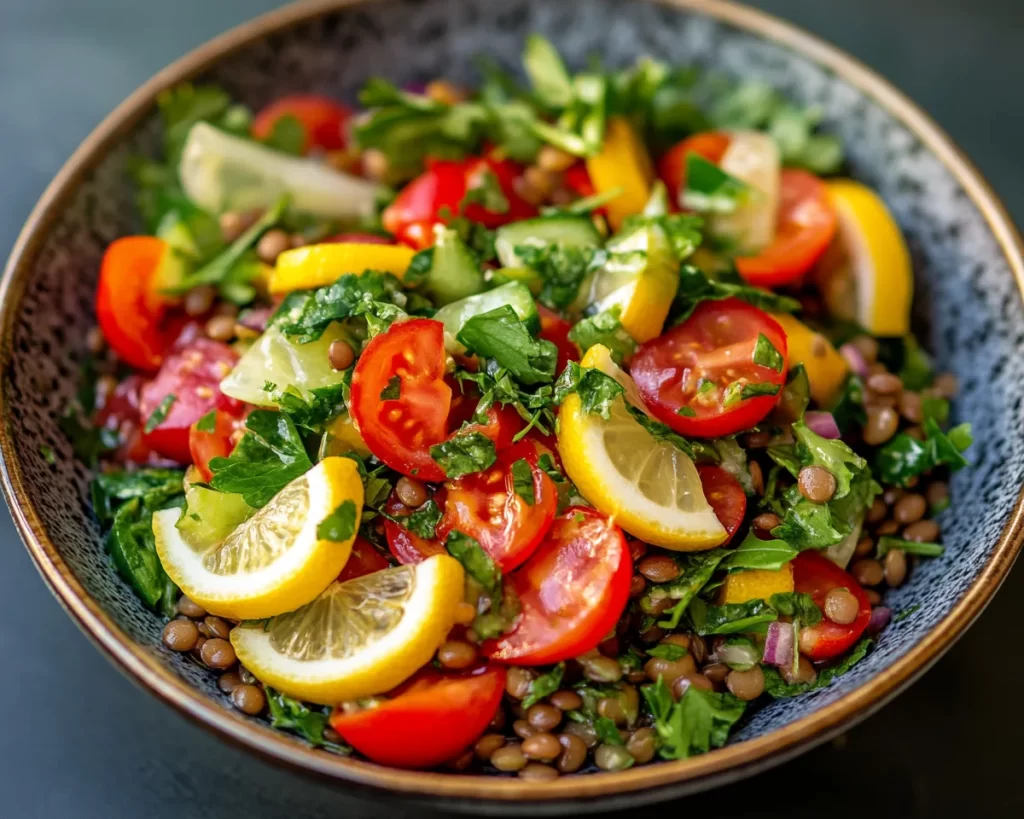
Picture this: a warm summer day, the sun shining, and you have a delightful bowl of lentil salad prepared and ready to go. What could elevate that dish? A zesty, tangy, and invigorating Lemon Vinegarette Dressing! This dressing not only enhances your salad but also offers a refreshing burst of flavor that makes each bite a little more exciting. This recipe is special not just for its taste but also for its *simplicity* and *health benefits*. In this article, you’ll uncover the secrets to crafting the perfect lemon vinegarette dressing, from ingredient selection to variations that suit different dietary needs.
What Is Lemon Vinegarette Dressing for Lentil Salad?
Lemon vinegarette dressing is a delicious concoction largely made from fresh lemon juice, olive oil, and a blend of seasonings. This dressing serves as a *bright and zesty* enhancement to any dish, especially to hearty salads like lentils. The combination of the acidity from the lemon juice and the richness of the olive oil creates a perfect balance of flavors. Originating from classic French cuisine, vinegarettes have made their way into kitchens worldwide due to their versatility and ease of preparation.
When you’re ready to taste this dressing, you’ll notice its *light, tangy flavor* and silky texture. It adds a refreshing kick that elevates the *earthy taste* of lentils, transforming any bland salad into a flavorful experience. In essence, Lemon Vinegarette Dressing is an essential tool in your culinary toolkit, enhancing not only lentil salads but also roasted vegetables, grilled fish, or even as a marinade for chicken.
Why You’ll Love This
One of the standout features of lemon vinegarette dressing is its incredible taste profile. The vibrant acidity paired with the rich flavor of high-quality olive oil makes for a dressing that can enliven not just lentil salads but a variety of dishes. Moreover, making this dressing at home allows you to control the ingredients, ensuring it’s both delicious and *healthy*. This option is far more appealing than store-bought alternatives that may contain preservatives and unnecessary additives.
Ease of preparation is another reason to fall in love with this recipe. With only a few ingredients and minimal time, you can whip up a fresh dressing that rivals any gourmet creation. It’s a perfect choice for busy parents looking to add something nutritious to their meals, as it can complement almost any *meal prep* endeavor. The affordability of the ingredients means you can indulge in a delicious dressing without breaking the bank, making it a smart choice for families.
Furthermore, the versatility of lemon vinegarette dressing is remarkable. Not only is it ideal for lentil salads, but it also works as a drizzle over grilled vegetables, a finishing touch on fish, or even a flavorful addition to grains like farro and quinoa. You can easily adapt it to your taste preferences and dietary requirements, which means you’ll never feel limited when reaching for this dressing.
Ingredients You’ll Need
- 1/4 cup of fresh lemon juice: This is the star of the dressing. Freshly squeezed juice will provide the best flavor, while bottled varieties may contain preservatives.
- 1/2 cup of extra virgin olive oil: A good quality oil adds richness to the dressing. You could substitute it with avocado oil for a different flavor.
- 1 teaspoon of Dijon mustard: This ingredient not only adds depth but also acts as an emulsifier to keep the dressing well combined.
- 1 clove of garlic, minced: For an aromatic kick, garlic brings a bold flavor that complements the lemon.
- Salt and black pepper to taste: Essential seasonings that heighten the overall flavor. Sea salt or kosher salt will work beautifully.
- 1 teaspoon of honey or maple syrup (optional): If you prefer a touch of sweetness to balance the acidity, this optional ingredient is a fantastic addition.
Each of these ingredients plays a crucial role in constructing a well-rounded dressing. For instance, using freshly squeezed lemon juice is non-negotiable if you want to capture that *bright citrus flavor*. Avoid the common mistake of using bottled juice; the difference in taste is significant. Similarly, opting for extra virgin olive oil will contribute to not only the flavor but also the health benefits associated with good fats.
How to Make
- Prepare the ingredients: Begin by gathering all your ingredients. Squeeze the lemons to extract fresh juice, ensuring you have about a 1/4 cup. If any seeds end up in the juice, strain them out to avoid any bitter flavors.
- Mix the base: In a medium mixing bowl, add the freshly squeezed lemon juice. To this, add the Dijon mustard and minced garlic. This base will lay the foundation for your vinegarette, so mix it well to combine.
- Emulsify the dressing: While whisking the lemon juice mixture, gradually add the extra virgin olive oil in a thin stream. This technique helps to emulsify the dressing, ensuring a smooth and creamy consistency. The result should be a well-combined mixture that feels like liquid sunshine.
- Season it to perfection: Once the oil is fully incorporated, taste the dressing and season it with salt and freshly cracked black pepper. Start with a pinch, mix again, and adjust according to your preference. Add the optional honey or maple syrup at this stage if you desire a sweeter note.
- Store and serve: Transfer the dressing to a glass jar or airtight container. It can be used immediately or refrigerated for up to a week. Give it a good shake before serving, as it may separate over time.
This step-by-step approach makes creating your lemon vinegarette simple and approachable, even for beginners in the kitchen. Along the way, you’ll build confidence in combining flavors and understanding how to adjust seasonings that align with your taste preferences.
Variations & Substitutions
Herb-Infused Lemon Vinegarette: If you enjoy a fresh herb flavor, consider adding chopped fresh herbs such as basil, parsley, or dill to your lemon vinegarette. This not only enhances the taste but also adds a pop of color, making your salad visually appealing. Fresh herbs tend to lose their aroma when cooked, so using them in dressings captures the essence of these vibrant ingredients.
Avocado Oil Option: Swap out extra virgin olive oil for avocado oil if you prefer a milder flavor with a higher smoke point. Avocado oil is rich in healthy fats and complements the lemon well, adding a creamy richness that meshes seamlessly with the acidity. It’s particularly beneficial for those on a dairy-free diet or looking to enhance their intake of monounsaturated fats.
Spicy Lemon Vinegarette: For those who love a bit of heat, why not incorporate a pinch of red pepper flakes or even a dash of hot sauce into your dressing? The spicy variation enhances the flavor profile while maintaining that delightful lemony zing. This is especially great when served over grilled vegetables or meats, adding that extra kick to your meal.
Common Mistakes to Avoid
Creating the perfect lemon vinegarette may seem easy, but some common pitfalls can lead to less-than-perfect results. One of the most frequent mistakes is not using fresh lemon juice. Bottled lemon juice often lacks the vibrant flavor and aroma that freshly squeezed juice offers. Always opt for the real thing; the difference is night and day.
Another mistake is not properly emulsifying the dressing. If you pour the oil in too quickly or don’t whisk it thoroughly, the dressing may separate. To avoid this, incorporate the oil gradually while whisking to create a creamy texture. Additionally, remember to taste your dressing before serving it; under-seasoning can lead to a bland flavor profile.
Be careful about adding too much honey or maple syrup. While a little sweetness can balance the acidity, overdoing it can result in a profile that’s more sugary than tangy. It’s best to start with a small amount and adjust based on your personal tastes.
Storage, Freezing & Reheating Tips
Storing your lemon vinegarette properly can lengthen its lifespan and keep those flavors fresh. Transfer the dressing into an airtight container or glass jar, and store it in the refrigerator. It can last for about a week, making it an excellent option for meal prep or quick weeknight dinners. As the dressing sits, the flavors will deepen, giving it even more character.
To ensure the longevity of your lemon vinegarette, avoid letting it sit at room temperature for extended periods. Always return it to the fridge after use, and be sure to give it a good shake before serving as the ingredients will settle over time.
Freezing vinegarette is generally not recommended due to the breakdown of oil and lemon juice when thawed. This could lead to a grainy texture that’s less appealing. Instead, make small batches that you can use up within a week, ensuring everything remains fresh.
Frequently Asked Questions
Can I make lemon vinegarette ahead of time? Yes! Lemon vinegarette can be made a few days in advance. This allows the flavors to meld beautifully, enhancing the overall taste. Simply store it in an airtight container in the refrigerator and give it a good shake before using it.
Can I use other oils instead of olive oil? Absolutely! While extra virgin olive oil is a fantastic choice for its flavor and health benefits, you can substitute it with other oils like avocado oil, grapeseed oil, or even sunflower oil. Each oil offers a unique flavor that can complement the lemon’s acidity.
What dishes can I pair lemon vinegarette with? The versatility of this dressing knows no bounds! You can pair it with lentil salads, roasted vegetables, grilled chicken, quinoa, and farro bowls, or even use it as a marinade for fish or meat. The options are virtually endless!
Is it suitable for a vegan diet? Yes! This lemon vinegarette is entirely plant-based and fits perfectly into a vegan lifestyle. It’s a great way to add flavor without any animal products, so feel free to drizzle it over your favorite plant-based dishes.
How do I adjust the acidity in the dressing? If you find the lemon too overpowering, consider adding a bit more olive oil to balance the flavors. You can also add a touch of honey or maple syrup for sweetness, which can help reduce the tartness of the lemon while maintaining a fresh taste.
Conclusion:
This Lemon Vinegarette Dressing for Lentil Salad is more than a simple recipe; it’s a gastronomic experience that uplifts the ingredients it touches. The balance of flavors and its versatility make it an invaluable addition to your cooking repertoire. I encourage you to try making this dressing, adapt it to suit your taste, and share it with family and friends. Whether you’re a busy parent looking for quick meal solutions or simply someone who enjoys a vibrant, flavorful addition to your meals, this lemon vinegarette will not disappoint. Go ahead, enjoy a burst of freshness in every bite!