Prep time: 20 minutes
Cook time: 30 minutes
Total time: 50 minutes
Servings: 12
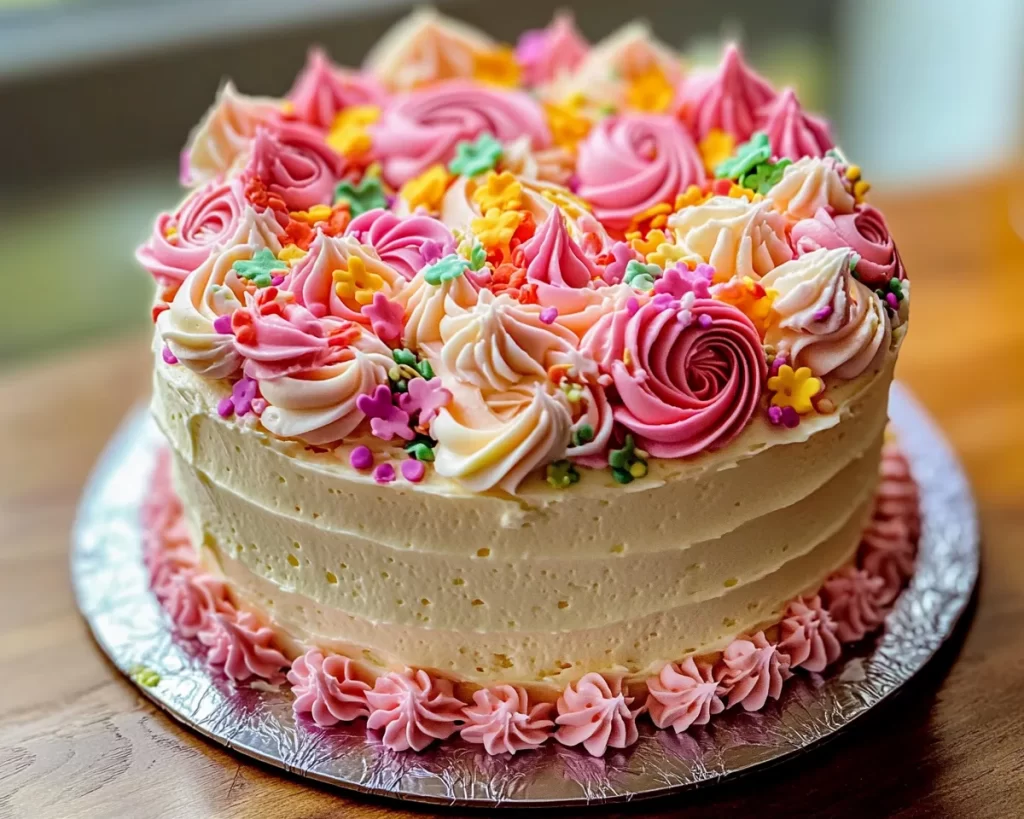
Indulging in a slice of cake, especially during the vibrant springtime, can evoke such uplifting feelings. Imagine the warm sunshine, the blossoming flowers, and a delicious cake gracing your table. The Spring Cake Designs: Simple Spring Cake with Buttercream Swirls is not just any cake; it’s an experience wrapped in sweetness and adorned with beautiful, colorful swirls that echo the lively spirit of spring. This recipe captures the essence of the season perfectly, inviting you to craft something delightful and visually stunning without spending hours in the kitchen.
By mastering this simple cake recipe, you will learn not just how to bake a cake, but also how to infuse your personality and creativity through charming buttercream decorations. This cake is designed to impress—not just in taste, but also in presentation. In the following sections, you’ll find the full breakdown of ingredients, step-by-step instructions, and countless tips to ensure your cake turns out heavenly. Whether you’re baking for a family gathering or simply treating yourself, understanding how to create this spring-inspired cake will elevate your culinary skills to a new level.
What Is Spring Cake Designs: Simple Spring Cake with Buttercream Swirls?
The Spring Cake Designs: Simple Spring Cake with Buttercream Swirls is a delightful fusion of flavors and aesthetics, tailored for those who cherish not just taste but also the joy of baking and decorating. This cake originates from traditional baking practices where spring was celebrated with beautiful, floral designs often reflecting the blooming nature outside. The cake is tender and moist, providing a wonderful base for the rich, creamy buttercream that will whirl atop it.
Flavor-wise, this cake has a light, buttery taste balanced with just the right sweetness. You can even incorporate subtle hints of vanilla or citrus to enhance its aromatic appeal. The buttercream swirls, in various pastel shades, can make any occasion feel festive and inviting. The texture of the cake is soft and fluffy, while the buttercream adds a lovely richness that complements the cake perfectly. You will learn not just to bake but also to celebrate the beautiful essence of spring in each bite.
Why You’ll Love This
The Spring Cake Designs: Simple Spring Cake with Buttercream Swirls isn’t just a feast for the eyes; it’s also a delightful treat for the taste buds. One of the biggest advantages of this recipe is its ease—perfect for busy parents or beginners who are just starting their baking journeys. The ingredients are easily accessible, making it a budget-friendly option that does not compromise quality or flavor.
Common misconceptions about cake baking often revolve around the belief that it requires intricate techniques. However, this recipe breaks down the process into simple steps, so you can achieve phenomenal results without feeling overwhelmed. For instance, while many may think cakes are inherently tricky, this one emphasizes proper measurements and techniques, paving the way for successful baking each time. Furthermore, you can customize the buttercream to reflect personal tastes or dietary needs, making it suitable for everyone at the table.
Ingredients You’ll Need
- 2 cups all-purpose flour: The foundation of your cake, providing structure and texture.
- 1 ½ cups granulated sugar: This adds sweetness and moisture, essential for a delightful cake.
- ½ cup unsalted butter: Bring this to room temperature for easier creaming with sugar.
- 1 cup milk: This enhances the cake’s tenderness; you may use almond or oat milk for a dairy-free version.
- 3 large eggs: They act as a binder and help with leavening, aiding the cake’s rise.
- 1 tablespoon baking powder: This ensures the cake rises appropriately—it’s essential!
- 1 teaspoon vanilla extract: A flavor enhancer; you can substitute with almond extract for a twist.
- ½ teaspoon salt: Balances the sweetness and enhances flavors.
- 4 cups powdered sugar: Essential for buttercream; it offers a smooth texture.
- 1 cup unsalted butter (for frosting): Like before, using room-temperature butter will aid mixing.
- 1 tablespoon milk (for frosting): Adjusts the consistency of the buttercream to your liking.
- Food coloring (optional): For those lovely pastel swirls.
Each ingredient plays a significant role; understanding their functions enriches your overall baking knowledge.
How to Make
- Preheat your oven. Set it to 350°F (175°C). Preheating is crucial for a cake’s proper rise; it creates the right environment in which the cake can develop its structure and texture.
- Prepare the cake pans. Grease your two 9-inch round cake pans with butter or non-stick spray, then dust them lightly with flour to prevent sticking. This step ensures your cake releases easily once baked.
- Cream the butter and sugar. In a large mixing bowl, combine the softened butter and granulated sugar. Using an electric mixer, beat them together on medium speed until the mixture is light and fluffy. This process can take around 4-6 minutes.
- Add eggs and vanilla extract. Carefully incorporate the eggs, one at a time, ensuring each is fully blended before adding the next. Follow this up by mixing in the vanilla extract for that extra layer of flavor.
- Combine dry ingredients. In another bowl, whisk together the flour, baking powder, and salt. This step helps to evenly distribute the leavening agent and ensures your cake rises uniformly.
- Mix the wet and dry ingredients. Gradually add the dry mixture to the creamed butter and sugar, alternating with the milk. Start and finish with flour. Beat until just combined; overmixing can result in a tough cake.
- Pour ba التطبيقية. Divide the batter equally into the prepared pans, smoothing the tops with a spatula. Give the pans a gentle tap on the countertop to release any air bubbles.
- Bake in the oven. Place the cake pans on the center rack and let them bake for 25-30 minutes. When done, a toothpick inserted into the center should come out clean, indicating they are ready.
- Cool the cakes. Once baked, remove the pans from the oven and allow them to cool in the pans for about 10 minutes. Then, transfer the cakes to a wire rack to cool completely before frosting.
- Prepare the buttercream frosting. In a mixing bowl, beat the room-temperature unsalted butter until creamy. Gradually add the powdered sugar, mixing on low speed initially to avoid a sugar cloud, and then increase the speed to medium, adding milk to adjust the consistency as needed.
- Color your buttercream (optional). Split the buttercream into separate bowls if you wish to create multiple colors. Add food coloring a little at a time until you achieve the desired shades.
- Assemble the cake. Place the first layer on a serving plate, spread a layer of buttercream on top, then gently place the second layer on top. Use a spatula to frost the entire cake in a light coat of buttercream, ensuring a smooth finish.
- Create the swirls. Use a piping bag fitted with a star tip (or any decorative tip you prefer) to create swirls on top of the cake. Let your creativity shine through as you design beautiful patterns that give a nod to the season.
Following these detailed instructions will guide you through to success, ensuring a deliciously moist cake covered in luscious buttercream swirls that will elicit compliments from your family and friends.
Variations & Substitutions
Citrus Spring Cake: If you prefer a zesty taste, consider incorporating orange or lemon zest into the cake batter. This variation adds a refreshing citrus flavor that pairs beautifully with buttercream. You could even replace the vanilla extract with citrus extracts to amplify the zing. This cake is ideal for those who enjoy a light, fruity flavor—perfect for outdoor spring parties or brunch.
Gluten-Free Spring Cake: For a gluten-free option, substitute the all-purpose flour with a gluten-free flour blend. Make sure to check the specific mix you choose, as some may already contain xanthan gum, which assists in binding. This variation is perfect for those with gluten sensitivities or celiac disease. Just pay special attention to not overmix the batter, as it can make the cake dense.
Dairy-Free Spring Cake: Easily make this cake dairy-free by swapping the milk for almond, soy, or oat milk and using dairy-free butter for the frosting. This adaption is great for anyone avoiding dairy while still wanting a rich, flavorful cake. The resulting cake will still retain softness and taste delightful!
Chocolate Spring Cake: If you are a chocolate lover, feel free to swap ½ cup of flour for the same amount of cocoa powder. This change provides a rich chocolate flavor that adds depth to the cake, making it an alluring centerpiece at any gathering. Consider pairing it with a chocolate buttercream for extra indulgence.
Fruit-Infused Spring Cake: Add some finely chopped fresh fruit (like strawberries, raspberries, or blueberries) to the batter for a fruity surprise. This variation will not only add a pop of color but will also provide a burst of flavor in every slice. Make sure to toss the fruit in a bit of flour before adding it to the batter to prevent sinking.
Each of these variations allows you to adjust the cake to cater to various taste preferences, making it versatile while retaining that quintessential spring charm.
Common Mistakes to Avoid
When baking the Spring Cake Designs: Simple Spring Cake with Buttercream Swirls, several mistakes are often made that can detract from the cake’s quality. One common issue is not allowing your ingredients, especially the butter and eggs, to reach room temperature. This step is crucial for proper emulsification when creaming butter and sugar, leading to a denser cake if neglected.
Another pitfall is the tendency to overmix the batter once you combine wet and dry ingredients. Overmixing introduces too much air and gluten development, resulting in a tough cake. Mixing should be done until just combined; no visible flour should remain.
Failing to measure ingredients accurately can also bring about disaster. Invest in a good kitchen scale for precision, or ensure your measuring cups are leveled. Lastly, not properly preparing your cake pans can lead to sticking. Always grease and flour your pans well; this ensures a smooth release for beautifully shaped cakes. If you take care to avoid these mistakes, your baking journey will become significantly more rewarding.
Storage, Freezing & Reheating Tips
For optimal freshness, the Spring Cake Designs: Simple Spring Cake with Buttercream Swirls can be stored at room temperature in an airtight container for up to 3 days. If your kitchen tends to be warm, it may be better to refrigerate the cake; just allow it to come to room temperature before serving.
If you plan on keeping it longer, freezing is an excellent option. Wrap slices or the whole cake tightly in plastic wrap and aluminum foil to prevent freezer burn, allowing it to last for up to 3 months. When you’re ready to enjoy it again, thaw in the refrigerator overnight before bringing it to room temperature for the best taste and texture.
If you’ve frozen buttercream, know that it can also be refrozen; simply thaw and re-whip to restore its fluffy consistency. Just remember to use good food safety practices. Never refreeze thawed items, as it can compromise quality and increase the risk of foodborne illness.
Frequently Asked Questions
Can I use other flavorings besides vanilla for the cake? Absolutely! Feel free to experiment with other extracts like almond, coconut, or even specialty flavors like lavender. Just be cautious not to overpower the batter with too much extract. Adding a teaspoon or two is generally sufficient to infuse flavor.
How can I make the buttercream frosting extra fluffy? To achieve a light and airy buttercream, make sure to whip the butter on medium speed for several minutes before gradually adding powdered sugar. Include a splash of heavy cream if needed, which helps in achieving a silkier consistency while adding richness.
What if my cake sinks in the middle, how can I fix this? A sinking cake is often a result of too much leavening agent or underbaking. Ensure to measure your baking powder carefully and bake until the toothpick inserted comes out clean. To salvage a sunken cake, you could consider making a cake trifle by layering the cake pieces with cream and fruits.
Can I make this cake ahead of time for a party? Yes! This cake can be baked a day in advance and stored in an airtight container. Just frost it closer to serving time to keep the buttercream fresh. Alternatively, you can freeze the un-frosted cake for later use.
Is it possible to add fillings between the layers? Definitely! You can add fruit preserves, whipped cream, or even a layer of ganache between the cake layers to elevate the flavor. Just make sure the filling is not too heavy to prevent the layers from sliding.
Conclusion:
The Spring Cake Designs: Simple Spring Cake with Buttercream Swirls is more than just a cake; it’s a celebration of spring’s beauty and joy. With its soft texture and vivid colors, you can create a delightful centerpiece that brings smiles all around. Whether you’re learning to bake or looking to impress guests, this recipe is approachable and adaptable. Don’t hesitate to express yourself through variations and swirls, making it uniquely yours. So why not give this gorgeous spring cake a try? You won’t just be enjoying a delightful dessert but also nurturing your skills as a home cook. Get baking and let the colors of spring brighten your table!