Prep time: 30 minutes
Cook time: 15 minutes
Total time: 45 minutes
Servings: 6-8
Spring is a season that brings a refreshing burst of flavor, color, and joyous gatherings, making it the perfect time for a dinner party. Imagine the aromatic herbs and vibrant vegetables, all working harmoniously to create a delightful meal on your table. This Spring Dinner Party featuring a stunning **Spring Charcuterie Board** paired with a crisp **Fresh Salad** is a delightful way to celebrate the season. Each element brings its own personal touch, from **seasonal cheeses** to **crunchy nuts** and refreshing **salad greens**. In this guide, you’ll not only learn how to craft an impressive charcuterie board, but also how to incorporate the freshest ingredients for a salad that will steal the spotlight.
What makes this recipe truly special is its versatility. Whether you are an experienced cook or just starting out, this dish allows room for creativity and personalization. You’ll find tips on how to arrange your charcuterie board like a pro, as well as ideas for seasonal ingredients you can include. Let’s dive into the world of spring flavors and embark on a culinary journey that will make your dinner party unforgettable.
What Is Spring Dinner Party: Spring Charcuterie Board Ideas + Fresh Salad?
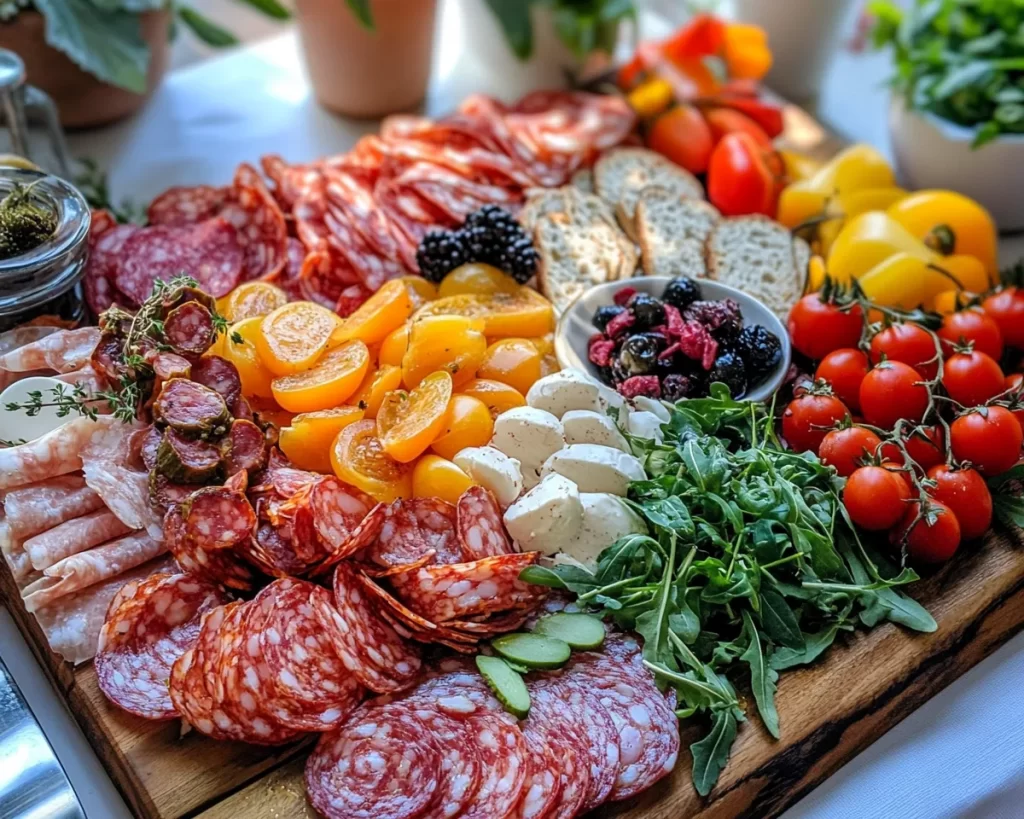
The **Spring Charcuterie Board** is a beautiful assortment of carefully selected meats, cheeses, fruits, vegetables, and accompaniments arranged artfully for a visually enticing presentation. Originating from France, charcuterie boards have evolved and adapted to various local tastes, and today they can incorporate any combination of flavors and textures that excite your palate. The crispness of fresh vegetables paired with the creaminess of a good cheese creates a mouthwatering contrast that makes each bite pleasurable.
In the context of spring, the board reflects seasonal produce, boasting a variety of colors and flavors that hint at renewal and freshness. You can customize the board to include **spring herbs** like mint and basil that add unexpected layers of flavor. This meal, complemented by a **Fresh Salad**, highlights the ingredients that come alive during this vibrant season, presenting a light yet satisfying option that feels both elegant and approachable.
Why You’ll Love This
There are countless reasons to love a Spring Charcuterie Board paired with a Fresh Salad. For starters, this dish brings together the best flavors of the season while being incredibly **easy to prepare**. Assembling a charcuterie board does not require culinary expertise; it’s more about understanding how to combine textures and flavors. Plus, everything can be prepared in advance, allowing you to enjoy the gathering without being stuck in the kitchen.
Cost-wise, this recipe can be tailored to fit any budget. You can opt for more expensive artisanal cheeses or choose budget-friendly options that still deliver on taste. The versatility of flavors means you can create something that can range from upscale to laid-back, depending on your needs. Additionally, this meal is a healthy option featuring a plethora of fresh vegetables, lean proteins, and healthy fats that will satisfy while being mindful of dietary preferences.
Many people think that **charcuterie boards** are limited to meats and cheeses. However, with the right balance of flavors—the injection of sweet fruits and savory elements—this dish can become a showstopper that caters to everyone at your table, accommodating various dietary restrictions such as vegetarian or gluten-free diets.
Ingredients You’ll Need
For a successful Spring Charcuterie Board and Fresh Salad, gather the following ingredients:
- Cheeses: 3-4 varieties (e.g., goat cheese, brie, aged cheddar, gouda)
- Meats: 3-4 types (e.g., prosciutto, salami, bresaola, turkey)
- Fruits: Fresh seasonal fruits (e.g., strawberries, blueberries, grapes)
- Vegetables: Crisp celery, carrots, radishes, and cucumbers
- Nuts: Almonds, walnuts, or pistachios
- Bread: A variety of crackers and sliced baguette
- Dips: Hummus, mustard, or fig jam
Let’s break down each ingredient and discuss their roles:
– **Cheeses:** Choosing three to four different cheeses provides a remarkable variety of flavors. Opt for a creamy cheese like brie for richness, a tangy goat cheese for contrast, and a sharp cheddar for boldness.
– **Meats:** High-quality meats like prosciutto or salami offer rich, savory notes. They can be folded or rolled to create an appealing visual and make it easier to grab pieces.
– **Fruits:** Fresh seasonal fruits not only add sweetness but also color. Think strawberries and blueberries; they are abundant in spring and provide pleasing juiciness.
– **Vegetables:** Crisp vegetables like radishes and cucumbers lend a refreshing crunch and a palate cleanser between the rich flavors.
– **Nuts:** Nuts contribute crunch and can bring warmth or earthiness, depending on your selection. Toasting them lightly can amplify their flavors.
– **Bread:** A variety of crackers and sliced baguette serves as a vessel to carry the delightful toppings. Choose artisanal selections for an upscale touch.
– **Dips:** Unique dips can make the charcuterie board even more engaging. Hummus for creaminess or fig jam for sweetness adds layers of flavor that guests will love.
How to Make
Creating the Spring Charcuterie Board and Fresh Salad is straightforward. Follow these steps for a successful presentation:
- Choose Your Board: Start by selecting a large wooden or ceramic board to serve as your base. This will help you visualize how to arrange your components for the best presentation.
- Arrange the Cheeses: Place your cheese selections first. Arrange them in different areas of the board to create visual interest. You can cut some into wedges while leaving larger pieces whole for variety.
- Add the Meats: Next, fold or roll your meats and position them around the cheese. This not only looks appealing but also prevents cross-contamination between meat and cheese.
- Incorporate the Fruits and Vegetables: Fill in gaps with fresh fruits and vegetables. This adds color and freshness. For instance, place **strawberries** next to **brie** and **cucumbers** alongside **salami**.
- Include Nuts and Dips: Scatter nuts over the board and place small bowls or dollops of dips strategically around the board. This improves accessibility while adding to the visual appeal.
- Prepare the Salad: For the fresh salad, start by washing and drying your greens thoroughly. In a large bowl, toss together mixed greens, sliced cucumber, and halved cherry tomatoes.
- Dress the Salad: Drizzle a simple dressing made of olive oil, balsamic vinegar, salt, and pepper over the salad mix right before serving. This ensures your salad remains crisp and does not wilt.
- Final Touches: Garnish both the charcuterie board and salad with herbs like fresh basil and mint for that extra pop of flavor and presentation. Remember, eyes eat first!
Once assembled, place your charcuterie board and salad on the dining table, and be ready to impress your guests with this visually stunning and delicious offering.
Variations & Substitutions
Vegetarian Charcuterie Board: If your guests follow a vegetarian diet, be sure to replace the meats with additional cheeses, marinated artichokes, olives, and grilled vegetables. This variation still offers filling options while catering to dietary restrictions. Don’t forget to add more nuts and fruits for sweetness and crunch.
Gluten-Free Board: For a gluten-free option, ensure that all crackers and breads are certified gluten-free. You can replace traditional crackers with rice cakes or veggie chips. Ensure that dips are gluten-free as well. A range of colorful vegetable sticks can act as dippers.
Seasonal Variations: Since this is facilitated by seasonal ingredients, don’t hesitate to customize your charcuterie board based on local availability. During spring, think about incorporating fresh asparagus or radishes. As the seasons change, consider adding roasted butternut squash in the autumn or berries in the summer for continuous variety.
International Flavors: Give your charcuterie board an international flair. For instance, include Spanish **chorizo**, Greek **feta**, or Italian **bresaola**. Pair with appropriate accompaniments like hummus or tapenade to introduce diverse cultures to your gathering.
Sweet Charcuterie Board: Instead of meats and cheeses, create a dessert-themed charcuterie board. Include dark chocolates, assorted candies, fruits, and sweet dips like chocolate fondue or caramel sauce. This variation is perfect for concluding a dinner party on a sweet note.
Common Mistakes to Avoid
One of the most common mistakes while assembling a charcuterie board is not considering texture. When you’re putting together meats and cheeses, ensure there’s a variety of **textures** available. For example, if all your cheeses are creamy, it may be a good idea to add one that’s hard or crumbly to keep the palate intrigued.
Also, be mindful of proportions. Overloading on one ingredient type can overwhelm your board and create an unbalanced experience. Use a visual guide to keep your arrangement harmonious and appealing.
Not using seasonal ingredients can also detract from the experience. The magic of a Spring Charcuterie Board is its dependence on fresh, local produce that captivates the senses. Make it a point to visit local farmers’ markets when creating your board!
Lastly, avoid preparing the board too far in advance. This can lead to ingredients losing their freshness or becoming dry. Assemble the board and salad as close to serving time as possible, ensuring everything stays fresh and vibrant.
Storage, Freezing & Reheating Tips
When it comes to storage, it’s important to keep your charcuterie board ingredients in mind. You can store leftover cheeses and meats in airtight containers in the refrigerator, but fresh items like fruits and vegetables are best enjoyed the same day for optimum flavor and crispness.
If you have leftover salad, keep the dressing separate to avoid wilting. Store the salad greens in a container lined with paper towels to absorb excess moisture, helping to keep them fresh for another day.
As far as freezing goes, most charcuterie board components should not be frozen, as freezing can alter their texture and flavor dramatically. It’s best to consume them fresh within a few days after assembly. Planning your portions can help minimize waste and ensure that everything is enjoyed.
If you do find yourself with extra dips or spreads, these can often be frozen in small portions for later use. Be sure to label containers with dates for future reference.
Frequently Asked Questions
Can I prepare the charcuterie board ahead of time?
Yes, you can prepare certain elements such as cheeses and sliced meats in advance. However, it is best to assemble the board shortly before serving to maintain freshness, especially for fruits and vegetables.
What are some good wine pairings for a charcuterie board?
Wine pairings can elevate your charcuterie board experience dramatically. Generally, **white wines** like Sauvignon Blanc pair beautifully with fresh cheeses and lighter meats. A light **red wine** can enhance the flavors of aged cheeses and cured meats. Ultimately, select wines based on your ingredients for a cohesive taste.
How do I know what cheeses to choose?
Choosing cheeses can feel overwhelming due to options, but a good rule of thumb is to select a mix of textures and flavors: mild, sharp, creamy, and crumbly. Goat cheese offers tanginess, while a sharp cheddar introduces a bold punch. Explore local artisan cheesemakers for unique tasting selections.
What’s the best way to serve dips with the charcuterie board?
Utilize small bowls or ramekins for dips for a tidy presentation. Place these strategically on the board so guests can easily reach them. Encourage pairing with snacks from the board, like crackers or vegetable sticks, for a harmonious experience.
Can I customize the salad to fit dietary needs?
Absolutely! A fresh salad is highly adaptable. You can swap in **gluten-free grains** like quinoa, use dairy-free dressings, or include high-protein additions like chickpeas or nuts to suit any dietary preference or need.
Conclusion:
This Spring Dinner Party featuring a vibrant **Spring Charcuterie Board** and a refreshing **Fresh Salad** is an excellent opportunity to celebrate the best the season has to offer. With thoughtful presentation and incorporating seasonal ingredients, you can create a stunning feast that delights both the eyes and the palate. Don’t hesitate to try your hand at customizing the recipes and adding your personal flair. By doing so, you ensure an unforgettable experience for both you and your guests. Gather your ingredients, assemble your board, and make this spring a season of delicious memories!