Prep time: 15 minutes
Cook time: 20 minutes
Total time: 35 minutes
Servings: 4
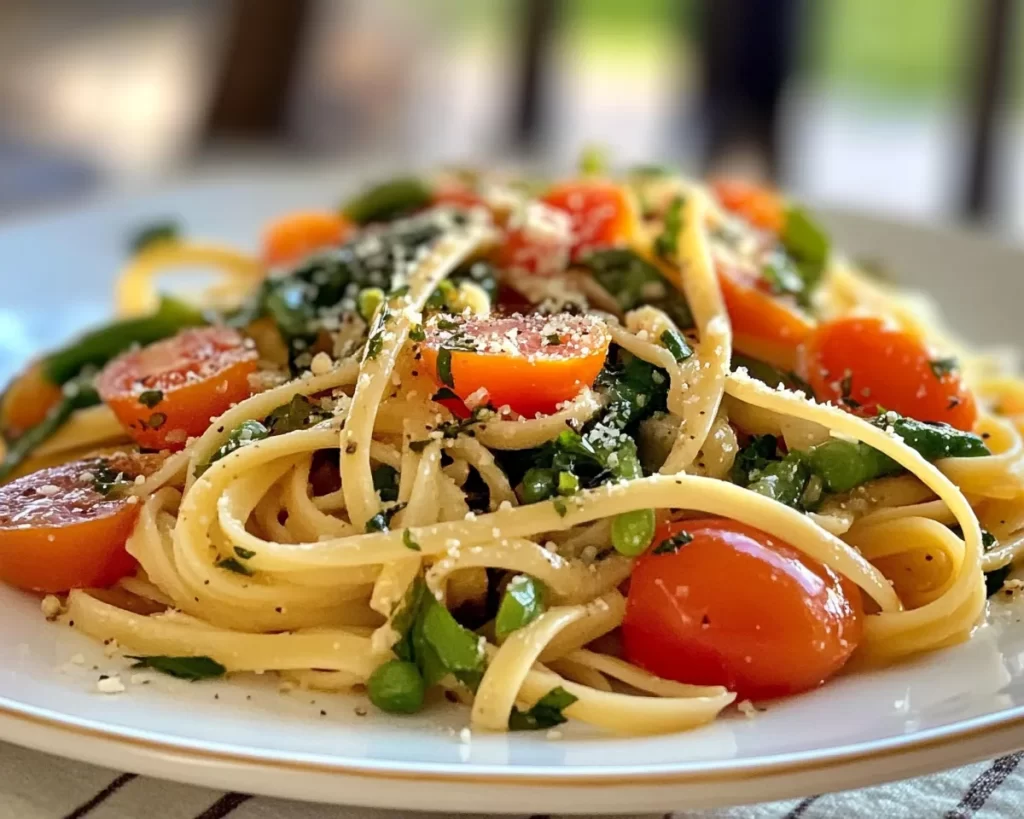
If you’re looking for a dish that perfectly captures the essence of spring, then this Healthy Pasta Primavera is exactly what you need. Imagine vibrant vegetables shining like jewels on a bed of al dente pasta, creating a beautiful medley that oozes freshness. This recipe is not only simple and quick to prepare, perfect for busy weeknights, but it also allows you to use seasonal produce to its fullest. You’ll find a delightful combination of textures and flavors that dance on your palate, making this dinner a nutritional powerhouse!
What makes this recipe truly special is its versatility and the ease with which it can be customized to fit your dietary needs or preferences. Whether you’re a busy parent attempting to get a meal on the table, a health-conscious individual looking for something light yet satisfying, or just someone who believes in eating good food, this dish caters to all. You’ll learn about the best ingredients to include, how to elevate the flavors, and variations to inspire your culinary creativity.
What Is Spring Dinners: Healthy Pasta Primavera (Easy)?
Healthy Pasta Primavera is an Italian-American classic that celebrates fresh produce, making it a popular dish for springtime meals. The term “Primavera” means “spring” in Italian, and traditionally refers to a mix of fresh, sautéed vegetables tossed with pasta. The dish typically features a variety of seasonal vegetables, which gives it a colorful appearance and a delicious, fresh taste.
In terms of texture, the pasta is usually cooked to perfection, providing a firm bite that contrasts beautifully with the tender-crisp vegetables. The flavors are light yet vibrant, often punctuated by the freshness of herbs like basil or parsley and the brightness of lemon juice. You might also find a hint of garlic or onion that adds depth without overwhelming the dish. Overall, it’s a celebration of spring, making it not only a delightful meal but also a refreshing way to enjoy a variety of veggies.
The joy of Pasta Primavera lies in its adaptability. You can easily tailor the ingredients to match what you have on hand or what’s in season. If you desire a richer flavor, consider tossing in some cheese or a light cream sauce. Alternatively, for a vegan version, skip the cheese and use a drizzle of olive oil and lemon juice to enhance the freshness of the vegetables.
Why You’ll Love This
Firstly, the taste is absolutely fantastic! With earthy notes from the vegetables combined with the delightful chewiness of the pasta, every bite is a flavor explosion in your mouth. The freshness of the ingredients brings a lightness that is perfect for warmer months, making it a favorite among those who enjoy seasonal fare.
Additionally, this recipe is incredibly easy to make. It doesn’t require any fancy cooking techniques. You can throw your vegetables in a pan, stir them around, and combine them with cooked pasta in mere minutes! This lack of complexity makes it great for beginners or anyone looking to whip up a quick weeknight meal without stress.
Another significant benefit is its health appeal. Packed with vitamins and nutrients from the seasonal vegetables, this dish is low in calories and high in fiber, making it a great option for anyone focused on healthy eating. What’s more, it’s cost-effective since you can use leftover vegetables that are lingering in your fridge.
Lastly, the recipe’s versatility means it can easily cater to various diets. Whether you’re vegetarian, vegan, or even gluten-free, you can adapt it to suit your needs. Not to mention, you can also switch around the flavors with different sauces, herbs, or vegetables based on what you enjoy.
Ingredients You’ll Need
- 8 oz. pasta: You can use any pasta shape you like. Whole wheat or gluten-free options are great for added health benefits.
- 1 cup bell peppers: Choose a mix of colors for visual appeal and sweetness.
- 1 cup zucchini: This vegetable adds a lovely texture; spiralized zucchini can be a fun alternative.
- 1 cup asparagus: Lightly cooked asparagus provides a vibrant, slightly earthy flavor.
- 1 cup cherry tomatoes: They add a pop of juiciness and sweetness.
- 3 cloves garlic: Fresh minced garlic gives an aromatic base; feel free to adjust based on your preference.
- 3 tablespoons olive oil: This gives a rich texture; you can substitute with vegetable broth for a lighter version.
- 1 teaspoon Italian seasoning: A blend that adds an herbaceous element; fresh herbs can be a great substitute.
- Salt and pepper: To taste, as these are essential for bringing out the dish’s flavors.
- Grated Parmesan cheese: Optional, but for cheese lovers, this enhances the flavor significantly.
Each ingredient plays a pivotal role in making Pasta Primavera a delicious and memorable meal. The pasta creates the base, providing the necessary carbohydrates to fuel your day, while the vegetables offer a rainbow of flavors and nutrients. The olive oil acts as a binding agent and adds to mouthfeel, while garlic imparts a comforting aroma as it sizzles in the pan.
Feel free to customize the vegetables according to what you have available or what your family enjoys. Vegetable stock can replace olive oil for a lighter dish, while various herbs can give the recipe a unique twist.
How to Make
- Begin by cooking the pasta according to the package instructions. Make sure to season your water with salt for added flavor. Once cooked, drain and set aside, reserving about a cup of the pasta cooking water.
- While the pasta is cooking, prepare your vegetables. Chop the bell peppers, zucchini, and asparagus into bite-sized pieces. Halve the cherry tomatoes. The goal is to have pieces that almost match the size of the pasta for a harmonious bite.
- In a large pan over medium heat, add the olive oil and let it heat up for about 30 seconds. Increase the heat to medium-high and add minced garlic, stirring for about a minute until fragrant. Be careful not to burn the garlic; it can turn bitter!
- Next, toss in the bell peppers and asparagus first as they take a bit longer to cook. Sauté for 3-4 minutes until they start to soften. Then, add the zucchini and cherry tomatoes to the pan. Stir occasionally, allowing the vegetables to cook until they’re tender-crisp, about another 3-4 minutes.
- Once the vegetables are cooked to your liking, lower the heat, and combine the cooked pasta with the sautéed vegetables in the pan. Mix everything well, ensuring the pasta is coated in the olive oil and vegetable juices. You can add some reserved pasta water if you’d like a saucier texture.
- Season the mixture with Italian seasoning, salt, and pepper according to your taste. Toss everything together until well combined. If you’re using Parmesan cheese, sprinkle it on at this stage and allow it to melt gently into the dish.
- Remove the pan from heat and allow it to sit for a minute, letting all the flavors meld together. For an extra kick, add a squeeze of fresh lemon juice and stir well.
- Serve piping hot, garnished with fresh herbs like basil or parsley for that final touch. This dish is best enjoyed immediately but can be stored for later if necessary.
This step-by-step process ensures that each ingredient retains its individual character while creating a cohesive dish. Timing is key, especially with the vegetables. By sautéing them in stages, they’ll achieve the perfect tenderness without losing their vibrant colors. Even if you’re a beginner in the kitchen, following these clear instructions will lead to a delightful dinner.
Variations & Substitutions
Vegetable Medley Variation:
For those who love variety, feel free to swap in your favorite seasonal vegetables! Think broccoli, peas, or even spinach. Each variation alters the flavor profile and adds its unique texture. Broccoli gives a robust crunch, while spinach wilts down and adds a subtle earthiness. This flexibility allows you to cater the dish to your personal preferences or what’s available in your pantry.
Protein-Packed Variation:
Adding grilled chicken, shrimp, or chickpeas can transform this dish into a heartier meal. Grilled chicken provides protein that complements the lightness of the vegetables beautifully. If you’re looking for a vegetarian option, chickpeas are an excellent choice, offering both substance and an extra protein boost. Just sauté them for a few minutes to warm them and blend their flavors with the rest of the dish.
Vegan Version:
To create a vegan-friendly Pasta Primavera, simply omit the cheese and consider using nutritional yeast for a cheesy flavor without dairy. You can also add cashew cream for a bit of richness if you prefer a creamier texture. This makes the dish entirely plant-based while maintaining its original essence and taste.
Whole Wheat Pasta Variation:
For a healthier alternative, use whole wheat pasta. This option increases the fiber content, making the recipe more filling and beneficial for digestion. While the taste will be slightly nuttier, it pairs wonderfully with the vivid flavors of the vegetables and can elevate the dish to something even more nutritious.
Common Mistakes to Avoid
One common mistake is overcooking the vegetables, leading to a mushy texture. It’s crucial to sauté them just until they’re tender-crisp. Remember, they will continue cooking slightly after you remove them from the heat. A vibrant color signifies freshness, so keep a close eye on them.
Another frequent error is not seasoning adequately. Make sure to taste your dish before serving; sometimes, all it takes is a little more salt or a squeeze of lemon juice to elevate the flavors significantly.
Lastly, using the wrong pasta can affect the final dish. Ensure you choose a shape that complements the sauce and ingredients well. For example, small pasta types like penne or rotini tend to hold onto ingredients better, while long noodles can create a beautiful twist. Also, always reserve some pasta water before draining; it’s a secret ingredient that can help bind your dish and retain moisture.
Storage, Freezing & Reheating Tips
Storing Pasta Primavera is straightforward, making it a perfect candidate for meal prep. Allow it to cool completely before transferring it into an airtight container. It will keep well in the refrigerator for about 3-4 days, making it an easy grab-and-go lunch or dinner option throughout the week.
For long-term storage, freezing is an option, though the texture might change slightly upon thawing. Store the cooled pasta in a freezer-safe container for up to 2 months. When it’s time to enjoy your frozen Pasta Primavera, simply thaw it in the refrigerator overnight and reheat in a skillet on low heat, adding a splash of your reserved pasta water to keep it moist.
When reheating, take care not to overheat the dish. If using a microwave, do so in increments of 1 minute, stirring in between to ensure even heating, so you don’t end up with rubbery vegetables.
Frequently Asked Questions
Can I make Pasta Primavera ahead of time?
Yes, Pasta Primavera is an excellent dish for meal preparation. You can cook the pasta and vegetables in advance and store them in the refrigerator. Just reheat when you’re ready to serve. However, it’s best to store the dressing separately if using so that the pasta doesn’t become mushy.
Is Pasta Primavera gluten-free?
You can easily make this dish gluten-free by using gluten-free pasta. Many brands offer delicious alternatives that will still provide a satisfying texture, so feel free to enjoy this dish without gluten barriers.
What type of pasta is best for Primavera?
For Pasta Primavera, any pasta shape works wonderfully. However, shapes that can hold the sauce well, like penne, fusilli, or farfalle, are particularly great options. Choose your favorite or whatever you have on hand!
Can I add more vegetables?
Absolutely! One of the joys of this dish is its versatility with vegetables. Feel free to add more or substitute according to your preferences or what’s in season. Just be mindful of cooking times, as some veggies take longer to cook than others.
Is it possible to make Pasta Primavera vegan?
Yes, making a vegan version is straightforward. Simply omit cheese and consider using nutritional yeast for a cheesy flavor. You can also add plant-based proteins like chickpeas or tofu, which complement the dish well without compromising on nutrition.
Conclusion:
This Healthy Pasta Primavera is a beautiful, vibrant dish that promises to bring the best of spring to your table. It’s not just a delicious meal; it’s also a quick, nutritious, and versatile option that you can customize in countless ways. So why not give it a try? Embrace the freshness of the season and indulge in this delightful recipe that family and friends will adore. You’ll find it’s a crowd-pleaser that encourages creativity, making it an exciting addition to your dinner rotation. Cook it, share it, and savor every bite!