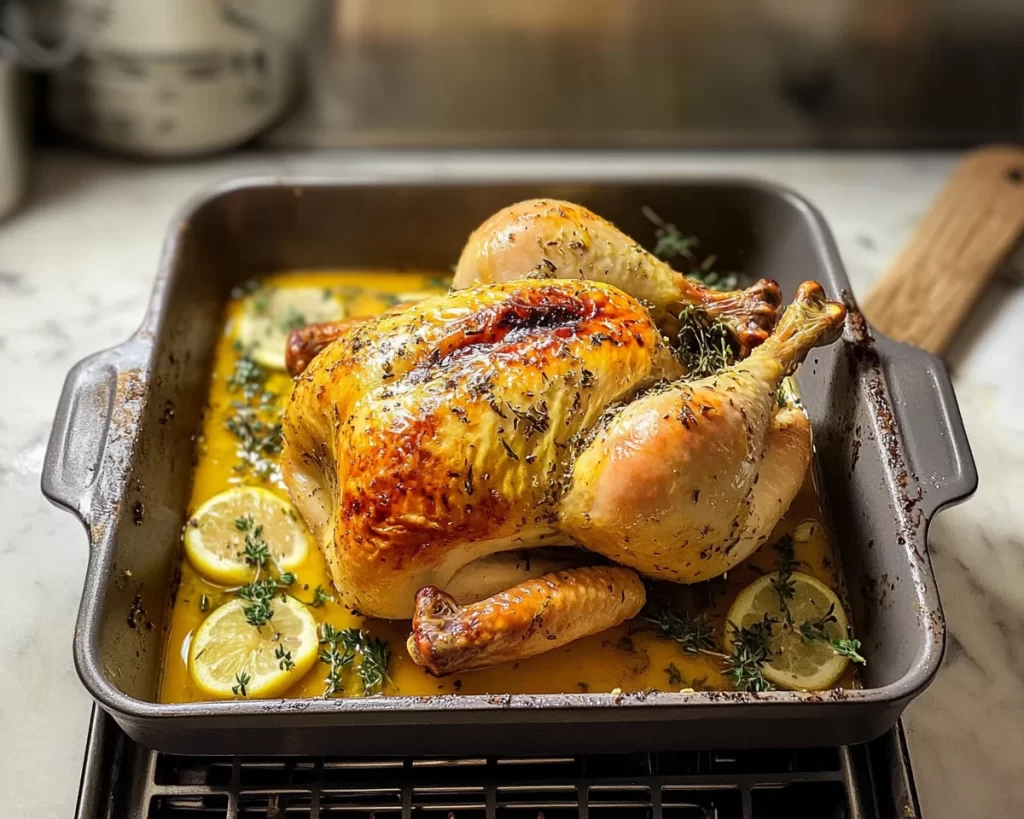
Prep time: 15 minutes
Cook time: 1 hour 30 minutes
Total time: 1 hour 45 minutes
Servings: 6
The aroma of sizzling chicken, seasoned perfectly with a medley of herbs and spices, wafts through your kitchen as you dream of succulent bites that are bursting with flavor. If you’ve ever been enticed by that irresistible rotisserie chicken from your local grocery store or restaurant, you’re not alone. This dish is a staple for many households—a go-to for busy weeknights and family gatherings alike. With its juicy meat, crispy skin, and delightful seasoning, everything about rotisserie chicken seems perfect.
What makes this rotisserie chicken so special? It combines ease, flavor, and versatility. Cooking this dish at home allows you to control the ingredients, avoid common additives in store-bought versions, and customize the spice blend to suit your preferences. In this article, you’ll learn how to create your very own rotisserie chicken at home, complete with tips, variations, and answers to common questions.
What Is I’M Officially Addicted To This Perfect Rotisserie Chicken!?
Rotisserie chicken is a dish that has earned a special place in culinary hearts around the globe. Traditionally roasted slowly on a spit, each bird is meticulously cooked over a low flame, resulting in tender, juicy meat that practically falls off the bone. The outer layer is coated in a crispy skin, which is created through the careful cooking process that renders excess fat while maintaining moisture in the meat.
This method of cooking provides a flavorful experience that can be likened to a magic trick in the kitchen. A simple whole chicken becomes an enticing centerpiece that can be enjoyed plain or incorporated into numerous dishes like salads, sandwiches, or soups. You can experiment with various spices, from classic herbs like thyme and rosemary to spicy chili flakes or smoky paprika. The beauty of this recipe lies in its adaptability—once you master the basics, the possibilities are nearly endless.
Why You’ll Love This
Imagine serving a meal that not only tastes divine but also allows you to embrace your creativity in the kitchen. This rotisserie chicken is versatile enough to become a main dish at dinner parties, yet simple enough to whip up on a hectic weeknight. You’ll appreciate how easy it is to prepare, freeing up your evening for family conversations or catching up on your favorite show after a long day.
Another attractive aspect is cost-effectiveness. Preparing your own rotisserie-style chicken at home can be significantly cheaper than purchasing one from a store, where prices can vary substantially based on quality and region. Plus, by integrating fresh ingredients and seasoning your chicken with love, you can create a meal that is both satisfying and nourishing.
Many may think that cooking a whole chicken requires advanced culinary skills, but that is a misconception. If you can season, tie, and roast a chicken, you’ve already conquered the fundamentals! Remember, the key lies in letting the chicken marinate, allowing the flavors to infiltrate the meat properly.
Ingredients You’ll Need
- 1 whole chicken (about 4-5 lbs): The star of the dish; choose organic, free-range if possible for better flavor and health benefits.
- 2 tablespoons olive oil: Essential for achieving that golden-brown skin while keeping the meat moist. You can substitute with melted butter.
- 1 tablespoon salt: Enhances flavor; feel free to experiment with flavored salts for a twist.
- 1 teaspoon black pepper: A simple seasoning that balances the flavors; use freshly ground for more depth.
- 1 teaspoon garlic powder: A must-have for that comforting savory taste; fresh minced garlic can also be used.
- 1 teaspoon onion powder: Adds additional layers of flavor; you can omit if preferred.
- 1 teaspoon paprika: For a hint of sweetness and color; smoked paprika can provide an even deeper flavor.
- 1 teaspoon dried thyme: A wonderful herb for seasoning; fresh thyme can make a delightful difference.
- 1 lemon: Used for both flavor and moisture during cooking; zesting the lemon adds extra aromatic qualities.
- Kitchen twine: For trussing the chicken; it helps cook evenly.
Each of these ingredients plays a vital role in creating the perfect rotisserie chicken. The chicken itself is the main component, and selecting a high-quality bird can profoundly impact the final taste. Olive oil helps to lock in moisture and enhance the texture of the skin. The blend of spices not only flavors the meat but also creates a beautiful, aromatic crust that will make your taste buds dance.
How to Make
1. **Prepare the Chicken**: Start by preheating your oven to 375°F (190°C). Rinse the whole chicken under cold water, and pat it dry with paper towels. Ensuring that the skin is dry is crucial for achieving that crispy texture. Remove any giblets from the cavity.
2. **Season the Chicken**: Place the chicken on a cutting board. Rub olive oil all over the chicken, ensuring each part is covered. This not only helps the spices adhere but also enhances the skin’s crispness. Next, in a small bowl, mix together salt, black pepper, garlic powder, onion powder, paprika, and thyme. Generously apply the seasoning blend all over the chicken, including inside the cavity for maximum flavor.
3. **Add Lemon Flavor**: Cut the lemon in half and squeeze the juice inside the chicken. Then place the squeezed halves into the cavity. The lemon infuses moisture and subtle acidity, balancing the richness of the chicken.
4. **Truss the Legs**: To ensure even cooking, truss the legs using kitchen twine. This helps the chicken maintain its shape and promotes even airflow around the bird as it cooks.
5. **Roast the Chicken**: Using a roasting pan or a baking dish, place the seasoned chicken breast side up. Roast in the preheated oven for about 1 hour and 30 minutes, or until the internal temperature reaches 165°F (75°C) in the thickest part of the thigh. Basting the chicken with its juices every 30 minutes will add an extra layer of flavor and moisture.
6. **Let It Rest**: Once cooked, remove the chicken from the oven and let it rest for at least 15 minutes before carving. This resting period allows the juices to redistribute throughout the meat, leading to an even more flavorful and moist experience.
7. **Serve and Enjoy**: Carve the chicken and serve it with your choice of sides. Roasted vegetables, mashed potatoes, or a fresh salad pair beautifully. Enjoy the satisfaction of having made such a delicious meal!
Variations & Substitutions
Herb-Infused Rotisserie Chicken: Instead of the typical seasoning blend, consider using fresh herbs like rosemary, sage, and parsley. These herbs impart a fragrant punch and can elevate the dish’s complexity. If you’re a fan of garden-fresh flavors, choose organically grown herbs for the best results. As a tip, chop the herbs finely and mix them into the olive oil before applying it to the chicken for maximum flavor absorption.
Spicy Rotisserie Chicken: For those who enjoy a kick, try adding cayenne pepper or chili powder to the spice mix. You can also marinate the chicken in hot sauce mixed with olive oil for 12 hours before roasting. This variation is ideal for the heat lovers in your life, offering a delightful contrast to the classic flavors.
Lemon Garlic Rotisserie Chicken: If you love the bright flavors of lemon and garlic, incorporate these more prominently. Add several crushed garlic cloves into the cavity alongside the lemon. This method will infuse the chicken with an aromatic garlic essence that pairs perfectly with the lemon zest. It’s particularly great for summer barbecues or outdoor feasts!
Sweet and Tangy Rotisserie Chicken: Experiment with a marinade made of honey or maple syrup, soy sauce, and apple cider vinegar. This variation yields a beautiful caramelization on the skin while infusing moisture into the meat. It pairs wonderfully with side dishes that balance out sweetness, such as sautéed greens or roasted root vegetables.
Common Mistakes to Avoid
One of the most common mistakes when roasting a chicken is not allowing it to rest adequately. If you slice into your chicken immediately after taking it out of the oven, the juices will run out, resulting in dry meat. Patience is key here; waiting at least 15 minutes enhances the flavor and moisture retention.
Another pitfall is overcrowding the pan. Ensure your chicken has ample space during cooking to allow hot air to circulate. This prevents steaming and promotes even browning. Also, keep an eye on the oven temperature—cooking at too high a setting can result in burned skin before the meat is properly cooked.
Finally, don’t skimp on seasoning. Proper seasoning can transform your dish from bland to unforgettable. Applying salt and spices generously is essential; remember that the seasoning process should be thorough, including the internal cavity.
Storage, Freezing & Reheating Tips
To preserve your delicious rotisserie chicken, let it cool to room temperature before transferring it to an airtight container. It can be stored in the refrigerator for up to 3-4 days. If you wish to enjoy it later, freezing is an excellent option. Wrap portions of the chicken tightly in plastic wrap and then place them in a freezer-safe bag. This method helps avoid freezer burn and keeps the chicken edible for up to 4 months.
When you’re ready to enjoy it again, thaw the chicken overnight in the refrigerator. For reheating, place it in a preheated oven at 350°F (175°C) until warmed through. This approach keeps the chicken moist and allows the skin to remain crispy.
Remember, it’s critical to adhere to food safety practices. Always ensure the chicken is properly cooled down before storing it, and reheat only what you intend to eat to minimize waste.
Frequently Asked Questions
Can I use frozen chicken for this recipe? Yes, you can use a frozen chicken, but you’ll need to defrost it completely before cooking. The safest way to do so is by leaving it in the refrigerator overnight. This ensures that the chicken thaws evenly and keeps the flavor intact.
What is the best way to ensure my chicken stays juicy? One of the best ways to keep your chicken juicy is to ensure you don’t overcook it. Use a meat thermometer to check the internal temperature, which should ideally be 165°F (75°C). Additionally, allowing the chicken to rest after roasting helps keep the moisture locked in.
Can I cook this chicken on a grill instead? Absolutely! Cooking on a grill adds a smoky flavor to the chicken. Use indirect heat to prevent burning the skin while allowing the chicken to cook thoroughly. A rotisserie attachment on your grill can yield exceptional results.
What can I do with leftover rotisserie chicken? Leftover rotisserie chicken can be incredibly versatile. You can shred it and use it in salads, soups, or even tacos. It can also be added to pasta dishes for a hearty meal, or you can enjoy it simply reheated with sides.
How should I season the chicken for optimal flavor? A well-balanced seasoning blend is essential for flavor. A mix of salt, pepper, garlic, onion powder, and herbs can make a basic yet delicious combination. Always remember to season inside the cavity and under the skin for maximum impact.
Conclusion:
This recipe for rotisserie chicken is not only delicious, but it also embodies the spirit of home cooking—filled with love and shared among family. You can customize and adapt it to your preferences, making it a unique creation every time you make it. Whether you’re cooking for a special occasion or a simple weeknight dinner, this dish consistently brings joy to the table. Remember to share your adventures in the kitchen, and don’t hesitate to make this recipe your own. Happy cooking!