Prep time: 20 minutes
Cook time: 1 hour 30 minutes
Total time: 1 hour 50 minutes
Servings: 6
A beautifully roasted lamb is often the centerpiece of many celebrations, especially during Easter. The aroma of fragrant herbs mingling with the rich flavors of garlic and lamb creates an unforgettable experience. Imagine coming home after a long day and instead of a mundane dinner, you have this impressive roast waiting for you. This Easter Roasted Lamb with Garlic and Herbs is more than just a dish; it’s a tradition that evokes memories of cherished gatherings, festive banquets, and heartfelt conversations around the dining table.
In this recipe, you’ll not only learn how to roast lamb perfectly but also how to blend garlic and fresh herbs to elevate the dish. The juicy, tender meat, combined with the crispy exterior and aromatic herbs, makes for an exceptional dining experience that people of all ages will adore. Whether you’re looking to impress guests during the holiday or simply want a cozy, weekend dinner, this recipe will guide you through every step. It’s time to roll up your sleeves and get ready to create something special.
What Is Easter Roasted Lamb with Garlic and Herbs?
Easter Roasted Lamb with Garlic and Herbs is a culinary classic celebrated in many cultures, especially those where lamb symbolizes spring and renewal. The origins of roasting lamb for special occasions date back to ancient times, often associated with various religious and cultural celebrations. This dish features tender lamb that is marinated with aromatic ingredients like garlic and fresh herbs, often including rosemary, thyme, and parsley. The marination is crucial as it enhances the flavor profile and makes the meat succulent.
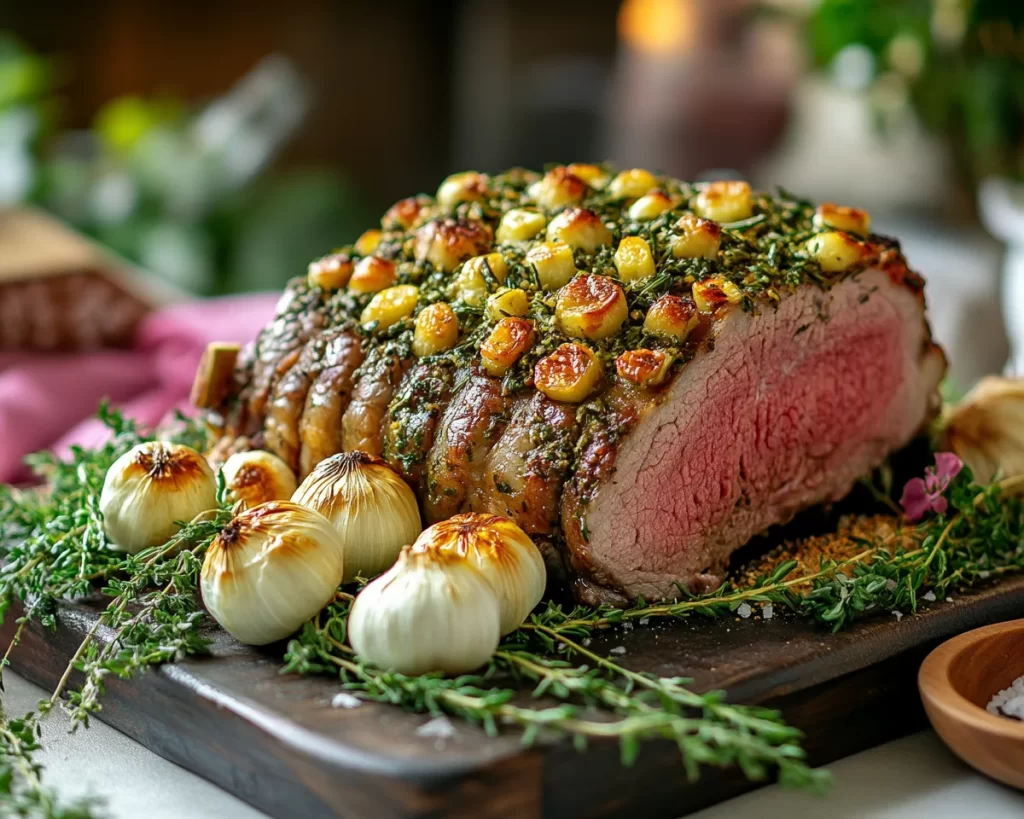
The texture of the lamb, when properly cooked, should be melt-in-your-mouth tender, while the exterior provides a pleasing crunch due to the high heat during roasting. The flavor is a delightful blend of earthy herbaceousness and rich meatiness. Each cut you carve should reveal a juicy interior with a lightly browned crust, making it visually appealing. The unmistakable aroma of lamb mingled with garlic and herbs wafts through the air, enticing everyone around to gather and enjoy this magnificent feast.
Why You’ll Love This
You’ll fall in love with this recipe for several reasons. First, the taste is simply unparalleled—the combination of the tender lamb with robust garlic and herbs creates a flavor explosion that your taste buds will thank you for. Second, it is relatively easy to prepare! Even if you are a beginner in the kitchen, following this straightforward recipe will make you feel like a culinary expert. With simple instructions and accessible ingredients, you can confidently tackle this impressive meal.
Additionally, this recipe is cost-effective, especially when you consider that lamb often serves a large number of people. It’s perfect for family gatherings or special occasions without breaking the bank. Plus, lamb is a source of necessary nutrients like protein, zinc, and vitamins B12 and B6, making this dish a fantastic option for healthy dining. Lastly, the versatility of this recipe allows you to customize it according to your taste preferences, whether you prefer a more herbaceous profile or want to add a touch of sweetness with honey or fruit.
Ingredients You’ll Need
- Lamb leg or shoulder: The star of the dish. Choose a bone-in leg for more flavor or a boneless cut for easier carving. If lamb isn’t available, you can substitute with beef or pork, but the taste will differ.
- Fresh garlic: Essential for flavor depth. Garlic contributes a rich, aromatic quality. If you prefer a milder taste, you can roast it beforehand to mellow its pungency.
- Fresh herbs (rosemary, thyme, parsley): Adds freshness and aromatic qualities. Using fresh herbs instead of dried ones can significantly enhance the dish’s flavor. If needed, dried herbs can be substituted—just reduce the quantity.
- Olive oil: Helps in marinating the lamb, ensuring that the flavors penetrate the meat. It also aids in achieving a golden-brown crust during roasting.
- Salt and pepper: Fundamentals for enhancing flavor. Always taste and adjust for personal preference as some may like it saltier or less seasoned.
- White wine: Optional, but it adds acidity and depth to the dish. If you prefer not to use wine, chicken broth is a great substitute that will add moisture without overpowering the lamb.
How to Make
- First, you need to preheat your oven to 425°F (220°C). This high heat will help sear the lamb, locking in the juices and creating a beautiful crust. Ensure you have a sturdy roasting pan or baking dish ready.
- In a small bowl, combine minced garlic, chopped rosemary, thyme, and parsley. Add about a quarter cup of olive oil and a generous pinch of salt and pepper. Mix well until you form a paste.
- Next, take your lamb and make several deep incisions all over the surface of the meat. This will help the marinade penetrate deeper, ensuring maximum flavor. Use your fingers to rub the garlic-herb paste all over the lamb, making sure it gets into those incisions.
- If you decide to use white wine, pour a bit into the roasting pan. This will not only flavor the lamb but also keep it moist during roasting. Place the marinated lamb in the pan and let it sit at room temperature for about 30 minutes. This allows flavors to develop even further.
- Now, it’s time to roast! Place the lamb in the preheated oven for about 30 minutes. This initial high heat helps achieve a gorgeous crust. After that, lower the oven temperature to 350°F (175°C) and continue to roast for another hour, or until the internal temperature reaches about 145°F (63°C) for medium-rare.
- As the lamb roasts, periodically check on it. Depending on how you like your meat cooked, you may have to adjust roasting time slightly. It’s important to let the lamb rest for at least 15 minutes after taking it out of the oven. Resting allows juices to redistribute, resulting in a more succulent meat.
- Finally, slice your lovingly roasted lamb into servings and serve with your favorite sides—think roasted vegetables, mashed potatoes, or a fresh salad. Pair it with a light red wine or refreshing beverage to complement the meal.
Variations & Substitutions
Herb Variation: If the classic combination of rosemary, thyme, and parsley doesn’t excite you, consider using other herbs like sage or mint. Mint, in particular, pairs exceptionally well with lamb, offering a bright contrast to the rich meat. You can blend these herbs into the paste instead of the original herbs for a refreshing twist.
Spiced Lamb: For those who enjoy a bit of heat, consider adding a teaspoon of smoked paprika or cumin to the garlic-herb paste. This variation introduces a warm, earthy flavor profile. This version often caters to those who appreciate a slight kick in their meals.
Honey Glazed Variation: If you’re interested in a subtle sweetness with your lamb, consider drizzling honey over the marinade. The sugar caramelizes during roasting, forming a beautiful, slightly sticky glaze that complements the savory herbs beautifully. This variation can be especially delightful when paired with seasonal veggies like carrots and parsnips.
Vegetarian Version: Not everyone enjoys lamb, and if you’re hosting vegetarians, you can create a similar experience using roasted cauliflower or a stuffed eggplant. Follow the same marination process using the herb-garlic mixture and roast until tender. This option ensures everyone at the table can enjoy a delightful meal.
Herb Crust Variation: Instead of a paste, consider making an herb crust by mixing breadcrumbs with finely chopped herbs, garlic, and seasonings. Pat this mixture over the lamb before roasting. This method creates a delightful texture, offering a crunchy exterior while keeping the inside juicy.
Common Mistakes to Avoid
A common mistake is not allowing the lamb to rest after cooking. Cutting into the meat too soon can result in dry slices, as the juices haven’t had a chance to redistribute. It’s essential to let it rest for at least 15 minutes. Another frequent issue is not seasoning adequately. Remember, lamb requires a good amount of seasoning to enhance its natural flavors. Under-seasoning can lead to a bland meal.
Additionally, many home cooks tend to overcrowd the roasting pan. This can steam the meat instead of allowing it to roast properly. Always ensure there’s enough space between pieces of meat. Furthermore, cooking the lamb at too low a temperature from the start can prevent that beautifully browned crust from forming. Begin at a higher temperature to achieve that desired outer texture, then reduce it for even cooking.
Lastly, make sure to use a meat thermometer to check for doneness rather than cutting into the lamb to check; you want it perfectly cooked, not overdone.
Storage, Freezing & Reheating Tips
For proper storage, allow the lamb to cool completely after cooking. Wrap it tightly in plastic wrap or aluminum foil and store it in the refrigerator if consuming within a few days. For longer storage, consider freezing; just ensure that it’s well-wrapped to prevent freezer burn.
When reheating, the key is to do so gently to avoid drying out the meat. Use the oven at a low temperature (around 300°F or 150°C) and cover it with foil to retain moisture. Alternatively, you can slice the lamb and reheat it in a pan with a touch of broth or water to keep it juicy.
Always adhere to food safety best practices—consume refrigerated lamb within three to four days, and frozen lamb is best used within three months for optimal flavor and texture.
Frequently Asked Questions
Can I use other cuts of lamb for this recipe?
Yes, you can use cuts like lamb chops or rack of lamb. However, cooking times will vary based on the size and thickness of the cut. Using lamb chops means they will cook more quickly, so keep a close eye on the internal temperature to avoid overcooking.
What sides pair well with Easter Roasted Lamb?
Classic sides such as roasted potatoes, garlic mashed potatoes, and seasonal veggies like asparagus or carrots complement the flavors of the lamb beautifully. A light salad with citrus dressing can also add a refreshing contrast. You can also consider grain-based salads for a hearty accompaniment.
How do I know when the lamb is done cooking?
Using a meat thermometer is the most foolproof method. For medium-rare, aim for an internal temperature of 145°F (63°C). If you prefer it more well-done, follow the ranges: medium (160°F/71°C) and medium-well (170°F/77°C).
Can I marinate the lamb overnight?
Absolutely! Marinating the lamb overnight can enhance the flavors even further. Just ensure that the marinated lamb is kept in the refrigerator, and allow it to sit at room temperature for about 30 minutes before roasting to ensure even cooking.
Can I make this dish ahead of time?
Yes! You can prepare the lamb ahead of time and roast it a day before your gathering. Then, simply reheat it gently before serving. This method allows you to enjoy a stress-free celebration without compromising flavor.
Conclusion:
This Easter Roasted Lamb with Garlic and Herbs is not only a culinary delight but also a perfect way to bring family and friends together. The delicious flavors and tender meat elevate any meal, making it suitable for both special occasions and casual dinners. Remember to customize it to your taste, whether through side dishes or variations in the recipe. Don’t hesitate to try this dish for your next gathering and share the joy of good food with those you love. Happy cooking!