Prep time: 20 minutes
Cook time: 10 minutes
Total time: 4 hours 30 minutes
Servings: 4
Creamy Coconut Panna Cotta is not just a dessert; it’s a delightful experience that transports you to a tropical paradise with every bite. Imagine the smooth, silky texture that melts in your mouth, combined with the rich aroma of coconut. Whether you’re hosting a dinner party or simply wishing to indulge in something special after a long day, this panna cotta provides a soothing touch to your evening. What makes this recipe truly remarkable is its simplicity; even novice cooks can achieve an impressive dessert that impresses both the palate and the eye. Get ready to embark on a culinary adventure that beautifully blends exotic flavors with effortless technique.
In this article, you’ll learn everything about making the perfect Coconut Panna Cotta from scratch. You’ll discover valuable tips, unique variations, and answers to common questions that can elevate your dessert-making game. Whether you’re a busy parent looking for a quick yet elegant dessert or a beginner wanting to impress friends, you’ll find everything you need here.
What Is Creamy Coconut Panna Cotta Recipe?
Creamy Coconut Panna Cotta is a classic Italian dessert that showcases the beauty of simplicity through its few but quality ingredients. The dish originates from the northern regions of Italy, where panna cotta, which translates to “cooked cream,” was traditionally made using heavy cream. In this coconut rendition, we swap the heavy cream for coconut milk. This ingredient transformation not only adds a tropical flair but also caters to those who may be looking for a dairy-free option. The texture is luxuriously smooth and creamy, with a slight jiggle that piques the interest of any dessert aficionado.
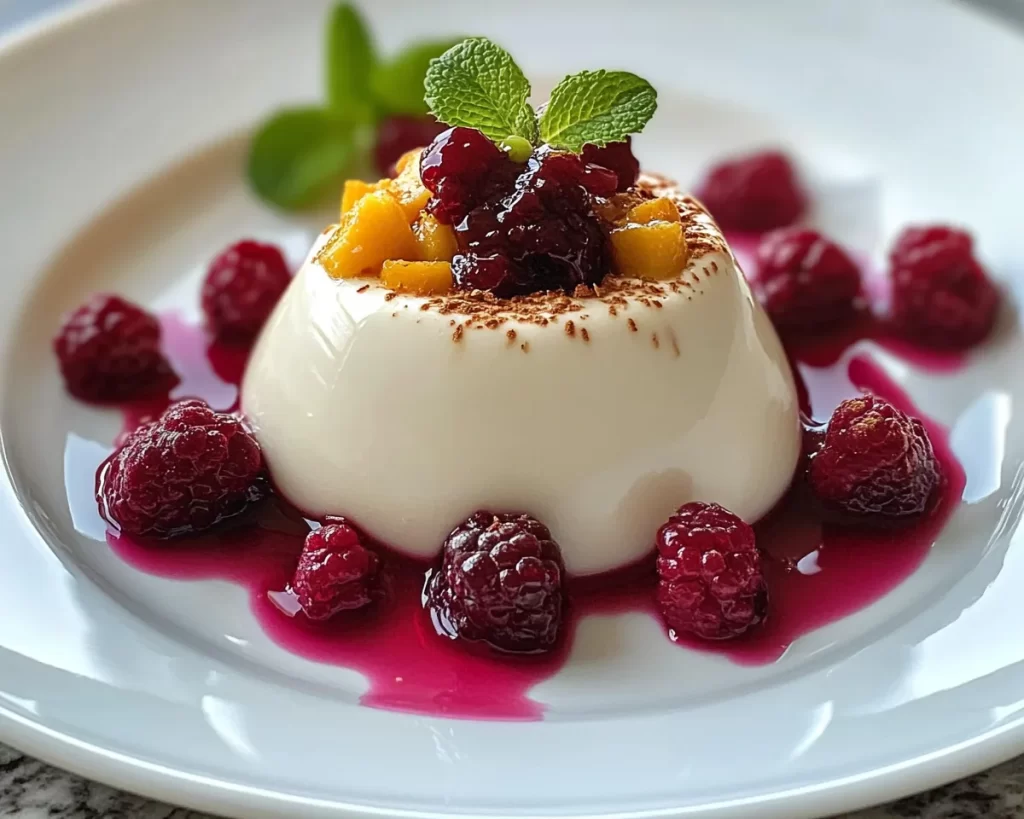
The flavor profile of Creamy Coconut Panna Cotta is subtly sweet, enriched by the natural taste of coconut. It’s not overwhelmingly rich, making it a perfect light finish to any meal. This dessert can be served alone or garnished with fresh fruits, mint leaves, or a drizzle of fruit sauce, elevating its visual appeal. Whether served at a formal gathering or casual dinner, its versatility makes it a favorite for all occasions.
Why You’ll Love This
There are countless reasons to fall in love with Creamy Coconut Panna Cotta, starting with its incredible taste. The combination of coconut and a hint of sweetness creates a delightful harmony perfect for any palate. Additionally, it is remarkably easy to prepare; even if you’re new to cooking, you can master this recipe without feeling overwhelmed. The total hands-on time is limited, allowing you to multitask or spend more time with your guests.
Cost-effectiveness is another benefit. With just a few affordable ingredients, you can create a restaurant-quality dessert that is bound to impress. Moreover, this panna cotta is a versatile base—a blank canvas if you will—allowing you to customize it with various flavors, toppings, and presentations. Lastly, it’s health-conscious for a dessert, especially if you opt for low-sugar or dairy-free versions, making it a guilt-free indulgence that you can enjoy more frequently.
Despite its seemingly simple nature, a common misconception is that panna cotta is difficult to make. The truth is that the secret to success lies in proper ingredient ratios and patience. You don’t need any special skills or equipment, only the right mindset and a willingness to experiment. If you’ve ever found traditional desserts too rich or heavy, this coconut version offers a refreshing and lighter alternative.
Ingredients You’ll Need
- Coconut milk: The star ingredient that provides the creamy texture and rich coconut flavor. Opt for full-fat coconut milk for the best results. If you have a dairy intolerance, this ingredient is also a great dairy substitute.
- Gelatin: This is what gives panna cotta its structure. You can use either powdered or sheet gelatin. Make sure to properly bloom it before adding to the mixture. If you want a vegetarian alternative, consider using agar-agar.
- Sugar: This adds sweetness to the dish. You can adjust this to your taste or substitute with alternatives like honey or maple syrup for a different flavor profile.
- Vanilla extract: For an aromatic touch, vanilla extract is a key player in enhancing the overall flavor. Vanilla bean can also be used for a more authentic taste.
- Salt: Just a pinch helps to elevate the flavors and balance the sweetness.
How to Make
- Prepare the Gelatin: Start by sprinkling the gelatin over a small bowl of cold water, typically using about two tablespoons of water per teaspoon of powdered gelatin. Let it sit for about 5-10 minutes until it blooms. If using sheet gelatin, make sure to soak it according to the package instructions. This crucial step ensures that the gelatin will dissolve smoothly later.
- Combine Coconut Mixture: In a saucepan over medium heat, combine the coconut milk, sugar, and a pinch of salt. Stir gently until the sugar dissolves. Do not let it boil; you just want the mixture warm enough so the sugar melts. If you’re using vanilla extract, add it at this stage to allow the flavors to meld beautifully.
- Add the Gelatin: Once the coconut mixture is warm and smooth, remove the saucepan from the heat. Quickly add the bloomed gelatin, stirring thoroughly to ensure it’s completely dissolved. You may want to pour the mixture through a sieve to catch any undissolved pieces of gelatin or other clumps, ensuring a silky-smooth final product.
- Chill the Mixture: Pour the mixture into individual ramekins or serving glasses. Allow it to cool slightly before refrigerating. The panna cotta will need at least 4 hours to set, but overnight is best for optimal texture and flavor.
- Serve and Enjoy: Once fully chilled and set, run a knife around the edge of each panna cotta before inverting onto plates if desired. Top with fresh fruits, a drizzle of honey, or a garnish of mint for added texture and flavor. Indulge in a creamy, dreamy dessert!
Variations & Substitutions
Chocolate Coconut Panna Cotta: If you’re a fan of chocolate, consider adding melted dark chocolate to the coconut mixture while it’s still warm. This creates a lovely depth of flavor and makes for an indulgent treat. Just ensure to adjust the sugar as dark chocolate can be bitter. This variation is ideal for those looking to satisfy a chocolate craving while enjoying the creamy texture of coconut.
Fruit-Infused Coconut Panna Cotta: For a fruity twist, you can incorporate pureed fruits like mango, passion fruit, or berries into the coconut mixture. Blend the fruit until smooth and stir it in before chilling. This not only adds vibrant color but also enhances the flavor profile significantly. It’s a perfect adaptation for summer gatherings or brunches.
Dairy-Free Alternative: If you’re looking to make this dessert completely dairy-free, simply ensure you use coconut milk or other non-dairy milk substitutes like almond or cashew milk. Additionally, check labels on your gelatin or opt for agar-agar as a plant-based substitute. The texture may vary slightly, but you’ll still end up with a delicious dessert.
Spiced Coconut Panna Cotta: Add a touch of warmth to your panna cotta by incorporating spices such as cardamom, cinnamon, or nutmeg. A pinch of these spices mixed into the coconut milk while warming will create a wonderfully aromatic dessert. This is perfect for fall or holiday gatherings, giving your dish a seasonal flair.
Layered Coconut Panna Cotta: For a stunning visual, you can create layers by preparing a base flavor like chocolate or fruit and allowing it to set before pouring a layer of your coconut panna cotta on top. This can be done with several flavors. However, be cautious about timing so each layer sets properly before adding the next.
Common Mistakes to Avoid
One common mistake many home cooks encounter is not properly blooming the gelatin. Skipping this step can lead to clumps of gelatin that won’t dissolve correctly, resulting in a grainy texture. Always allow gelatin to soak in cold water and expand fully before adding it to the warm coconut mixture.
Another issue can arise from overheating the coconut milk mixture. If you bring it to a full boil, you risk separating the fats and losing the creamy consistency that makes panna cotta so luscious. Always keep the heat low and remove it from the stove as soon as the sugar is dissolved.
Ultimately, if the panna cotta isn’t set after the recommended chilling time, you may need to adjust the gelatin quantity next time. Too little gelatin will lead the dessert to take a longer time to set or remain runny. Be sure to measure accurately for optimal results. Lastly, patience is key. Allow the panna cotta to chill for sufficient time before serving; a rushed cooling process can spoil the delightful texture you’re aiming for.
Storage, Freezing & Reheating Tips
To store your Creamy Coconut Panna Cotta, cover the ramekins or servings with plastic wrap and place them in the refrigerator. They should be consumed within four days for optimal freshness. If you’re planning to make these ahead for a special occasion, this dessert is a fantastic choice as it keeps well and actually gets even more flavorful as it sits!
Freezing panna cotta is possible, but it can change the texture slightly. To freeze, ensure it’s in an airtight container. It’s recommended to consume within one month. When you’re ready to enjoy it, allow it to thaw in the refrigerator overnight to avoid any unwanted separation issues.
Reheating is not recommended for panna cotta, as the luxurious texture is best enjoyed chilled. If you have leftovers, simply let them sit out for a few minutes before serving; this slight warming will enhance the flavor while keeping the texture intact. Never attempt to microwave panna cotta, as this will affect its silky quality.
Frequently Asked Questions
Can I use other types of milk instead of coconut milk?
Absolutely! Almond milk, cashew milk, or even oat milk are great alternatives. However, keep in mind that the flavor will change, and using a creamier option will help mimic the rich texture found in traditional panna cotta.
Why is my panna cotta not setting?
The most common reasons include insufficient gelatin or not allowing it to chill long enough. Ensure you’re following the ratios carefully and give it ample time to set in the fridge. If you’re using a different gelatin or substitute, make sure you understand how it behaves uniquely.
Can I use fresh fruit for topping?
Yes, fresh fruit toppings like strawberries, mangoes, or kiwi not only enhance the visual appeal but also add a refreshing contrast to the creamy panna cotta. However, ensure that any juicy fruits are patted dry to avoid watery results on the dessert.
How can I ensure a smooth texture in my panna cotta?
Strain the mixture through a sieve to catch any bits before pouring it into your ramekins. This step helps to ensure a silky-smooth finish, making your panna cotta beautifully presentable.
Is this recipe suitable for vegans?
Yes, you can easily make vegan panna cotta by substituting gelatin with agar-agar and utilizing plant-based milk such as coconut, almond, or cashew milk. Just make sure to follow the directions on the agar-agar packaging for proper usage and ratios.
Conclusion:
Creamy Coconut Panna Cotta is an exceptional dessert that combines tropical flavors with a rich, silky texture, perfect for any occasion. It stands out for its ease of preparation and the opportunity for customization. Whether you stick with the classic recipe or explore the variations, this dish invites creativity and indulgence. Don’t hesitate to try it out, adapt it to your preferences, or share it with loved ones! Let this creamy delight become a regular feature at your dessert table and watch it warm hearts and satisfy cravings every time.