Prep time: 20 minutes
Cook time: 45 minutes
Total time: 1 hour 5 minutes
Servings: 8
What evokes a fond memory for you? Perhaps it’s the delicious aroma of freshly baked cake wafting through your kitchen, or that satisfying moment when your family gathers around the table to savor a mouthful of dessert. Today, we dive into a delightful indulgence that combines nostalgia and decadence—introducing the Decadent Biscoff Milk Cake.
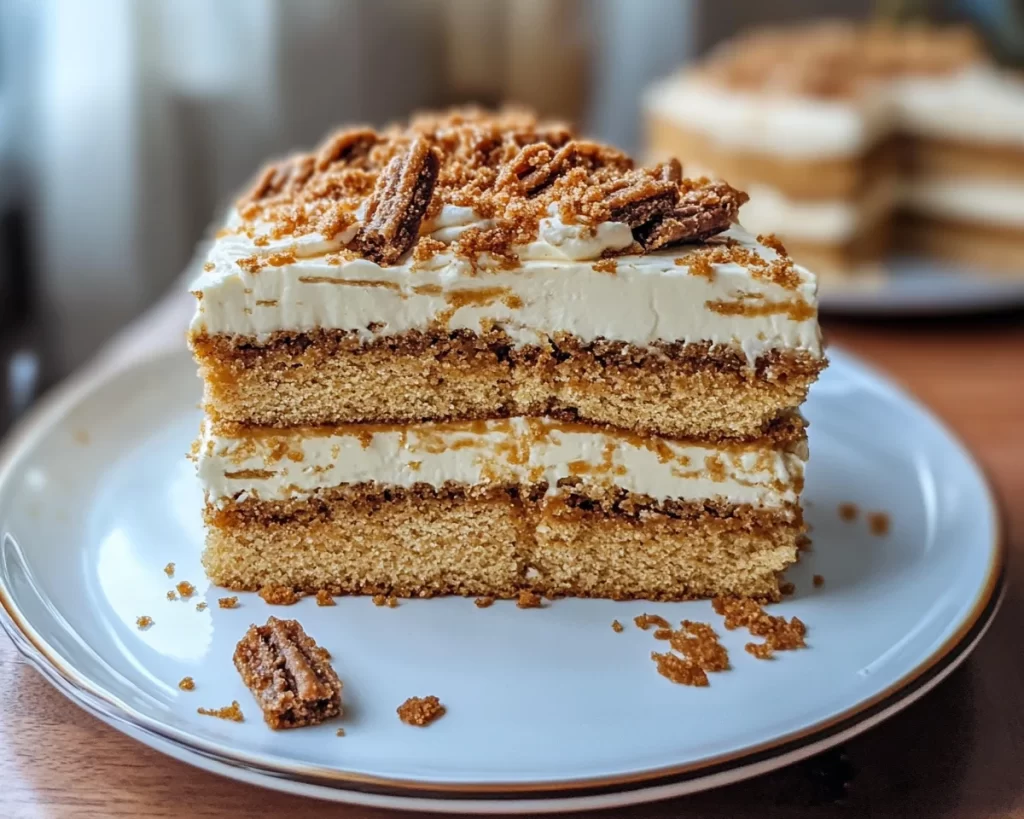
Imagine layers of moist cake permeated with the unique flavor of Biscoff cookies, complemented by luscious milk and creamy frosting. This cake is not just a dessert; it’s an experience—a centerpiece for celebrations or a comforting treat after a long day. In this article, you’ll discover how to master this wonderful recipe, explore tips to enhance your baking, and learn how to customize the cake to your liking.
What Is Decadent Biscoff Milk Cake Recipe?
The Decadent Biscoff Milk Cake is a delightful dessert that marries the rich flavors of cookie butter with a moist cake texture. Biscoff cookies, originating from Belgium, are known for their caramelized flavor and spicy undertones, making them a beloved ingredient among dessert aficionados. This cake celebrates these cookies in a way you may not have experienced before.
Imagine a cake that feels light yet rich, where each bite bursts with the sweet and spiced notes of Biscoff, balanced by a creamy milk-infused frosting. This dessert appeals to anyone with a penchant for unique flavors and textures, making it a perfect addition not only to weekend gatherings but also to special occasions like birthdays and anniversaries. As you slice through the layers, the combination of flavors will transport you to a cozy café, making each forkful not just about eating but about relishing a moment.
What’s particularly special about this recipe is its simplicity. You do not have to be an expert baker to achieve stunning results. In just a few steps, you can create a cake that dazzles the eyes and tempts the palate, making it a fantastic choice for beginner and experienced bakers alike.
Why You’ll Love This
There are so many reasons to adore the Decadent Biscoff Milk Cake! First and foremost, the flavor is outstanding. With its harmonious blend of spice, sweetness, and rich creaminess, every bite is undeniably satisfying. Imagine the comforting taste of your favorite cookie, but enhanced as a moist cake that’s perfect for any occasion.
Another appealing aspect is the ease of preparation. Most of the steps are straightforward and require minimal specialized kitchen equipment, making this recipe accessible even for those who are new to baking. The cake can be prepped in a jiffy, allowing you more time to enjoy with your loved ones.
Cost-effective? Absolutely! The primary ingredients are generally inexpensive and easily sourced. This means you can whip up this astounding dessert without breaking the bank. Additionally, it’s quite versatile; you can modify the recipe based on dietary restrictions or personal preferences, such as making it gluten-free or dairy-free.
It’s also worth noting that there are common misconceptions about baking, especially around the idea that it is complicated and time-consuming. With this Decadent Biscoff Milk Cake, you’ll discover just how simple and rewarding baking can be. Once you’ve mastered this recipe, you may find yourself inspired to explore more recipes and expand your cooking repertoire.
Ingredients You’ll Need
- Cake Flour: This will give the cake a light texture. Substitutes include pastry flour or all-purpose flour; however, the texture may be slightly different.
- Granulated Sugar: Adds sweetness to the cake. You can use brown sugar for a richer flavor, but adjust the moisture accordingly.
- Baking Powder: This is essential for helping your cake rise and become fluffy. Ensure your baking powder is fresh for best results.
- Salt: A pinch of salt balances the sweetness and enhances flavors.
- Unsalted Butter: Provides richness. Ensure it’s at room temperature for easy mixing. Substitute with a vegan butter for a dairy-free option.
- Eggs: These provide moisture and structure. For an egg-free version, you can use applesauce or flaxseed meal mixed with water.
- Milk: Adds moistness. You can replace it with almond milk or coconut milk for a non-dairy variation.
- Biscoff Spread: The star ingredient! It’s a creamy, spiced delight that imparts a unique flavor. If unavailable, you can use any cookie butter.
- Heavy Cream: For the frosting to create that luscious, creamy texture. Substitute with coconut cream for a dairy-free option.
- Powdered Sugar: Sweetens the frosting. You may choose to use less or add flavorings like vanilla or almond extract.
- Biscoff Cookies: For the topping and decoration. They add a fantastic crunch and visual appeal.
How to Make
1. **Preheat Your Oven:** Start by preheating your oven to 350°F (about 175°C). It’s crucial to preheat because it ensures even baking. Position your oven rack to the center to allow for optimal heat circulation, giving your cake a proper rise and evenly baked texture.
2. **Prepare Your Cake Pans:** Grease two 9-inch round cake pans and line the bottoms with parchment paper. This will help your cakes release easily after baking. Lightly dust the sides with flour, tapping out any excess to avoid sticking.
3. **Mix Dry Ingredients:** In a mixing bowl, whisk together the cake flour, baking powder, and salt. It’s essential to mix these dry ingredients well so that the leavening agent is evenly distributed throughout the cake, promoting a uniform rise.
4. **Cream Together Butter and Sugar:** In another bowl, beat the unsalted butter and granulated sugar together until light and fluffy, about 3-5 minutes. This air-ensuring step will help create a tender cake. Use an electric mixer on medium speed and scrape down the sides to ensure everything combines well.
5. **Add Eggs:** Incorporate the eggs one at a time, mixing well after each addition. Allow each egg to fully blend into the mixture before adding the next. This will help the mixture emulsify properly, contributing to a well-structured cake.
6. **Add Biscoff Spread and Milk:** Mix in the Biscoff spread until smooth, followed by alternating with the milk. Start and end with the dry ingredients to maintain the batter’s texture. It should be thick yet smooth, perfect for pouring.
7. **Pour Batter into Pans:** Divide the batter equally between your prepared cake pans. Use a spatula to level the tops, ensuring they bake evenly.
8. **Bake the Cakes:** Place the pans in the preheated oven and bake for 25-30 minutes. You’ll know they’re done when a toothpick inserted into the center comes out clean. The cakes should also pull away slightly from the edges of the pans.
9. **Cool the Cakes:** Let the cakes cool in their pans for about 10 minutes before flipping them onto a wire rack to cool completely. Cooling properly prevents sogginess and ensures a better texture.
10. **Make the Frosting:** In a mixing bowl, whip the heavy cream until soft peaks form. Gradually add the powdered sugar and beat until stiff peaks form. This fluffy frosting is perfect for spreading and decorating.
11. **Assemble the Cake:** After the cakes have cooled completely, place one layer on a serving plate. Spread a generous amount of frosting on top, then place the second layer on top, gently pressing down. Frost the top and sides of the cake for a beautiful finish.
12. **Decorate:** Crumble some Biscoff cookies and sprinkle them on top of the frosted cake. This not only adds taste but also enhances the visual appeal.
13. **Chill and Serve:** For best results, refrigerate the cake for an hour to let all the flavors meld beautifully. Slice and serve this show-stopping dessert at your next gathering, and watch everyone savor every bite!
Variations & Substitutions
Gluten-Free Variation: For a gluten-free Biscoff Milk Cake, substitute the cake flour with a gluten-free all-purpose flour blend. Ensure that the blend contains xanthan gum, as it will mimic the structure that gluten provides. This variation ensures that those with gluten sensitivity can also indulge in this delectable dessert without worry.
Vegan Variation: Going dairy-free and egg-free doesn’t mean you have to forgo this delicious cake. Instead of eggs, you can use flaxseed meal mixed with water or unsweetened applesauce. For milk, almond or oat milk works beautifully, and for frosting, try using coconut cream for a luscious, creamy texture that pairs perfectly with the spiced Biscoff.
No-Bake Biscoff Milk Cake: If you’re in a rush or simply want to avoid using your oven, consider a no-bake version! Instead of cake layers, use crushed Biscoff cookies and mix them with melted butter to form a crust. Layer creamy Biscoff mousse made from whipped cream and Biscoff spread in a glass dish, allowing it to set in the fridge. This will yield a rich, indulgent dessert that anyone will love.
Lower-Sugar Version: If you want to reduce the sugar intake, you can use less sugar in both the cake and frosting. Opt for natural sweeteners like honey or maple syrup, which have a different sweetness profile but can be used to taste. Adding more Biscoff spread can also enhance the flavor without needing to add additional sugar.
Common Mistakes to Avoid
One common mistake when baking cakes is overmixing the batter. Remember, once you combine wet and dry ingredients, mix just until combined. Overmixing can lead to a dense and tough cake. Always mix at a low speed to avoid overworking the gluten in the flour.
Another pitfall is underbaking the cake. If you’re eager to taste your creation, resist the temptation to pull the cake from the oven too early. Ensure that a toothpick inserted into the center comes out clean or with a few moist crumbs—rather than wet batter.
Additionally, neglecting to let the cakes cool adequately before frosting can wreak havoc on the final product. A warm cake can melt your frosting, resulting in a gooey mess rather than a beautifully layered dessert. Patience is key here; give your cakes ample time to cool down completely.
Lastly, not leveling your cake layers can result in a crooked cake. Invest a minute to ensure that both the top and bottom layers are flat. This little detail will elevate the presentation.
Storage, Freezing & Reheating Tips
To store your Decadent Biscoff Milk Cake, cover it tightly with plastic wrap or aluminum foil to keep it fresh. If you have any leftover cake, it’s best consumed within 3-4 days. You can keep it at room temperature if your kitchen is cool, but if you live in a warmer climate, refrigerating it is advisable to prevent spoilage.
For long-term storage, consider freezing the cake. Slice the cake into individual portions and wrap each serving tightly in plastic wrap, then in aluminum foil, or place them in an airtight container. This will keep your cake fresh for up to 3 months. When you’re ready to enjoy a piece, simply let it thaw in the refrigerator or at room temperature for a few hours.
It is essential to note that if you frosting the cake, it may not freeze very well, as the cream can change texture upon thawing. However, you can freeze the layers separately and add the frosting fresh when ready to serve—this way, you maintain that wonderful creamy texture.
Frequently Asked Questions
Can I use any type of cookie butter instead of Biscoff?
Yes, while Biscoff is the classic choice for this recipe due to its unique flavor, you can use other cookie butters. Brands might vary in sweetness and spice levels, so taste your choice beforehand and adjust other ingredients accordingly.
How can I enhance the cake’s flavor?
Consider adding vanilla extract or other spices like cinnamon or nutmeg to the batter for added depth. You might also incorporate a splash of coffee or espresso to elevate the cake’s flavor and bring out the richness of the Biscoff.
Can I make this cake ahead of time?
Definitely! The Decadent Biscoff Milk Cake holds up well when made in advance. You can bake the cakes a day ahead, store them in an airtight container, and assemble the cake the day you plan to serve it. It also allows time for flavors to meld beautifully.
What should I do if my cake sinks in the middle?
A sinking cake usually indicates that it was underbaked or that the batter was overmixed. Always ensure that the toothpick test is accurate, and try to check your oven’s temperature with an oven thermometer, as irregular heating can throw off your results.
What can I serve with the Biscoff Milk Cake?
This cake is delightful on its own, but if you want to add more indulgence, consider serving it with whipped cream or a scoop of vanilla ice cream. You may also drizzle some Biscoff spread over individual slices to elevate the dessert even further.
Conclusion:
The Decadent Biscoff Milk Cake is not just a dessert; it’s an occasion, a celebration of flavors that invite you to indulge. With its moist layers and creamy frosting, this cake embodies everything you love about baking—deliciousness, nostalgia, and satisfaction. Whether you’re a seasoned baker or just starting your culinary journey, this recipe offers you a chance to shine, adapt, and make it your own. I encourage you to try it, experiment with flavors, and share the joy with your loved ones. Happy baking!