Prep time: 20 minutes
Cook time: 40 minutes
Total time: 1 hour
Servings: 4-6
The aroma of simmering stew can conjure up cherished memories of home and family gatherings. The comforting warmth that envelops you when enjoying a bowl of rich, hearty stew is truly universal. One dish that embodies this warmth is Grandpa’s Jjigae, a classic Korean stew that brings together simple ingredients with profound flavors. It is a dish that resonates with love, effort, and satisfaction.
This recipe for Comforting Grandpa’s Jjigae is not only easy to follow but also incredibly rewarding. You will learn how to create a balanced flavor profile, from the umami of the soy sauce to the gentle kick from gochugaru (Korean red pepper flakes). This recipe is a family favorite, sure to make your kitchen feel like a cozy haven. Whether you are a busy parent looking for a quick and nourishing meal or someone wanting to explore Korean cuisine for the first time, this Jjigae offers something for everyone.
In this article, you will discover the intricacies of making Jjigae—from the ingredients you’ll need to the easy preparation steps. You’ll also explore various adaptations, get tips to avoid common pitfalls, and find answers to some frequently asked questions about this delightful dish.
What Is Comforting Grandpa’s Jjigae: Easy Korean Stew Recipe?
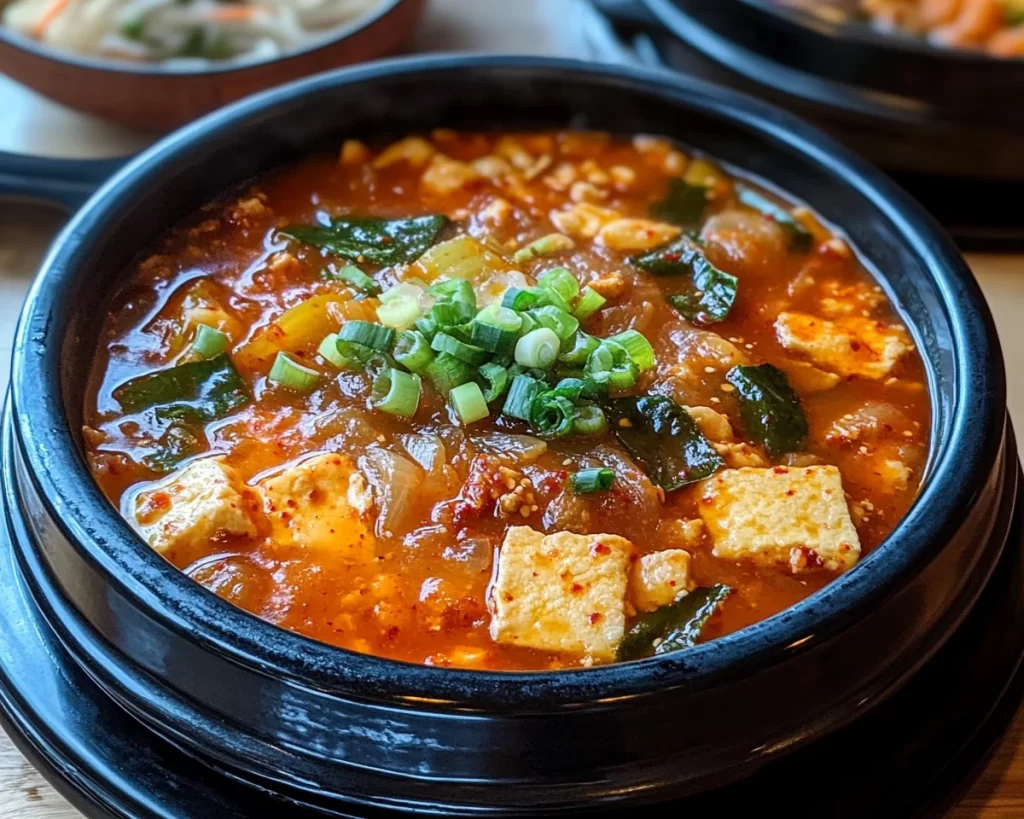
Grandpa’s Jjigae is a traditional Korean stew that boasts rich flavors and a heartwarming essence. Originating from various regional specialties, Jjigae often features a base of broth made from fermented ingredients and often includes a variety of proteins and vegetables. The stew typically has a hearty, thick texture that almost invites you to dive right in.
A defining feature of this dish is its complex flavor, which is achieved through a blend of spices and ingredients. Each bowl is an explosion of taste—savory, spicy, and slightly sweet, revealing layers of richness that come from cooking its ingredients together over time. The use of tofu for protein adds a delightful creaminess to the stew, while an assortment of vegetables offers a medley of textures, making every bite different yet cohesive.
This recipe embraces the fundamental aspects of traditional Jjigae while being flexible enough to suit your personal preferences and ingredient availability. It’s the ultimate comfort food, perfect for gatherings or a quiet night in.
Why You’ll Love This
There are myriad reasons to fall in love with Grandpa’s Jjigae. Firstly, its taste is unparalleled. The unique blend of ingredients creates a flavor doled out in layers, making each spoonful a delightful experience. The spice level can be adjusted according to your preference, making it suitable for everyone in the family.
It’s also incredibly easy to prepare, even for those new to cooking. With straightforward steps and common ingredients, you won’t feel overwhelmed by culinary complexities. Many home cooks worry about the cost of preparing international dishes, but Jjigae uses budget-friendly ingredients while still delivering on taste, making it perfect for families.
Beyond taste and ease, Jjigae can be tailored to cater to various health aspects. It can easily be made vegan or gluten-free with simple ingredient substitutions, accommodating diverse diet preferences or restrictions. You’ll save time with meal prep since this dish can be made in large batches, giving you hearty leftovers to enjoy for days.
Many new cooks mistakenly think that a flavorful dish requires complex techniques or hard-to-find ingredients, but this couldn’t be further from the truth. This Jjigae shines brightly due to its simplicity and fresh components.
Ingredients You’ll Need
- 1 pound of beef stew meat: Provides protein and rich flavor. You can substitute this with tofu for a vegetarian option.
- 2 cups of water or beef broth: The base of your Jjigae, using beef broth will intensify the flavor.
- 1 onion, chopped: Adds sweetness and depth to the broth.
- 2 medium potatoes, diced: Introduces heartiness and texture. You can replace them with sweet potatoes for a twist.
- 1 zucchini, sliced: Provides freshness and complements the other vegetables well.
- 1 block of firm tofu, cubed: Enhances the protein content, and offers a creamy texture.
- 2 tablespoons of soy sauce: A key flavor enhancer that adds umami.
- 1 tablespoon of gochugaru: Korean red pepper flakes that add heat and color. Adjust the amount based on your spice preference.
- 3-4 green onions, chopped: To garnish and add freshness.
- 1 tablespoon of sesame oil: Provides a toasted aroma and rich flavor.
Each ingredient plays a crucial role in the dish’s overall flavor and texture, so don’t be tempted to skip any of them. If you need to customize ingredients due to preferences or availability, consider using seasonal vegetables for freshness or alternate proteins that resonate with your dietary needs.
How to Make
- Start by gathering all your ingredients on the counter. Having everything prepped will streamline the cooking process. Cut your vegetables like the onion, potatoes, zucchini, and tofu into the sizes mentioned. This ensures even cooking and helps you avoid any last-minute chopping while you’re stirring the pot.
- In a large pot over medium heat, add the sesame oil. Once it’s hot, toss in the chopped onions. Sauté them for about 3-4 minutes, until they soften and start to become translucent. This step is essential as it builds a flavor base that will enhance the entire dish.
- Next, add the beef (or tofu, if using). Sear it for 5-7 minutes until browned on all sides. Don’t rush this step, as browning develops additional flavors. If you’re using tofu, carefully stir to prevent breaking it apart.
- Pour in the water or beef broth and bring to a boil. Once boiling, reduce to a simmer. This allows the meat to tenderize and the flavors to meld together, creating that rich taste Jjigae is known for.
- Add the diced potatoes and let them cook for about 10 minutes. These will contribute flavor to the broth while softening to contribute more body to the stew. Be sure to stir occasionally to prevent them from sticking to the bottom of the pot.
- Add the sliced zucchini to the pot. Simmer for an additional 5-7 minutes, or until all the vegetables are fork-tender but still hold their shape. The zucchini brings a fresh flavor that contrasts well with the hearty potatoes and meat.
- Next, stir in the soy sauce and gochugaru. Taste for seasoning, and adjust by adding more soy sauce if desired. This is the moment to be mindful of flavor balancing. Depending on your taste preference, you might want to add a pinch of sugar to cut through the heat.
- Finally, gently stir in the cubed tofu, allowing it to warm through without smashing it. As it simmers for a couple of minutes, it will absorb some of the savory broth flavor. Serve the Jjigae immediately, garnished with chopped green onions for added color and a fresh touch.
The key to mastering this dish lies in the sautéing technique, allowing each ingredient to shine fully. The more you prepare Jjigae, the more you will understand how to balance flavors and textures effectively.
Variations & Substitutions
Vegetarian Jjigae: If you want to make this dish as a vegetarian option, simply replace the beef with a variety of vegetables such as mushrooms, carrots, and bell peppers. You can also boost the flavor with the addition of vegetable broth instead of water. The hearty spices will still create a rich, fulfilling dish that stays true to the essence of Jjigae.
Spicy Seafood Jjigae: For seafood lovers, you can incorporate shrimp, mussels, or squid into the mix. The seafood adds a delightful brininess, greatly enhancing the dish’s flavor profile. When adding seafood, be mindful not to overcook; put them in during the final few minutes of simmering for tender and juicy bites.
Kimchi Jjigae: Adding fermented kimchi can bring an entirely new dimension to your Jjigae. The tangy, fermented flavor infuses throughout, making this variation perfect for those who enjoy a bit of a kick. This version is especially comforting during winter months, as the fermented ingredients have warming properties.
Gluten-Free Jjigae: To keep this dish gluten-free, substitute the soy sauce with tamari or a gluten-free soy sauce brand. The overall flavor remains intact and caters to those who have gluten sensitivities without compromising the rich essence of the stew.
Each variation showcases how adaptable Jjigae can be to suit diverse palates and dietary needs. Feel free to experiment while staying true to the core essence that makes it special.
Common Mistakes to Avoid
One of the most common mistakes when making Jjigae is overcrowding the pot with too many ingredients. This can lead to uneven cooking and a dish lacking in texture. Always start simple and gradually add more ingredients as your confidence grows.
Another pitfall is the tendency to rush the simmering process. While it might be tempting to fast-track the cooking time, allowing the stew to simmer enables the flavors to meld beautifully. A good Jjigae benefits from time, so practice patience here.
Be cautious when using too much spice right off the bat. Gochugaru packs heat, so add a little at a time and adjust according to your taste. It’s easy to fix a dish that’s not spicy enough, but it’s difficult to rescue it from being overly spicy.
Lastly, be careful not to break down the tofu too much when stirring. Gently folding it into the stew ensures you maintain a delightful texture rather than ending up with mushy bits. Remember that Jjigae is known for its comforting ingredients, and maintaining their integrity is key to a successful dish.
Storage, Freezing & Reheating Tips
When it comes to storing Jjigae, allowing it to cool down completely before transferring it to an airtight container is crucial. Properly refrigerated, it can last up to three days, making it perfect for meal prep or leftovers.
If you opt for freezing, the flavors will deepen over time, which can be a delightful surprise. However, note that freezing may affect the texture of the tofu, so consider adding that fresh right before serving if possible. Reheat on the stove over low heat, adding a splash of water or broth if needed to maintain the right texture.
For the best results, it’s advisable to only freeze the stew without the noodles or rice if you plan to include those. When reheating, do so gently to avoid boiling, which could lead to overcooking the ingredients.
Food safety is paramount, so ensure you consume leftovers within 3-4 days and follow best practices for freezing or reheating to keep the dish delicious for your future enjoyment.
Frequently Asked Questions
Can I make Jjigae ahead of time?
Absolutely! Jjigae tastes even better the next day as flavors have more time to meld. Just make sure to store it in the fridge in an airtight container and reheat thoroughly when you’re ready to enjoy it.
What can I serve with Jjigae?
Jjigae pairs beautifully with a bowl of steamed rice, which helps to absorb the delicious broth. You can also serve it with fermented side dishes like kimchi for an authentic Korean experience.
Can I use beef alternatives in this recipe?
Yes, you can switch out the beef for chicken, pork, or even plant-based proteins like seitan or tempeh. Each option will bring its unique flavor to the dish, enhancing your Jjigae experience.
How can I adjust the spice level?
Start with a smaller amount of gochugaru during cooking and adjust to taste. If you find it too spicy, add a dollop of yogurt or sour cream to cool it down, or balance it out with a bit of sugar.
Is Jjigae healthy?
Yes! It’s loaded with nutritious vegetables and lean protein. By customizing the ingredients, you can make it fit various dietary needs while still being delicious and fulfilling.
Conclusion:
The warm embrace of a well-prepared bowl of Comforting Grandpa’s Jjigae brings with it memories of family, love, and nourishing flavors. By following this recipe, you not only create a delectable dish but also carry forth the legacy of comfort food that transcends generations. Don’t hesitate to experiment with your own variations or make it exactly as presented; the joy lies in the experience. Try it out, customize it to your heart’s content, or share it with loved ones. You’ll find that every bowl invites a sense of togetherness and warmth, perfect for any occasion. Enjoy your cooking journey!